REVIEW · TOKYO
Tokyo Sumo Experience with Live Show & Audience Challenge
Book on Viator →Operated by Local Guide Stars · Bookable on Viator
Sumo feels bigger when you see it up close. This Tokyo show pulls you into a real sumo stable where tradition and technique go hand in hand. I love that it’s taught with a clear English-speaking guide and a strong history context, not just showmanship. The best part for a lot of people is the chance to step into the ring—but the ring challenge comes with an important tradition: women cannot enter the ring.
You’ll also get a tight one-round match moment that makes the sport click quickly, even if you don’t know sumo terms yet. In at least one recent group, the guide was Ayaka, and her explanations helped the whole experience land. The only real drawback to keep in mind is that this isn’t a long, full training-day look at active wrestlers—if you want that, you’ll need to pick a different kind of stable visit.
In This Review
- Key Highlights You’ll Care About
- A Real Sumo Stable in Tokyo: What You’re Walking Into
- The Retired Wrestlers + English Guide: How You Actually Learn Sumo
- The One-Round Match Moment: The Fast Path to Understanding
- Stepping Into the Ring: The Audience Challenge (and the One Big Tradition Rule)
- Photo Etiquette and Cultural Respect: How to Be a Good Visitor
- History and Tradition: What You’ll Remember After the Ring
- Price and Value: Is $84.78 Worth It for 90 Minutes?
- Where It Starts in Tokyo and How to Plan Your Timing
- Who This Sumo Experience Fits Best
- Should You Book This Tokyo Sumo Experience?
- FAQ
- How long is the Tokyo Sumo Experience?
- Where does the experience take place?
- What’s included in the ticket price?
- Is there an audience challenge where I can try sumo?
- Can women enter the ring during the audience challenge?
- Are photos allowed?
- What should I wear if I plan to join the ring challenge?
- Is the experience family-friendly?
- Are meals included?
- What’s the cancellation policy if plans change?
- How big are the groups?
Key Highlights You’ll Care About
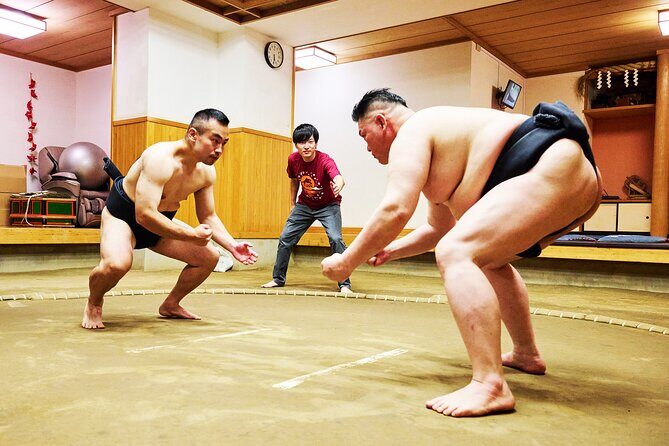
- A show inside a real sumo stable with retired wrestlers running the demonstration
- English support so rules, rituals, and background actually make sense
- A one-round match moment that shows how force and timing decide everything
- Audience challenge in the ring for participants who are eligible under tradition
- Photo guidance for cultural respect (allowed, but be careful about posting)
- Max group size of 40, which keeps it easier to follow along
A Real Sumo Stable in Tokyo: What You’re Walking Into
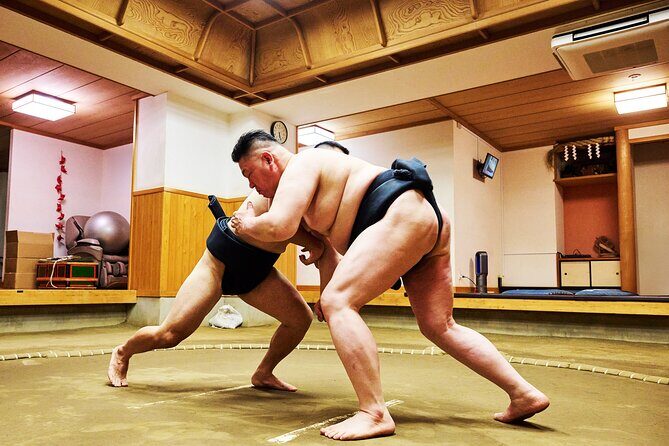
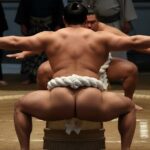
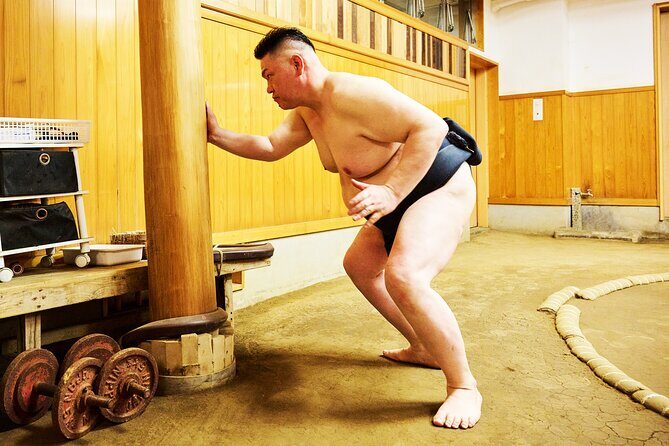
The setting matters more than people expect. This experience happens inside a genuine sumo stable, not a theater that borrows the look of sumo. That means you’re seeing how the space is used when wrestlers practice their customs and routines, even though the performers in the show are retired.
You also get a sense of lineage right away. The stable is described as being founded by one of sumo’s legendary champions, so the space isn’t just a generic venue. It’s part of the sport’s living culture.
One more practical thing: since it’s inside a stable, the vibe is calm and focused. You’re close enough to feel the intensity, but you’re not stuck watching from a far balcony with no context. If you’ve ever tried to learn sports culture from YouTube clips, this format helps it become real and human.
A few more Tokyo tours and experiences worth a look
The Retired Wrestlers + English Guide: How You Actually Learn Sumo
What I like most here is how the show turns sumo from mysterious into understandable. You get an English-speaking guide, and the demonstration is built for learning as it entertains.
The performers are retired sumo wrestlers, which changes the tone in a good way. They’re not just executing moves; they’re teaching them. Even if you only catch parts of the history and terminology, the structure guides you: what you’re watching, why it matters, and how it connects to Japanese tradition.
In one recent review, the host was named Ayaka. That’s a reminder that the experience tends to be handled by real people who know how to explain the sport clearly—especially to families and first-timers.
Expect the guide to do more than translate. The goal is for you to understand what’s happening in the ring and why the rituals around sumo aren’t random.
The One-Round Match Moment: The Fast Path to Understanding
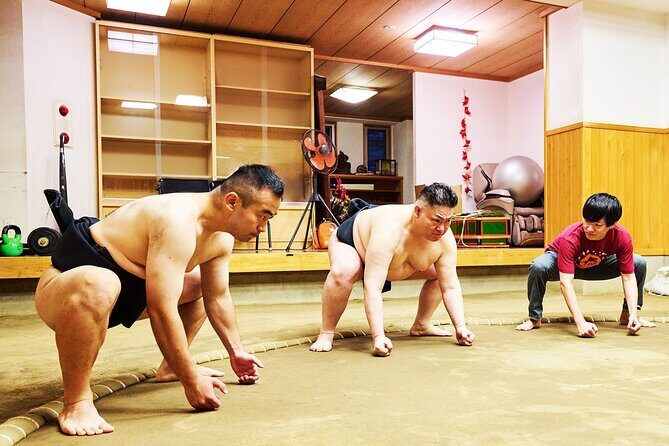
Sumo can look like chaos until you know what to watch. A big advantage of this experience is that it includes an intense, one-round match-style moment. You don’t have to sit through a full day of bouts to get the feel.
That one round is built for clarity. You can focus on the fundamentals: balance, timing, and the way wrestlers use force. It’s not about your knowledge level. It’s about giving you enough action to learn what the sport rewards.
This format also helps kids. A long show is easy to outgrow. A single, high-focus bout keeps attention locked in, and the surrounding explanations make it more than just wrestling as spectacle.
Stepping Into the Ring: The Audience Challenge (and the One Big Tradition Rule)
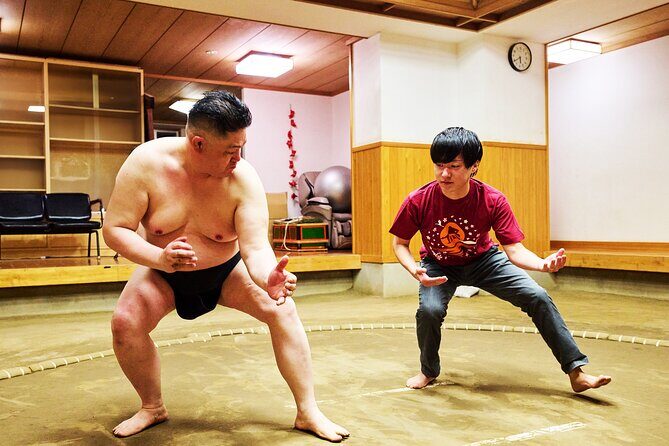
This is the part many people book for: the audience challenge where you can try sumo yourself. It’s the “I was there” memory.
But here’s the rule you have to plan around: women cannot enter the ring as part of tradition. That doesn’t mean you’re locked out of the experience—it means the ring is reserved for eligible participants during the interactive moment.
If you do get the chance to join, wear clothes that can get dirty. That’s not a throwaway line. Sumo practice involves contact, and the ring area is the ring area. You’ll also want to move comfortably, since you’re stepping from spectator mode into a physical activity zone.
Also, don’t treat the ring challenge like a photo op. The experience is meant to teach you how hard it is to maintain stance and leverage. You’ll probably laugh when you try, but you’ll also understand why sumo is such a technical sport.
Photo Etiquette and Cultural Respect: How to Be a Good Visitor
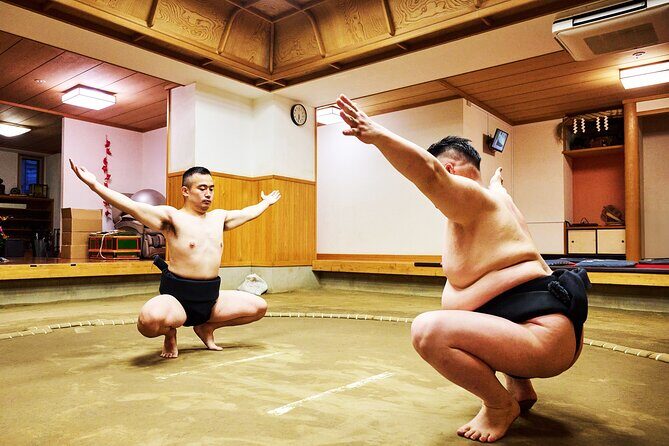
You can take photos, which is great. But there’s an extra layer: you’re asked to avoid posting photos online out of respect for the culture.
That guideline matters because stable life has traditions tied to privacy and respect. Even when you’re allowed to photograph, the request is about what you do next.
Practical approach:
- Take photos for your own keepsake during the show.
- If you want to share online, consider holding back or editing out anything identifiable, since the instruction is specifically about avoiding posting out of respect.
It’s a small adjustment that makes a big difference to how you participate. In a cultural setting like a stable, respectful behavior is part of the show.






History and Tradition: What You’ll Remember After the Ring
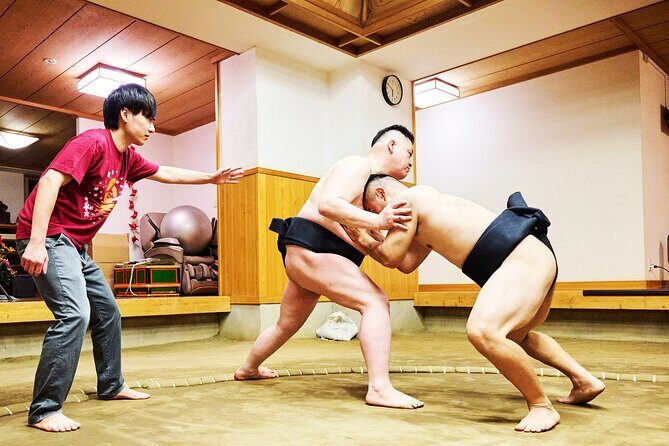
One of the strongest signals from the reviews is that the experience leans into culture and history more than only wrestling action. That’s a good thing, especially if you want more than a quick thrill.
You learn the fascinating history behind Japan’s national sport, and the stable setting helps connect those stories to real rituals. You’ll get why sumo has deep traditions tied to the environment, the performers, and the ceremonial flow.
This is also why the show works for families. Kids tend to love the action, but parents often appreciate the “so what” part—what these customs mean and where they come from.
And if you’re a first-time visitor to Japan, sumo offers a clean entry point into something that feels uniquely Japanese without requiring you to already know the world of professional wrestling.
Price and Value: Is $84.78 Worth It for 90 Minutes?
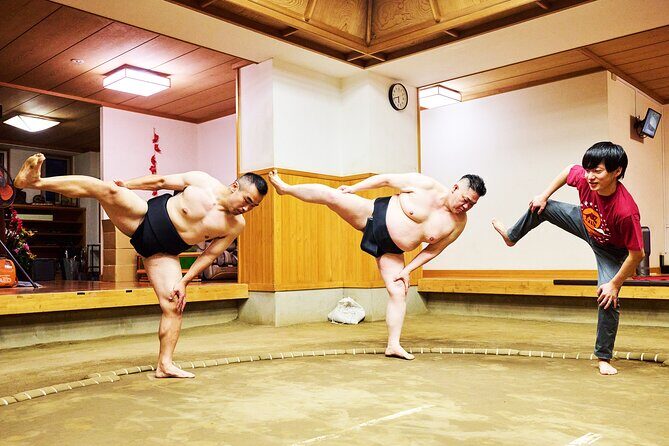
At $84.78 per person, this isn’t the cheapest thing you can do in Tokyo. The value comes from what you get in the time you have.
You’re paying for:
- A show inside a real sumo stable (not a generic venue)
- An English-speaking guide
- Live demonstrations by retired wrestlers
- An opportunity to try the ring challenge (when eligible under tradition)
The duration is about 1 hour 30 minutes, which makes it efficient. You can fit it into a typical Tokyo day without feeling like you need half your vacation to make it happen.
One more value angle: group size is capped at 40. A smaller group tends to make explanations clearer and keeps the experience from feeling like a fast assembly-line check-in.
Also, meals aren’t included. That’s normal for a show like this, but it means you should plan dinner afterward.
If you want an authentic cultural experience with a hands-on element, this price can feel reasonable. If you only want a long wrestling card with multiple bouts, you might look for a different format.
Where It Starts in Tokyo and How to Plan Your Timing
The meeting point is in Koto City, Kiyosumi, at the address listed for the tour: 2-chōme 83 Esuperansa Taihō (エスペランサタイホウ). The activity ends back at the meeting point.
It’s also described as near public transportation, so you should be able to get there without a complicated ride plan. If you’re coming from central Tokyo, give yourself extra time the first day to find the exact building and entrance.
Timing-wise, aim to arrive a little early. Stable entrances can have their own flow, and you’ll want a calm start so you can focus on the show when it begins.
Because the total time is about 90 minutes, it’s a great “anchor” activity. You can pair it with a nearby neighborhood stroll before or after, depending on your day.
Who This Sumo Experience Fits Best
This works especially well if:
- You’re new to sumo and want an easy entry with explanations
- You’re traveling with kids (the show and interactive energy tend to land well)
- You want tradition, not just sports entertainment
- You’d like the chance to try the ring challenge (again, depending on tradition rules)
It might not be the best fit if:
- You want to watch active day-to-day training by current wrestlers for long stretches (this experience is described as a show by retired wrestlers, and it’s not presented as an active training visit)
- You’re very photo-focused for social posting, since there’s an explicit request to avoid posting photos online
For many groups, the sweet spot is exactly what this experience is built for: first-time learning, hands-on fun, and a close look at how sumo tradition feels in a real stable.
Should You Book This Tokyo Sumo Experience?
Yes, if you want a sumo experience that’s easy to understand, culture-forward, and genuinely different from a standard museum or theater show. The combination of a stable setting, English guidance, and the one-round match-style moment makes it a smart use of time.
Book it if you can respect the tradition details—especially the ring rule about women—and you’re open to the photo etiquette request. If you’re comfortable with that, you’ll likely walk away with more than a few photos. You’ll understand why sumo looks the way it does, what the rituals mean, and what it takes to challenge for real.
If you’re the kind of traveler who likes authentic venues and small-group teaching, this one hits the mark.
FAQ
How long is the Tokyo Sumo Experience?
It runs for about 1 hour 30 minutes.
Where does the experience take place?
Inside a real sumo stable in Tokyo, with the activity starting and ending at the provided meeting point in Koto City, Kiyosumi.
What’s included in the ticket price?
The experience includes the sumo show and an English-speaking guide.
Is there an audience challenge where I can try sumo?
Yes. You can step into the ring and try sumo as part of the show.
Can women enter the ring during the audience challenge?
No. As part of tradition, women cannot enter the ring.
Are photos allowed?
Photos are allowed, but you’re asked to avoid posting them online out of respect for the culture.
What should I wear if I plan to join the ring challenge?
Wear clothes that can get dirty.
Is the experience family-friendly?
Most travelers can participate, and the format is well-liked for families and kids.
Are meals included?
No. Meals are not included.
What’s the cancellation policy if plans change?
You can cancel for a full refund up to 24 hours before the experience starts. If you cancel within 24 hours, the amount paid is not refunded.
How big are the groups?
The tour/activity has a maximum of 40 travelers.