REVIEW · TOKYO
Tokyo: teamLab Planets TOKYO Digital Art Museum Entry Ticket
Book on GetYourGuide →Operated by LINKTIVITY Inc. · Bookable on GetYourGuide
You walk in, and the art reacts. That is the whole magic trick at teamLab Planets TOKYO, a full-body digital exhibition spread across more than 10,000 square meters in Honshu, Japan.
I like two things a lot. First, the show makes you part of the artwork, so it feels less like watching and more like participating. Second, the Water Gallery and flower rooms deliver big sensory wow even if you are not a traditional museum person. One drawback to plan around: the experience is not great if you have light sensitivity, and some areas involve water and mirrored surfaces that can feel strange at first.
In This Review
- Key things to know before you go
- What teamLab Planets TOKYO Actually Feels Like
- Timing Tricks: Entry Windows and Why Your Ticket Time Matters
- Walk In Barefoot: Mirrors, Water Levels, and Clothing That Works
- The Rooms People Talk About: Water, Flowers, and Orchids
- The Water Gallery (often the highlight)
- Falling flowers and the flower universe feeling
- Orchids and the forest atmosphere
- How the Art Reacts to You (and Why Being There Changes Everything)
- Rules That Affect Your Comfort (Not Just the Fine Print)
- Price and Value: Is About $25 Worth It?
- Practical Stuff to Make Your Visit Go Smooth
- Get the app if you can
- Expect slight friction: directions and pacing
- Bring the right attitude toward photos
- Weather matters
- Should You Book teamLab Planets TOKYO?
- FAQ
- How long is the teamLab Planets TOKYO entry valid?
- Can I buy tickets for the same day?
- What time can I enter with my ticket?
- What do I need to bring for entry?
- Do I need to go barefoot?
- Are lockers available?
- Can I eat or drink inside the exhibition?
- Is it wheelchair accessible?
Key things to know before you go
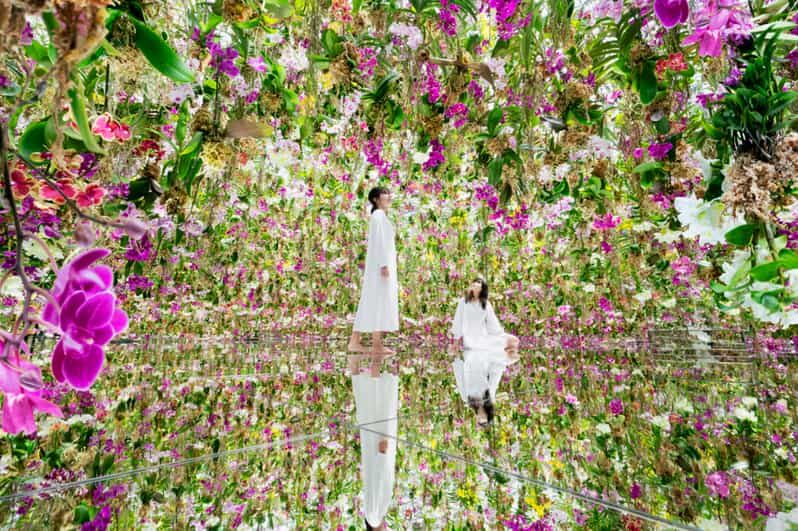
- Your presence changes the artwork so don’t just stand there watching
- Barefoot entry is required, with some mirrored floor areas
- Water rooms can reach knee height, so roll-up trousers help
- Expect standout sensory zones like the Water Gallery, orchid room, and falling flowers
- Pick the right time slot because entry is only allowed in the first 30 minutes after your scheduled time
- Non-refundable, timed entry means late arrivals can mean lost access
What teamLab Planets TOKYO Actually Feels Like
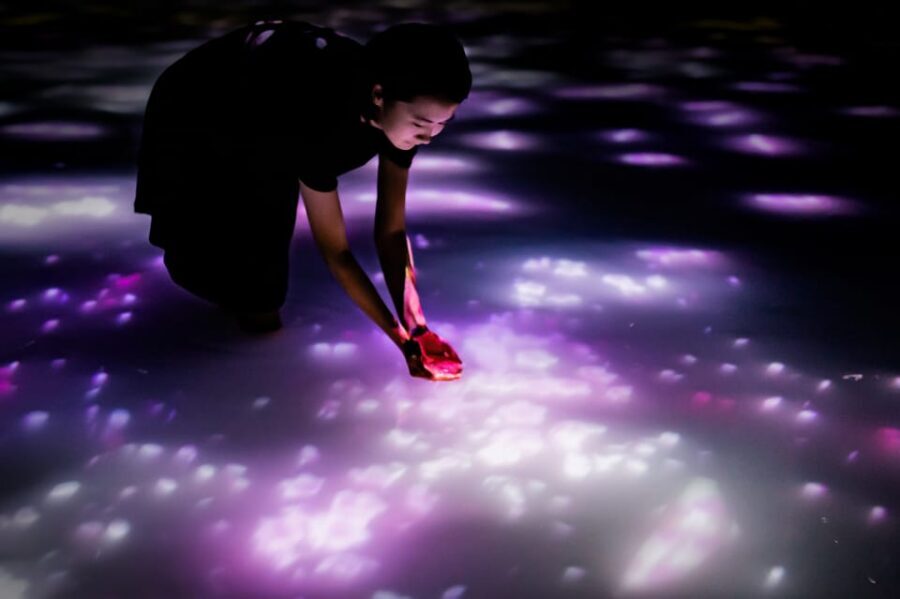
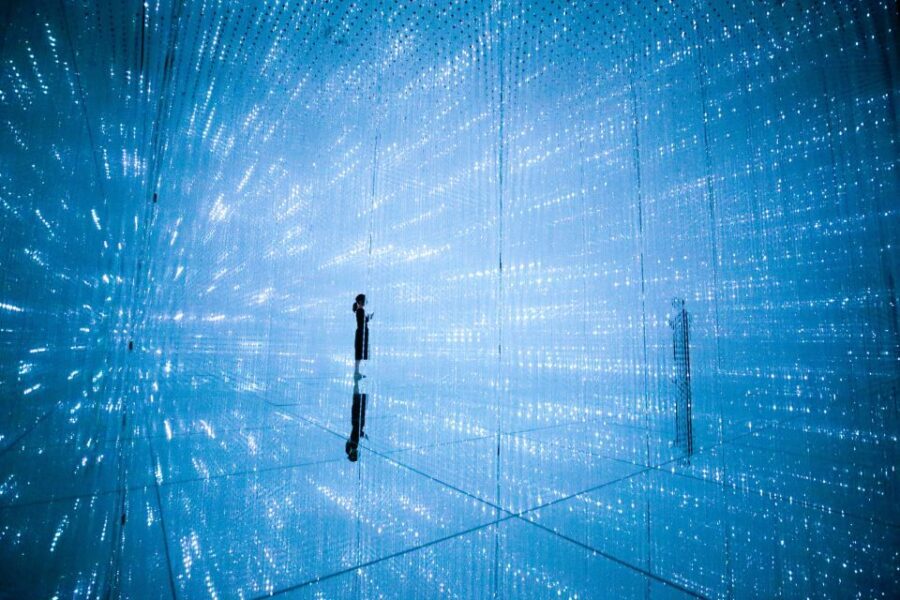
This is digital art you step into, not art you look at from behind a rope. The idea is simple: you enter the exhibition space, and your movement and presence affect what happens in the installations. It is built to stimulate all five senses, so you get light, sound, and physical effects—sometimes even a water-level moment that gets your attention fast.
The museum is huge, with multiple areas that change the mood using different lights, materials, and soundscapes. Even if you have been to teamLab in other cities, Tokyo has its own vibe—more of a walk-through world where you keep shifting from one sensory environment to another.
If you like “hands-on” anything, this will likely click for you. If you want quiet, sit-and-think museum time, you may find it noisier than you’d expect. The experience is interactive by design, and part of the fun is that everyone is playing a role.
A few more Tokyo tours and experiences worth a look



Timing Tricks: Entry Windows and Why Your Ticket Time Matters
Your ticket is timed, and Tokyo runs it like a system, not a suggestion. You can only enter during the first 30 minutes after your selected entry time. That means you should treat the start time as real, not flexible.
A second heads-up: you cannot purchase tickets on the same day. So plan ahead, lock in your entry slot, and build the rest of your day around it. Also, you will receive an official voucher by email that you must use to enter the facility.
What about lines and crowds? The flow is managed well once you are inside, and staff do a lot to keep things organized. Still, it can feel hectic in busier periods—especially in the transition moments between installations. Choosing a less busy time slot is a smart move if you want smoother pacing and more breathing room.
Walk In Barefoot: Mirrors, Water Levels, and Clothing That Works
You must go in barefoot. That is not negotiable. The good news is that lockers are available for small items, so you do not have to carry your essentials around the whole time.
The floor can be tricky in two specific ways:
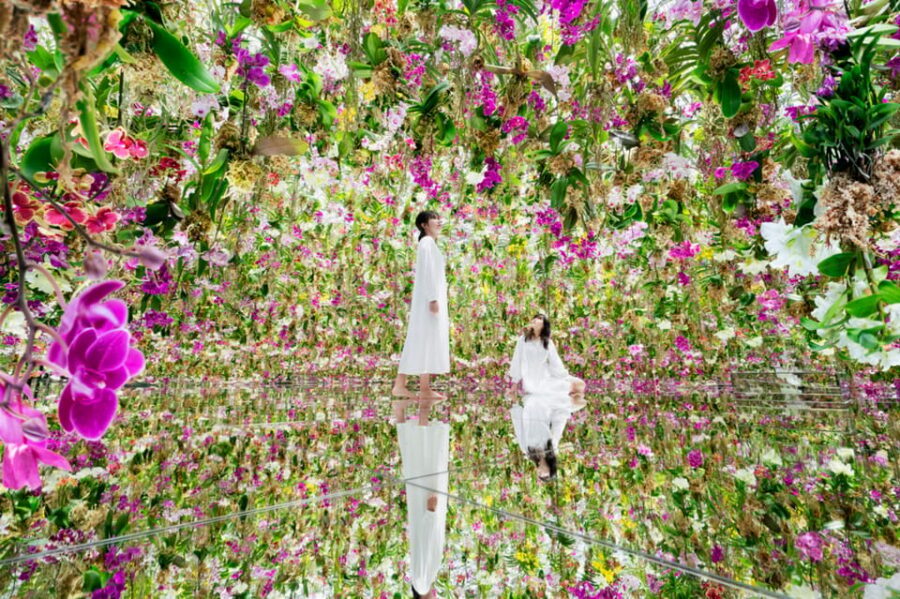
- Mirroring materials in some areas can change how you sense distance and movement.
- In certain installations, water levels can rise up to knee height.
Because of that, dress for function, not fashion. Plan on trousers you can roll up past your knee for the water sections. Many people try to power through in normal pants and then regret it when the water comes. If you want the least stress, bring (or wear) clothing you are comfortable getting wet.
Also note the museum is semi-outdoor, so you will likely want layers. In cooler weather, that matters. You can always peel off a layer once you are moving, but you cannot “un-cold” yourself quickly after you are standing still in a cooler zone.
The Rooms People Talk About: Water, Flowers, and Orchids
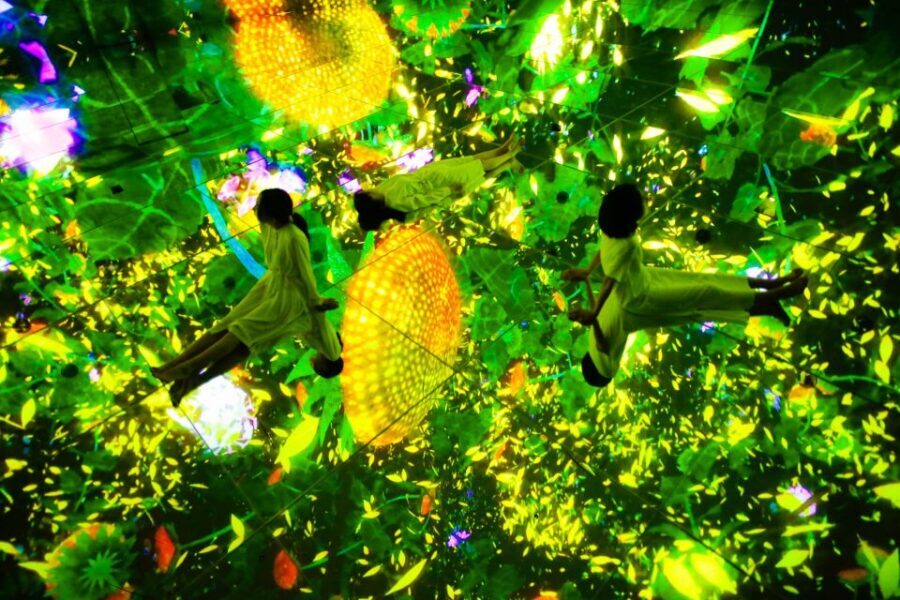
This is where teamLab Planets TOKYO shines: the big installations feel like you are walking through different chapters of a dream.
The Water Gallery (often the highlight)
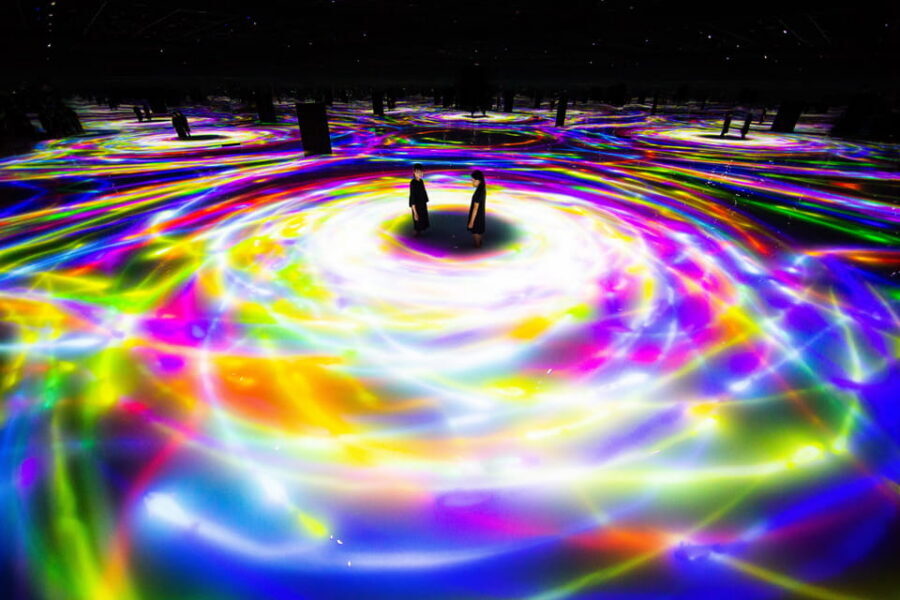
This is consistently the standout. The water sensory rooms are the type of experience that changes your posture and attention—you get drifting effects, reflections, and a different kind of interaction because you are physically in a water environment. The water up to knee height is part of why it lands so hard: it turns the installation into a full-body experience.
If you only have one “must-do” zone in your mind, put the Water Gallery at the top. It is the one that makes the whole ticket feel justified.
You can also read our reviews of more museum experiences in Tokyo





Falling flowers and the flower universe feeling
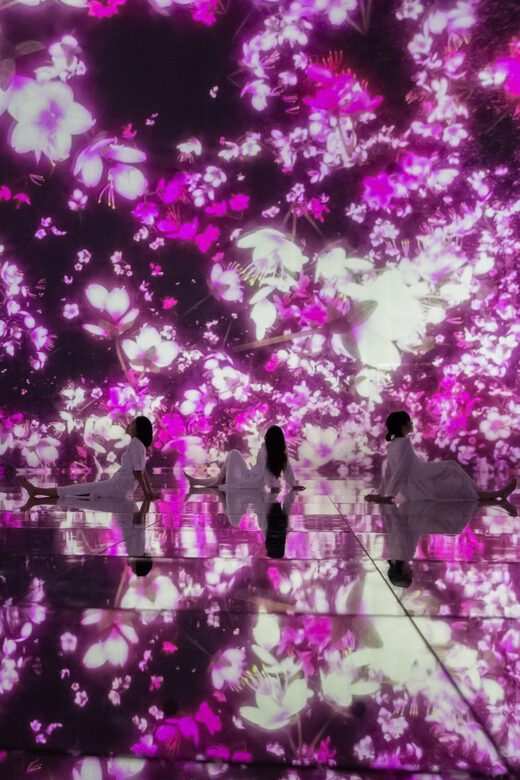
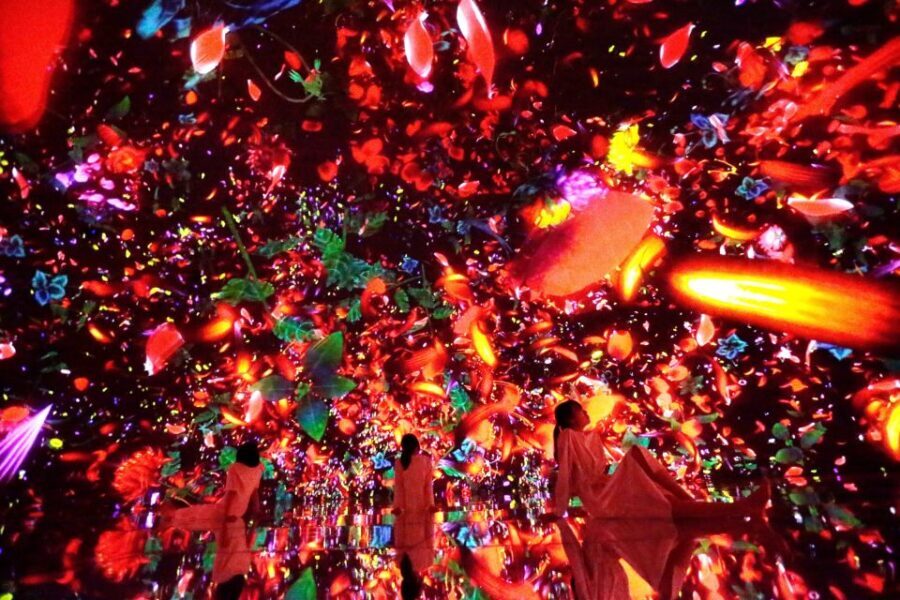
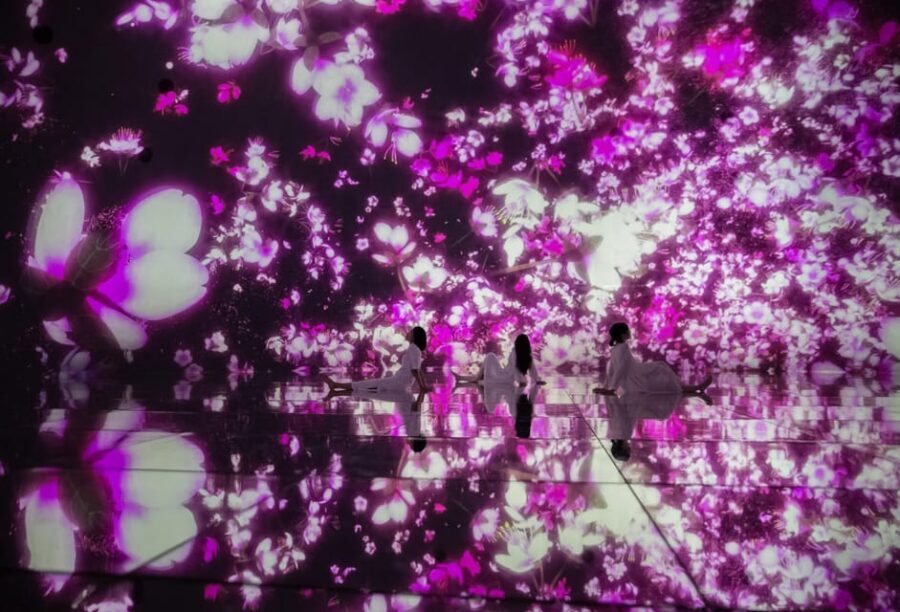
Another memorable set of rooms centers on falling flowers. You may find yourself lying on the floor, stepping slowly, or looking up in a way that makes normal museum etiquette feel silly—in the best way.
There are also installations involving flower petal walls, where light and motion make you feel surrounded rather than simply facing an artwork. The effect is very physical because the visuals keep shifting as you move.
Orchids and the forest atmosphere
The orchid room is frequently named as a favorite too. It creates a gentler, more plant-like mood compared with the high-energy water moments. Then there are forest-style zones, where the atmosphere feels more natural even though it is all digital.
Together, these rooms prevent the whole experience from feeling repetitive. You get contrast: water intensity, flower spectacle, then calmer botanical/forest energy.
How the Art Reacts to You (and Why Being There Changes Everything)
The key feature is the visitor interaction: your presence impacts the artwork. That means you are not just watching programmed visuals. You are influencing them, whether that influence is subtle or obvious depending on the area.
This changes how you move through the museum. You will likely find yourself slowing down in certain spots to see what happens, then speeding up in others when you realize the art responds faster than you expect. It is also why timing matters: if you rush, you miss some of the feedback loop between your movement and the installation.
Solo is totally possible, but a few people do feel awkward at first in highly interactive zones. The trick is to give yourself permission to act like you are in the room, not like you are observing a performance. Once you do that, the experience feels less performative and more personal.
Inside, staff help manage the flow of traffic between installations. That matters because interactive exhibits can get chaotic if people stop in the wrong place. The layout and guidance keep it controlled enough that you can still enjoy the work without constantly negotiating space.
Rules That Affect Your Comfort (Not Just the Fine Print)
This exhibition is sensory-first, so some rules directly affect what you can enjoy.
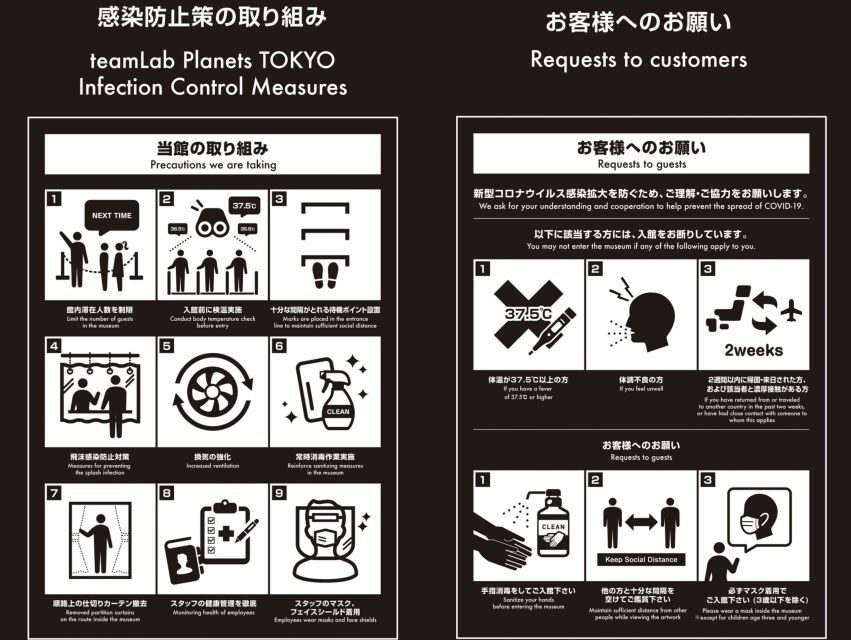
- No eating, drinking, or smoking inside the exhibition. If you need a snack break, plan it before or after your entry.
- Intoxication isn’t allowed, so keep it sensible.
- Staff may ask to show your ID for proof of age and/or school affiliation.
- Unaccompanied minors are not allowed.
- Children under 13 must be accompanied by an adult.
There are also medical fit considerations. This experience is not recommended if you have light sensitivity, and it is listed as not suitable for people with epilepsy or heart problems. If any of those are concerns for you, take them seriously. The stimulation is part of what makes teamLab Planets TOKYO work.
Price and Value: Is About $25 Worth It?
At about $25 per person for a one-day entry, this is one of those Tokyo experiences that can feel expensive or fair depending on your expectations.
Here is the value math that matters:
- You are buying entry to a large, multi-room environment with frequent sensory “set pieces,” not a single room photo-op.
- The interaction aspect means you are not passively consuming content. You are participating in the art system.
- Many visitors plan for around two hours or more, which is a solid chunk of activity for the money.
Compared with many ticketed attractions in Tokyo, this feels like it offers more time-on-task inside the space. The ratings are high too: 4.6 average from thousands of reviews, which usually means the experience lands for a wide range of people.
The one way it stops being value is if you hate water, dislike sensory stimulation, or feel uncomfortable in barefoot, interactive environments. If that describes you, the ticket may feel like a bad bet. But if the concept of becoming part of the artwork excites you, it is hard to think of a better use of an afternoon.
Practical Stuff to Make Your Visit Go Smooth
A few small things can make the difference between a great time and a frustrating one.
Get the app if you can
One tip that came up is downloading the teamLab app in advance to support a smoother visit. Even if you use your phone lightly, having the official info ready helps you keep your bearings fast.
Expect slight friction: directions and pacing
In large digital spaces, signage and flow can still leave you second-guessing where to go next. If you feel that happening, slow down at intersections and follow the staff guidance rather than rushing toward whatever looks most dramatic on the first pass.
Bring the right attitude toward photos
Some people love documenting the experience. Others prefer just being in it. Either approach works, but the best moments can happen when you forget the camera for a minute. The rooms with water and falling flowers are especially good for doing both: a quick video to remember, then a slow walk through without filming so you notice the details.
Weather matters
Because it is partly semi-outdoor, dress for the climate. If you run hot, wear layers you can manage. If you run cold, plan to stay comfortable while you move and wait.
Should You Book teamLab Planets TOKYO?
I’d book it if you want a different kind of art experience—one where you move, listen, and even get a little wet (in a controlled, museum-designed way). It is especially worth it if you’re traveling with teens or anyone who thinks museums are boring. The format seems to pull skeptics into it.
I’d skip or reconsider if you fall into the listed medical or sensory categories: light sensitivity, epilepsy, heart problems, or if you need wheelchair access since some areas are not accessible by wheelchair. Also think twice if barefoot water and mirrored floors sound like your personal nightmare.
If you can handle sensory input and you time your entry properly, this ticket is one of the most memorable ways to spend a chunk of Tokyo time. For many people, it becomes a highlight fast—because you are not just viewing the art. You are inside it.
FAQ
How long is the teamLab Planets TOKYO entry valid?
The ticket is valid for 1 day, but you must enter within your selected time window.
Can I buy tickets for the same day?
No. It is not possible to purchase tickets for admission on the same day.
What time can I enter with my ticket?
Entrance is only possible in the first 30 minutes after your selected entry time.
What do I need to bring for entry?
Bring your passport or an ID card. You may be asked to show it for proof of age and/or school affiliation.
Do I need to go barefoot?
Yes. Visitors have to enter barefoot.
Are lockers available?
Lockers are available for small items.
Can I eat or drink inside the exhibition?
No. Eating, drinking, and smoking inside the exhibition is prohibited.
Is it wheelchair accessible?
Some areas are not accessible by wheelchair, and the experience is not recommended for wheelchair users.