REVIEW · TOKYO
Imperial Palace East Garden and Edo Castle Walking Tour in Tokyo
Book on Viator →Operated by Localized Walking & Food Tours · Bookable on Viator
Wadakura to Edo Castle, all by foot. I like how this tour pairs free-to-enter grounds with a guide who helps you read what you’re seeing, not just look at it. You’ll start near the Imperial Palace, then walk the East Gardens where the old castle footprint is still written into the ponds, paths, and ruins.
Two things I really enjoy here: the calm opener at Wadakura Fountain Park, and the time spent in the East Gardens with Honmaru remnants and views tied to Edo Castle. Plus, the group stays small (up to 12), so the pacing feels human and you can ask questions without yelling across the park.
One thing to plan around: since it does not go inside the palace buildings, you should expect a grounds-and-ruins experience, not an interior visit. If you’re coming for the cherry-blossom show, timing matters too, because seasonal plantings can vary.
In This Review
- Key highlights at a glance
- Wadakura Fountain Park: a peaceful warm-up by the Imperial Palace area
- East Gardens and Edo Castle ruins: how to read the landscape
- Honmaru and Ninomaru-style views
- Seasonal expectations (and one honest heads-up)
- English local guides: why the storytelling makes this worth paying
- What you’ll actually see on the walk (and what you won’t)
- Walking logistics: shoes, hills, and rainy-day reality
- Price and value: $25 for guided history on free grounds
- Who this tour suits best
- Practical tips before you go
- Should you book this tour?
Key highlights at a glance
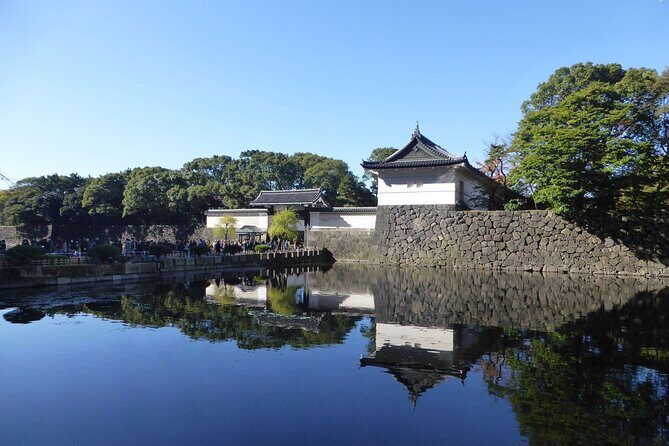
- Wadakura Fountain Park start with a quiet, scenic introduction right by the Imperial Palace area
- Edo Castle ruins on the East Gardens route, including Honmaru and Ninomaru-style viewpoints
- Small group (max 12) for steadier storytelling and easier questions
- English-speaking local guide who focuses on what you’re looking at
- Mobile ticket for easier check-in
- No palace building entry, so you’ll plan for gardens, not interiors
Wadakura Fountain Park: a peaceful warm-up by the Imperial Palace area
This tour begins at Starbucks Coffee – Kokyo Gaien Wadakura Fountain Park. It’s a simple, easy landmark to find, and that matters in Tokyo where “nearby” can still mean a hike. From there, you head to Wadakura Fountain Park for a short stop (about 30 minutes).
What makes Wadakura Fountain Park a smart starting point is the mood shift. Tokyo can hit you fast—noise, crowds, motion. Here, the park gives you a breather with water features and open space near the Imperial Palace grounds. It also has a neat backstory: it was originally built in 1961 for the wedding of Emperor Akihito and Empress Michiko, then redesigned and reopened in 1995 for the wedding of Crown Prince Naruhito and Crown Princess Masako. Even if you’re not usually a history person, those details give you something to look for beyond the fountains.
If rain shows up, this is also the kind of place where a guide can manage the timing without turning the whole tour into a sprint. One guide style described in the experience is keeping a nice pace during bad weather, so you’re not just standing around waiting for the sky to cooperate.
You can also read our reviews of more walking tours in Tokyo

East Gardens and Edo Castle ruins: how to read the landscape
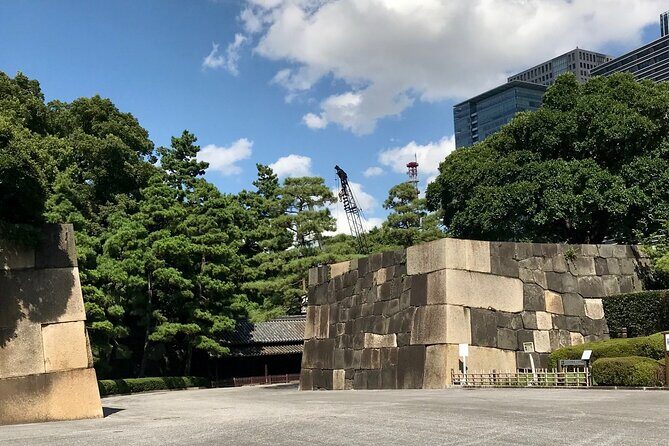
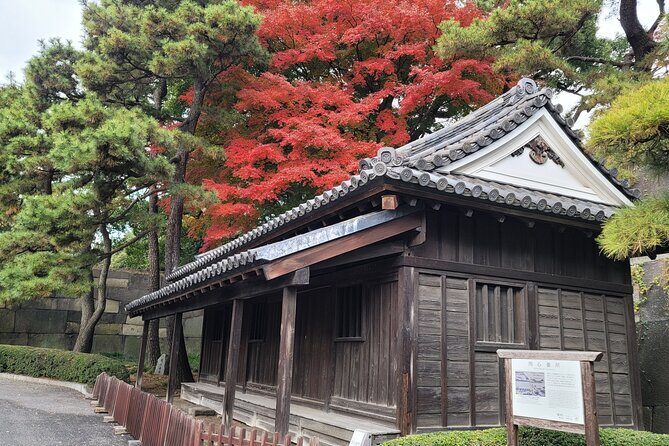
The main event is the Imperial Palace East Gardens, focused on the Edo Castle ruins. This is where the tour earns its value, because you’re not just strolling pretty scenery. You’re walking through a layout that used to be part of Edo Castle—and learning how the spaces functioned.
A key part of this experience is that you do not enter the Imperial Palace buildings. That’s a dealbreaker for some people and a non-issue for others. If you’re more interested in history that you can actually see and walk through—moats, garden design, ruin areas—this works well.
Honmaru and Ninomaru-style views
Within the East Gardens, you’ll hear about:
- Honmaru area and remnants tied to the old castle
- Ninomaru Garden and traditional-looking scenery
Those names matter because they change how you look at the grounds. Instead of treating every pond and walkway as generic park design, you start connecting the dots: this area wasn’t built for leisure back then—it served a role in the castle world.
Seasonal expectations (and one honest heads-up)
In spring, cherry blossoms are part of the appeal. In autumn, the gardens can show colorful foliage. But seasons aren’t guaranteed to deliver the postcard you hoped for. One traveler noted that in October they didn’t see the fall colors they expected. That’s not a fault of the tour—parks are seasonal—but it’s a reminder to keep your expectations flexible. You’ll still get the layout and storytelling. The plants are the bonus, not the only reason to go.
Also, if you love wildlife details: there are carp in the ponds, and sunlight can make them look extra striking—someone even called out glowing carp in the light.
English local guides: why the storytelling makes this worth paying
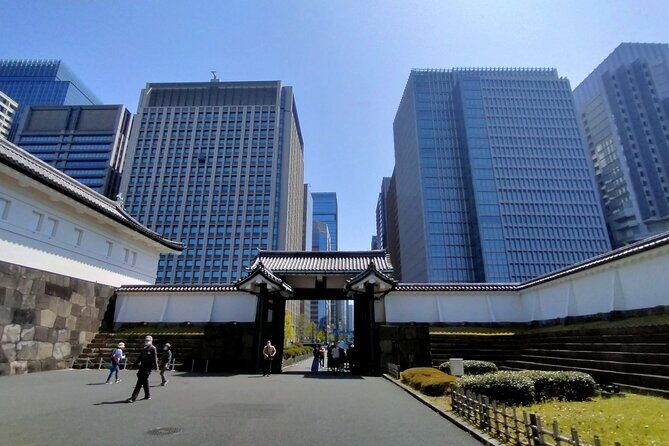
This is a walking tour, and the difference between a pleasant walk and a truly useful one is the guide. Here, you’re paying for context and interpretation. The experience is led by an English-speaking local guide, and the group is capped at 12. That small size is a big deal when you want people to actually hear the explanation instead of tuning out after the third intersection.
A number of guides have been highlighted across the experience, and their styles show a pattern: clear English, good pacing, and stories anchored to visible features. Names you may encounter include Loc, Glenda, Kenta, Kaz, Kei, Miko, Midori, Sato, Satoko, and Miyu. A common theme is guides using photos or visuals to explain what you’re standing near and what used to exist in that exact spot.
I also like the way some guides bring in personal perspective—one described sharing experience and viewpoints shaped by family roles. That kind of human touch doesn’t replace the facts; it just makes the history easier to remember after the tour ends.






What you’ll actually see on the walk (and what you won’t)
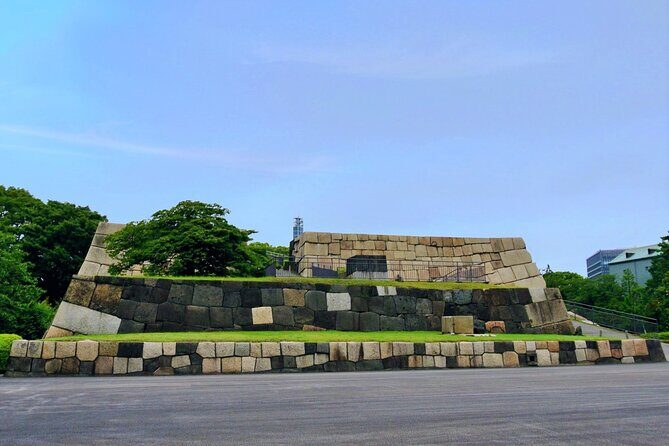
To keep expectations clean: this is not an Imperial Palace interior tour. Entry to the palace buildings isn’t permitted to the public, and the tour stays in the East Gardens and surrounding grounds.
So what do you get?
- Garden paths and open spaces that let you take in scale
- Pond views tied to historical layout and design
- Areas associated with Honmaru and Ninomaru perspectives
- Photo-friendly spots, especially where ruins or garden geometry tell a story
One practical takeaway: if you’re the type who wants a single “I saw it from inside” checkbox, this may not satisfy you. If you’d rather learn why the space looks the way it does—and walk away with a mental map—this format is strong.
Walking logistics: shoes, hills, and rainy-day reality
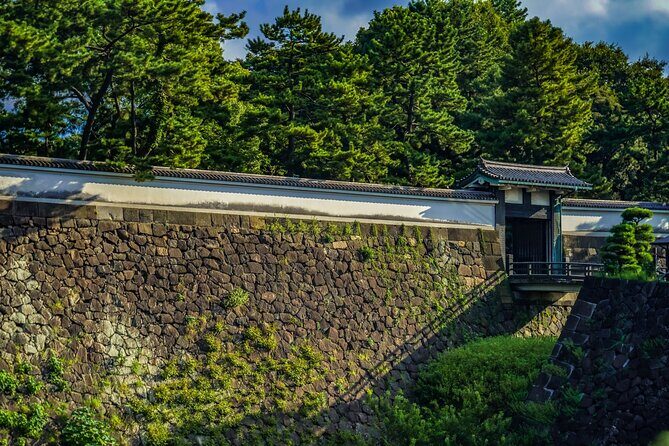
The tour is about 2 hours 30 minutes total (approx.), and it’s all walking. That sounds easy until you’re on uneven park paths with stretches that can feel steep. Several people mentioned hills and that there can be steep paths at times, though not stairs. Translation: wear comfortable shoes that handle uneven ground, not fashion sneakers with no grip.
Weather matters here. The experience is described as requiring good weather, and if it’s canceled due to poor conditions you’ll be offered a different date or a full refund. That’s a fair policy—parks can be slippery or unpleasant in rain.
One rainy-day detail I appreciate: guides have been seen adjusting the route or pacing to keep the group comfortable instead of forcing you to suffer through weather for the sake of a strict itinerary. So if it’s damp, dress for it and expect the tour to be flexible.
Price and value: $25 for guided history on free grounds

At $25 per person, you’re not paying for paid entrances—you’re paying for the guide and the structured walk. The stops include admission-free areas, including Wadakura Fountain Park and the Imperial Palace East Gardens grounds.
That’s what makes the price feel reasonable. You’re getting:
- An English-speaking guide (the main value)
- A small group setting (up to 12)
- A guided route through a top-tier Tokyo historical area
- A plan for where to look and what names mean on the ground
If you tried to DIY this alone, you could absolutely stroll the gardens. But the payoff with a guide is the translation layer: Honmaru and Ninomaru aren’t just labels. You start noticing why certain viewpoints feel important and how the castle past shows up in today’s design.
You do pay a modest amount, but compared with tours that charge for multiple attractions, this one keeps your budget tight while still feeling substantial.
Who this tour suits best
This tour fits you if:
- You’re doing Tokyo for the first time and want context beyond quick photo stops
- You like history that you can physically walk through
- You prefer guided interpretation over reading everything on your phone
- You want a smaller-group experience rather than a big herd
It may not be your match if:
- You only care about palace interiors (this tour does not include that)
- You want nonstop “wow” sights like museum halls or ticketed landmarks
- You’re not interested in the Edo Castle story and how it connects to the grounds
Practical tips before you go
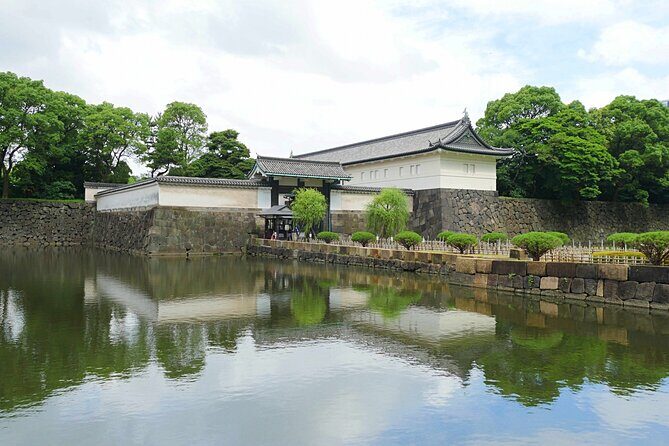
A few small things make the experience smoother:
- Wear comfy shoes. Park paths can be uneven, and some parts feel steep.
- Bring a light layer. Weather around the Imperial Palace area can feel different from Tokyo streets.
- Expect a grounds tour, not building entry. The payoff is in the ruins and garden layout.
- Arrive a bit early at the Starbucks meeting point so you can get your bearings fast and avoid stress.
Also, since snacks aren’t included, plan to eat before or after. This tour is long enough that you don’t want to realize you’re hungry halfway through the East Gardens.
Should you book this tour?
I’d book it if you want a low-drama, high-context walk through one of Tokyo’s most historically loaded spaces—without paying for palace interiors you can’t access anyway. The biggest strength is the guided reading of Honmaru-era remnants and Edo Castle connections inside the East Gardens, plus a calm start at Wadakura Fountain Park that sets the tone.
Skip it if your goal is ticking off palace buildings. Go instead when you want to understand the grounds, enjoy the gardens, and leave with a clearer picture of how Edo Castle shaped what you’re seeing today.