REVIEW · TOKYO
Tokyo: Tsukiji Fish Market Sushi Making Class with Pro Chef
Book on GetYourGuide →Operated by Japan Wonder Travel · Bookable on GetYourGuide
Sushi in Tsukiji hits different when you learn it step by step. This class puts you right in the pulse of Tokyo’s outer fish market, then pairs you with a pro sushi master and an English-speaking host to teach real technique, not restaurant trivia.
I love two things most: the hands-on practice (you make multiple types of sushi, not just watch), and the fact that your ingredients and tools come from the Tsukiji ecosystem. You’ll also get to taste sushi the chef makes, plus a simple pairing of dashi soup and green tea.
One consideration: the classroom is on the third floor with stairs only, so plan around mobility and stamina before you book.
In This Review
- Key highlights at a glance
- Tsukiji Outer Fish Market Location: Easy to Add to Your Day
- What You’ll Do (From Fish to Sushi): The 90 Minutes to 4 Hours Flow
- Stage 1: Fish prep and the logic behind sushi
- Stage 2: Nigiri and rolled sushi, step by step
- Stage 3: Eat your sushi and taste the chef’s version
- The Pro Team in Action: English Host Plus Sushi Master
- Fish Disassembly and Knife Basics: Why This Part Makes the Rest Click
- A quick reality check
- Making Nigiri: Getting Rice, Shape, and Topping Right
- Making Maki Rolls: From Filling to Clean Edges
- Wasabi, Tea, and Dashi Soup: The Meal Portion Isn’t an Afterthought
- “$63” Value Check: What You’re Paying For (And Why It Adds Up)
- Who This Class Suits Best (And Who Should Rethink It)
- Practical Tips Before You Go
- Should You Book This Tsukiji Sushi Making Class?
- FAQ
- What will I make in the class?
- How long is the experience?
- Is this taught in English?
- What’s included in the price?
- Is guidance through the Tsukiji market included?
- Where do I meet for the tour?
- Is it suitable for kids?
- Is it accessible for wheelchair users or people with mobility impairments?
- Are dietary restrictions accommodated?
- Can I cancel or change plans?
Key highlights at a glance
- Tsukiji outer market setting makes it easy to explore before or after your class
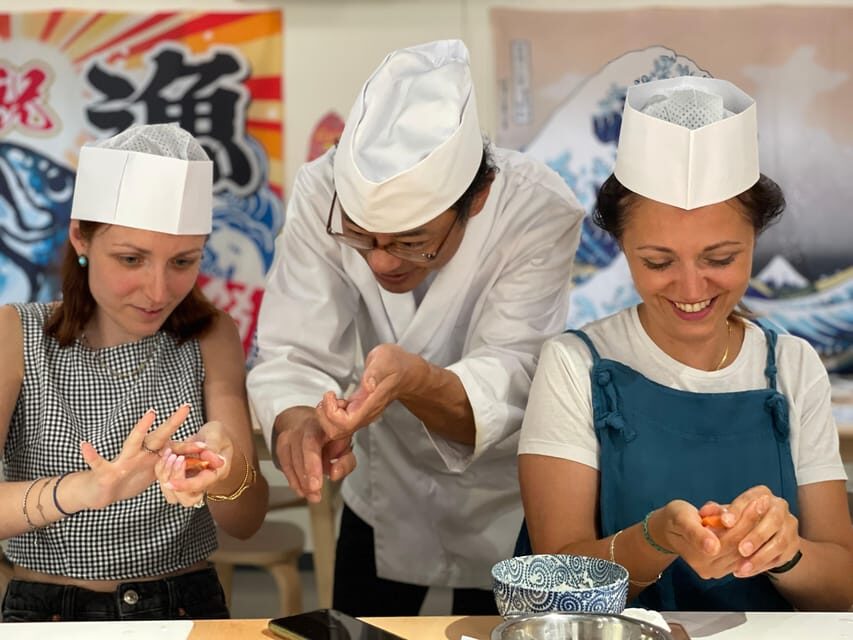
- Fish disassembly show plus knife talk, so sushi starts to make sense
- Nigiri and maki practice with proper utensils and tableware
- You eat what you make, including 4 nigiri and 1 maki, plus extra sushi from the master
- Warm host support in English, with step-by-step help throughout
- Dashi soup and green tea round out the meal like a proper pairing
Tsukiji Outer Fish Market Location: Easy to Add to Your Day
The big win here is location. Your class happens in the center of the Tsukiji outer fish market, in a hidden local building. That means you can build a full morning or afternoon around it without turning your day into a transport puzzle.
Before the class, you can wander the market area on your own. There’s something grounded about seeing the place where fish and sea produce actually move. After the class, you’re also in the right spot to keep exploring, grab a snack nearby, or just soak up the sights while the sushi lessons are still fresh in your head.
One small practical note: the classroom is on the third floor and you’ll use stairs only. If stairs are even mildly annoying for you, consider that upfront. It’s not a “might be fine” situation.
You can also read our reviews of more shopping tours in Tokyo


What You’ll Do (From Fish to Sushi): The 90 Minutes to 4 Hours Flow
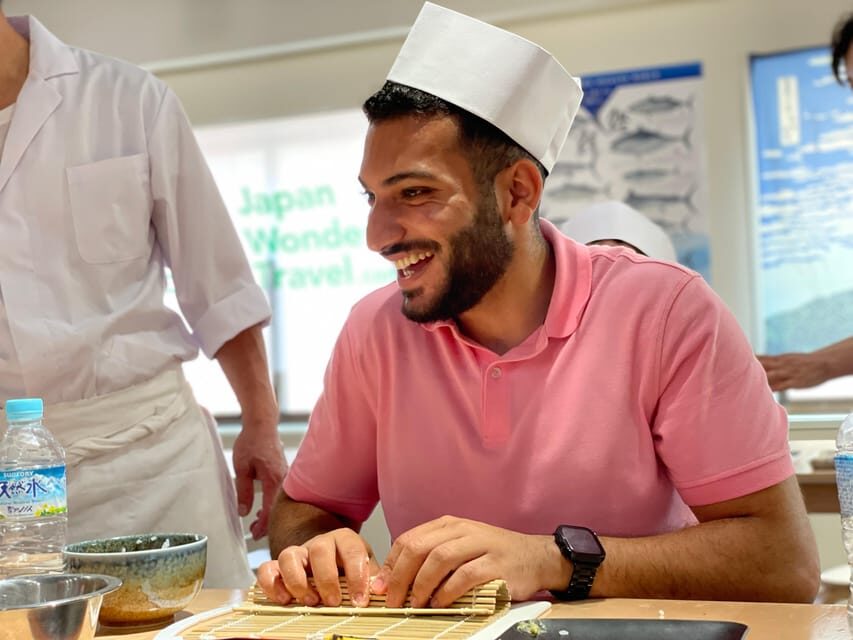
Even though the class time can run from 90 minutes to 4 hours depending on the option, the structure stays consistent. You’re going to move through three stages: watching technique, then making sushi yourself, then eating what you made.
Stage 1: Fish prep and the logic behind sushi
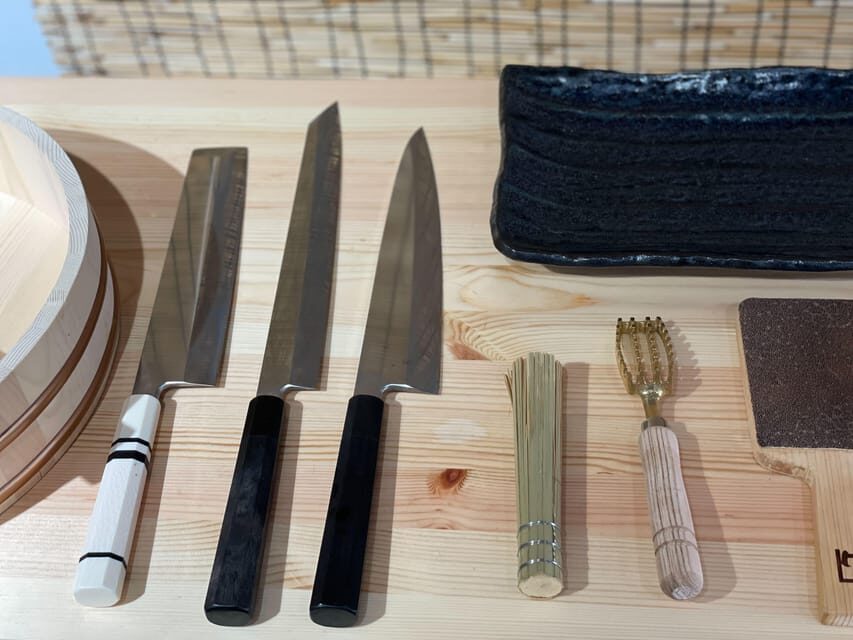
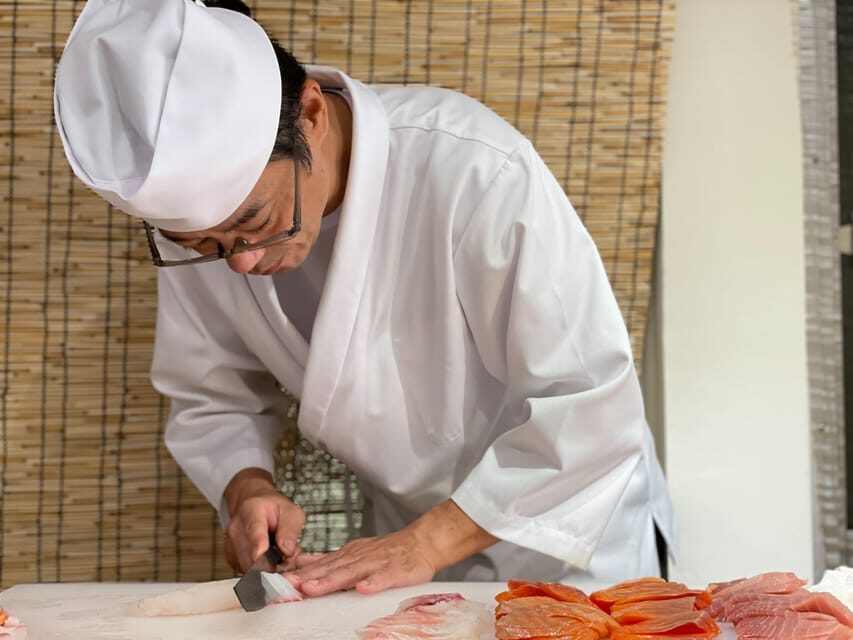
You start with a fish disassembly show by the chef. This is where you see preparation for sushi you’d normally never think about at home. The chef breaks down multiple steps used to prep fish for sushi, and you also get an introduction to Japanese knives—what they’re used for and how that affects the final bite.
This part matters because sushi isn’t just “raw fish plus rice.” It’s planning: cut choice, handling, and timing. When you see fish prep laid out, the rest of the class becomes easier to follow.
Stage 2: Nigiri and rolled sushi, step by step
Next comes instruction on what sushi is, followed by hands-on building. You’ll learn proper steps for nigiri and for rolled sushi (maki).
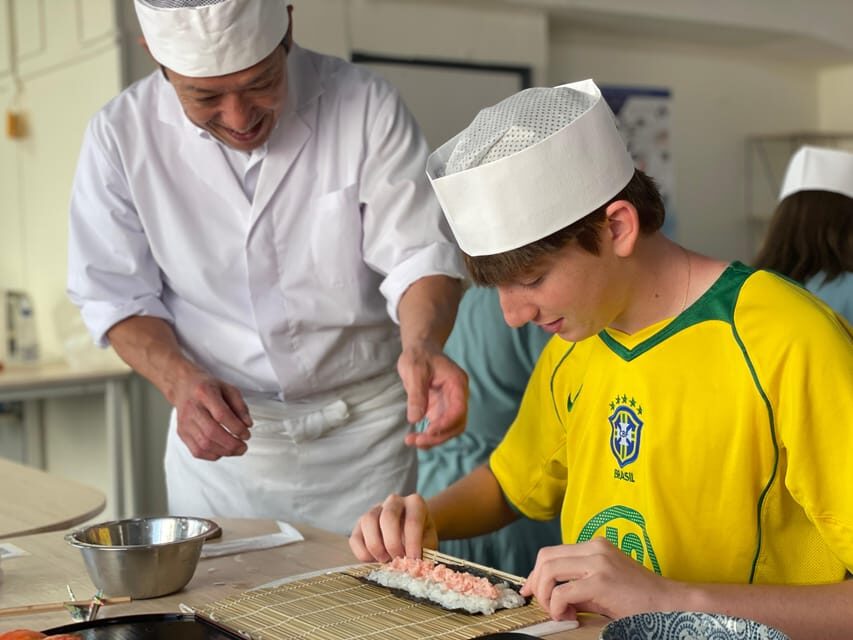
The chef and staff are set up to coach you while you work. Many lessons in Japan are skilled demonstrations. This one pushes you to actually do the work—rice handling, forming, topping placement, and rolling—so you end up with real technique you can repeat later.
Stage 3: Eat your sushi and taste the chef’s version
Finally, it’s time to eat. You’ll enjoy the sushi you make—4 different nigiri sushi and 1 maki sushi—and you’ll also get additional sushi made by the master.
You’ll even see wasabi handled like it matters. Expect traditional dashi soup and the finest green tea as pairings, which makes the meal feel intentional rather than like a reward at the end.
A few more Tokyo tours and experiences worth a look


The Pro Team in Action: English Host Plus Sushi Master
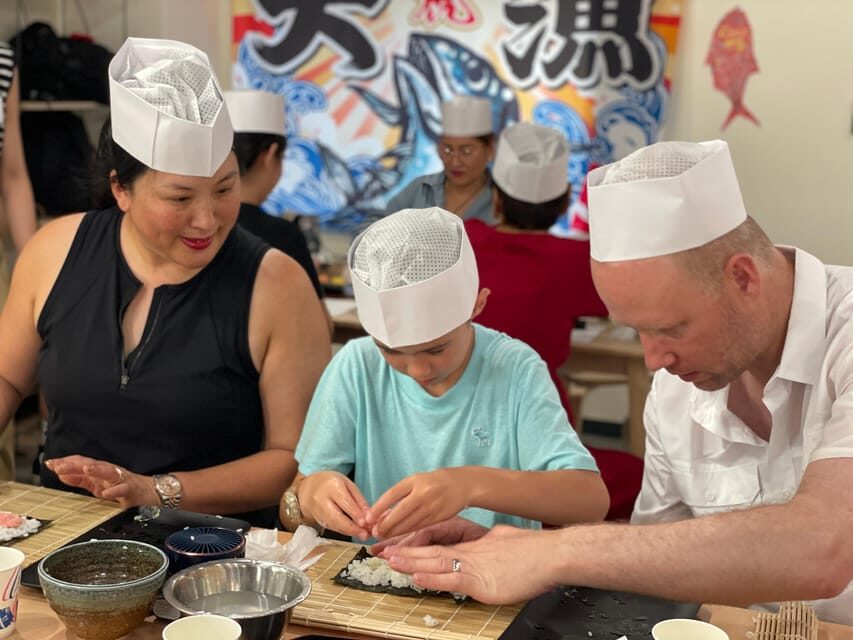
This class doesn’t throw you into a kitchen with a silent chef. It’s led by an English-speaking host who guides you the whole time, paired with a skilled sushi master.
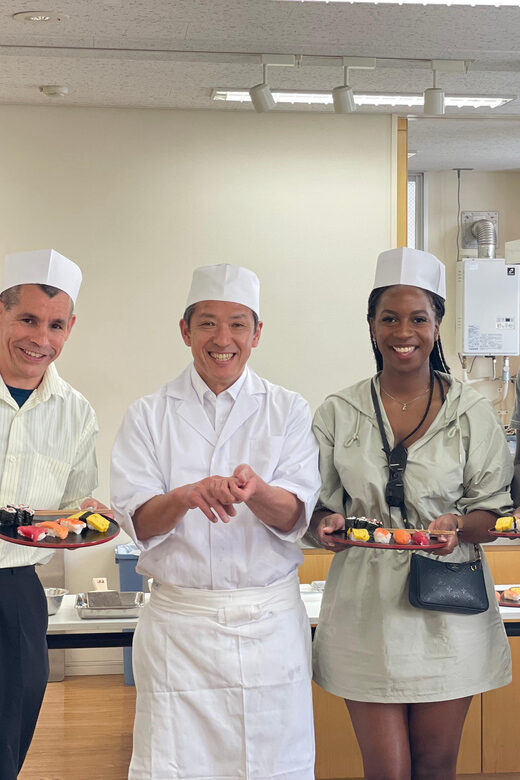
In practice, that means you’re not just guessing while you hold a knife-shaped tool or try to shape rice. The host helps interpret what’s happening, and the chef focuses on technique and correction. In sessions I saw described, hosts like Satoko have been praised for friendliness and market history, while sushi chefs such as Tanaka and Kana/Kate/Koro have been singled out for clear teaching and skill.
Also, don’t expect this to feel like a rigid exam. The tone tends to be friendly and encouraging, with lots of chances to ask questions and get feedback. Even for first-timers, the class is designed to move you from basic steps to confident form.
Fish Disassembly and Knife Basics: Why This Part Makes the Rest Click
The fish prep demonstration is more than a showpiece. It gives you the framework for sushi technique: what prep changes, what the chef looks for, and why certain cuts matter.
You’ll also learn about Japanese knives—what they’re used for and how they relate to making sushi. That sounds technical, but it’s actually useful. Once you understand that cutting is part of the flavor and texture, you stop treating sushi as a mystery you can only eat.
A quick reality check
Your end goal isn’t to become a fish cutter. It’s to understand what the chef is aiming for and to replicate the core moves with the ingredients you’re given.
Making Nigiri: Getting Rice, Shape, and Topping Right
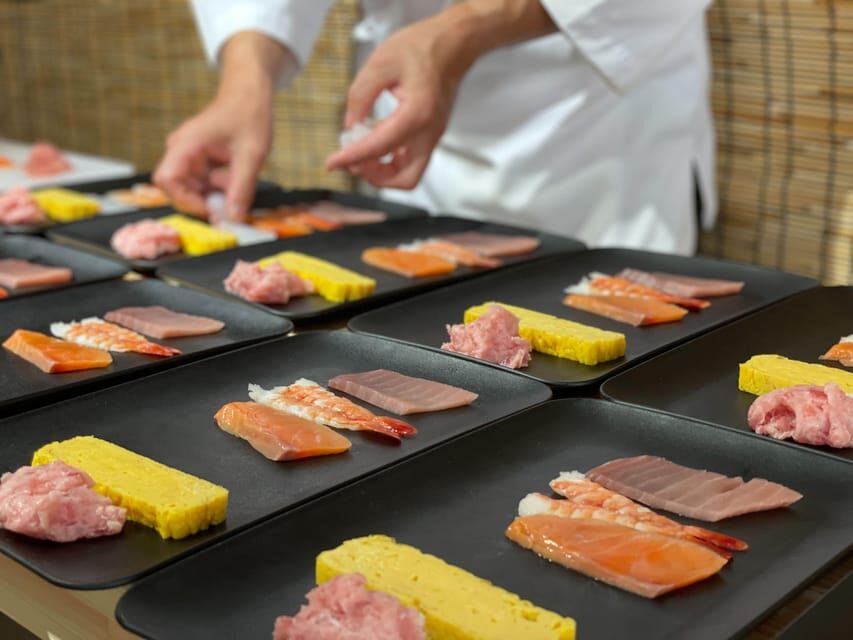
Nigiri is where you feel the craft. You’re working with rice that needs correct texture and handling, and toppings that need careful placement.
In the class format here, you practice the proper steps rather than just copying a finished example. Staff support helps you adjust when something is off—too loose, too tight, or not aligned. You also learn what exact sushi means, so your finished pieces start matching what you see in sushi restaurants.
If you’re a beginner, this is a good place to start because nigiri is direct. You can see cause and effect fast: fix rice, change shape, and the bite improves.
Making Maki Rolls: From Filling to Clean Edges
Rolling sushi is the part most people think they’ll struggle with. That’s why I like that this class includes it.
You’ll work through the proper steps for rolled sushi, using the provided tools and tableware. Rolling is partly technique and partly rhythm: how much filling you use, how evenly you distribute it, and how firm you roll without crushing everything underneath.
Then you eat it, which is the best feedback loop. If your roll falls apart, you learn what to change on the next one. It’s hands-on learning with real consequences—in a good way.
Wasabi, Tea, and Dashi Soup: The Meal Portion Isn’t an Afterthought
A lot of cooking classes end with food that’s fine, but not meaningful. Here, the pairing is part of the experience.
You get traditional dashi soup and green tea to go with your sushi. That pairing also helps you notice flavors you’d miss if you just ate sushi alone. Dashi softens the saltiness and brings balance; green tea keeps your palate from getting stuck.
You’ll also see wasabi treated like a craft. One of the most memorable bits is when the master prepares wasabi fresh, right as you’re about to eat. It’s a small step, but it shows how sushi is built from details, not just ingredients.
You might also see a short ritual or blessing before eating, depending on the session. Either way, the vibe is respectful and grounded.
“$63” Value Check: What You’re Paying For (And Why It Adds Up)
The price is $63 per person, and it’s easiest to judge the value when you count what’s included.
You’re not paying for a demo. You’re paying for:
- Professional instruction (English host plus sushi master)
- Fresh ingredients sourced from the Tsukiji market area
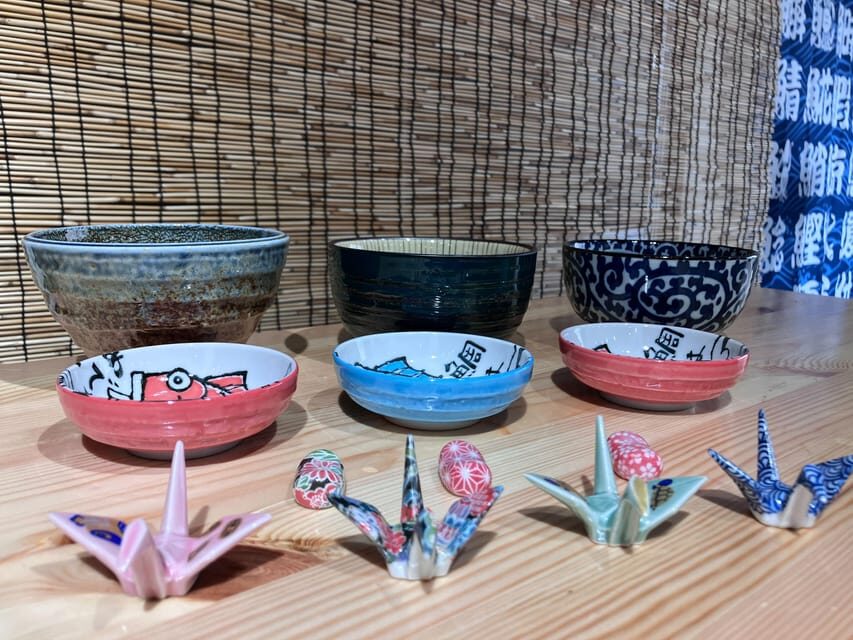
- Proper utensils and tableware for the session
- A full meal portion: 4 nigiri + 1 maki you make
- Extra sushi made by the master
- Tea and soup
- A hat
If you’ve ever done a hands-on class with limited ingredients or only a small tasting at the end, you’ll feel the difference here. You leave with both skills and enough sushi that you’re not hungry afterward.
Also, the Tsukiji setting itself is part of the value. You don’t have to “find sushi culture” somewhere else. You’re learning it in the place where seafood is the main character.
Who This Class Suits Best (And Who Should Rethink It)
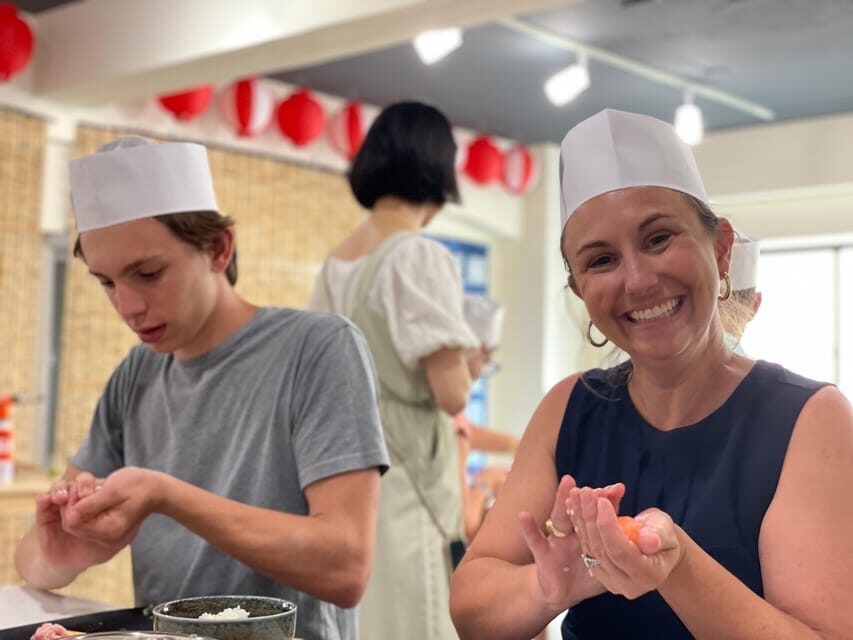
This workshop is family-friendly, but there are clear boundaries.
It’s a great fit if:
- You like hands-on cooking and want instruction you can repeat at home
- You’re curious about the culture and technique behind sushi
- You want a Tsukiji experience that’s more than just sightseeing
It may be a poor fit if:
- You need wheelchair access or mobility support. The classroom is on the third floor with stairs only, and it’s not designed for wheelchair users or mobility impairments.
- You follow diets that aren’t accommodated. The class does not accommodate vegetarian, vegan, halal, or Kosher gluten-free requests.
- You have allergies. The team asks you to let them know when you book, but allergy-related accommodation might not be possible.
If you’re someone who’s nervous about raw fish, don’t assume this class will be intimidating. In the way it’s taught—step by step with chef support—it can be a confidence builder. You’re not just eating; you’re learning what makes it safe and delicious in the first place, at least in the context of the class.
Practical Tips Before You Go
Here’s how to set yourself up for an easy, stress-free class based on the facts you’ve got:
- Bring comfortable shoes. You’ll be climbing stairs to the third-floor classroom.
- Plan your timing carefully if you have an appointment right after. The session may run past the scheduled ending point, so give yourself a buffer.
- Let the team know about allergies up front when you reserve.
- Wear a camera-ready mindset. The class uses proper utensils and tableware, and the setup is designed to be photo-friendly.
Should You Book This Tsukiji Sushi Making Class?
I’d book it if you want a real sushi lesson in the middle of where sushi ingredients come from. The best part is that you’re not just watching. You’re making nigiri and maki, eating what you produce, and tasting extra pieces from the chef—plus dashi soup and tea that actually belong with sushi.
Skip it if stairs are a deal-breaker for you, or if your diet can’t be accommodated. Also, if you’re looking for a guided walk through the market itself, note that market guidance isn’t included—this is primarily a workshop.
If you fall into the middle—curious, hungry to learn, and able to handle stairs—this is strong value for Tokyo. It’s one of those experiences where you leave with memories and with skills.
FAQ
What will I make in the class?
You’ll make 4 different nigiri sushi and 1 maki sushi. You’ll also eat additional sushi made by the chef.
How long is the experience?
The duration can be 90 minutes to 4 hours, depending on the option and starting time available.
Is this taught in English?
Yes. The host and instructor are English-speaking.
What’s included in the price?
The class includes the sushi-making workshop, an English-speaking host, a professional sushi master, fresh ingredients, proper utensils, the sushi you make, additional sushi made by the master, tea and soup, and a hat.
Is guidance through the Tsukiji market included?
No. Guidance through the market isn’t included, though the class is located in the center of the outer market area so you can explore before or after.
Where do I meet for the tour?
The meeting point may vary depending on the option booked, so you’ll need to check your specific booking details.
Is it suitable for kids?
It’s family-friendly, but it’s not suitable for children under 4 years old.
Is it accessible for wheelchair users or people with mobility impairments?
No. The classroom is on the third floor with only stairs, and it does not accommodate wheelchair users or people with mobility impairments.
Are dietary restrictions accommodated?
The class does not accommodate vegetarian, vegan, halal, or Kosher gluten-free requests. You can share allergies when you book, but allergy-related accommodation may not be possible.
Can I cancel or change plans?
There is free cancellation up to 24 hours in advance for a full refund. You can also reserve now and pay later, with pay nothing today.
If you want, tell me your travel dates and whether anyone in your group has mobility needs or dietary restrictions, and I’ll help you figure out the smartest time window to slot this into your Tokyo day.