REVIEW · TOKYO
Tokyo Food Tour Taste Fresh Delights at Tsukiji Market
Book on Viator →Operated by Localized Walking & Food Tours · Bookable on Viator
Tsukiji can overwhelm you in minutes. This small-group Tsukiji Outer Market walk keeps you moving past the worst confusion, and you get 5–8 tastings while your guide, often Keiko, points out what’s going on at the stalls. The only real drawback is simple: it’s an outdoor market, so you’ll want decent weather and a little patience for crowds.
I like that it’s short and focused—about 2 hours 30 minutes—so you can fit it into a busy Tokyo day. You’ll start at the Lawson Tsukiji 4 Chome Store, then your route ends at the Tsukiji Outer Market so you can keep shopping if you want.
In This Review
- Key highlights from this Tsukiji Outer Market food walk
- Tsukiji Outer Market: why a guide matters in a 2.5-hour window
- Price and value: what $90 buys at Tsukiji
- Meeting at Lawson Tsukiji 4 Chome: start location and how the route feels
- Stop inside the Tsukiji Outer Market: sushi, oysters, and the stalls you’d skip
- What you might actually taste (from real dishes people talk about)
- How the guide helps you make sense of it all
- A realistic drawback: lines and crowd energy
- How the tastings work: eating enough, moving at the right pace
- What I’d watch for on your side
- Beyond food: Japanese knife shops and a possible shrine stop
- Who should book this Tsukiji Outer Market food tour?
- Practical tips so you enjoy Tsukiji (instead of just surviving it)
- Should you book? My straight answer
- FAQ
- How long is the Tsukiji Outer Market food tour?
- How much does it cost?
- How many food samples are included?
- Where does the tour start and where does it end?
- How many people are in the group?
- Is public transportation nearby?
- What’s included and what’s not included?
- What happens if the weather is bad?
- Is free cancellation available?
Key highlights from this Tsukiji Outer Market food walk
- Max 12 people keeps the pace human and makes tasting stops feel manageable
- 5–8 included samples cover big hits like sushi and oysters, plus other market-style seafood
- Meet at Lawson Tsukiji 4 Chome so you don’t lose time hunting for a starting point
- Guide navigation through chaos helps you find the good stalls and avoid dead ends
- Optional-feeling add-ons like a Japanese knife shop and even a shrine stop (depending on the day)
- Ends at the Outer Market so you can continue browsing on your own
Tsukiji Outer Market: why a guide matters in a 2.5-hour window
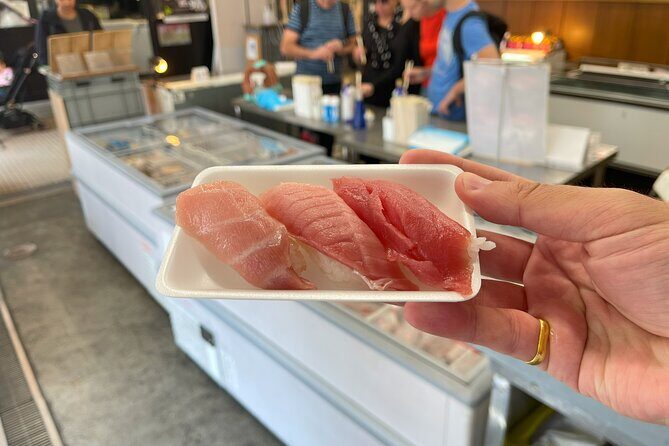
The Tsukiji area is famous enough that the crowd shows up on autopilot. That sounds exciting—until you’re standing in the middle of a maze of signs, stalls, and people who all seem to know where they’re going. This tour is built for that reality.
What I like is the way the guide gives you structure. You’re not just tasting. You’re learning how the market works at human speed: where lines form, how shops think about freshness, and what to notice when you’re looking at seafood (and not just a big pile of it). In several reviews, Keiko is named for being calm and patient, plus good at explaining the history and significance of the stalls you visit.
This also means you don’t have to plan a whole food crawl. In 2.5 hours, you get a guided route plus enough tastings to feel like you experienced the market, not just sampled one snack.
You can also read our reviews of more food & drink experiences in Tokyo
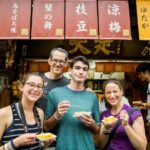

Price and value: what $90 buys at Tsukiji
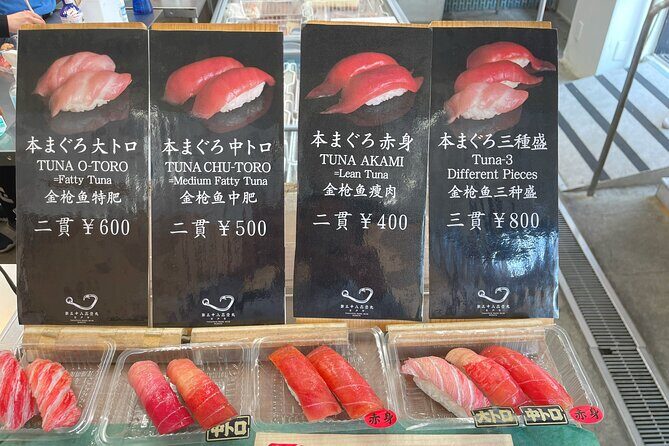
At $90 per person, you’re not paying for a ticket to a museum. You’re paying for access, organization, and multiple tastings in a place where doing it on your own can turn into guesswork.
Here’s how the value shakes out:
- You get around 5–8 food samples included. That matters because Tsukiji can be expensive if you start ordering like a normal restaurant meal.
- Brunch is included. Some people finish the tour with a sit-down-style meal element, and you don’t have to figure out where to go next.
- The guide handles the stop-by-stop purchasing. Multiple reviews mention guides making purchases for the group, which saves time and stress when you’re trying to keep moving through busy lanes.
- Small-group experience (up to 12). That’s not just a comfort perk. Fewer people means you’re more likely to get through each tasting stop without long bottlenecks.
One important consideration: the tour is seafood-focused. You’ll likely eat lots of fish-based items, and while the sampling variety is part of the fun, this isn’t the best fit if you’re trying to avoid seafood entirely.
Meeting at Lawson Tsukiji 4 Chome: start location and how the route feels
The meeting point is clearly set: the Lawson Tsukiji 4 Chome Store (4-chōme-8-1 Tsukiji, Chuo City, Tokyo). Starting at a named convenience store is a smart move in Tokyo, because it gives you a reliable “anchor” when streets look similar and signage is in Japanese first.
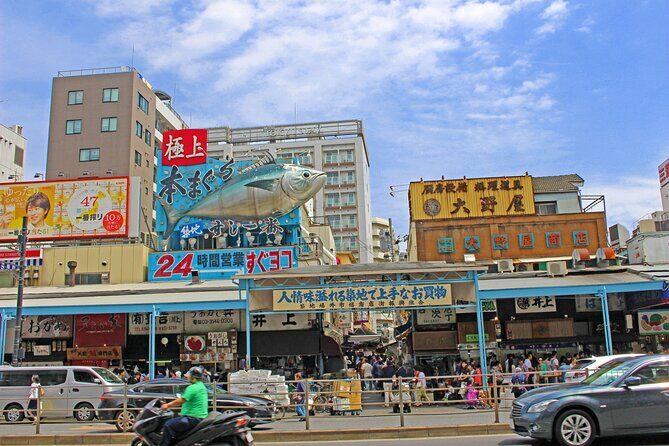
From there, you’ll walk through the Tsukiji Outer Fish Market area on a route that hops between food shops. Expect it to feel like market walking—short stretches, sudden turn-offs, and constant reads of what’s fresh and what’s moving. This is exactly where a guide earns the money. They’re not trying to make it pretty. They’re helping you not get lost.
The tour ends at the Tsukiji Outer Market area so you can keep browsing afterward. That’s a nice bonus. You get the structure up front, then freedom at the end.
Stop inside the Tsukiji Outer Market: sushi, oysters, and the stalls you’d skip
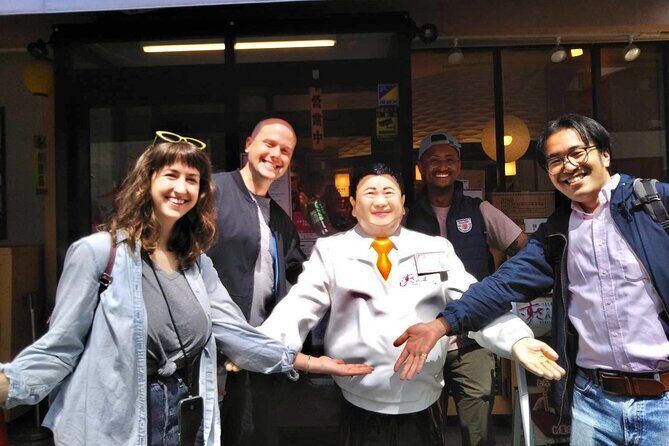
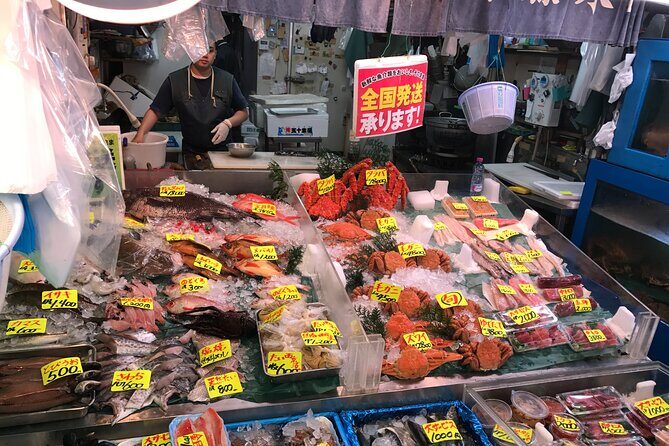
This experience centers on the Tsukiji Fish Market / Outer Market area and the tasting route inside it. The core promise is simple: you’ll try seafood and learn what you’re seeing while you go.
What you might actually taste (from real dishes people talk about)
Across the tastings mentioned, the standout theme is classic market items and items that feel harder to pick on your own. Depending on what’s available that day and what the group chooses, you may encounter dishes like:
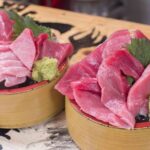
- sushi (including very fresh tuna described as a highlight)
- oysters
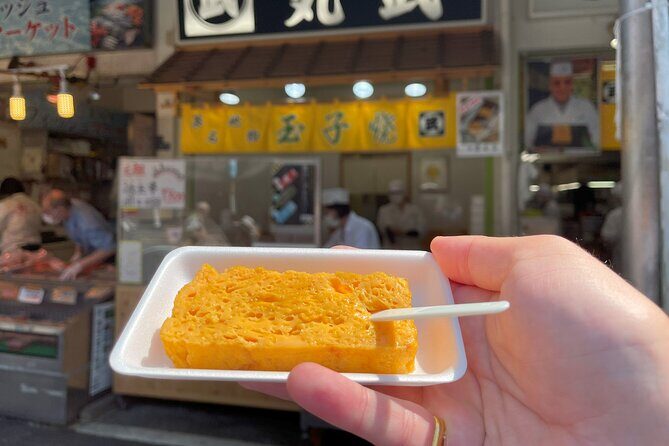
- tamago (a sweet-savory egg custard style you’ll likely see in Japanese markets)
- miso cod
- puffer fish
- ice cream
- black tea described as tasting like vanilla
Even if you’ve eaten sushi before, Tsukiji’s strength is that you’re tasting in the context of how the market operates. The guide helps you understand why one stall’s style makes sense and why certain fish are treated differently.
A few more Tokyo tours and experiences worth a look



How the guide helps you make sense of it all
What turns tastings into an experience is the explanation. In reviews, Keiko is specifically praised for explaining the history and significance of the stalls visited, and for being patient while answering questions about Japanese culture and food.
That matters because Tsukiji is more than a food court. It’s a working environment. If you go in cold, you might focus only on what looks good in front of you. With a guide, you learn how shops think and why certain items show up in certain places.
A realistic drawback: lines and crowd energy
Tsukiji is popular. Even with a guide, you’re going to experience crowd flow—lines, signs, and people turning the same corners at the same time. One reviewer even calls it a chaotic swirl and credits the guide for taming it. That’s your expectation-setting piece. If you hate crowds, this might still feel intense, even though you’ll be walking with a plan.
How the tastings work: eating enough, moving at the right pace
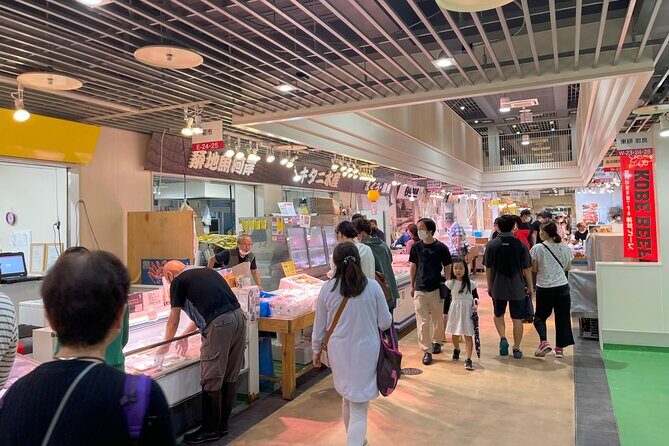
This is a “come hungry” type of tour. The included sample count is typically 5–8 tastings, plus brunch. That’s enough food to feel like a full meal day plan, not a light snack session.
You also shouldn’t expect the tour to feel like one long standing-in-line moment. Multiple reviews mention that the guide secured places for tastings and made sure the group could try different foods rather than just the easiest items. That’s a big difference from wandering solo.
What I’d watch for on your side
The market rewards attention, not speed. Here’s how to make it work for you:
- Go with an open mind about seafood variety. You may see items you haven’t had before.
- Stay flexible on what you try. Some guides adjust based on likes and dislikes, and that’s part of the value of having a real route instead of a generic checklist.
- Plan your water and your appetite. This isn’t a “taste one bite” tour. It’s multiple samples plus brunch, so you’ll want to pace yourself.
Beyond food: Japanese knife shops and a possible shrine stop
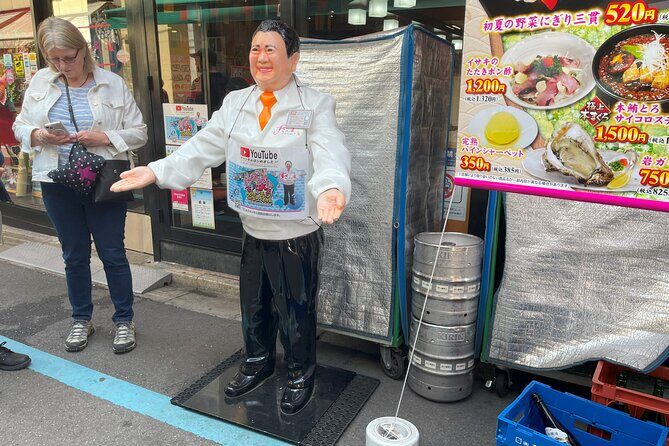
Tsukiji isn’t only about eating. One of the most fun details mentioned in reviews is a stop at a Japanese knife store late in the tour. That adds a layer of culture that food-only walks often miss: the tools behind the cooking craft.
Some reviews also mention enjoying a shrine visit as part of the outing. That doesn’t mean every day runs the same, but it does suggest the guide may sometimes add a cultural stop that helps you connect the market setting to Japanese everyday traditions.
If you like markets that feel like places with purpose—not just photo backdrops—these add-ons help a lot.
Who should book this Tsukiji Outer Market food tour?
This tour is a strong fit if you match any of these:
- You want an easy way to understand Japanese market life without translating every sign yourself.
- You enjoy seafood and want to taste more than one or two standard items.
- You want a short, efficient plan that won’t steal half your day.
- You prefer small-group attention—max 12—and a guide who can respond to questions.
It also comes across as family-friendly in the reviews, including mentions of adults and kids enjoying the pacing. If you’re traveling with children, the guide’s job is to keep the group moving while making the stops understandable, and reviews specifically mention that kind of adaptability.
The biggest reason to skip: if crowds make you miserable, or if you can’t do seafood-based sampling.
Practical tips so you enjoy Tsukiji (instead of just surviving it)
A few grounded tips will make your morning smoother:
- Wear solid shoes. You’re walking through market streets and tight lanes.
- Come hungry. 5–8 samples plus brunch is the point.
- Check the weather plan. This experience requires good weather, and if it’s canceled due to poor conditions, you’ll be offered a different date or a full refund.
- Use public transit on your own. Private transportation isn’t included.
- Use the mobile ticket. You’ll have a mobile ticket, which is helpful when you’re bouncing between stops.
- If you have questions about food preferences, speak up early. Reviews mention guides customizing based on group likes and dislikes.
Also note: service animals are allowed, and most people can participate. If you have specific mobility needs, it’s worth thinking about your own comfort with crowds and walking time.
Should you book? My straight answer
Book it if you want a structured, food-first Tsukiji experience that helps you avoid getting lost and maximizes what you can try in one short outing. At $90 with multiple included tastings and brunch, it’s priced like something you’d rather not DIY in a busy market.
Skip it if you’re seafood-shy, hate crowds, or you prefer wandering without a schedule. Tsukiji is famous, but it’s not calm. This tour is designed to manage that reality, not erase it.
If you do book, go in with the right mindset: you’re there to learn through taste, and you’ll get more out of the stalls when you let the guide set the route.
FAQ
How long is the Tsukiji Outer Market food tour?
The tour runs about 2 hours 30 minutes (approx.).
How much does it cost?
It costs $90.00 per person.
How many food samples are included?
Around 5–8 food samples are included, plus brunch.
Where does the tour start and where does it end?
It starts at the Lawson Tsukiji 4 Chome Store and ends at the Tsukiji Outer Market so you can continue shopping after the tour.
How many people are in the group?
The tour has a maximum of 12 travelers.
Is public transportation nearby?
Yes, it is near public transportation.
What’s included and what’s not included?
Admission ticket is free, and brunch is included. Private transportation is not included.
What happens if the weather is bad?
This experience requires good weather. If it’s canceled due to poor weather, you’ll be offered a different date or a full refund.
Is free cancellation available?
Yes. You can cancel up to 24 hours in advance for a full refund.