REVIEW · TOKYO
Tsukiji Fish Market Small-Group Food Walking Tour
Book on Viator →Operated by MagicalTrip Inc. · Bookable on Viator
Fresh seafood starts with a short walk. The Tsukiji Fish Market Small-Group Food Walking Tour mixes seafood lunch with temple and shrine stops, so you see the market as more than just places to snack. I like the way the pace feels tight enough to cover lots of stalls, but not so rushed that you miss the little moments—like reading stall displays and figuring out what to order.
One thing to go in knowing: Tsukiji’s inner wholesale action moved to Toyosu, so you’re here for Outer Market life and nearby wet-market atmosphere, not the old auction floor.
In This Review
- Quick hits on the Tsukiji food walk
- Why Tsukiji still matters, even if the “old” market changed
- Getting oriented: meeting near Tsukiji Station, walking for about 3 hours
- Outer Market flavor stop: Tsukiji Eki mae and the included seafood lunch
- Old Tsukiji Market: tastings, religious sights, and that Tokyo-bay break
- Jogai Market lanes: hunting fresh seafood snacks and keeping your energy up
- What you’ll eat: tastings, portions, and how picky eaters should plan
- Price and value: is $87.37 worth it for 3 hours?
- Small-group advantage: what max 7 really changes
- When to skip, and when you should book
- Should you book the Tsukiji Fish Market food walking tour?
- FAQ
- How long is the Tsukiji Fish Market Small-Group Food Walking Tour?
- Where does the tour start?
- Where does the tour end?
- Is lunch included?
- What can I expect at the market stops?
- Are vegan options available?
- Can the tour accommodate allergies or dietary restrictions?
- How many people are in the group?
- What should I bring in summer?
- How does cancellation work?
Quick hits on the Tsukiji food walk
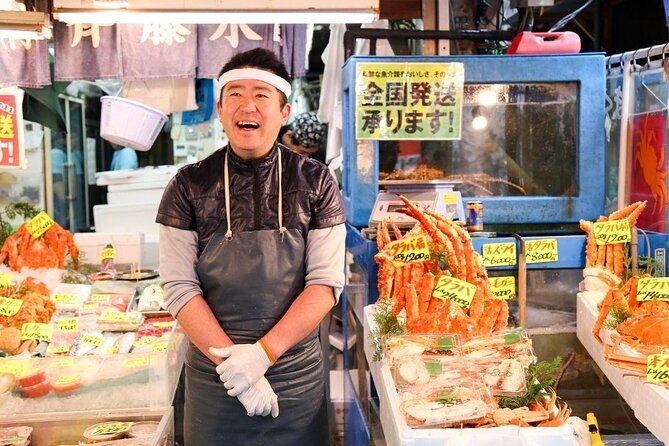
- Seafood lunch included in a sit-down stop, so you’re not stuck grazing only
- Tastings at several shops and stalls, not just one “sample station”
- Buddhist temple + Shinto shrine moments that add context to what you’re eating
- Tokyo Bay viewpoint included, giving you a breather from the tight lanes
- Max 7 travelers, which matters when you’re making choices at crowded counters
- Outer Market focus (the working seafood world is still here, just not the old wholesale auction)
Why Tsukiji still matters, even if the “old” market changed
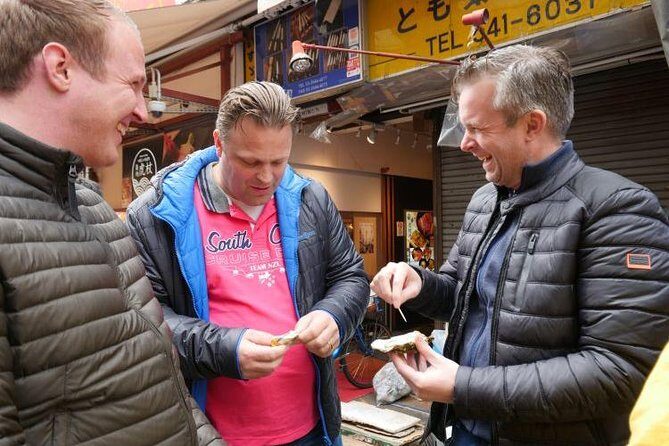
Tsukiji is famous for a reason: seafood is serious business here. You’ll feel it in the scale of the area, the nonstop movement around counters, and the way vendors talk about cuts and freshness like it’s everyday language.
What you should adjust in your head is the meaning of Tsukiji now. The old inner wholesale market moved to Toyosu, so this tour leans into the Tsukiji Outer Market and surrounding seafood energy instead of promising the historic auction experience.
For me, that’s still a win. The Outer Market is where you can taste your way through Japanese seafood culture while also mixing in religious and cultural stops that explain how this place fits into daily life.
You can also read our reviews of more walking tours in Tokyo

Getting oriented: meeting near Tsukiji Station, walking for about 3 hours
The tour starts at Tsukiji Station (Exit 1). Your guide is meant to be waiting there, which is a big deal when you’re arriving early and the station exits can feel like a maze.
The total time is about 3 hours, and that pacing works well if you want a morning (or early part of the day) that’s active but not exhausting. You’ll spend most of the time on foot in narrow areas where you’ll naturally slow down—so the schedule feels realistic.
You also end in a different spot than you start: near Shiodome Tower. That’s helpful because it gives you an easy springboard into the rest of your Tokyo day without needing to backtrack the whole route.
Outer Market flavor stop: Tsukiji Eki mae and the included seafood lunch
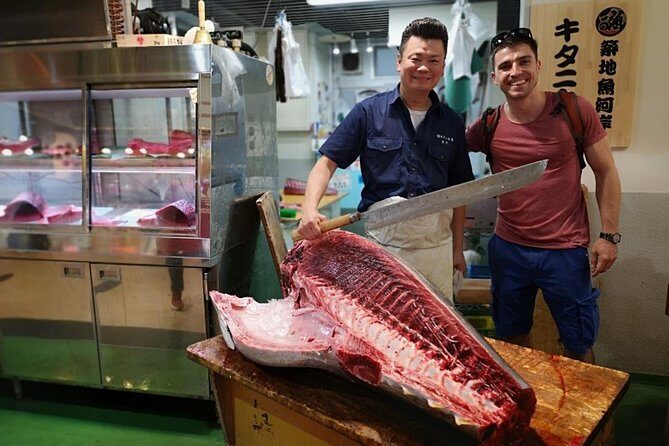
Your first chunk of time is around Tsukiji Eki mae, and the emphasis is on food right away. This is where you’ll start tasting and get your bearings fast—what to look for, how Japanese stall ordering tends to work, and what kinds of seafood are showing up that morning.
Then comes the part that makes the tour feel like more than a snack walk: a fresh seafood lunch is included. In reviews, people often mention sitting down and getting real food, not only tiny bites. Some guests even note that they could choose what they wanted for the sit-down meal, which helps if you’re picky about seafood types or textures.
Practical tip: Tokyo markets reward people who arrive with an appetite and a willingness to try small things first. The lunch isn’t just “included,” it’s what keeps the tour satisfying if you’re the type who gets grumpy on half-meals.
Potential drawback to factor in: the market can be crowded, and some spots can have long lines depending on the day and timing. If you hit a bottleneck, your guide’s job is to keep you moving to alternatives—some reviews mention that substitutions or timing decisions can affect how many samples you feel you get.
Old Tsukiji Market: tastings, religious sights, and that Tokyo-bay break
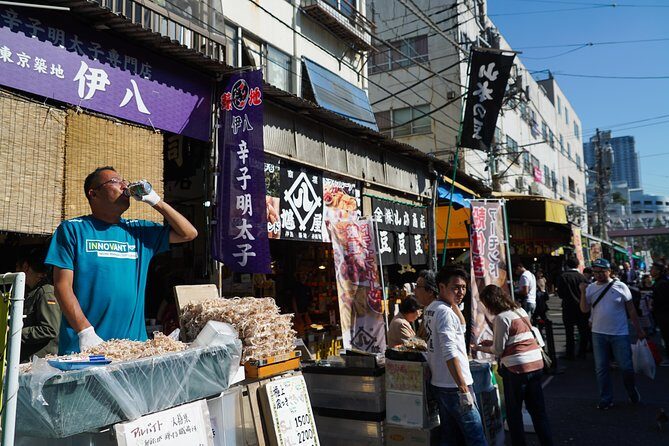
As the walk continues, you move into the area often described as the Old Tsukiji Market. This is where the tour adds its cultural layer, not just food.
Here’s what you can expect:
- Food sampling at multiple stops for seafood and local snacks
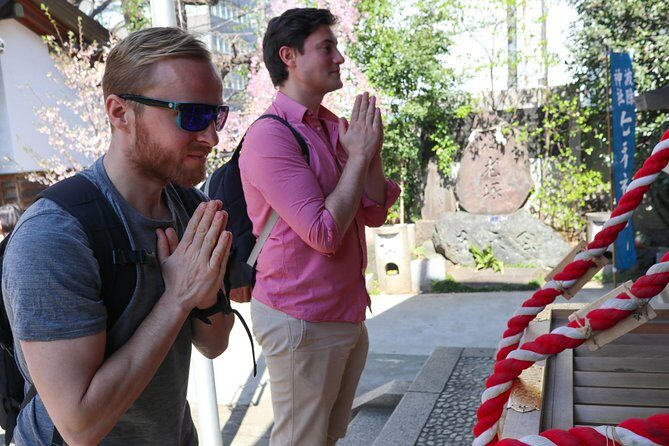
- A Buddhist temple experience and a Shinto shrine visit
- Time built in for history and religion context related to Japan
- A stop for a view over Tokyo Bay
That mix is exactly why the tour is worth it for more than hardcore seafood fans. The market is intense, and the religious stops give you a mental reset: you slow down, observe, and learn how these spaces connect to Japanese everyday rhythm and respect for place.
One review also called out how helpful the guide was in connecting history before food tastings. If you learn better by context, you’ll likely enjoy this structure. If you mainly want to eat fast, you might prefer the tour is mostly food—still, the temple/shrine pieces are short enough that they don’t feel like a detour.
Watch-out: the lanes can feel extremely tight. You may see signs telling people not to stop and eat in certain spots. It’s normal—just know that your “eating moments” are meant to happen at the stalls and approved areas, not while standing in the flow of foot traffic.
Jogai Market lanes: hunting fresh seafood snacks and keeping your energy up
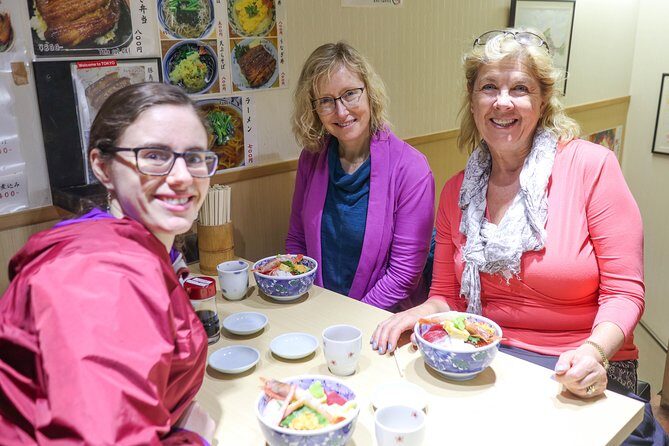
The tour’s later part focuses on the Tsukiji Jogai Market, where you keep tasting as you move through more lively market stretches. This is the stage that feels like the fun “hunt” portion—following what you see, what smells good, and what the guide recommends based on the market’s day-to-day offerings.
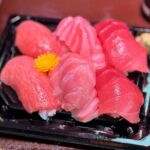
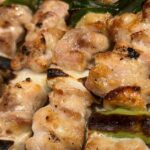
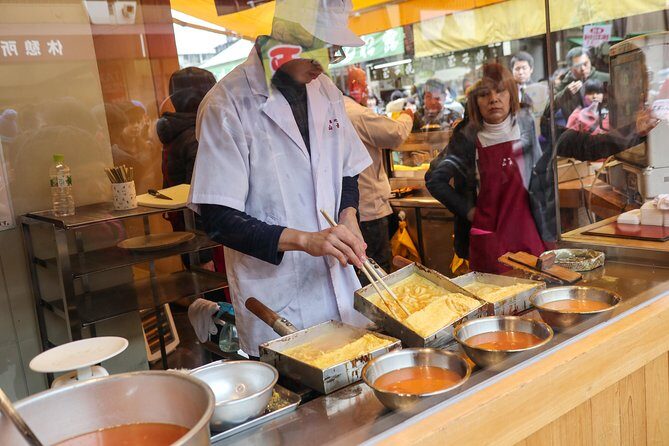
You’ll be back in snack mode again, and reviews mention a wide range of seafood-related items like sushi and tamagoyaki, plus cooked seafood bites such as grilled eel and items like scallops on a stick. A few guests also mention larger items (like crab legs), which suggests the lunch plus the tastings can add up to a full-food morning if you’re hungry.
How to handle the tight crowds: keep your pace steady and let the guide manage the turns and timing. With max 7 travelers, you’re not stuck in a school-bus line behind dozens of people, which makes it easier to keep the flow.
One small consideration: if you’re expecting a single “one perfect tasting” at every stop, you might feel differently. One critical review pointed out that a long line at a planned stall affected the plan, and the tour ended up delivering fewer or different samples than expected. In real markets, that can happen, so go with flexibility.
You can also read our reviews of more food & drink experiences in Tokyo


What you’ll eat: tastings, portions, and how picky eaters should plan
The tour is built around samples at several local shops and stalls, plus the sit-down seafood lunch. Reviews commonly mention that it’s more than just two or three tiny bites—some people describe trying several bigger items alongside small snacks.
Here’s what helps set expectations:
- You’ll likely get a mix of raw and cooked seafood items depending on the day’s selections.
- You’ll have some guidance on what to order and when.
- The tour is designed to keep you fed, not merely “tasting.”
Allergy and diet reality check (important): the tour notes that it can’t guarantee allergy-free food and that kitchens involved do not belong to the tour operator. That means cross-contact risk can’t be ruled out. Also, vegan options are not available, and substitutions may not always work at every stop—though the tour states they’ll try to compensate at other stops.
Now, the good news. One review specifically mentions a guest with coeliac needs, and the guide went out of their way to provide appropriate options with a substitute or slight change. That doesn’t turn it into an allergy guarantee, but it does show the guides can be practical when they’re working with real constraints.
If you have dietary limits:
- Tell the team clearly when you book.
- Ask questions early during the tour.
- Be ready to adjust what you eat based on what each stall can safely do.
Price and value: is $87.37 worth it for 3 hours?
At $87.37 per person for about 3 hours, you’re paying for three things: guided access in a maze of stalls, multiple tastings, and that included seafood lunch.
Is it “cheap”? No. But the value depends on how you travel:
- If you’d otherwise wander Tsukiji alone and still want a structured food plan, this saves you time and decision fatigue.
- If you like understanding what you’re eating, the temple/shrine and market context makes the tour feel more complete than a plain self-guided hunt.
- If you’re the type who gets tired of searching for places that will feed you, the lunch included portion helps justify the price.
Also consider group size. With a maximum of 7, you get a more personal experience than the big bus crowds. That matters in markets where you’re negotiating lines, narrow aisles, and quick decision points.
My advice on value: treat this as a morning activity you couldn’t easily recreate well on your own unless you’re comfortable planning food stops and tolerating market chaos. If that sounds like you, you’ll likely feel you got your money’s worth.
Small-group advantage: what max 7 really changes
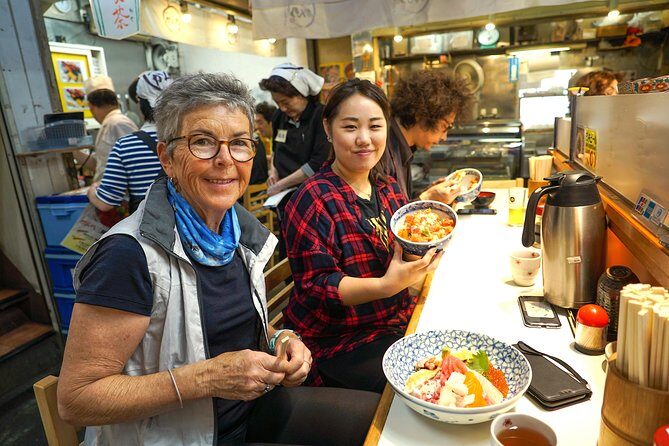
In crowded places, group size is everything. With up to 7 travelers, you’re less likely to get lost and more likely to get quick help when you’re deciding what to try.
It also affects the way guides can steer the group:
- Faster re-routing if a stall line is too long
- More time for short explanations
- Less waiting around for the slowest member to catch up
- Easier moments for asking questions without shouting
Reviews mention guides by name—Hitomi, Yuki, Mark, Kazu, Tiger, and others. The best ones seem to do two jobs at once: make sure you eat well and keep you oriented in a place that can feel overwhelming.
One caution: not every tour experience will hit the same note. One review complained about limited explanation and only a couple samples. That’s not the norm in the high rating, but it’s a reminder that food walking tours depend heavily on the guide’s flow and how the market is behaving that morning.
When to skip, and when you should book
This tour is a strong fit if you:
- Love seafood and want an organized way to try a range of items
- Prefer guided context over wandering and guessing
- Want a mix of food plus culture, including a Buddhist temple and Shinto shrine
- Want a manageable walking experience at about 3 hours
You might skip or choose a different style if you:
- Need strict vegan options (none are available)
- Rely on a strict allergy-free guarantee (the tour can’t provide one)
- Expect the old inner wholesale auction floor experience (that’s not what you’re walking through)
If you’re visiting in summer, plan for heat. The tour specifically warns that Japan can be very hot and humid, so bring water and wear a hat to reduce heat-stroke risk.
Should you book the Tsukiji Fish Market food walking tour?
If you want Tsukiji food culture without spending your whole morning guessing what to eat, I’d book it. The combination of Outer Market sampling, an included seafood lunch, and the temple/shrine + Tokyo Bay view package makes it feel like a thoughtful morning, not just a checklist of bites.
Book it with the right expectations: it’s not a redo of the old inner wholesale auction floor. And if you have strong dietary or allergy needs, treat this as a “tell us and we’ll try” situation rather than a guaranteed safe meal plan.
If that sounds workable for you, this is one of the better ways to experience Tsukiji—small-group pace, real market energy, and food that keeps you satisfied.
FAQ
How long is the Tsukiji Fish Market Small-Group Food Walking Tour?
It’s approximately 3 hours.
Where does the tour start?
You meet at Tsukiji Station, Exit 1.
Where does the tour end?
It ends near Shiodome Tower in Higashishinbashi (1-chōme-6-3).
Is lunch included?
Yes. A fresh seafood lunch is included.
What can I expect at the market stops?
You’ll eat around the market and do food sampling at several local shops and stalls.
Are vegan options available?
No. Vegan options are not available on this tour.
Can the tour accommodate allergies or dietary restrictions?
The tour states it cannot guarantee allergy-free food or that it can fully cater to dietary restrictions, since food is prepared in kitchens that do not belong to MagicalTrip. Substitutions may not be possible at every stop, though efforts are made to compensate elsewhere.
How many people are in the group?
Maximum group size is 7 travelers.
What should I bring in summer?
Bring water and wear a hat due to the hot and humid conditions.
How does cancellation work?
Free cancellation is allowed up to 24 hours in advance for a full refund.