REVIEW · TOKYO
Tokyo: Sushi and Ramen Cooking Class with Sake Pairing Set
Book on GetYourGuide →Operated by Sushi Making Japan | Cooking Class in Japan · Bookable on GetYourGuide
Sushi and ramen in one afternoon beats takeout. This small-group Tokyo cooking class in Tsukishima pairs hands-on cooking with a sake tasting, so you’re learning techniques and tasting the result right away. You make both ramen (including chashu) and nigiri sushi, then take home a recipe booklet and chopsticks.
I love the focus on ramen broth and nigiri sushi skills you can actually repeat at home. The instruction is English-friendly, and the class setup is meant for you to work hands-on with personalized guidance from instructors such as Sato, Haruko, and Risa (and other English-speaking team members named in reviews like Alisa, Alex, Misa, and Luna).
One consideration: this isn’t suitable for vegans or vegetarians. You’ll be working with dishes that include pork (chashu), so it’s best if you eat meat.
In This Review
- Key things that make this class worth your time
- Getting to HAUS Tsukishima: your start point in Tokyo
- What you cook in 3 hours: ramen soup and chashu, then nigiri
- Ramen workshop: building rich broth and cooking chashu
- Nigiri workshop: the delicate art of hand-forming sushi
- The instructors and the atmosphere: warm, hands-on, and geared for questions
- How the sake tasting fits in without turning the class into a party
- What you eat and why you’ll remember it longer than a normal meal
- Ingredients, timing, and small-group attention: where the class gets practical
- Price check: is $129 good value for this Tokyo food experience?
- Who should book this class, and who should skip it
- Should you book this Tokyo sushi and ramen cooking class?
- FAQ
- How long is the Tokyo sushi and ramen cooking class?
- Where is the meeting point?
- What’s included in the experience?
- Is hotel pickup or drop-off included?
- Does the class include sake tasting?
- Is this class suitable for vegans or vegetarians?
- What do I get to take home?
Key things that make this class worth your time
- Small group size: limited to 8 participants, often feeling intimate and easy to ask questions
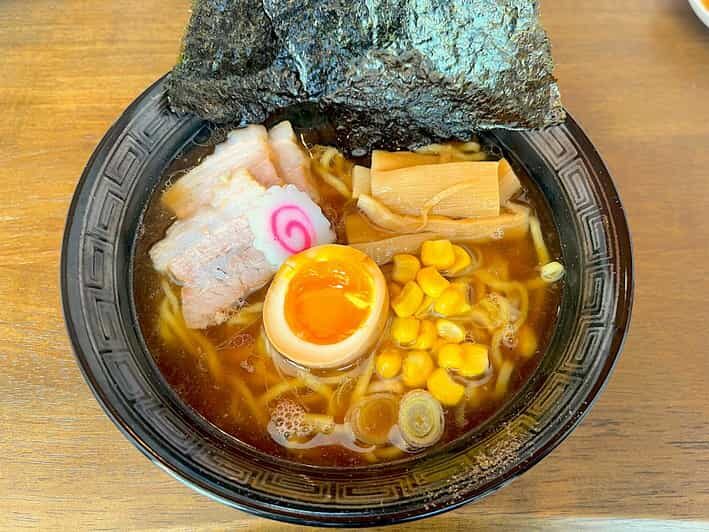
- Ramen from scratch: learn how to build flavorful broth and cook chashu pork belly
- Nigiri practice: hand-form nigiri sushi using provided ingredients and tools
- Three sake tastings: selected by a certified sake sommelier
- Take-home extras: professionally designed recipe booklet plus souvenir chopsticks
- English-speaking instruction: Japanese instructors guide you step-by-step
Getting to HAUS Tsukishima: your start point in Tokyo
You’ll meet at HAUS Tsukishima (2nd floor), at 2-13-5 Tsukuda, Chuo-ku, Tokyo 104-0051. It’s a short walk from Exit 4 of Tsukishima Station (Y21), and the meeting point is easy to reach by taxi too.
Why I like this meeting setup: you’re not stuck chasing a van pickup or coordinating a complicated itinerary. You just show up, get oriented, and start cooking. Since the class asks you to arrive about 5 minutes early, build in a little buffer so you’re not flustered when you climb to the 2nd floor.
No hotel pickup or drop-off means you’ll be fully on your own for getting there and back. The trade-off is flexibility and typically faster coordination once you arrive—especially helpful in a city like Tokyo where traffic timing can be unpredictable.
You can also read our reviews of more food & drink experiences in Tokyo


What you cook in 3 hours: ramen soup and chashu, then nigiri
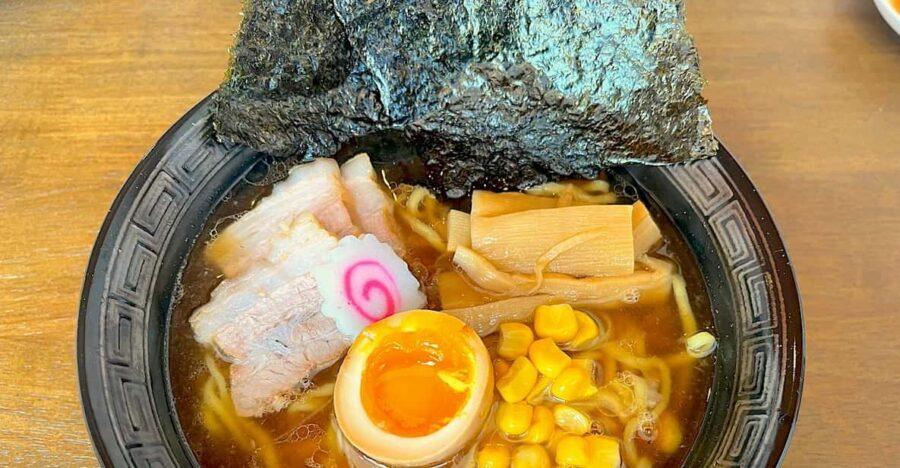
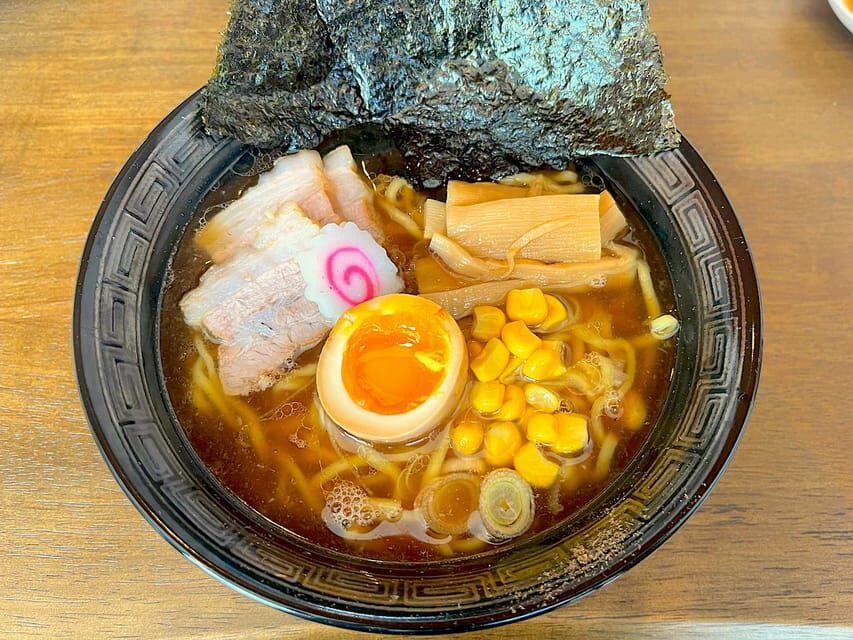
This is a true cooking class, not a tasting tour with a side of watching. The core promise is that you’ll learn to make ramen from scratch and also shape nigiri sushi during the same 3-hour session.
Ramen workshop: building rich broth and cooking chashu
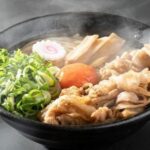
You’ll get authentic ramen-making guidance, including how to create flavorful ramen soup from scratch. The class also focuses on chashu, a type of pork belly that turns tender and flavorful when handled correctly.
Even if you’ve never cooked ramen before, the structure matters. You’re not just eating a bowl and calling it a day. You learn what goes into making a broth that tastes “ramen” instead of just warm soup. And you learn the chashu technique concept—how to end up with that melt-in-your-mouth result the dish is known for.
One thing I find smart in this kind of format: they’re teaching ramen as a system. Broth matters, but chashu matters too. When both pieces come together, your finished bowl tastes like you built it on purpose.
Nigiri workshop: the delicate art of hand-forming sushi
Next you shift to sushi, specifically nigiri sushi. You’ll learn the origins of sushi at a level that’s practical—enough to give meaning to the technique—then you practice the actual shaping.
Nigiri can look simple, but it’s all about feel: rice texture, firmness, and how you place the topping. In this class, you’ll use provided ingredients and tools so you can focus on technique instead of scrambling for supplies. If you’ve only ever eaten sushi with zero understanding of how it’s made, this part is a fast way to change that.
The biggest payoff here is confidence. Once you’ve shaped nigiri with guidance, you’ll have a reference point for why some sushi tastes more balanced than others—rice temperature and handling are often the difference.
The instructors and the atmosphere: warm, hands-on, and geared for questions
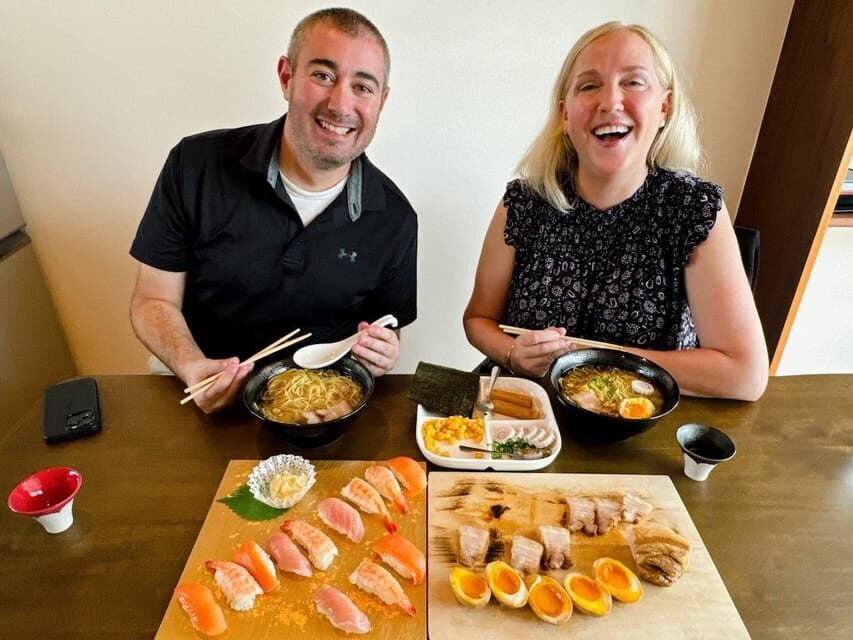
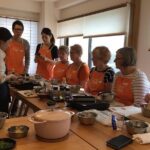
This class is designed for a fun, welcoming atmosphere with personalized instruction. That word—personalized—isn’t fluff here. The class is limited to about four participants in some cases and capped at 8, which usually means you’re not shouting questions across a room.
In reviews, names like Sato, Haruko, Risa, Alisa, Alex, Misa, and Luna come up repeatedly. The consistent theme is clear: instructors make the experience feel human and supportive, not like you’re being processed through a demo.
Also, the pacing seems intentional. Some class steps may be completed ahead of time to fit everything into the 3 hours. That’s a good thing. You still get hands-on practice, but you’re not spending your whole session standing around waiting for a pot to finish its life story.
Wear comfortable clothes you don’t mind getting a bit dirty. That’s not just a polite warning. When you’re making ramen and shaping sushi, you’ll want freedom to move without worrying about every splash or rice grain.
You can also read our reviews of more cooking classes in Tokyo



How the sake tasting fits in without turning the class into a party
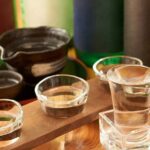
You get a curated sake tasting: three premium Japanese sakes, selected by a certified sake sommelier. That’s a meaningful add-on because sake can be confusing if you only ever see it on restaurant menus.
A good pairing class does two things:
1) It gives you tasting structure, so you can notice differences.
2) It helps you connect flavors to food choices.
Here, you’re drinking while you’re also cooking and eating what you make. That matters because the flavor comparisons feel immediate instead of abstract. When you taste three different sakes in the same session as ramen and nigiri, you start building a personal sense of what works.
Some reviews also mention beer alongside sake. Even if your main focus is sake, that variety helps you find what you like without committing to one track from the start.
What you eat and why you’ll remember it longer than a normal meal
The class isn’t just technique practice—it ends with you enjoying the food you make. You’ll end up with ramen and nigiri from your own hands, not just a sample plate.
That’s the core value. Tokyo has plenty of places to eat sushi and ramen. This class changes the story because you experience the dish as a process. When you taste your own ramen broth result or your own nigiri shapes, you’re linking flavor to method.
You’ll also receive a professionally designed recipe booklet, with detailed instructions for recreating ramen, gyoza, and sushi at home. That booklet turns the experience into a skill you can keep practicing, instead of something you only remember when you spot pork belly or see nigiri on a menu.
Ingredients, timing, and small-group attention: where the class gets practical
The class includes all necessary ingredients, so you won’t spend your prep time hunting for specialty items. And because the instruction is English-speaking, you spend energy cooking instead of translating cooking steps in your head.
Another practical point: ingredients quality. Reviews mention that the team brings fresh ingredients from the Toyous market, which lines up with what you want in a class like this. Better ingredients make it easier to learn. If your raw materials are strong, your technique has a fair chance to shine.
Timing-wise, the 3 hours is short enough that you stay focused, but long enough to feel like you finished something real. You’re not stuck on a single dish for the entire session. You leave with both ramen and nigiri skills, plus take-home instructions to reinforce what you learned.
Price check: is $129 good value for this Tokyo food experience?
At $129 per person for a 3-hour class, you’re paying for more than just food. You’re paying for:
- instructor time and step-by-step coaching
- all ingredients
- sake tasting of three premium sakes
- a take-home recipe booklet
- souvenir chopsticks
In a city like Tokyo, a class where you can eat what you made plus drink curated sake starts to feel reasonable. Especially when you consider that you’re getting two “big Tokyo foods” in one session: ramen and nigiri sushi.
The best value signal for me is what you’re actually learning. If you walk out with technique—broth and chashu for ramen, plus hand-forming nigiri—this becomes an activity you can replay at home. And since the booklet also covers gyoza, you get extra kitchen mileage beyond the dishes made in class.
If you’re only looking for a quick snack, it’s probably more money than you need. But if you want a hands-on food memory you can repeat, the price fits the experience.
Who should book this class, and who should skip it

This is a great fit if you want a first-time-friendly but skill-building Tokyo activity. The format works well whether you’re new to cooking or you just want better technique with real guidance.
It also suits couples and small groups because of the class size. Reviews describe moments where the group felt intimate, even with only a couple of participants in some cases. That’s the kind of setup where you can actually ask questions without feeling rushed.
This class is not suitable for vegans or vegetarians. Since it includes ramen with chashu (pork belly) and related components, it’s built around meat. If you avoid pork or animal products for dietary reasons, you’ll want to choose a different cooking experience.
For anyone short on time, it’s still a good choice. Three hours is long enough to learn something real, but short enough to fit into most Tokyo itineraries.
Should you book this Tokyo sushi and ramen cooking class?
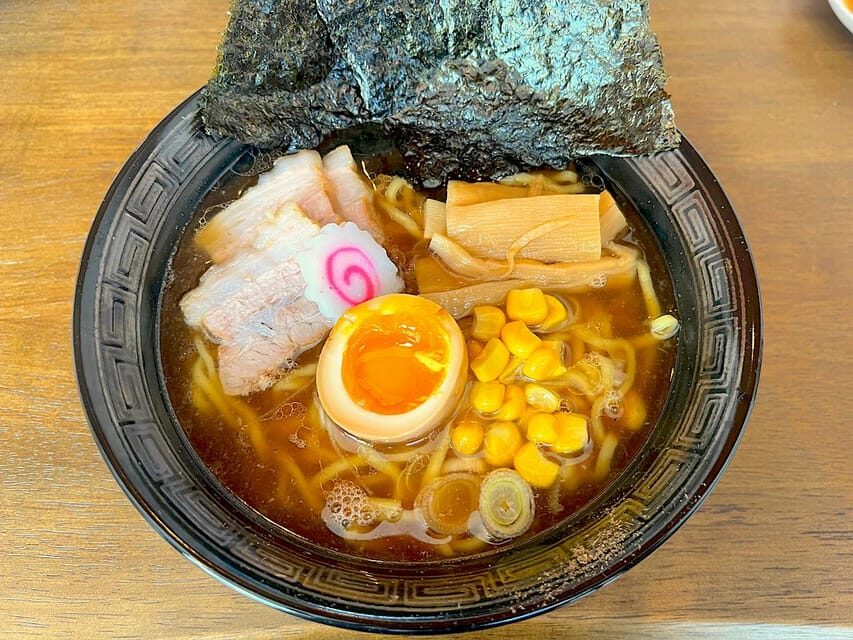
Book it if you want a Tokyo food experience that goes beyond eating. You’ll cook ramen soup and chashu, shape nigiri sushi, taste three premium sakes, and leave with a recipe booklet plus chopsticks.
Don’t book it if you need vegan or vegetarian options. Also, if you’re the kind of traveler who hates getting a little messy, keep in mind the class asks you to wear comfortable clothes you don’t mind dirtying.
My practical take: for the mix of ramen + sushi + sake in one small-group session, this is a strong value. It turns two iconic Japanese meals into skills you can reuse, not just photos you scroll past later.
FAQ
How long is the Tokyo sushi and ramen cooking class?
The class lasts 3 hours.
Where is the meeting point?
You’ll meet at HAUS Tsukishima, 2nd Floor, 2-13-5 Tsukuda, Chuo-ku, Tokyo 104-0051. It’s a 5-minute walk from Exit 4 of Tsukishima Station (Y21).
What’s included in the experience?
It includes sushi making and ramen cooking, all necessary ingredients, and an English-speaking instructor.
Is hotel pickup or drop-off included?
No. Hotel pickup and drop-off are not included.
Does the class include sake tasting?
Yes. You’ll enjoy three premium Japanese sakes selected by a certified sake sommelier.
Is this class suitable for vegans or vegetarians?
No. It’s not suitable for vegans or vegetarians.
What do I get to take home?
You receive a comprehensive recipe booklet and a pair of souvenir chopsticks.