REVIEW · TOKYO
Ramen and Sushi Cooking Class with Sake Pairing Set in Tokyo
Book on Viator →Operated by Sushi Making Tokyo Cooking Class in Japan · Bookable on Viator
Sushi and ramen, side by side. This Tokyo class pairs hands-on cooking with sake pairing, all in a small group setting where you learn the why behind each dish. In about three hours, you’ll make sushi, help brew ramen broth from scratch, and eat what you cook—no waiting around.
What I like most is the attention level. With a maximum group size of eight, your instructor can correct small mistakes fast, and the whole experience comes with practical tips meant for cooking at home (not just performing for dinner).
One consideration: the ramen portion can feel a bit less hands-on than the sushi part. That’s not bad—your ramen experience still involves broth-making and customization—but if you’re hunting for equal time at every station, set your expectations for a heavier sushi focus.
In This Review
- Key things to know before you go
- Tsukishima setup: why this location feels right for a cooking class
- Sushi instruction with real-world pacing (and real hands-on help)
- Ramen broth from scratch: what you’ll actually learn
- Sake pairing that actually makes sense
- The class vibe: small-group warmth, plus practical tips for home
- Price and value: is $79.59 worth it?
- Timing, duration, and what to plan around
- Who this class is best for
- Tips to get the most out of your 3 hours
- Should you book this ramen and sushi cooking class?
- FAQ
- How long is the cooking class in Tokyo?
- What is the group size for this experience?
- Where do I meet for the class?
- What’s included in the price?
- Do I need to bring anything to the class?
- Is hotel pickup provided?
Key things to know before you go
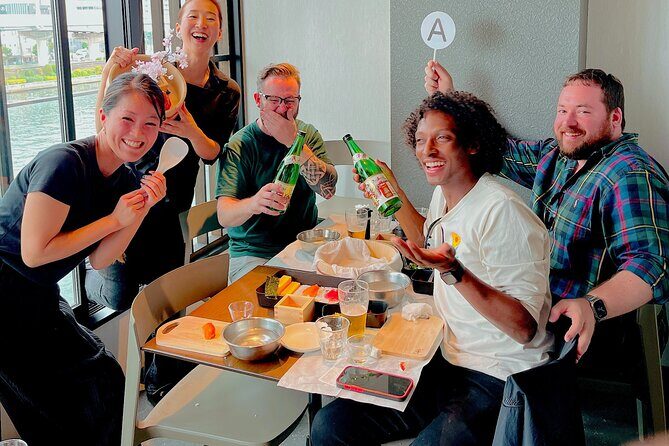
- Maximum 8 people means quick feedback instead of one-size-fits-all instruction
- Sushi + ramen broth from scratch gives you two core Japanese skills in one session
- Sake pairing is included and chosen to complement what you’re eating
- English-speaking instructor helps you learn the process, not just copy steps
- River-area comfort at the meeting point shows up in the experience setup and the vibe
- A story-and-facts approach appears in the class (including a quiz in at least one session I saw described)
Tsukishima setup: why this location feels right for a cooking class
The meeting point is in Tsukuda, Chuo City, at HAUS Tsukishima: Japan, 104-0051 Tokyo, Chuo City, Tsukuda, 2-chōme135 HAUS Tsukishima. That matters because it keeps the class grounded in a normal Tokyo neighborhood, not a staged tourist strip.
This kind of area is handy for you if you want something practical: you can find the venue using public transit and then go back out afterward with no complicated schedule. The class also runs with a mobile ticket, which is low-stress once you’re on your way.
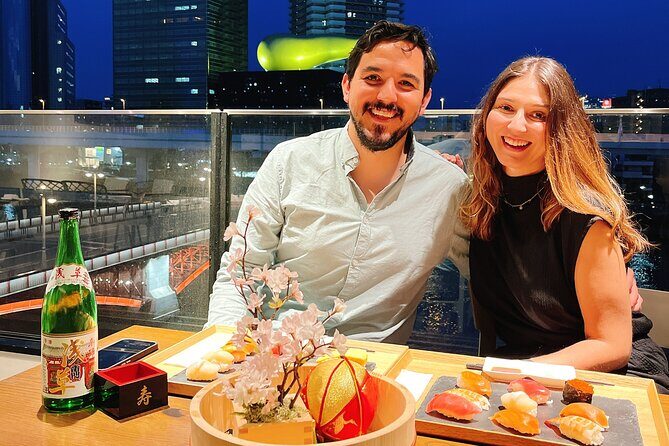
One extra detail I’d keep in mind: at least one experience description mentions a view setup (including an overlooking-river feel). Even if views vary by exact room, the tone is consistently comfortable and relaxed, not formal or rushed.
You can also read our reviews of more food & drink experiences in Tokyo

Sushi instruction with real-world pacing (and real hands-on help)
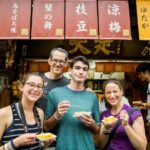
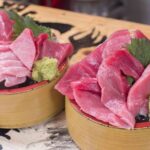
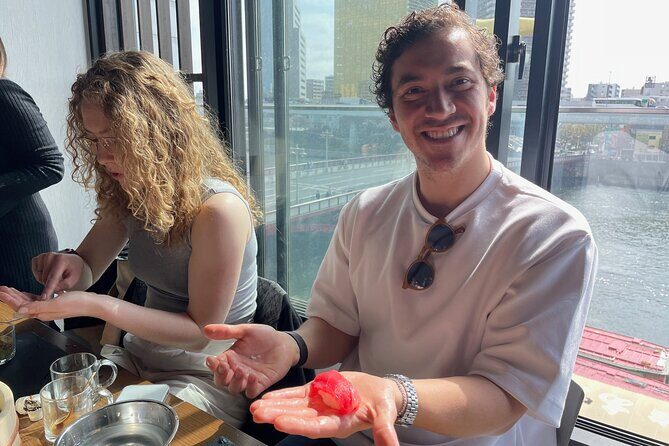
This is the part that tends to feel most direct and satisfying. You’ll be making sushi during the class, and the format is built around guidance you can actually use later. With the class capped at eight, it’s not a lecture. You get hands-on time, plus correction when something isn’t quite right.
Sushi is also where the class earns its reputation for transforming people. One participant described walking in frustrated with YouTube lessons and leaving with clarity. That matches what I’d expect from a good in-person teacher: the differences between okay sushi and great sushi often come down to tiny decisions—timing, texture, and handling—that videos can’t fully explain.
Also, the instructors’ teaching style stands out in the reviews. You’ll hear a mix of warmth, humor, and step-by-step calm. Names that show up include Sato, Ryushi, Kaori, Alex, and Taka—and across descriptions, the common thread is that they’re friendly and patient while still giving clear direction.
If you’re the type who wants to understand the basics properly—how sushi comes together, how flavors are balanced, how you should think about the process—you’ll probably leave feeling more confident than you expected.
Ramen broth from scratch: what you’ll actually learn
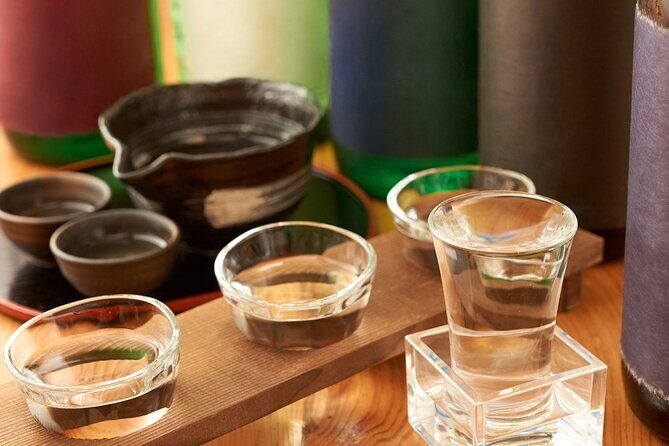
Ramen is the second major pillar, and the class doesn’t treat it as an afterthought. You’ll be brewing savory ramen broth from scratch, and that alone is a big reason this experience earns repeat bookings.
Here’s the nuance: one review noted that the ramen segment felt less hands-on than the sushi segment, but still delicious and customizable. In other words, you may spend less time actively doing every single step and more time learning the key points, watching some parts happen, and participating in the parts that matter most.
For you, that can be a plus. Broth work rewards patience and temperature control, and it’s easy to make broth worse by rushing. A good instructor will keep things on track so you learn the process without ending up with a pot of regrets.
You’ll also get the cultural context that explains why ramen isn’t just a flavor—it’s a system. Reviews mention stories behind the dishes and a teaching approach that connects technique to Japanese culinary culture, not just outcomes.
By the time you eat, you’re not consuming a random set meal. You’re eating results tied to what you were taught, including the broth and the ramen ingredients you worked with.
Sake pairing that actually makes sense
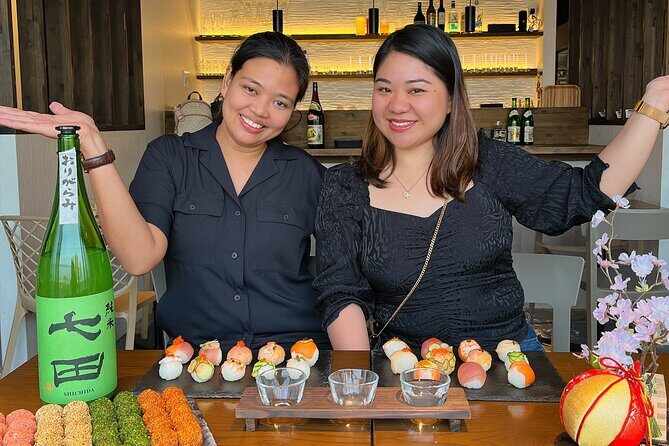
Food classes in Tokyo can range from fun to forgettable, but sake pairing adds a layer of meaning here. The class includes all drinks, including sake that’s been selected to complement what you cook.
That pairing idea matters because sake is one of those things that’s easy to overlook if you only treat it like an alcoholic beverage. In this class, it’s part of the learning: you’re tasting alongside the food you made, so you can notice how the flavors interact.
One review specifically praised the sake as smooth, and others highlighted that the selections were good. Another mentioned making time for sake tasting with hosts such as Sato and Taka, which tells me the experience isn’t just a pour-and-go. It’s treated as part of the meal.
If you enjoy Japanese food culture, this is where you’ll feel the most payoff. You’re not just eating; you’re learning how pairing is used to round out the entire experience.
The class vibe: small-group warmth, plus practical tips for home
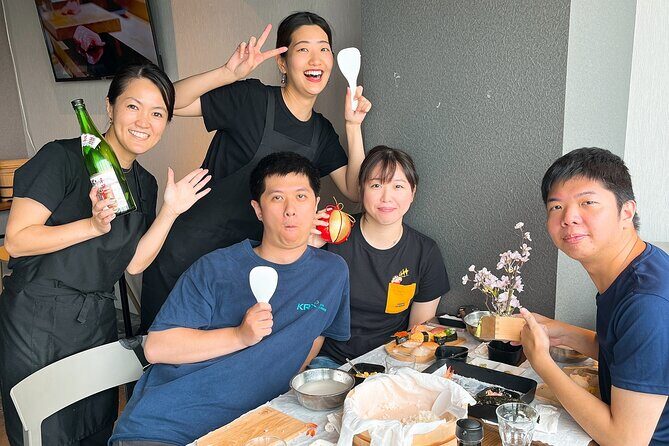
The atmosphere is consistently described as relaxed and welcoming. A recurring theme is how the women running the class make people feel at ease, including laughter and an “it’s like learning with friends” feel. That may sound like fluff, but it matters in cooking classes.
Cooking skills build when you feel safe to ask questions and when someone corrects you without making you feel clumsy. With small group sizes, you don’t get lost in the background. You can ask about what went wrong and get a clear, repeatable fix.
You’ll also get professional tips and tricks to get Japanese cuisine right at home. The best part of this isn’t that you learn one recipe. It’s that you learn how to think about ingredients and technique so your next attempt at home doesn’t collapse.
One description even mentions a fun quiz about sushi and ramen history and facts. Not every class may run the same exact activity, but the presence of that kind of light structure signals a thoughtful approach: you’ll leave knowing more than just what to do next time.
You can also read our reviews of more cooking classes in Tokyo

Price and value: is $79.59 worth it?
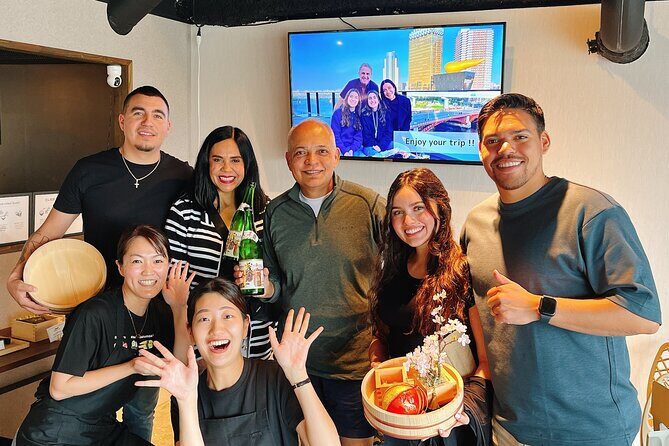
At $79.59 per person, you’re paying for three things at once: guided instruction, ingredients, and the meal/drinks that come from your work.
If you’ve ever tried learning sushi or ramen at home from scratch, you know the hidden costs are real. Ingredients add up, and mistakes cost time and food. Here, the class price bundles those ingredients and the teaching so you’re not paying twice—once in groceries and again in frustration.
You’re also getting at least two skills in one trip: sushi making and ramen broth brewing. Many cooking experiences focus on one dish. Doing both in one session is a good value for you if your goal is progress, not just a one-time meal.
The other value point is the instruction ratio. With a maximum of eight people, you’re not competing for the teacher’s attention. That’s where “cheap” cooking classes often fail: you pay less, but you learn less.
Timing, duration, and what to plan around
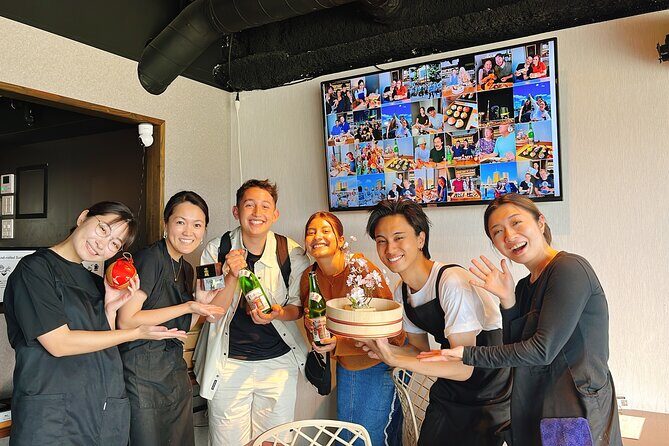
The class runs for about 3 hours. That’s a sweet spot for Tokyo. It’s long enough to feel like you learned something, but short enough that it won’t eat your entire afternoon.
Because there’s no hotel pickup and drop-off, plan to arrive on your own. You’ll want to give yourself a bit of buffer to locate the venue inside the Tsukishima area and settle in. The upside is that the meeting point is near public transportation, so getting there doesn’t have to be a project.
You’ll also want to plan your meal timing. Since the class includes the ingredients and meal you cook, you can treat this as a main food stop rather than a snack.
Who this class is best for
This is a strong pick if:
- You want to learn sushi and ramen techniques in one go
- You prefer small-group instruction with real feedback
- You care about Japanese food culture and stories behind dishes
- You enjoy sake tasting as part of the meal experience
It’s also a great fit for couples and small friend groups, since small group size can make it feel almost private. Some descriptions note groups that were very small, which boosts the chance of lots of personal attention.
If you’re only interested in one dish (like ramen only), you might wonder if you’re paying for a second skill you don’t need. But the class is structured as a combo experience, and the sake pairing ties it together.
Tips to get the most out of your 3 hours
Go in hungry, but also ready to focus. Sushi and ramen both reward attention to detail, and you’ll move faster than you think once you’re at the stations.
Ask questions early rather than waiting until the end. In a small group, it’s easy to miss your chance if you’re shy, and the instructors are clearly comfortable guiding people step-by-step.
Also, if ramen matters most to you, watch how the class breaks down hands-on versus guided steps. One description points out ramen may feel less hands-on than sushi, so it helps to treat ramen as a process lesson as much as a participation lesson.
Finally, slow down during the sake moments. The whole point of pairing is that you taste while the food is fresh and your palate is still in the cooking mindset.
Should you book this ramen and sushi cooking class?
If you want a hands-on Tokyo food experience that’s guided by friendly instructors and built for real learning, I’d book it. The small group size (maximum eight), the fact you make both sushi and ramen broth from scratch, and the included sake pairing are a strong combo for the money.
I’d especially recommend it if you’ve tried learning Japanese cooking from videos and want clarity. The class is designed to fix the exact kind of confusion that happens when you can’t see timing, texture, and handling in person.
The only reason to hesitate is if you’re expecting ramen to be equally hands-on as sushi. If that’s your top priority, you may find the sushi segment delivers the most active instruction. Still, you’ll leave fed, taught, and with a technique you can actually repeat at home.
FAQ
How long is the cooking class in Tokyo?
It lasts about 3 hours.
What is the group size for this experience?
The class has a maximum of 8 travelers.
Where do I meet for the class?
The meeting point is at Japan, 104-0051 Tokyo, Chuo City, Tsukuda, 2-chōme135 HAUS Tsukishima. The activity ends back at the meeting point.
What’s included in the price?
The price includes an English-speaking instructor, ingredients for the cooking class and meal, and all drinks.
Do I need to bring anything to the class?
You don’t need to bring ingredients since they’re included. You should bring yourself and be ready to participate.
Is hotel pickup provided?
No. Hotel pickup and drop-off are not included.