REVIEW · TOKYO
Tokyo: Wagyu and 7 Japanese Dishes Cooking Class
Book on GetYourGuide →Operated by Cooking Sun · Bookable on GetYourGuide
Wagyu and dashi skills, taught by locals. In this small-group class at Cooking Sun Tokyo, you cook a full-course Japanese meal in a homey residential studio setting, with English guidance and a focus on how the flavors are built. Wagyu isn’t just a token ingredient here.
I love the step-by-step coaching from instructors such as Yuki, Aya, Kaori, Bifuka, and Yuko. I also like that you get recipe take-homes with sensible tips, so the class doesn’t end when the meal is over.
The main drawback is logistics: the studio is in a quiet neighborhood, on the 2nd floor of a beige building, and there’s no hotel pickup, so you’ll want to plan your arrival.
In This Review
- Key highlights worth your time
- A Residential Studio Where You Feel Like You Belong
- What You Cook: 7 Dishes That Actually Add Up to a Meal
- The Wagyu Moment: Why the Beef Tastes Like More Than a Restaurant Bite
- Dashi and Miso: The Skill That Follows You Home
- Hands-On Cooking You Can Repeat: Omelette, Salad Cuts, and Potato Harmony
- Tofu, Ginger, and the Sweet Finish: Building Flavor Across Textures
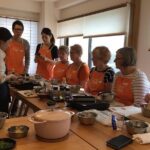
- Small Group Size, Big Attention: How the Class Feels in Real Life
- Price and Value: Is $67 Fair for 3 Hours of Wagyu Cooking?
- Food Flexibility: Dietary Requirements and Ingredient Substitutions
- Should You Book This Wagyu and 7 Dishes Class?
- FAQ
- How long is the cooking class?
- How many people are in the group?
- Is the instruction in English?
- What’s included in the price?
- Do I need transportation to get there?
- Where is the meeting point, and how do I find it?
Key highlights worth your time
- Small group size (max 8) for real hands-on cooking and less waiting around
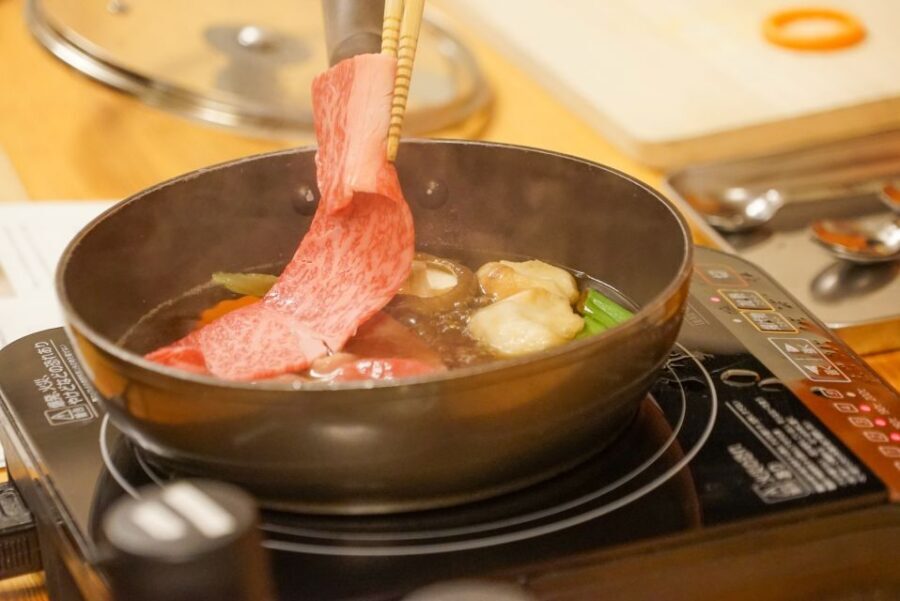
- Wagyu as the centerpiece in a Japanese hotpot-style meal
- Dashi-based soup skills (including making dashi for miso soup)
- Fresh ingredients + clean, well-prepared kitchen setup, including apron/towel rental
- Recipes included, plus substitutions available if you have dietary limits
A Residential Studio Where You Feel Like You Belong
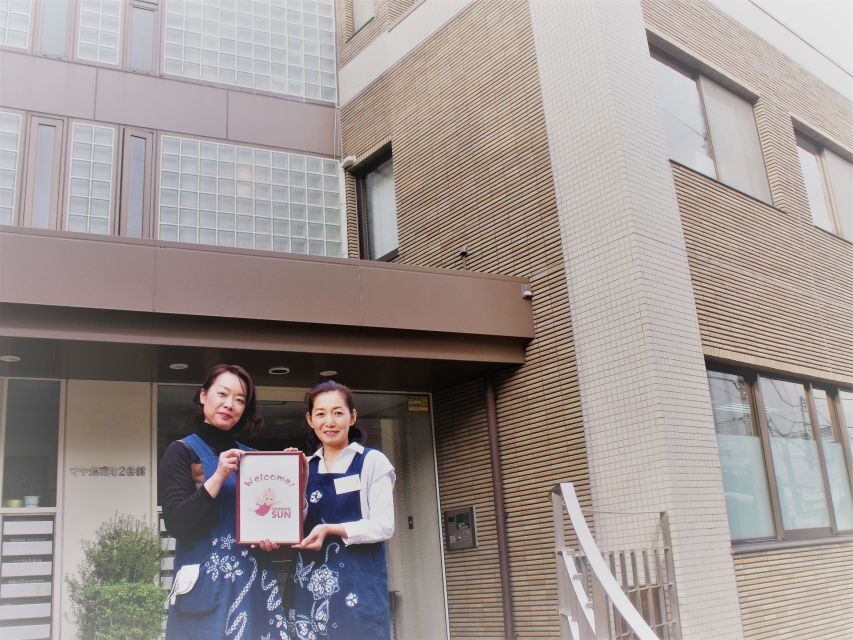
This class takes place in a real neighborhood, not a glossy food-tour factory. The meeting point is a residential area in Shinjuku-ku, and the studio is on the 2nd floor of a beige building. At the entrance, you’ll see two doors—use the right-side door to reach the studio.
If you have Wi-Fi, the easiest way to find the place is to use Google Maps and search for Cooking Sun Tokyo (Shinanomachi 18-39, Shinjuku-ku). If you don’t, it’s worth checking the detailed directions on the studio’s website ahead of time, because “beige building in a neighborhood” can be a fun scavenger hunt… unless you’re already hungry.
If you’re coming by private vehicle, there’s an extra neighborhood courtesy rule: don’t stop or wait in front of the building. If your driver needs to wait, use a nearby coin-operated parking lot. That’s not just politeness—it also prevents you from turning the class start into an awkward moment.
You can also read our reviews of more cooking classes in Tokyo

What You Cook: 7 Dishes That Actually Add Up to a Meal
The class is built as a full-course Japanese experience. You’ll spend about 2.5 hours cooking, then sit down and eat everything you made. The menu is described as 8 dishes total, and the theme is clear: appetizers, soups with dashi (Japanese stock), meat dishes, and even Japanese sweets.
What makes this more valuable than a quick cooking demo is the way the dishes connect. Japanese cooking isn’t only about flavor—it’s also about balance: salty with savory, hot with cool, rich with light, and textures that change as the meal moves forward.
From recent menus, you can expect hands-on dishes such as:
- Dashi and miso soup, with dashi made from scratch
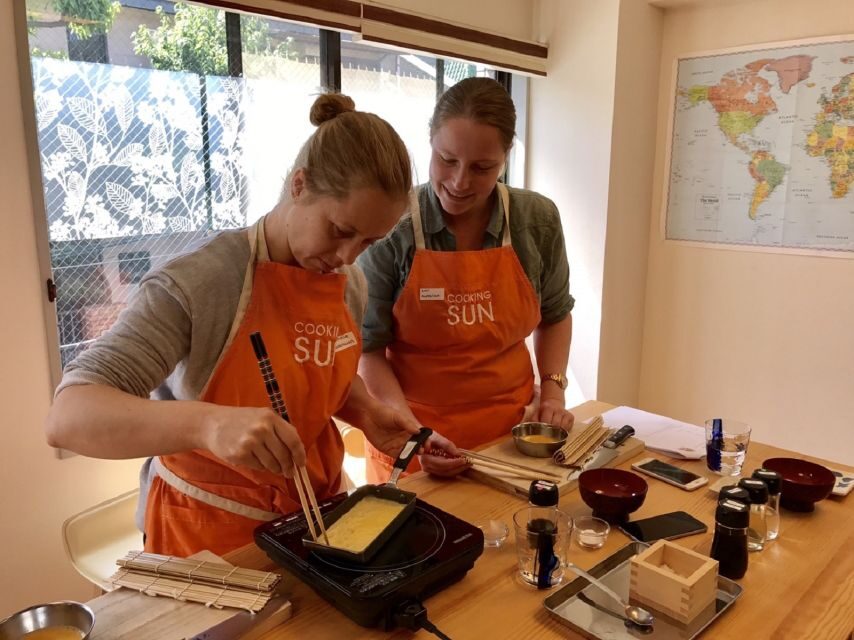
- An egg omelette you roll yourself
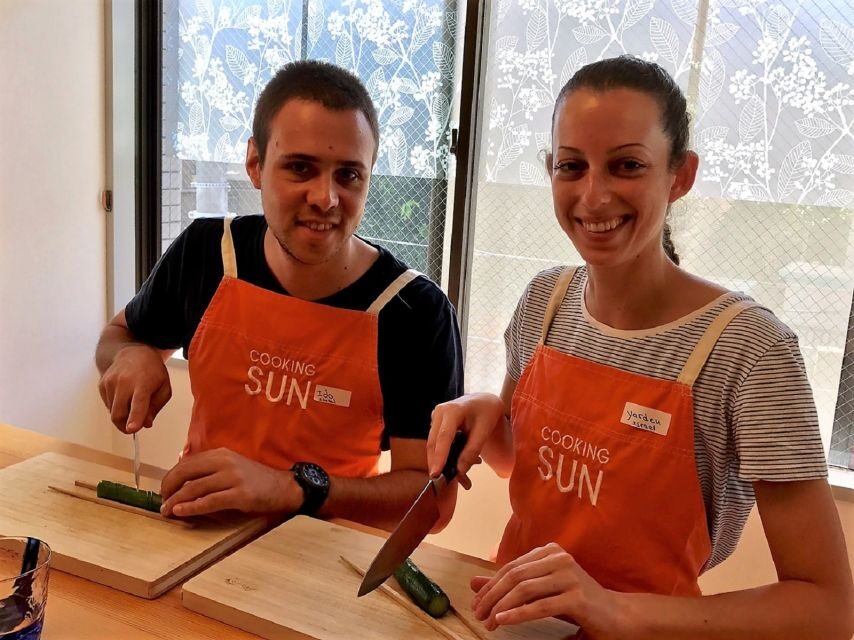
- A cucumber salad cut into “accordion” style (easy to learn, impressive on the plate)
- Sesame potato salad
- Tofu stuffed with ground chicken, ginger, and edamame
- Sukiyaki-style Wagyu hotpot as the beef highlight
- Dorayaki (Japanese pancakes)
Even if your cooking skills are basic, this structure works. Many participants mention the class is hands-on but not so complicated that beginners get lost. The instructors demonstrate, explain what matters, and then you do the work.
The Wagyu Moment: Why the Beef Tastes Like More Than a Restaurant Bite
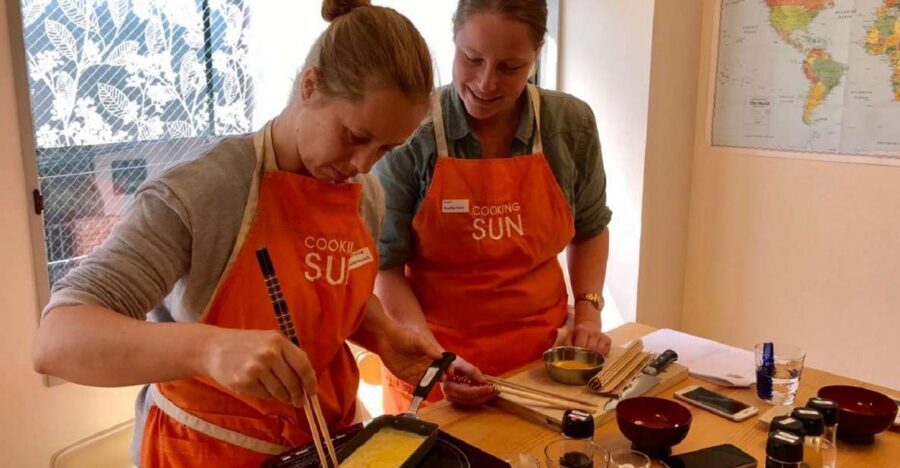
Let’s talk about the part you came for: Wagyu. Here it’s treated like a real centerpiece, not a garnish. In several recent sessions, the class menu includes sukiyaki-style Wagyu hotpot—so you learn how Japanese-style meat cooking leans into controlled heat, timing, and sauce balance rather than heavy seasoning.
What you’re really learning is how Japanese kitchens get that “soft tenderness + deep savory flavor” effect:
- You’re not just browning. You’re cooking in a way that keeps the meat juicy.
- Sauce matters. You taste how sweetness/saltiness builds instead of masking the beef.
- Everything is paced so the meal feels like a sequence, not a pile of dishes.
A couple of recent participants even noted the Wagyu they ate here tasted more tender and flavorful than wagyu they’d had at restaurants. I can’t promise every cut is identical, but the teaching method is the same: focus on technique, not tricks.
If you want a souvenir you can taste again later, this is it. The Wagyu dish is the proof-of-concept that your effort has a payoff.
Dashi and Miso: The Skill That Follows You Home
If you do just one thing from this class after you get back to your apartment, make it dashi. You’ll likely do it as part of miso soup, and that’s a big deal because dashi is the backbone of so many Japanese dishes.
Recent sessions explicitly mention making dashi from scratch and learning how it’s used to build soup flavor. Once you’ve made it once, it’s easier to understand why Japanese soups taste “clean” instead of heavy. You also get a clearer sense of why miso isn’t just one flavor category.
One detail I love is that instructors talk about differences like red miso vs white miso. That kind of knowledge helps you adjust at home when you’re staring at a shelf full of tubs and wondering what goes where.
And practical tip culture shows up here. You’re not just memorizing steps—you’re getting suggestions on ingredients and how to recreate the dish with what you can find abroad. That’s what turns a cooking class into a real skill.
Hands-On Cooking You Can Repeat: Omelette, Salad Cuts, and Potato Harmony
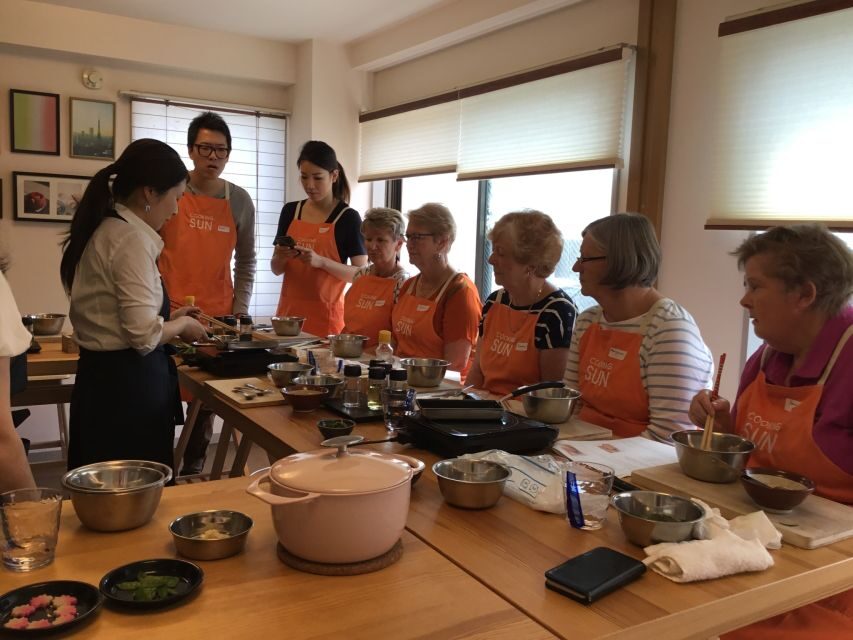
Some cooking classes make you do a token stir. This one pushes you into the hands-on zone—rolling your own egg omelette, cutting cucumbers, and building side dishes.
Two small techniques tend to stick for people:
- Accordion-style cucumber cutting
It looks fancy, but it’s teachable. It also changes the texture and how the salad eats with dressing.
- Sesame potato salad
It’s a comfort-food move. You learn how sesame flavor and seasoning blend, which is exactly the kind of home cooking you’ll actually repeat.
You’re also working with clean tools and a tidy setup. Multiple participants call out the studio as spotless and well-organized, with good utensils and cookware. That matters more than it sounds. If your pan is bad or your knife is dull, your cooking becomes frustrating. Here, you get conditions that let you focus on the technique.
There’s also a nice pacing rhythm. The instructors keep things moving and explain what to do before you do it. So you’re not stuck guessing with a hot pan and a rising panic level.
A few more Tokyo tours and experiences worth a look



Tofu, Ginger, and the Sweet Finish: Building Flavor Across Textures
By the time you reach the later dishes, the class feels like you’re cooking a real Japanese menu, not random items.
A common late-course option includes tofu stuffed with ground chicken, ginger, and edamame. This is the kind of dish that teaches you about balance:
- Protein with aroma from ginger
- Vegetables for freshness
- Tofu as the soft base that carries flavor without turning tough
Then comes the sweet part: dorayaki. Japanese sweets don’t always fit Western expectations of sweetness, so being able to make it yourself is a fun reset. It also gives you a final texture hit after the savory dishes, so the meal ends the way Japanese meals often do: not with a sugar bomb, but with something satisfying and comforting.
The best part is that you finish by eating what you made. No rushing to pack up while dinner sits cold. The “cook, then eat” format is built into the class flow.
Small Group Size, Big Attention: How the Class Feels in Real Life
With a maximum of 8 participants, you’re not lost in the crowd. You can ask questions. You can correct mistakes before they snowball.
A few details show up repeatedly in feedback:
- The atmosphere is warm and friendly, in a studio that feels clean and calm
- English instruction is clear enough for beginners
- Even people who cook at home occasionally still learned things, like how miso types differ or how ingredient substitutions work
If you’re a solo traveler, this is one of those activities where you’re not stuck performing in front of strangers. And if you’re coming as a couple, it’s a nice shared project. One review even mentions a family setting with a child, which suggests it can work for teens too—especially if they enjoy cooking and want to feel included.
Price and Value: Is $67 Fair for 3 Hours of Wagyu Cooking?
At $67 per person for about a 3-hour experience, you’re paying for three things at once:
- Instruction in English (step-by-step guidance)
- All ingredients and utensils
- A full meal you get to eat right after cooking
Many people spend similar money on one restaurant meal. The difference here is you’re buying skills and recipes—not just food. You also get towel and apron rental and a welcome tea, which is small, but it adds up to a “set up for success” experience.
For me, the value check comes down to your goal:
- If you want to taste Japanese food, you’ll get that.
- If you want to learn technique you can repeat, this class is built for that.
The price feels more than fair when you use the recipe take-homes afterward. If you know you’ll cook at home, this is a smart use of Tokyo time.
Food Flexibility: Dietary Requirements and Ingredient Substitutions
Japanese menus can include ingredients that aren’t always compatible with every diet. The good news: the studio states they’re happy to substitute ingredients as needed for allergies, gluten-free diets, religious dietary restrictions, vegetarian preferences, and more.
The key is you need to tell them when you book. If fish is a concern, don’t assume—confirm your specific limitation with the team. One participant specifically said the course was ideal if you don’t eat fish, but that doesn’t replace getting your answers directly for your own situation.
If you’ve ever tried to eat in Japan without a plan, you already know how fast assumptions can turn into awkward meals. This class gives you a safer path.
Should You Book This Wagyu and 7 Dishes Class?
Book it if you want:
- Hands-on Japanese cooking that’s learnable, not showy for show’s sake
- A Wagyu-focused meal with technique behind the flavor
- A realistic way to take Japanese staples home via recipes and tips
- A small group setting where you can actually participate
I’d think twice only if:
- You hate residential-area navigation and don’t want to handle self-arrival
- You’re looking for a super advanced knife or culinary-lecture class, with zero beginner-friendly scaffolding (this course is set up for approachable skill growth)
If you’re in Tokyo for a first trip, this is especially useful. Cooking-style lessons give you a framework for what you’ll taste later around the city.
FAQ
How long is the cooking class?
The class lasts about 3 hours.
How many people are in the group?
It’s a small group with a limit of 8 participants.
Is the instruction in English?
Yes. The instructor speaks English.
What’s included in the price?
You get recipes, all ingredients and utensils, towel and apron rental, and a welcome tea.
Do I need transportation to get there?
Hotel pick-up and transportation are not included, so you’ll handle your own way to the studio.
Where is the meeting point, and how do I find it?
The studio is in a residential area. It’s on the 2nd floor of a beige residential building, and it can be tricky to find. If you have Wi-Fi, use Google Maps and search Cooking Sun Tokyo. If you don’t, check the detailed directions on the website and plan ahead.