REVIEW · KYOTO
From Kyoto: Nara, Osaka & Kobe Day Trip – 3 Cities in 1 Day
Book on GetYourGuide →Operated by AMIGO TOURS JAPAN GK · Bookable on GetYourGuide
A day trip that strings three cities together works. This one balances calm Nara Park deer time, big-photo Osaka Castle moments, and Kobe’s Chinatown-and-harbor feel. I like that you’re not left to figure it out alone—there’s a bilingual guide and a structured flow.
What I like most is the mix of guided focus and personal time. You get a guided introduction through Dotonbori and Kobe, then you’re free to wander where your feet want to go. That’s a good setup for people who want context without being stuck in a lecture.
One thing to consider is the day is long, and you’ll walk more than you expect. The bus is comfortable and schedules tend to hold, but you still need comfortable shoes and stamina for multiple city stops.
Key things to look forward to
- Three Kansai city styles in one day: Nara’s calm, Osaka’s street energy, Kobe’s waterfront mood
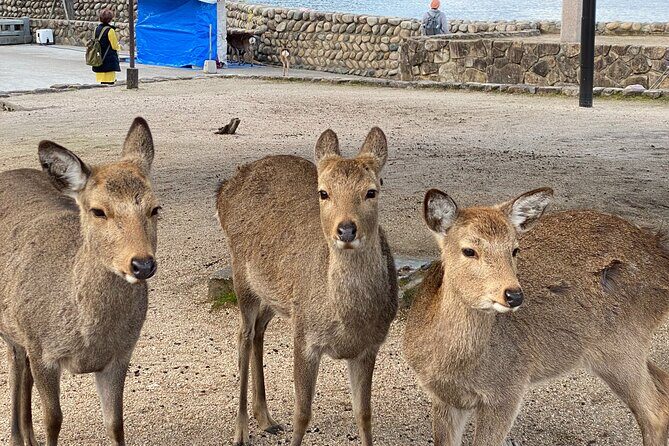
- Nara Park deer time with spacious free time to take photos and soak in the atmosphere
- Dotonbori guide + free time for neon-street sights and iconic bites like takoyaki
- Osaka Castle grounds for that moat-and-garden photo backdrop
- Kobe’s Chinatown and harborfront walk around Nankinmachi, Port Tower, and Meriken Park
- High praise for transport and time management from multiple guide/driver teams
In This Review
- Why Nara, Osaka, and Kobe in a single day makes sense
- Meeting at Hotel Keihan Kyoto Grande and how the day runs
- Nara Park: deer roaming, temple-area views, and 2.5 hours of breathing room
- Dotonbori in Osaka: neon streets, street-food time, and a real sense of place
- Osaka Castle: moat photos, green surroundings, and a one-hour walking window
- Kobe in the late afternoon: Nankinmachi Chinatown and harborfront views
- Price and value: what $129 really covers (and what you’ll spend on top)
- Pacing, comfort, and the realistic limits of a 10.5-hour day
- Who this Kyoto to Nara Osaka Kobe day trip suits best
- Should you book this tour or plan a slower split-day instead?
- FAQ
- What is the duration of the trip?
- Where do I meet the guide?
- What cities are included?
- Is there a guide, and what languages are offered?
- Is lunch or food included?
- How much free time do I get in each main stop?
- Does the tour end in Kyoto?
- What should I bring?
- Is the tour wheelchair accessible?
Why Nara, Osaka, and Kobe in a single day makes sense
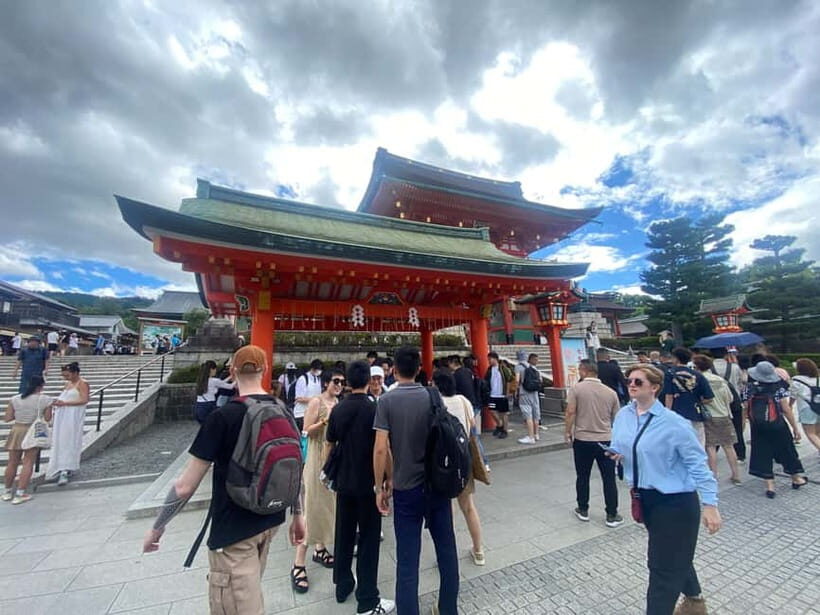
If you’re using Kyoto as your base, this kind of day trip is a fast way to see how Kansai changes from temple quiet to big-city movement. Nara gives you breathing room. Osaka gives you scale and street life. Kobe adds a more international, port-city vibe and those harbor views.
I also like that the route is built around the natural rhythm of the day. You start with the relaxed Nara Park block first, then you move into the louder neighborhoods later, and you end with waterfront scenery. It helps you avoid the most exhausting parts happening back-to-back.
The main trade-off is simple: one day means some stops can only be “enjoy what you can” rather than “see everything.” If you love deep, slow temple wandering or long museum time, you’ll still have a lot of fun, but this won’t replace a dedicated overnight.
Meeting at Hotel Keihan Kyoto Grande and how the day runs
You meet outside Hotel Keihan Kyoto Grande. Aim to arrive at least 10 minutes early so check-in doesn’t start you rushing.
Once you’re on the bus, the pace is handled by the team—transport between cities is part of the package, and your guide keeps the schedule on track. Multiple guide and driver teams have been praised for smooth timing and clear meeting-point reminders, which matters because you’re changing neighborhoods a few times.
The tour runs about 630 minutes (so roughly 10.5 hours). That’s long enough that planning your comfort matters: water and sunscreen help, and you’ll want shoes that can handle city sidewalks.
A few more Kyoto tours and experiences worth a look

Nara Park: deer roaming, temple-area views, and 2.5 hours of breathing room
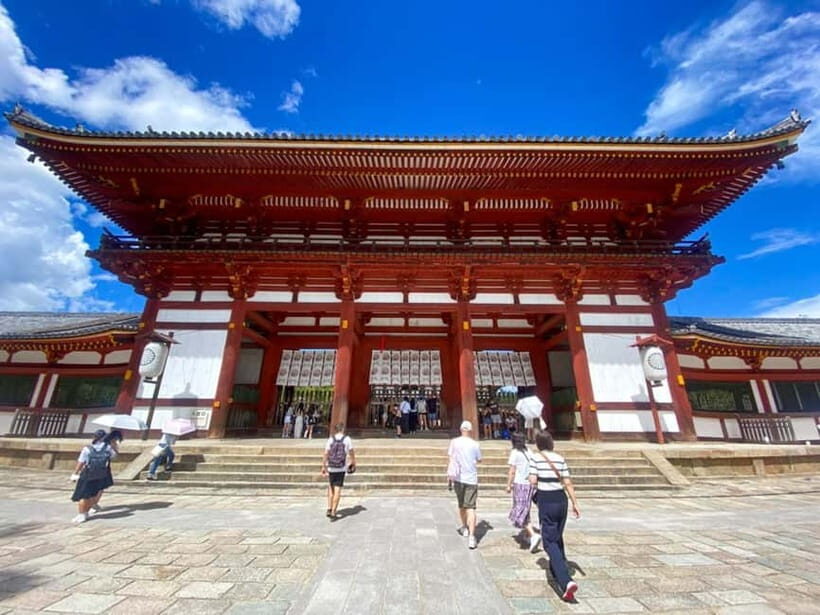
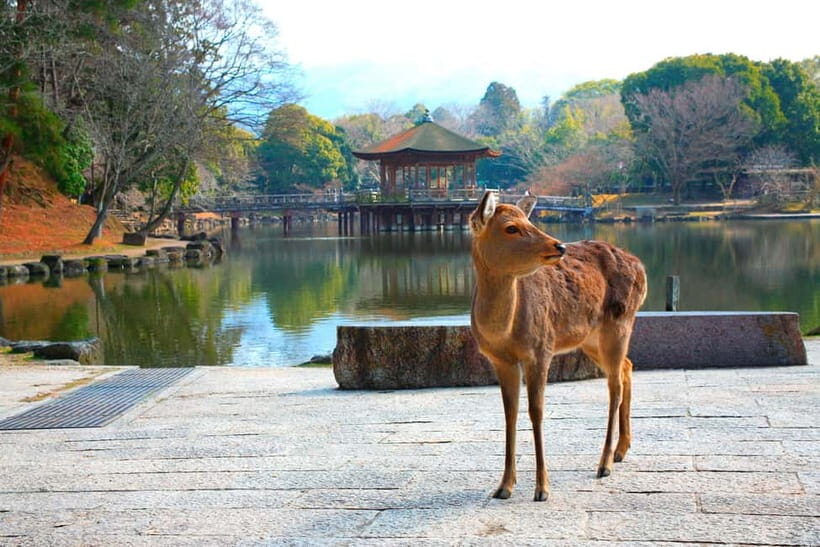
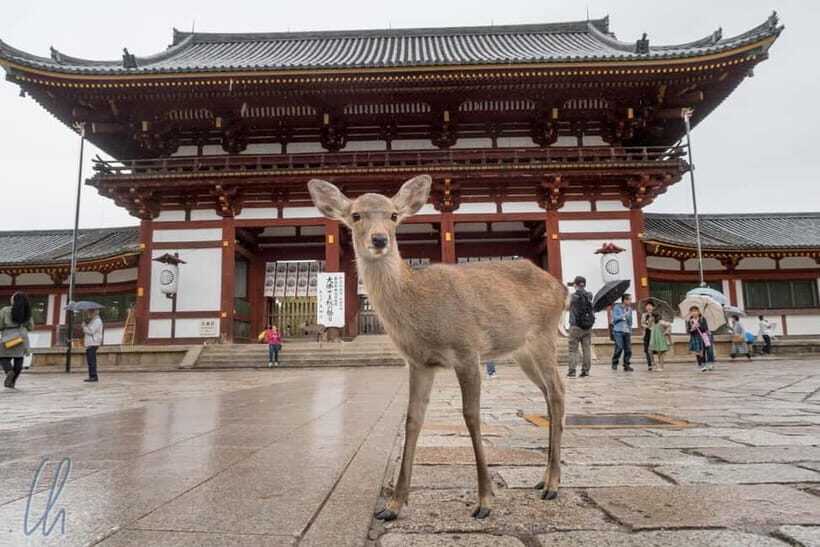
Nara Park is where the day shifts gears. You get around 2.5 hours of free time, which is the right amount to wander slowly without feeling like you’re being yanked from spot to spot.
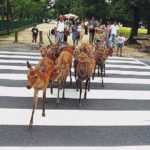
The headline here is the deer. They roam freely around the park, so you’re not just looking at a statue—you’re surrounded by the park’s main character. You’ll also get views of nearby historic temples and traditional gardens from the areas you can reach during your walk.
A practical tip: treat Nara as your “slow moment.” If you’re trying to conserve energy for Osaka and Kobe later, don’t force a checklist here. Take photos, find a calm path, and let the park’s pace reset you before the neon starts.
One consideration: in any popular deer area, expect crowds and close encounters at photo spots. Keep a little extra personal space so everyone can move safely.
Dotonbori in Osaka: neon streets, street-food time, and a real sense of place
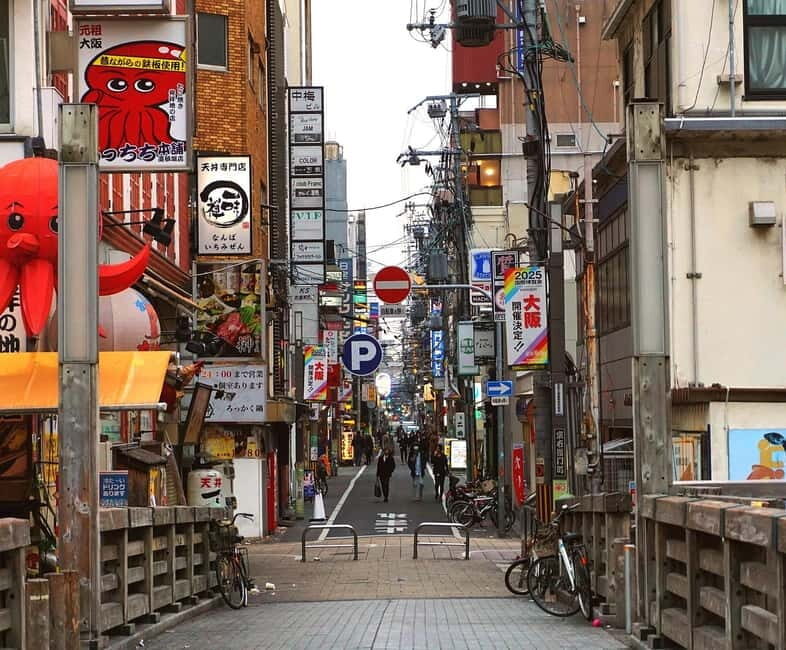
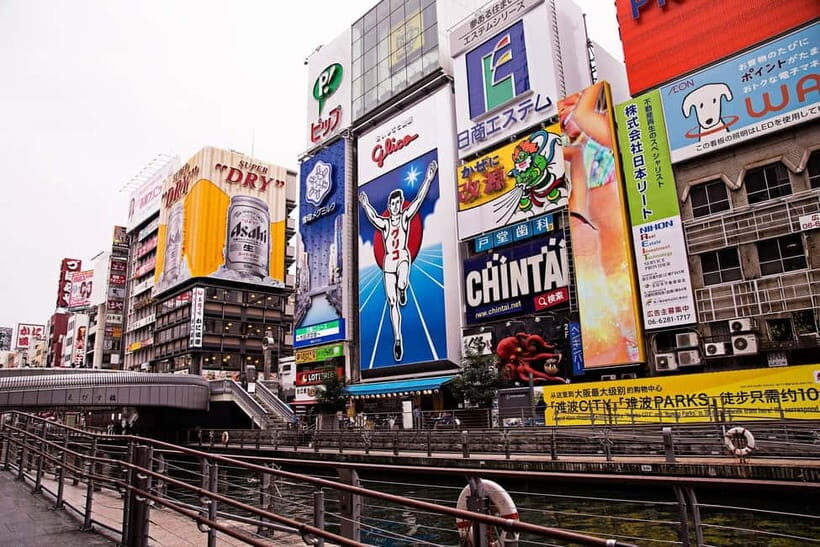
Osaka’s Dotonbori is the kind of neighborhood that grabs your attention instantly. You’ll spend time here with a guide and also have about 1.5 hours for exploring on your own.
This is where the tour’s guided-and-free balance really helps. The guide can point out what to look for, then you can decide how to spend your free time—more photos, a snack break, or just a slower stroll through the lanes and canal-side vibe.
In terms of what to eat, the tour highlights classic Osaka street foods like takoyaki (octopus balls) and okonomiyaki (savory pancakes). Food isn’t included, so you’ll pay as you go, but the time window is set up so you can actually sit down or stand with your snack without missing the next step.
Potential drawback: Dotonbori is popular, so it’s not the place for a quiet getaway. If you hate crowds or prefer early-morning sightseeing, you may find it intense later in the day—still, it’s also the easiest place to get that Osaka “I get it now” feeling.
Osaka Castle: moat photos, green surroundings, and a one-hour walking window
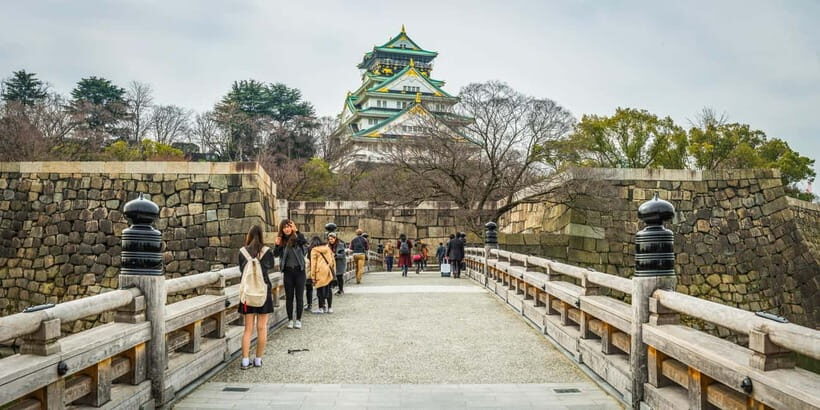
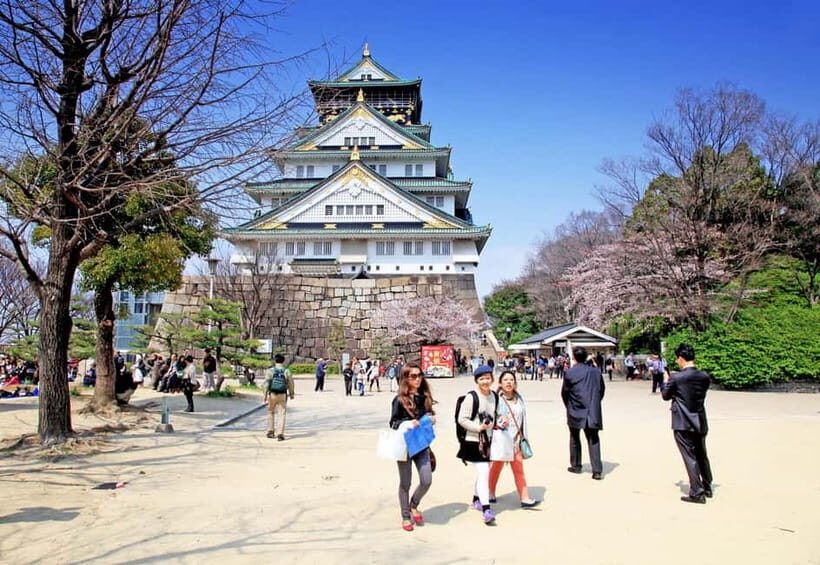
After Dotonbori, you’ll head to Osaka Castle. You get free time plus about 1 hour to walk around, which is enough for the signature views people come for.
The castle’s setting does half the work for you. The moat and surrounding gardens create a photo-friendly loop, and you’re not limited to one viewpoint. Even if you don’t go deep into interior spaces (those details aren’t part of what’s specified here), you can still get strong exteriors-and-grounds time.
This is also a good stop to regroup. If Nara felt like a reset and Dotonbori felt like a workout for your senses, Osaka Castle gives you a calmer, more structured kind of sightseeing.
One thing to keep in mind: bus drop-offs and walking routes can mean the closest stops to your exact viewing point may not be right at the gate. Plan on a bit of walking from where the bus stops, especially if you’re chasing specific photo angles.
Kobe in the late afternoon: Nankinmachi Chinatown and harborfront views
Kobe is the soft landing of the day. You’ll arrive in the late afternoon and have about 2 hours total time, including a guided portion and then free time.
First up is Kobe’s Chinatown (Nankinmachi). This is where colors and smells mix quickly—think street energy with an international-food focus. The neighborhood is built for browsing, so use the time to wander lanes, look for snacks or small souvenirs, and enjoy the contrast with the quieter Nara portion earlier.
After Chinatown, you’ll shift to the waterfront. The tour includes time for a walk along the harborfront with photo opportunities around Kobe Port Tower and Meriken Park. If you like city views that feel open instead of boxed in by streets, this is where Kobe delivers.
A practical note from the pacing side: the schedule can feel a little tight depending on how the day runs. One participant noted the time around Kobe’s Chinatown could feel short compared with the rest of Kobe town. So if Chinatown is your top priority in Kobe, keep your expectations flexible and aim to make your first 20–30 minutes count.






Price and value: what $129 really covers (and what you’ll spend on top)
At $129 per person, you’re paying for convenience and structure more than for entry fees. The package includes your transportation and a bilingual guide in English and Spanish—plus the route connects three cities without you needing to coordinate rail schedules.
That value becomes clear when you think about the logistics. Kyoto-to-Nara, Nara-to-Osaka, and Osaka-to-Kobe all take planning. This tour removes the “which train” stress and gives you a guided handoff at each stop so you can focus on walking, photos, and meals.
Food and drinks aren’t included, so you’ll likely add your own lunch and snacks. The good news is the stops are timed so you can eat during free time. If you’re the type who wants to try local specialties, you’ll find Dotonbori’s window helpful.
Also, transport quality matters on a long day. The tour’s bus/coach experience is highly rated, with 85% giving top transport marks, which is exactly what you want when you’re sitting between Kansai’s highlights.
Pacing, comfort, and the realistic limits of a 10.5-hour day
This is a long day. Even when timing is smooth, you’ll be on your feet at multiple stops, and you’ll move from city to city by bus.
The upside is that the guides and drivers have a pattern of managing time well. People have praised multiple guide teams for clear communication, arriving at stops on schedule, and giving straightforward directions for where to meet again. That kind of operational calm can turn a chaotic multi-city day into something you actually enjoy.
The downside is physical. If you’re sensitive to walking distances or crowds, you might feel it by Osaka and Kobe. Bring water, and use your free time strategically: take breaks before you hit fatigue.
One more practical consideration: at least a few participants noted that bus drop-offs can be a bit of a walk from certain viewing areas. That’s not unusual, but it’s worth knowing so you’re not surprised when your exact photo spot isn’t right next to the coach.
Who this Kyoto to Nara Osaka Kobe day trip suits best

This works best if you want variety and don’t want to stitch together three separate outings from Kyoto. It’s ideal for first-time Kansai visitors who want to learn the “what to see and where to go” basics fast.
You’ll probably enjoy it if you like:
- a guided explanation on the road, not a full-day lecture
- a mix of guided time and your own wandering time
- iconic photo stops like Osaka Castle and Kobe’s harborfront
It’s also a good fit for food explorers who want a structured moment for street food in Osaka and browsing in Chinatown.
The tour isn’t suitable for wheelchair users based on the provided information, so keep that in mind for accessibility planning.
Should you book this tour or plan a slower split-day instead?
Book this trip if you want a single-day hit of Kansai with strong guidance and easy logistics. The combination of bilingual guides, comfortable transport, and clear pacing makes it a solid option when you’re working with limited time in Kyoto.
Skip or rethink it if you need lots of quiet time, hate crowd-heavy neighborhoods like Dotonbori, or want to go deep on one city rather than sampling three. The day is long, and you’ll move—so your comfort and walking tolerance matter more than your ticket price.
If your goal is: see Nara deer, catch Osaka’s big visual moments, then end with Kobe’s waterfront atmosphere, this tour does that job. Just come prepared to walk and treat each stop as a highlight reel rather than a full day in every city.
FAQ
What is the duration of the trip?
The tour runs for about 630 minutes (roughly 10.5 hours).
Where do I meet the guide?
You meet outside Hotel Keihan Kyoto Grande. The guide meets you at the outdoor meeting point, and it’s recommended you arrive at least 10 minutes early for check-in.
What cities are included?
The tour covers Nara Park, Dotonbori in Osaka, Osaka Castle, and Kobe, including Kobe Chinatown (Nankinmachi).
Is there a guide, and what languages are offered?
Yes. The guide provides English and Spanish support.
Is lunch or food included?
No. Food and drinks are not included.
How much free time do I get in each main stop?
You’ll have 2.5 hours at Nara Park, 1.5 hours in Dotonbori (with guided time plus free time), 1 hour at Osaka Castle, and 2 hours in Kobe (with guided time plus free time).
Does the tour end in Kyoto?
Yes. The tour finishes at Kyoto Station.
What should I bring?
Bring comfortable shoes, a camera, sunscreen, and water.
Is the tour wheelchair accessible?
No. The tour is not suitable for wheelchair users based on the provided information.