REVIEW · KYOTO
Gion Nocturno: Secretos y Leyendas de las Geishas
Book on Viator →Operated by Japandas · Bookable on Viator
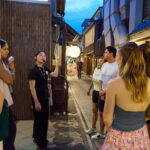
Gion looks different after dark. This walking tour is built for people who want quiet streets and geisha lore when the cameras and day-trippers thin out. I like that it stays intimate, with a maximum of 15 people, so the guide can actually pace the walk and answer questions.
What I also like: the route strings together meaningful landmarks in about 2 to 3 hours, with short time blocks that keep you moving but still let you look around. One possible drawback is that the stops are timed (around 10 minutes each), and Gion Corner has an admission fee that is not included.
In This Review
- Key highlights at a glance
- Gion at night: why this walk works better after dark
- Price and what feels like good value at $21.80
- Small-group pacing and mobile ticket: how the tour runs in practice
- Stop 1: Minamiza Theater and Kabuki’s Kyoto connection
- Stop 2: Tatsumi Bridge and the Shinbashi stillness
- Stop 3: Hanamikoji Street and machiya lanes
- Stop 4: Gion Corner and the arts in one compact stop
- Stop 5: Yasaka Shrine and the spiritual edge of the district
- What you learn about geishas without losing the plot
- Timing tips so you get the calm you came for
- Who this tour is best for (and who might want something else)
- Should you book Gion Nocturno?
- FAQ
- Where does the tour start and where does it end?
- How long is the Gion Nocturno tour?
- How much does the tour cost?
- How big is the group?
- Will I receive a mobile ticket?
- Are admissions included for all stops?
- Is the meeting point near public transportation?
- How far in advance should I book?
- What is the cancellation policy?
- What happens if the minimum number of travelers is not met?
Key highlights at a glance
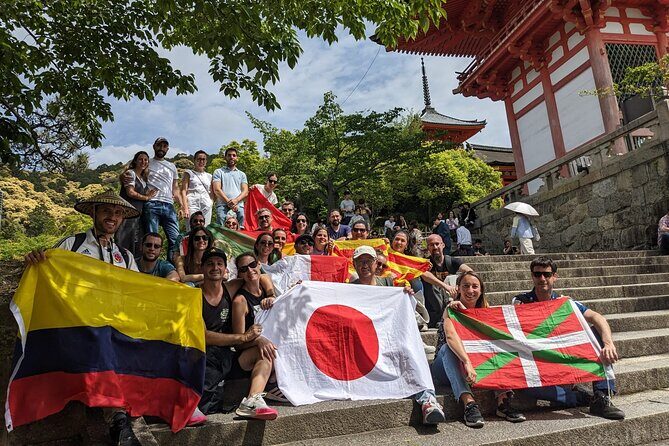
- Max 15 people keeps the experience calm and easy to follow
- After-dark Gion lets you see the district when it feels less like a backdrop
- Minamiza Theater stop links the area to Kabuki theater culture
- Hanamikoji Street photo lane without the day crowd pressure
- Yasaka Shrine stop adds a spiritual feel to the geisha-district story
Gion at night: why this walk works better after dark
Kyoto’s Gion is famous for a reason. But in daylight, the district can feel like a stage set where everyone is trying to capture the same angle. This tour shifts the timing so you get the quieter mood that happens once evening settles in.
I love that the goal is atmosphere, not a checklist. You’re walking the streets that define Gion, with time to notice the details that usually get lost when you’re surrounded by tour groups. The promise here is simple: see the district when it feels more like a neighborhood than an attraction.
And yes, geisha and maiko are part of the legend. Still, this is best viewed as a tour of the district and its stories—not a guaranteed sighting situation. The value is in what the guide helps you understand as you walk.
You can also read our reviews of more tours and experiences in Kyoto.


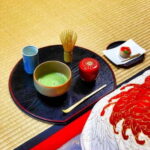
Price and what feels like good value at $21.80
At about $21.80 per person for roughly 2 to 3 hours, this isn’t an expensive evening add-on. The price is easier to justify when you break it down like this: you’re paying for a guided walk through multiple iconic points in a compact area, plus structured stops that keep you from wandering in circles.
Several stops list admission as free (like Minamiza Theater and the other main photo/cultural stops), and that makes the cost feel more reasonable. One item to remember: Gion Corner’s admission is not included, so you may want to budget a little extra if you plan to go in.
The other side of value is the group size. A maximum of 15 can mean a more personal pace, and that matters in Kyoto, where getting the timing right can turn a “quick look” into a real understanding.
Small-group pacing and mobile ticket: how the tour runs in practice
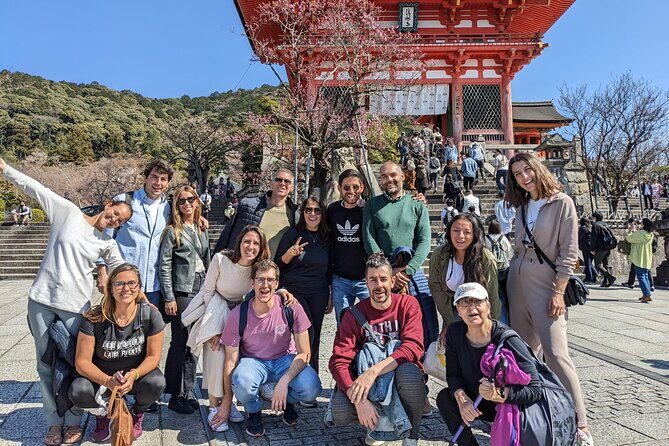
This is a walking tour that’s designed for people who want an organized route without big bus transfers. The meeting point is at Minamiza Theater (in Higashiyama Ward), and the end point is in front of Gion Corner.
You’ll want to wear shoes you trust. The tour is short on paper, but it still moves through several lanes and streets. Also, because the tour is after dark, bring a thin layer for evening cool air and plan for street lighting and uneven sidewalks.
The tour uses a mobile ticket, which makes the day-of experience straightforward. You don’t have to hunt for paper passes.
One more practical note: it can require a minimum number of travelers. If the minimum isn’t met, you’ll either get a different date/experience or a full refund, so it helps to keep an eye on your booking confirmation.
Stop 1: Minamiza Theater and Kabuki’s Kyoto connection
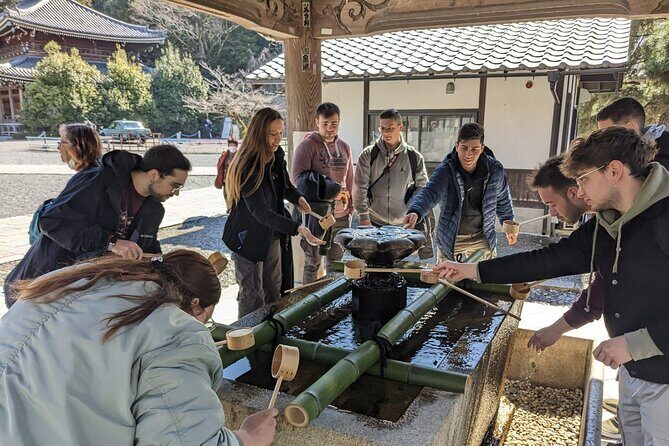
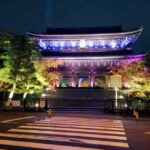
You start at Minamiza Theater, a major cultural landmark tied to Japan’s performance tradition. Kabuki is famous for dramatic costumes, strong makeup, and emotionally charged storytelling, and this stop sets the cultural tone for the whole night.
Even if you don’t plan to watch a performance, this theater stop gives you context. It helps explain why arts and entertainment traditions matter in places like Gion, where appearance, timing, and presentation have long been part of everyday culture.
The itinerary lists Minamiza Theater admission as free, which is a nice bonus. It means you can walk into the cultural atmosphere without feeling like the tour is nickel-and-diming you at each stop.
Potential downside: it’s only about a 10-minute stop. If you love theater details and want a long look around, you may want to add extra time on your own later.
Stop 2: Tatsumi Bridge and the Shinbashi stillness
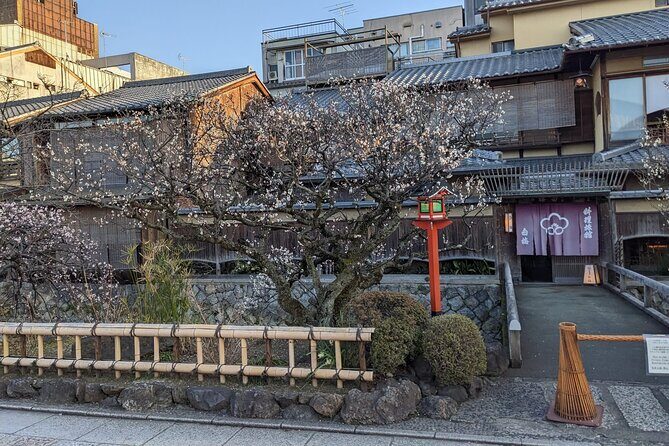
From Minamiza, the route heads toward Tatsumi Bridge and the Gion Shinbashi area. This part is all about the mood. Streets can look like they paused in time, with old-style buildings and a calmer feel as the evening progresses.
This stop works because it sets up your senses for what comes next. Instead of jumping straight into the most famous photo street, you get a gentle transition where you can look around and slow down.
Admission at this stop is free, and the time block is short (around 10 minutes). That means you should use the moment well: look at building lines, notice where the street bends, and pay attention to lighting. Gion at night has a way of making small details stand out.
If you’re coming on a night when Kyoto streets are still busy, don’t worry. The tour’s whole rhythm is designed around evening quiet, not midday intensity.

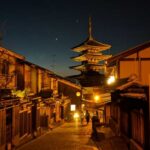
Stop 3: Hanamikoji Street and machiya lanes
Hanamikoji Street is the postcard you hear about before you even get to Kyoto. But walking it with structure changes how it feels. The tour gives you the right order, so you don’t spend your entire evening stuck trying to find an angle.
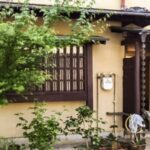
This street is known for traditional wooden townhouses (machiya) and tea-house culture. The guide’s role here matters: it’s not just about architecture, it’s about what the architecture meant for the people who lived and worked around it.
Stop time is about 10 minutes. That can feel fast if you want to stare. Still, it’s long enough to get a sense of the street’s layout and to notice changes in the buildings and storefront spacing as you move.
One practical consideration: this is a famous area. Even after dark, it can still attract people. Keep your expectations realistic: you’re looking for a calmer feel, not an empty street.
Stop 4: Gion Corner and the arts in one compact stop
Gion Corner is a cultural space that gathers several Japanese traditions into a single presentation. The itinerary lists admission as not included, so if you want to see the show, expect to pay separately.
This stop is valuable because it connects the geisha-district atmosphere to broader Japanese performing arts. Even if you already know some of the terms, you’ll likely leave with a clearer idea of how the arts are packaged for visitors and presented in a way that makes the culture easy to follow.
Why I think this is worth considering: when people visit Japan, they often see performances as separate events. Gion Corner puts related traditions in one place, so your understanding clicks faster during the same evening.
Potential downside: since admission isn’t included and the stop is time-limited, it can create a fork in your plan. You may have to decide quickly whether you want to prioritize the show or use that time just to take in the setting.
Stop 5: Yasaka Shrine and the spiritual edge of the district
The tour ends with Yasaka Shrine, one of the best-known shrines in the Kyoto area. It’s often called Yasaka Jinja, and it sits right in the wider Gion neighborhood.
This stop adds something important. Geisha stories are often told as entertainment and elegance, but in Kyoto, the district exists alongside religion, festivals, and daily spiritual life. A shrine stop helps you understand why these places were never purely theatrical.
The itinerary lists admission as free here, and the stop is also about 10 minutes. That’s enough time to orient yourself, see the shrine setting, and connect the ideas the guide has been building all night.
If you’re the kind of person who likes walking away with one clear takeaway, this is usually the stop where the district feels like more than a set of streets.
What you learn about geishas without losing the plot
The best part of this tour is how it turns the district into a story you can repeat. The goal isn’t just to point at buildings. It’s to explain the world behind the image—so you understand what geisha culture represents and how it developed.
I also like the emphasis on art and performance connections. That’s why starting at a major theater, then moving through Gion streets, makes sense. It suggests that appearance and performance aren’t random; they connect to cultural tradition.
The guide quality seems to vary by night, but names do come up in the feedback. One guide named Sergio is praised for explaining the career and life of geishas in a way that helps people understand the roles and context. Another guide named Michael is noted for being polite and engaging. That combination—good pacing plus clear storytelling—tends to be what makes the walk feel worth your time.
One thing to keep in mind: history and tradition can be explained differently depending on the guide’s framing. If you’re the type who likes hard facts only, you might notice occasional interpretive differences in the way stories are told. The tour is still a strong starting point, just keep an open mind as culture meets explanation.
Timing tips so you get the calm you came for
Because the whole point is after dark, you’ll want to be ready to move when your start time begins. Arrival a bit early helps you find the exact meeting point at Minamiza Theater without rushing.
Kyoto evenings can be cool and damp, especially outside the summer. Dress for walking and bring a small umbrella if rain is possible. A calm evening is fragile if you’re stressed about comfort.
Also, consider photos strategically. If you try to take pictures every ten seconds, you’ll miss what the guide is saying. I’d treat photos as quick moments, not constant tasks.
Finally, if you’re hoping for geisha sightings, keep your expectations flexible. This tour is designed around understanding the district and its legends in the right atmosphere.
Who this tour is best for (and who might want something else)
This is a great fit if you want:
- A short evening walk in a very compact, walkable area
- A more personal group size, capped at 15
- An introduction to Gion that includes the theater-to-street connection
- Storytelling that focuses on tradition and the geisha world
It might be less ideal if you want:
- Long explanations at each stop (the stops are timed)
- A purely scenic, slow photo walk with no structure
- Included entry to everything (Gion Corner admission is not included)
If you’re in Kyoto for only a day or two, this tour can be a smart way to get oriented fast. If you’re staying longer, it’s also a good foundation before you explore Gion on your own later.
Should you book Gion Nocturno?
If you like your Kyoto experiences practical—organized route, small group pace, and real atmosphere after dark—this is an easy yes. The price feels fair for what you get, especially with multiple free-admission stops and a clear flow from Minamiza Theater to the streets and shrine.
I’d book it if you want a guide to help you read the district. On the other hand, if you hate walking after dark or you need long stop times, you may find the timed pacing a little tight.
One final check before you go: plan a little budget for Gion Corner if you want to see the presentation there. If you do that, the evening fits together nicely, and you’ll leave with a better sense of what Gion represents beyond its most famous images.
FAQ
Where does the tour start and where does it end?
It starts at Minamiza Theater at 京都市東山区四条大橋東詰, Nakanochō, Higashiyama Ward, Kyoto 605-0075, Japan. It ends in front of Gion Corner at 570-2 Gionmachi Minamigawa, Higashiyama Ward, Kyoto 605-0074, Japan.
How long is the Gion Nocturno tour?
The tour lasts about 2 to 3 hours.
How much does the tour cost?
The price is $21.80 per person.
How big is the group?
The group size is limited to a maximum of 15 travelers.
Will I receive a mobile ticket?
Yes. The tour includes a mobile ticket.
Are admissions included for all stops?
Minamiza Theater, Tatsumi Bridge, Hanamikoji Street, and Yasaka Shrine list admission as free. Gion Corner lists admission as not included.
Is the meeting point near public transportation?
Yes. The tour is noted as being near public transportation.
How far in advance should I book?
On average, this tour is booked 38 days in advance.
What is the cancellation policy?
You can cancel for free up to 24 hours in advance for a full refund.
What happens if the minimum number of travelers is not met?
If it’s canceled because the minimum isn’t met, you’ll be offered a different date/experience or a full refund.