REVIEW · KYOTO
Kyoto : Private Custom Walking Tour With A Local Guide
Book on GetYourGuide →Operated by Guydeez · Bookable on GetYourGuide
Kyoto can feel like information overload fast. This private walking tour helps you sort it out, with a local guide and a route built around what you want to see. I especially like that you get both the big sights and the side areas that make Kyoto feel like a real city, not a theme park. You also come away with practical city advice from your guide, not just facts.
Two things stand out. First, the tour is private and customizable, so you can build a day around temples, shrines, neighborhoods like Gion, or even a museum stop if that’s your style. Second, you’ll walk with guides who share how places connect—Guids like Maria (a licensed guide who’s lived in Japan for 25 years) and Wajid (who called out details at Fushimi Inari, Sanjusangendo, Kiyomizu-dera, and more) bring the city into focus.
One consideration: it’s a walking tour. If you pick a longer option or pack in multiple districts, expect a good chunk of time on your feet, plus stairs at major temple areas.
In This Review
- Key highlights at a glance
- Why a private Kyoto walk beats going solo
- How customization works (temples, shrines, museums, and your pace)
- Building your day around Kyoto’s highlights (without feeling rushed)
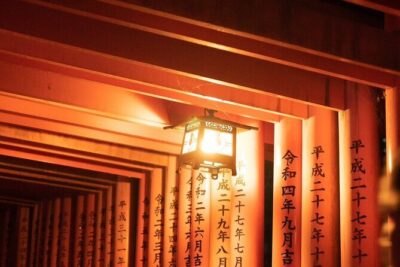
- Fushimi Inari: walking torii with meaning
- Sanjusangendo Temple: the 1,001 Buddha moment
- Kiyomizu-dera: pacing matters at a UNESCO hit
- Sannenzaka and Ninenzaka: the streets between the big stops
- A route example: Daimonji, the Philosopher’s Path, and Ginkaku-ji
- Gion and Maruyama Park: geisha culture without the confusion
- What your guide adds beyond the landmarks
- Price and value: what $62 covers, and what you’ll still pay
- How long should you book: 2, 4, or 8 hours
- Getting around: meet-up, walking, and public transport
- Who this tour is best for
- Should you book this Kyoto private walking tour?
- FAQ
- What’s the duration of this Kyoto private walking tour?
- Is this tour private?
- Where does the tour start?
- What languages are available for the live guide?
- Can the tour be customized to include museums?
- Are attraction tickets included?
- Is food included in the price?
- Is transportation included?
- Is there a refund if plans change?
- Is the tour wheelchair accessible?
Key highlights at a glance
- Private, customizable route that matches your interests and pace
- Local guide context that connects temples, shrines, and neighborhoods
- Flexible add-ons, including the option to include a museum visit
- Built-in city tips, from where to eat to how to move around efficiently
- Heat- and kids-friendly pacing, based on how your guide adjusts during the day
- Tour help with tickets for the visits you choose
Why a private Kyoto walk beats going solo
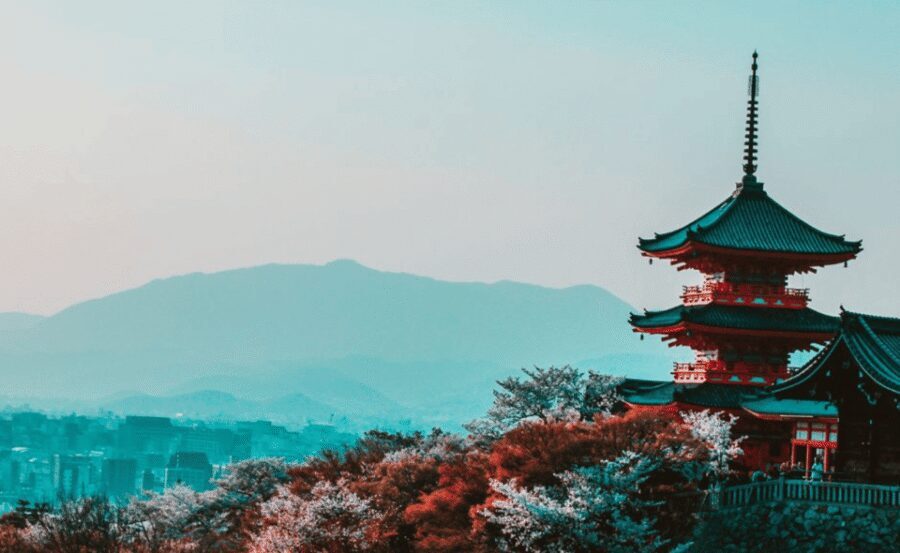
Kyoto looks calm on postcards. In real life, it can be a lot. Temple names blur together, districts feel far apart, and it’s easy to spend hours getting from one crowd to the next with no clear plan.
This tour makes the day feel manageable. A guide helps you pick what to prioritize, what to skip, and what to combine. You’re not just checking boxes—you’re learning how Kyoto’s different parts work together. That’s why the pacing matters. Guides like Kevin have been praised for timing breaks around the heat and keeping information at a level that feels useful instead of exhausting.
And because it’s private, you’re not stuck with someone else’s idea of the perfect itinerary. Want more time for photos? Want to move on before lines build? Want your kids engaged instead of bored? You can ask, and your guide can shape the route accordingly.
You can also read our reviews of more walking tours in Kyoto



How customization works (temples, shrines, museums, and your pace)
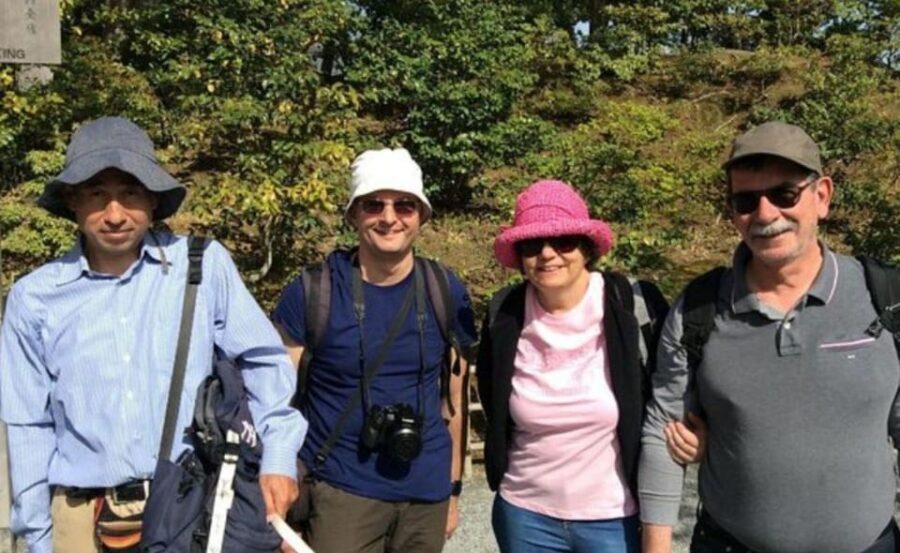
The core promise here is customization. That means you tell your guide what you’re most excited about, and they adapt the day. This is especially helpful in Kyoto because your interests can lead you to very different areas.
If you’re temple-leaning, you can build the day around famous complexes and the surrounding streets where you actually see Kyoto life. If you’re shrine-focused, you can spend time where the architecture and layout make more sense once someone explains what you’re looking at.
If you like museums, you’re not stuck with only temple exteriors. The tour can be adjusted to include a museum visit—just say so ahead of time. That’s a smart move if you’re traveling with someone who wants a calmer indoor break, or if you want the cultural context behind the visuals.
Your guide also helps you decide how much detail you want. One review highlighted how Kevin knew when and how much information to share, which is key in a city where there’s plenty to learn and plenty to distract you.
Building your day around Kyoto’s highlights (without feeling rushed)

Kyoto has a simple trap: you can fill a day with famous stops and still miss what makes each place distinct. The best part of a guide-led private walk is the ordering and explanation.
A common approach is to connect sights by district. That reduces backtracking and helps you understand the geography—where the crowds tend to move, and how the atmosphere changes as you travel through different neighborhoods.
Here are some of the places your guide can help you build around, based on what shows up in the most praised Kyoto experiences:
Fushimi Inari: walking torii with meaning
Fushimi Inari Shrine is the one everyone recognizes. What you often don’t get on your own is the story behind what you’re seeing as you walk through the torii gates.
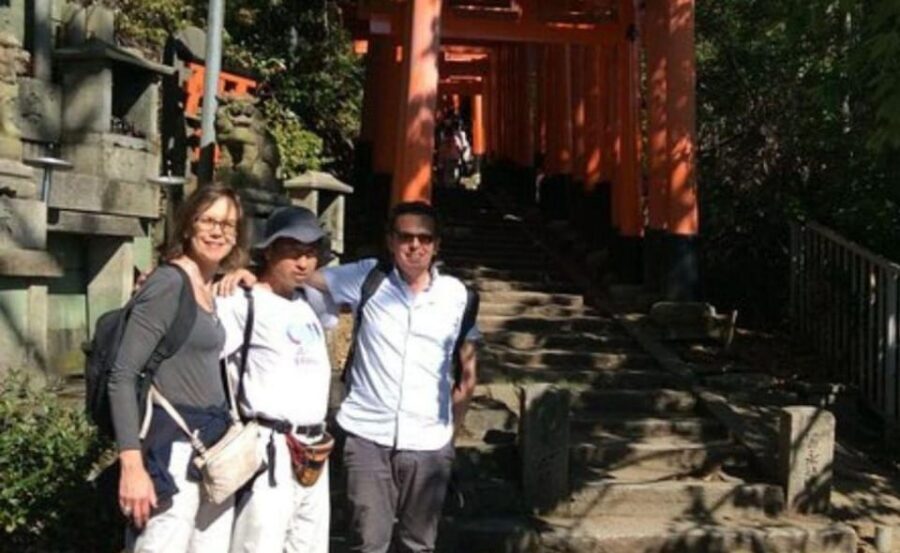
Wajid’s tour style was singled out for making the torii experience feel more grounded, not just scenic. This is where a guide can help you notice details you’d otherwise miss—like how the layout makes you move through the space in a specific way. Give yourself time here. It’s not a place you want to speed through if you care about atmosphere.
Sanjusangendo Temple: the 1,001 Buddha moment
If you want a stop that feels visually specific, Sanjusangendo Temple is a strong choice. One review called out the explanation of the 1,001 Buddha statues, which is exactly the kind of payoff that makes a guide worth it. You see the mass of figures, and then your brain has a framework for what you’re actually looking at.
This is also a good pause in the day when you want something structured—less wandering, more focusing.
You can also read our reviews of more guided tours in Kyoto



Kiyomizu-dera: pacing matters at a UNESCO hit
Kiyomizu-dera is one of those must-sees where the crowds can be intense. The value of a private guide isn’t avoiding crowds magically—it’s pacing you so you can still enjoy the place.
Wajid was praised for a perfectly paced visit at Kiyomizu-dera. That matters because the experience isn’t just the main view. It’s the approach, the surrounding streets, and the time your brain needs to connect what you’re looking at with why it matters.
Sannenzaka and Ninenzaka: the streets between the big stops
After a major temple, Kyoto often rewards you most in the smaller streets. Sannenzaka and Ninenzaka are a strong example: they’re famous, but they still work when you treat them like more than a photo hallway.
A guide can point out cultural details that are easy to overlook when you’re scanning for the next landmark. This is where that extra context makes your walk feel intentional instead of random.
A route example: Daimonji, the Philosopher’s Path, and Ginkaku-ji

One of the most useful ways to plan is to choose a theme, then build a route that matches it. If you like scenic walks plus classic temple atmosphere, a route around Daimonji and the area near the Philosopher’s Path can be a great fit.
In a highly praised experience, Kevin started with a cafe stop around Sakyo (AG Coffee) and then worked toward Daimonji. That cafe beginning isn’t just a nice touch. It’s practical. It sets the tone, gives you a calm start, and helps you reset before you head into more demanding walking.
At Daimonji, the guide explained differences between temples and shrines and what that means in practice. That’s a big value-add because many visitors treat them like interchangeable categories. Once you know what to look for, the architecture starts telling a clearer story.
Then the walk continued toward the Philosopher’s Path and on to Ginkaku-ji. This sequence works well because it builds from viewpoints and wandering into a more defined temple experience. You also get a rhythm: walk, pause, learn, photograph, then move again. Done right, it doesn’t feel like check-list tourism.
A note on timing: Kyoto’s heat can be real. Reviews praised guides for adjusting for the temperature and even keeping families comfortable. If you’re visiting in hot months, talk to your guide about where to take breaks and when to tackle more exposed stretches.
Gion and Maruyama Park: geisha culture without the confusion
Gion can be tricky. It’s iconic, but it’s easy to end up walking in circles chasing a vibe. With a guide, you get a more grounded view of what you’re seeing.
Jerome was praised for a strong discovery of Gion and for being punctual and easygoing. That kind of approach helps because Gion isn’t just about photo angles. It’s about understanding how the neighborhood works, how people move through it, and what features are worth noticing.
Maruyama Park is another place where context can change everything. In one of the top Kyoto reviews, Wajid used the stop to explain geisha culture and even pointed out a quirky detail: the Pokémon manhole. That’s the kind of small, memorable specificity that makes a day feel personal.
The practical win: a guide can also point out good viewpoints and street details without you feeling like you’re always on a mission. It turns the walk into something you want to slow down for.
What your guide adds beyond the landmarks
The guide is the whole point, and the strongest feedback in Kyoto-focused reviews centers on three themes.
First: structure and history that actually lands. Maria was praised for temple history context and for making the explanations practical, with insights that covered culture, economics, and history. That blend matters. Kyoto’s sites aren’t just pretty; they’re connected to how the city developed and how traditions function.
Second: real-world help after the tour. Multiple reviews mentioned guides providing recommendations for what to do next, including food suggestions. That’s huge because Kyoto travel planning can get messy fast once you leave the main sites. A guide who helps you decide where to eat and what to prioritize next can save you hours of guesswork.
Third: adaptation to your group. One experience highlighted a guide adapting the tour for kids, and another mentioned keeping twin boys cool in hot weather. Private tours are ideal for families because you can skip the parts that don’t work and spend extra time where everyone’s engaged.
Price and value: what $62 covers, and what you’ll still pay
At $62 per person, this tour sits in a mid-range category for private guide experiences. The value comes from a few specific inclusions:
- Private walking tour (your group only)
- Customization so you don’t waste time on stops you don’t care about
- Hotel pickup if your accommodation is in the city
- Guide support for tickets for selected visits
- Walking plus public transport as needed (car transportation isn’t part of this setup)
What you should budget separately:
- Drinks and food
- Attraction tickets
- Any transportation beyond what’s included (it’s a walking tour, with public transport only if the tour uses it)
So the money isn’t paying for admissions. It’s paying for time, planning, pacing, and interpretation. In Kyoto, that can be the difference between a crowded day of noise and a calm day that makes sense.
How long should you book: 2, 4, or 8 hours
The duration range is 2 to 8 hours, which is great because Kyoto rewards both short focus days and longer “see more, understand more” days.
A 2-hour version is best if you want a quick orientation: one main cluster of sights plus a few streets to understand the district. It’s also a good way to test whether you like the walking pace and guide style.
A 4-hour booking is the sweet spot for most first-timers who want both a major temple/shrine stop and a second area that feels different. It’s enough time to reduce stress and still feel like you saw something beyond the obvious.
An 8-hour day works if you’re serious about zoning your day by neighborhood, plus adding extra stops and breaks. It’s also the right choice if you want your guide to include a museum visit alongside the walk.
Getting around: meet-up, walking, and public transport
You meet your guide in Kyoto, with hotel pickup if you’re located in the city. From there, expect a walking-based format. The setup also includes public transport in many cases, though the exact use depends on the options you choose.
Cars aren’t part of the plan. That’s not a downside—it keeps the tour tied to the real foot-traffic rhythms of Kyoto. It also means you’ll want footwear that can handle uneven stone paths and steps. If you’re traveling with someone who doesn’t love stairs, tell your guide early so they can steer you toward the most manageable route.
Who this tour is best for
This private Kyoto walking tour fits well if you want:
- A first trip where you need direction fast
- More meaning from temples and shrines than you’ll get from guidebooks alone
- A day that can shift based on weather, energy, or kids’ needs
- A guide who helps you move efficiently and decide what’s worth your time
It can also be a strong pick for couples who want a more personal pace. Instead of sticking to a rigid route, you can build a romantic, calm day through districts like Gion and the areas around Kiyomizu-dera and Maruyama Park.
Should you book this Kyoto private walking tour?
Yes, if you’re the kind of traveler who hates random roaming and wants a day that makes sense. This tour is especially worth it in Kyoto because the city’s districts and temple rules feel confusing until someone points out how they connect.
Book it if:
- You want a customizable plan with the ability to include museums
- You care about context at major stops like Fushimi Inari, Sanjusangendo, and Kiyomizu-dera
- You like getting practical advice for the rest of your stay, including where to eat
Skip it (or shorten your day) if:
- You’re determined to fully self-guide and don’t want to pay for interpretation
- You know you can’t handle a long walking day with steps and temple approaches
If you’re unsure, I’d lean toward a 3–4 hour start. It’s enough time to see how your guide’s style clicks, and Kyoto always has more to offer on day two.
FAQ
What’s the duration of this Kyoto private walking tour?
The tour runs from 2 up to 8 hours, depending on the start time and the option you choose.
Is this tour private?
Yes. It’s a private group experience, so you’re not mixed with other travelers.
Where does the tour start?
You meet in Kyoto, and if your hotel is located in the city, pickup is available.
What languages are available for the live guide?
The guide is available in Spanish, English, French, and Italian.
Can the tour be customized to include museums?
Yes. The guide can adapt the route to your interests, including the option to add a museum visit.
Are attraction tickets included?
No. Tickets for attractions are not included, though the tour includes help booking tickets for the visits you want.
Is food included in the price?
No. Drinks and food are not included.
Is transportation included?
This is primarily a walking tour. Walking is part of the experience, and public transport may be used depending on the option you select. Car transportation is not included.
Is there a refund if plans change?
The activity offers free cancellation up to 24 hours in advance for a full refund.
Is the tour wheelchair accessible?
Yes, it’s listed as wheelchair accessible.