REVIEW · KYOTO
Osaka/Kyoto:Kinkakuji,Arashiyama,FushimiInariShrine,NaraPark
Book on GetYourGuide →Operated by VIP Japan Tour · Bookable on GetYourGuide
A gold temple, a torii tunnel, and wild deer in one day. This Osaka/Kyoto loop strings together Kinkaku-ji and Fushimi Inari with Arashiyama’s bamboo and Nara’s park life, then adds the UNESCO weight of Todai-ji. It’s the kind of day where you stop thinking about logistics and start noticing details.
What I like most is the mix of nature and landmark density, plus the guided pacing that keeps you moving without feeling like you’re on a scavenger hunt. Nara Park is genuinely fun because the deer are there right in the open, and Arashiyama gives you a memorable pause in the middle of the route. The main drawback to plan for: it’s a long, packed day, and the bamboo area can feel time-tight if crowds swell.
In This Review
- Quick take: what you’ll remember most
- The basic idea: four icons plus Todai-ji, without the transit headache
- VIP lounge start and the rhythm of a 9-hour day
- Nara Park deer encounter: fun, but follow the rules
- Todai-ji Temple: the giant Great Buddha in context
- Arashiyama Bamboo Grove: a calming walk that can get crowded
- Kinkaku-ji Golden Pavilion: gold leaf, reflections, and quiet gardens
- Fushimi Inari Shrine: the 1,000 torii gate walk to Mount Inari
- Lunch choices: Kobe Beef shabu-shabu (Osaka-only) and what makes it worth it
- Price and logistics: why $66 can work
- Who should book this, and who might want a different plan
- Should you book this Osaka and Kyoto highlights tour?
- FAQ
- What places are included in the tour?
- Is the entrance fee for Todai-ji included?
- What’s the lunch option, and when is it available?
- How much time do I get in Arashiyama?
- Where does the tour start and end?
- What language is the guide?
- Is the vehicle air-conditioned?
- Are there any rules for the deer at Nara Park?
Quick take: what you’ll remember most
- UNESCO punch: Kinkaku-ji plus Todai-ji (with the Great Buddha)
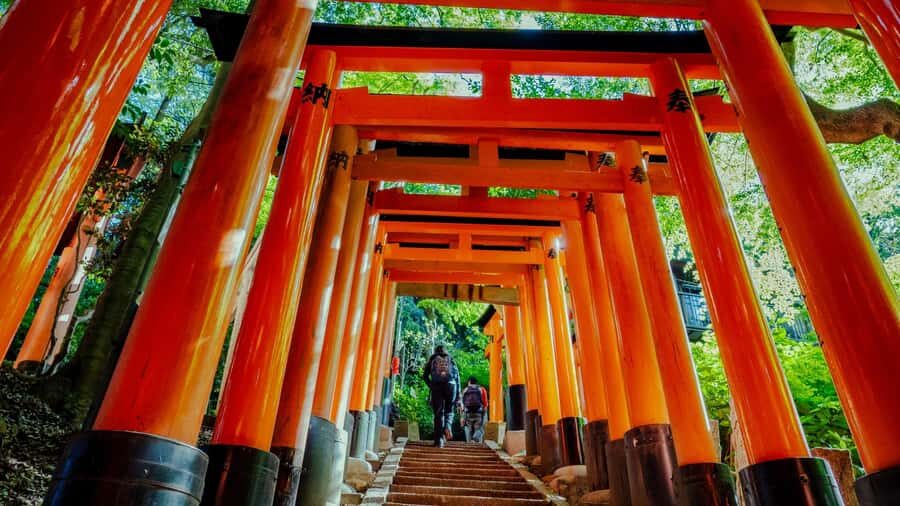
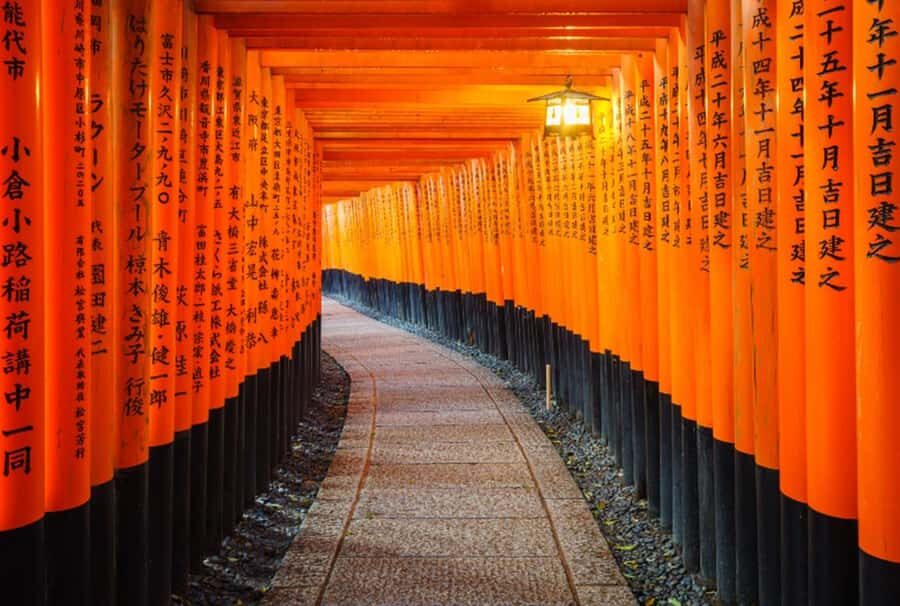
- Fushimi Inari’s torii tunnel: a walk through about 1,000 vermilion gates
- Nara Park deer time: free-roaming deer, with the simple rule to not disturb them
- Arashiyama Bamboo Grove reality check: you get a set time window, and it can get crowded
- Optional Kobe beef lunch: Osaka-only shabu-shabu, explained with how Kobe standards work
- Guide-led timing: clear meet-back moments so you don’t waste hours figuring out buses
The basic idea: four icons plus Todai-ji, without the transit headache
This tour is built for people who want Kyoto and Nara’s biggest hits in one go, starting from Osaka or Kyoto. The value isn’t just the list of stops; it’s how the day is stitched together so you’re not bouncing between trains, transfers, and timetables.
You’ll see two UNESCO sites tied to Japanese temple culture, then shift to two of the most famous “experience” places: Fushimi Inari for the torii walk, and Nara for the deer park atmosphere. It’s a smart way to spend limited vacation time while still getting that wow factor at each turn.
You can also read our reviews of more tours and experiences in Kyoto.

VIP lounge start and the rhythm of a 9-hour day
You begin from a VIP Lounge in either Osaka or Kyoto, and you ride in an air-conditioned vehicle with a guide speaking English or Chinese. The tour is listed at about 9 hours, but traffic and extra stops can stretch it, so plan for a full day out.
One practical thing I appreciate is the emphasis on timing. The bus departs promptly, and if you’re late or at the wrong meeting point, you can miss the tour with no refund—so I’d treat the meeting spot like boarding a flight.
Also note the ending: the tour finishes back at the meeting point area, with an option to end in Kyoto or Osaka depending on what you choose. That choice matters because it can save you time and energy when you return to dinner plans.
Nara Park deer encounter: fun, but follow the rules
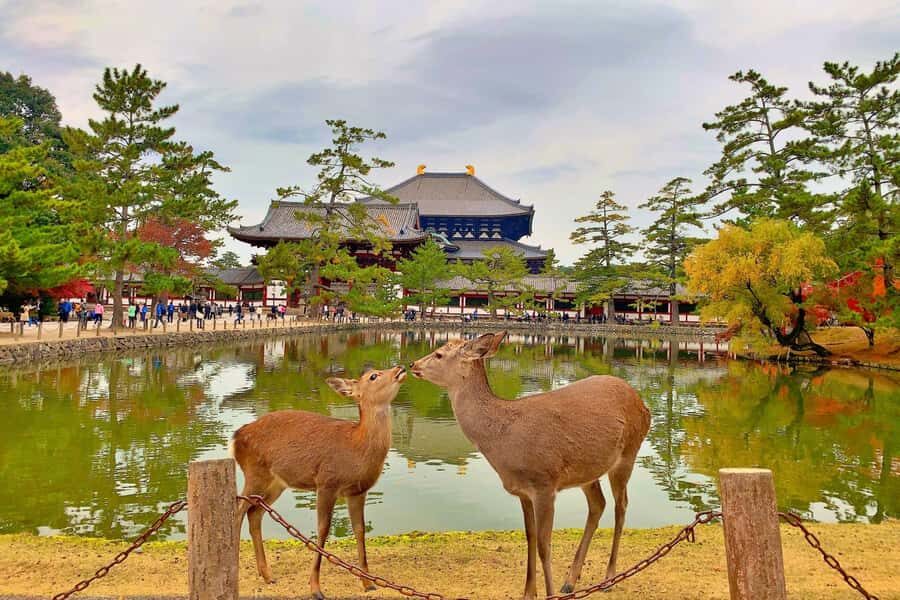
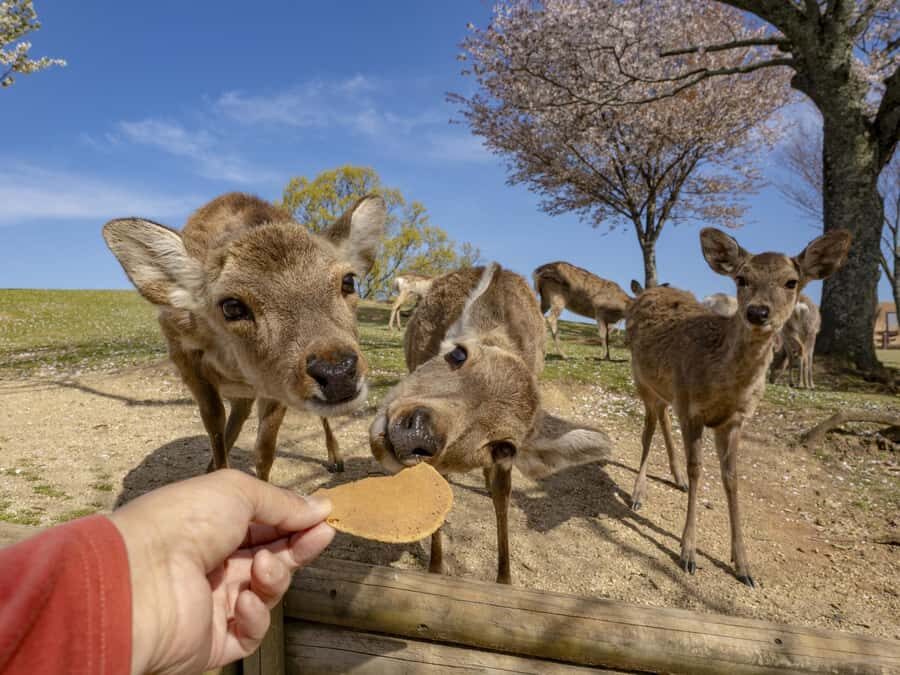
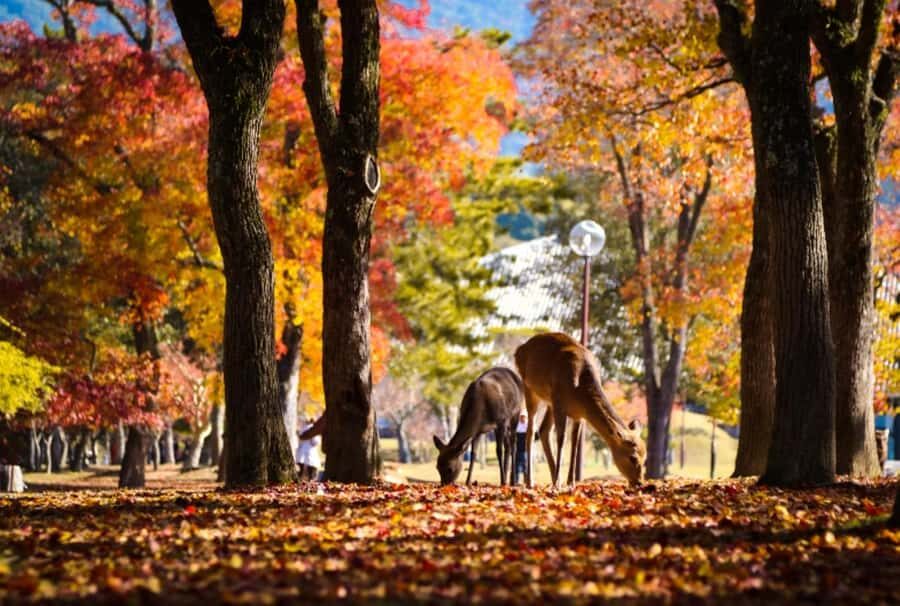
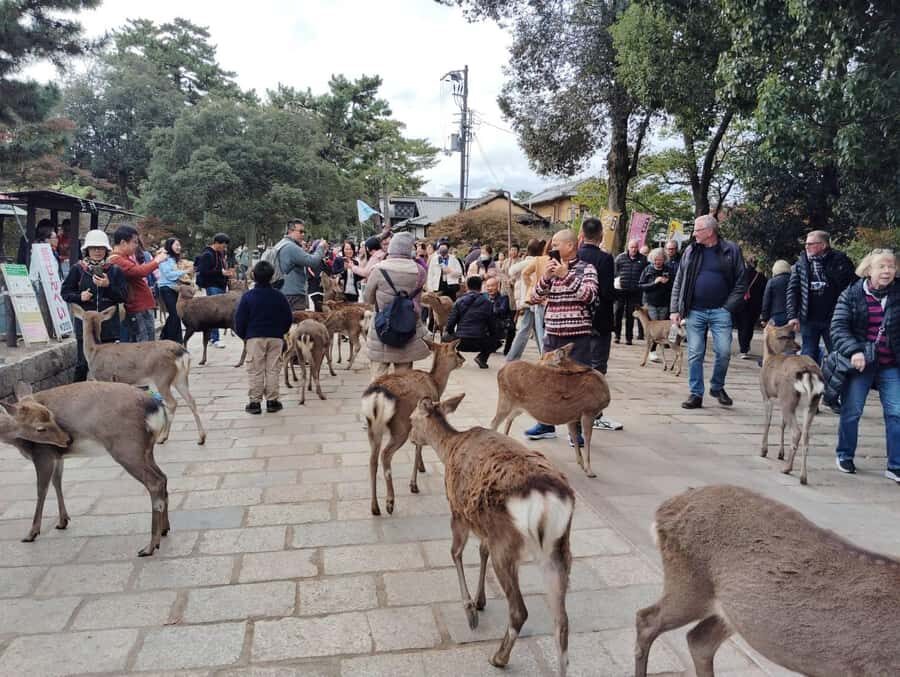
Nara Park is one of those places that feels easy and alive. You stroll through a historic park setting where the deer are free-roaming and part of the symbolic vibe of the area.
What to keep in mind is that the deer are wild animals, so the simple rule is: don’t disturb them. That means you’re there to enjoy the moment from a respectful distance, not to chase the deer for photos.
I like how this stop sets the tone for the day: it’s not just “walk to a building,” it’s a real-world scene. You’ll feel the shift from city life into slower park rhythms before the temple-heavy portion starts.
Todai-ji Temple: the giant Great Buddha in context
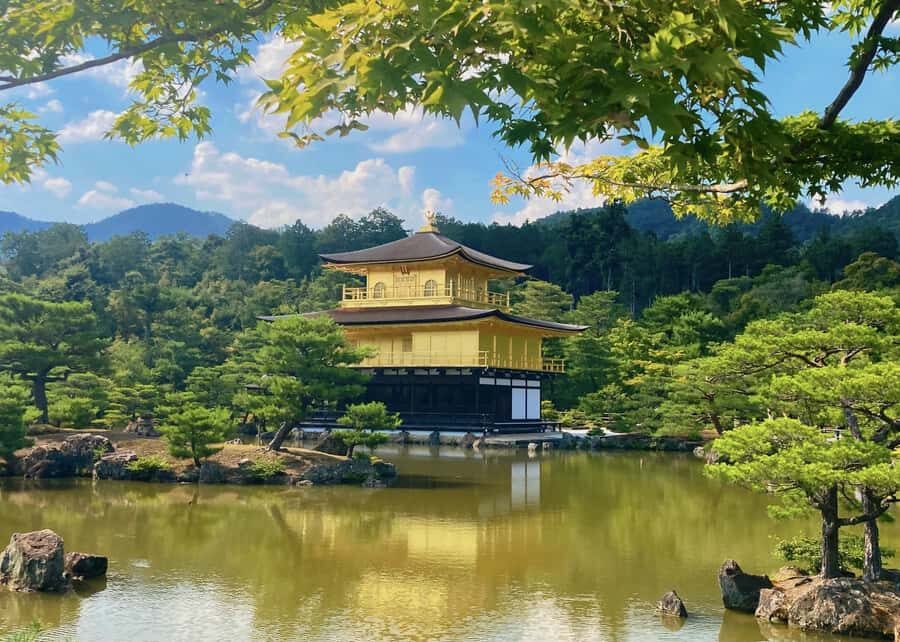
After Nara, you visit Todai-ji Temple, a UNESCO World Heritage site known for being the largest wooden structure in the world. The headline is the Great Buddha statue, reported as about 15 meters tall, and seeing it in person is the kind of scale that photographs struggle to explain.
One key logistics detail: entrance fees for Todai-ji are not included. That means you should expect to pay separately on arrival, even though Kinkaku-ji’s entrance is included later.
The payoff here is not only the size. Todai-ji also gives you a broader view of Japan’s temple tradition before you switch gears again to gold-leaf beauty and torii mythology.
Arashiyama Bamboo Grove: a calming walk that can get crowded
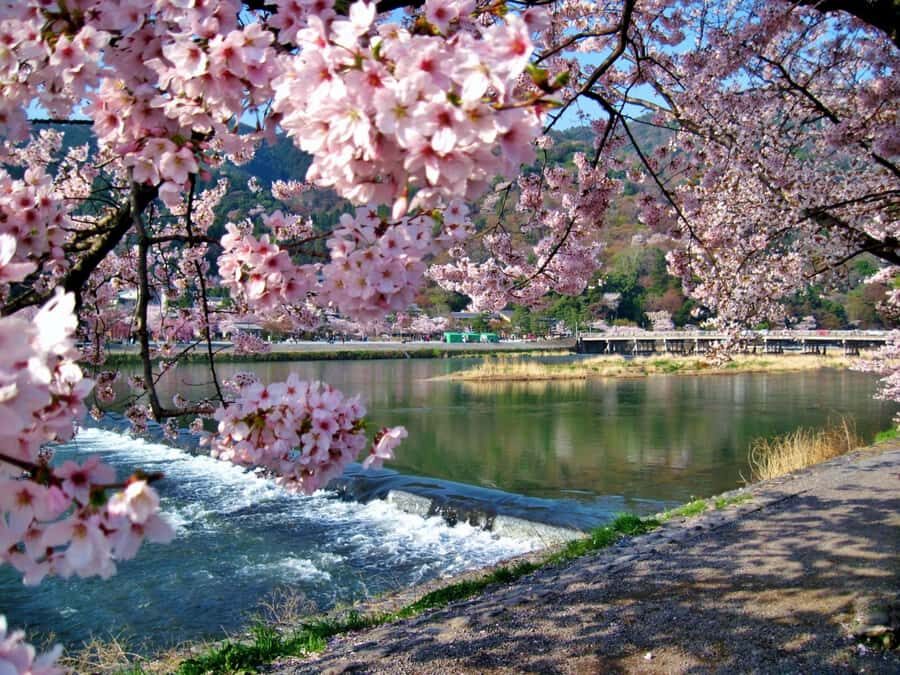
Arashiyama is where the day shifts to scenery. The Bamboo Forest is famous for tall green stalks and that soft, filtered light effect as you walk along the path.
Timing is the make-or-break factor at this stop. If you choose the lunch option, you get about 60 minutes in Arashiyama after lunch. If you skip lunch, you get about 120 minutes in Arashiyama, which is a lot more breathing room for wandering, browsing side streets, and re-walking the bamboo path if the crowd flow changes.
In real-world terms, bamboo time can feel shorter than you expect. One thing you can do to make the most of it is to decide ahead of time how you’ll use your minutes: either focus on the main bamboo walk quickly, or spend longer moving through the surrounding lanes where small food and shop choices pop up.

Kinkaku-ji Golden Pavilion: gold leaf, reflections, and quiet gardens
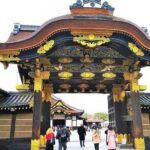
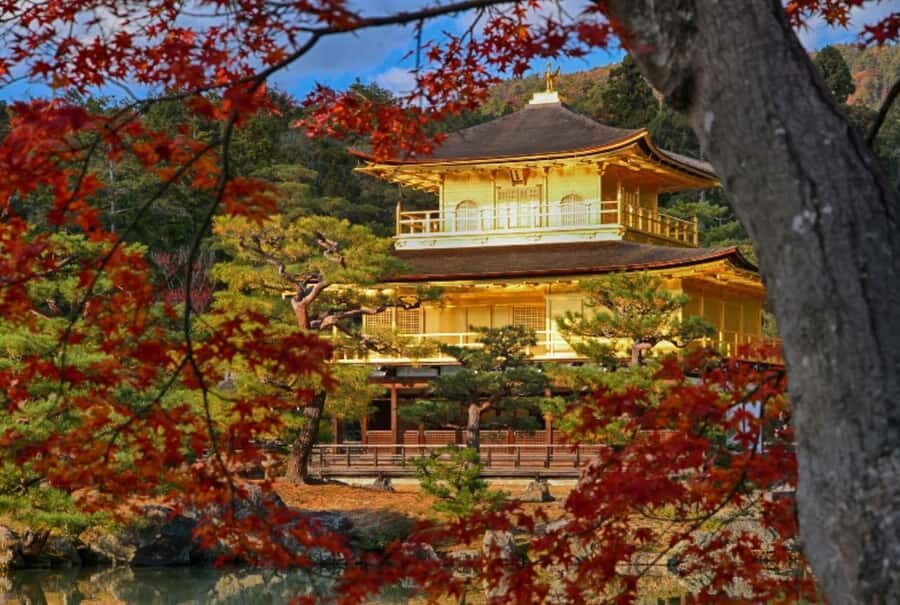
Next comes Kinkaku-ji, also a UNESCO World Heritage site, famous for the Golden Pavilion’s gold-leaf exterior. What’s special here is the contrast: the pavilion is iconic, but the gardens and pond reflections are what make it feel peaceful rather than like a selfie factory.
This stop has an advantage for your budget and simplicity: the tour includes the entrance fee to Kinkakuji Temple. So you won’t be doing last-minute ticket math while everyone else is lining up.
If you care about photos, aim to take your time with where the pavilion meets the water. The guide’s pacing matters here because you’re trying to get both the structure and the reflection before the crowd tide moves through.
Fushimi Inari Shrine: the 1,000 torii gate walk to Mount Inari
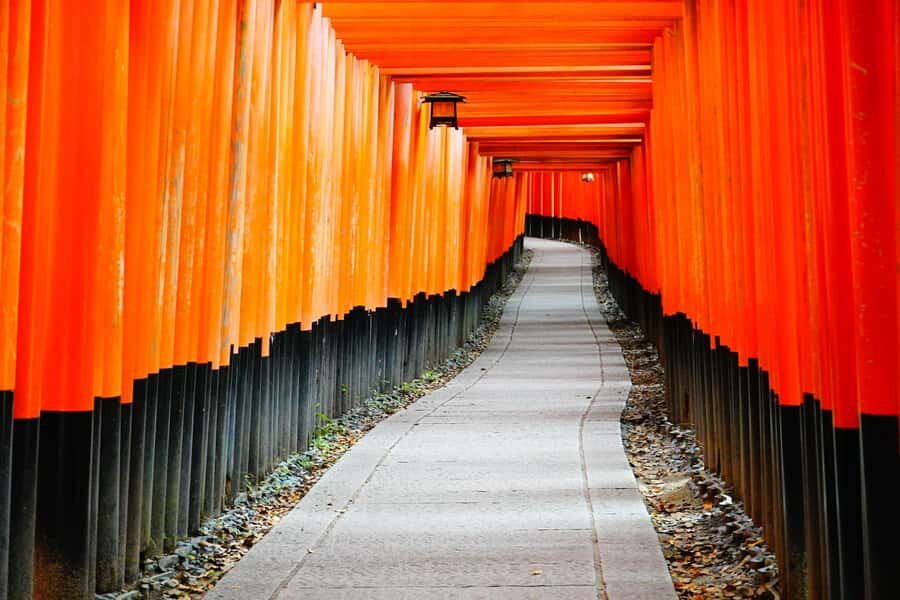
Fushimi Inari is the “walk through the story” stop. You’ll visit as a Shinto shrine and Important Cultural Property, then follow the iconic path of vermilion torii gates winding up Mount Inari.
You’ll be walking through about 1,000 torii gates, and each gate represents a prayer or offering to Inari Okami, associated with prosperity, household safety, and success. That context turns the scenery into something you can read—so the route feels less like repeat steps and more like a spiritual staircase.
Two practical tips I’d keep in mind: wear comfortable shoes because this is a real walk, and plan your energy for the climb sections. If you’re coming straight from Kinkaku-ji, expect the day to feel a little more active at Fushimi Inari.
Lunch choices: Kobe Beef shabu-shabu (Osaka-only) and what makes it worth it
There’s an optional Kobe beef lunch, but it’s only offered when you depart from Osaka. The lunch is Japanese Wagyu Kobe Beef shabu-shabu, paired with an explanation of Kobe beef and how it meets strict standards among Japan’s major Wagyu breeds.
What matters for you isn’t the marketing language; it’s the eating style. Shabu-shabu cooks quickly, and the finely textured, tender meat with marbling is designed to melt during cooking for a soft, velvety feel.
You can also order Kobe beef aburi sushi for an extra cost on site. That’s a nice option if you want a small upgrade without committing to more than you can eat on a full day.
If you don’t take lunch, you keep more time in Arashiyama (120 minutes). So it’s a straight trade: food plus a shorter bamboo window versus more wandering.
Price and logistics: why $66 can work
At $66 per person, the tour has good value for what’s included. You get an English/Chinese-speaking guide, an air-conditioned vehicle, all taxes/fees/handling, and the entrance fee to Kinkaku-ji.
Two costs to remember: Todai-ji entrance is not included, and the Kobe beef lunch is optional (with specific availability from Osaka only). So your day’s budget depends on whether you eat lunch and whether you want to factor in Todai-ji ticket time and cost.
Still, if you’ve ever tried to connect Osaka/Kyoto to Nara plus the Kyoto icons in one day using public transport, you already know the hidden expense is time and stress. This tour buys back your energy by bundling the route and managing the meet-back moments.
One more value signal: many people praise how the day stays on track, with guides known by names like Harry, Gary, Nick, Ben, Mike, Tracy, Eric, Chi, Mimi, Panda, and others for being organized and friendly. Even when there are delays, they’re often tied to late or lost participants rather than the sightseeing plan itself.
Who should book this, and who might want a different plan
This tour fits best if you want a structured highlights day and you’re okay with a packed schedule. It’s especially helpful if you’re short on time or you don’t want to wrestle with intercity transit while also trying to hit multiple top sights.
I’d lean toward booking if you like:
- a guided, stop-by-stop history and directions approach
- doing Nara and Kyoto icons in one day
- getting a clear return to Osaka or Kyoto after the last temple stop
I’d hesitate if you strongly dislike long days or you get cranky when you feel rushed in crowd-heavy areas. The Arashiyama bamboo window can feel tight, and this is a day where you can easily hit very high step counts—one group reported walking around 21,000 steps.
Should you book this Osaka and Kyoto highlights tour?
I’d book it if you’re aiming for maximum classic sights per day and you want the route handled for you. The UNESCO combo (Kinkaku-ji and Todai-ji), the practical guided timing, and the iconic Fushimi Inari torii walk make it an efficient way to experience Kyoto and Nara without spending your whole trip thinking about transfers.
Skip or reconsider if you want a slow, flexible pace or you’re the type who needs lots of free wandering time in the bamboo area. In that case, you’ll probably want either a longer stay in Arashiyama or a different itinerary that gives you more cushion between stops.
FAQ
What places are included in the tour?
You visit Nara Park, Todai-ji Temple, Arashiyama, Kinkaku-ji Temple, and Fushimi Inari Shrine.
Is the entrance fee for Todai-ji included?
No. The tour includes the entrance fee to Kinkakuji, but Todai-ji entrance fee is not included.
What’s the lunch option, and when is it available?
There’s an optional Kobe Beef shabu-shabu lunch, available only for departures from Osaka. Kobe beef aburi sushi can be ordered on site for an additional cost.
How much time do I get in Arashiyama?
With the lunch option, you get about 60 minutes in Arashiyama. Without lunch, you get about 120 minutes.
Where does the tour start and end?
It starts from a VIP Lounge in Osaka or Kyoto (meeting point can vary by option). It ends back at the meeting point, with an option to finish in Kyoto or Osaka.
What language is the guide?
The guide provides English or Chinese commentary, and depending on group size it may be both.
Is the vehicle air-conditioned?
Yes, the tour uses an air-conditioned vehicle.
Are there any rules for the deer at Nara Park?
Yes. The deer are wild animals, so you should not disturb them.