REVIEW · TOKYO
Ultimate Sumo Tournament: Tokyo, Osaka, Nagoya, Fukuoka
Book on Viator →Operated by Japan Awaits · Bookable on Viator
Sumo can feel like total theater at first. This tour helps it click fast, with reserved seats and an English-speaking sumo expert who explains what you’re seeing as the matches fly by. You also get an audio headset so you don’t have to guess over the arena noise, and you’ll receive a banzuke-hyo ranking chart to follow the action.
What I like most is that the seats are handled for you (Standard or closer Private options) and the commentary is built for real understanding, not just pointing at the ring. One thing to plan for: there can be a wait before seating because the staff must get everyone in only after the sumo matches end, and the flow can get crowded around any museum area.
In This Review
- What you’ll feel after the tour ends
- Key takeaways before you book
- Why a reserved-seat sumo tour is the smart move
- Tokyo’s Ryogoku Kokugikan: where sumo feels most official
- Tokyo tips that make the day easier
- Osaka at EDION Arena: same sport, different feel
- Nagoya at IG Arena: perfect if you like a calmer pace
- Fukuoka in November at Kokusai Center: year-end energy
- Standard vs Private seating: what you’re buying with the extra closeness
- The guided program: what your expert actually helps you notice
- No outside food, but vendors make it easy
- Earplugs and heat: two comfort issues to plan for
- Chanko nabe dinner add-on: what to expect and how vegetarian works
- Price and value: does $184.38 make sense?
- Off-season option: morning sumo stable practice near Warabi
- Who should book this sumo experience
- Should you book the Ultimate Sumo Tournament tour?
- FAQ
- What cities and tournament months does this experience cover?
- Where is the Tokyo tournament held?
- How long is the tournament-day portion?
- What time does the tour start?
- What kind of seats do I get with the Standard option?
- What are Private tour seats?
- Is a chanko dinner included?
- Can I bring outside food or drinks into the arena?
- Is transportation from my hotel included?
- What is the off-season stable practice, and does it include a tournament seat?
What you’ll feel after the tour ends
By the time you step out of the arena, sumo stops being random. With guides such as Miyko, Seizo, Hiroshi, Izumi, and Tak-san (names that show up repeatedly in the experience), you get clear context for the rituals, the ranking system, and why wrestlers do what they do before and after each bout. If you choose the dinner add-on, you can also end the day with chanko nabe, the classic sumo hot pot (vegetarian available).
Key takeaways before you book
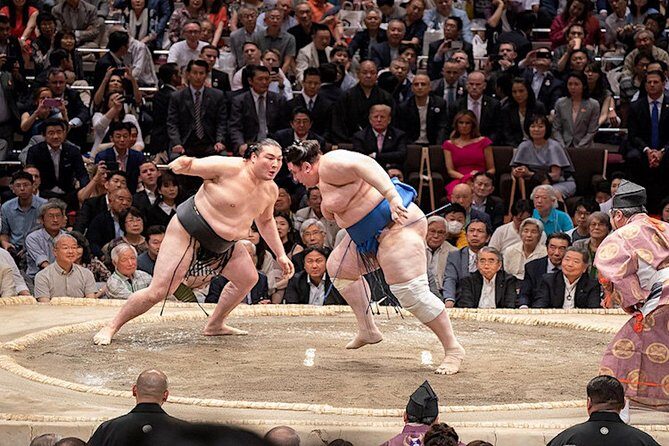
- Reserved seats in the official arena save you from the usual ticket scramble.
- Headset commentary keeps you oriented even when the ring moves at lightning speed.
- A banzuke-hyo ranking chart helps you track wrestlers’ rank and style.
- Standard vs Private seating changes how close you’ll feel to the action.
- Chanko nabe dinner adds a real taste of sumo food culture, with a vegetarian option.
- Off-season stable practice is a different day: no tournament seat, but you see training up close.
You can also read our reviews of more tours and experiences in Tokyo.



Why a reserved-seat sumo tour is the smart move
I love experiences where the hardest part is handled for you. With sumo, that’s the tickets. The tournament is the main event, and seats can be extremely hard to get on your own as a foreign visitor. This tour’s main value is simple: you get allocated reserved seating at the official basho arena, plus a guide who translates what’s happening into something you can actually follow.
There’s also a second value layer. Sumo has strict rules and rituals—less like “random wrestling” and more like a sport with deep formal structure. A good guide doesn’t just add facts; they help you read the match. You’ll hear who you’re looking at, how rankings connect to status, and what specific actions in the ring are signaling. That’s what turns a seat in the stands into an understanding of the whole system.
One more practical perk: you don’t have to build your own plan around timing. The tour starts at 2:00 pm, uses a local meeting point near public transportation, and runs about 4 hours inside the tournament day portion.
Tokyo’s Ryogoku Kokugikan: where sumo feels most official
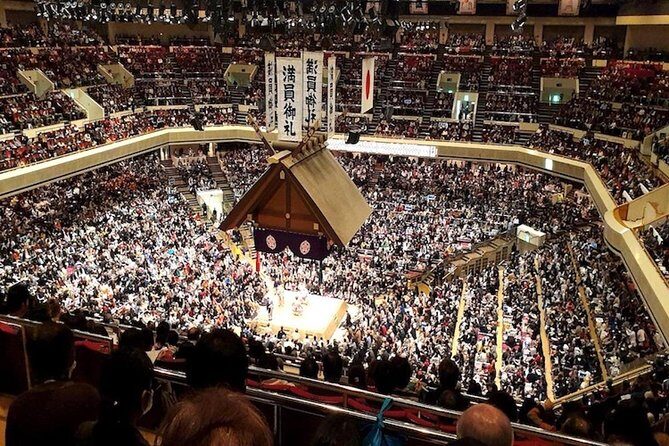
When you’re in Tokyo, the experience centers on Ryogoku Kokugikan, Japan’s major sumo venue. The big deal here is credibility. This is where the sport is staged in a way most outsiders never see up close. The guide-led format matters because sumo pacing is fast, and the important pre-bout moments can disappear if you don’t know what to watch for.
Here’s what you can expect during the guided portion:
- You’ll start at the arena area, then get oriented before you settle in.
- You’re led to reserved seats (for Standard tours: second-floor B chair seats in rows 7–11, or C chair seats; Private tours use closer A-class or S-class seats).
- You use an audio headset to hear the guide explain the history, the rules, and the meaning of what wrestlers are doing.
- You get a sumo info pamphlet and the banzuke-hyo ranking table, which helps you track matchups.
A small but real consideration: because seating must happen after matches end, you might stand around for a bit. If you dislike waiting, treat that as part of the arena rhythm. The payoff is that once you’re in your seat, you’ll have time to watch properly rather than running around trying to understand what’s going on.
Tokyo tips that make the day easier
I’d plan your outfit for comfort. People report the Tokyo arena can run warm, so dress lightly. Also, the headset volume can be strong. If you’re noise-sensitive, consider bringing an ear plug or loop so you can reduce the volume without losing the guide’s commentary.
Osaka at EDION Arena: same sport, different feel
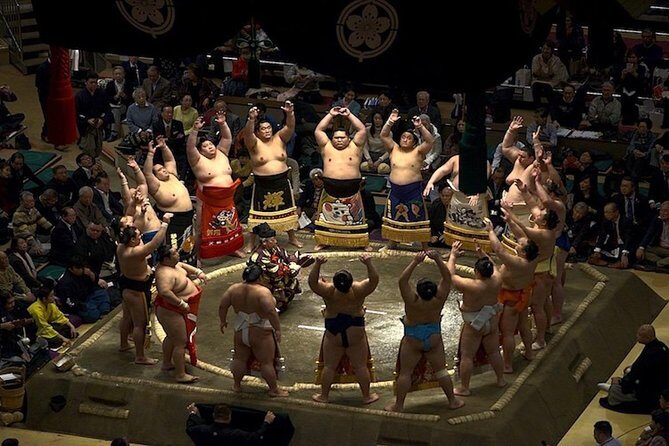
For Osaka, you’ll head to EDION Arena Osaka for the March tournament experience. The core structure stays the same—4-hour guided visit, reserved seating, English-speaking sumo expert, and headset commentary—so you’re not losing the “learn as you watch” format.
What changes is the atmosphere. Different cities bring different crowd energy, and that can matter for sumo because the arena is part of the show. Osaka also makes a good fit if you’re already planning time in the Kansai region and want one iconic Japan experience that’s not just sightseeing photos.
Practical point: some tours in this set list show that tournament ticket admission is included and varies by seat class by city/date. The key stays consistent: your guide helps you follow bouts and rituals rather than leaving you to read faces and body language in silence.






Nagoya at IG Arena: perfect if you like a calmer pace
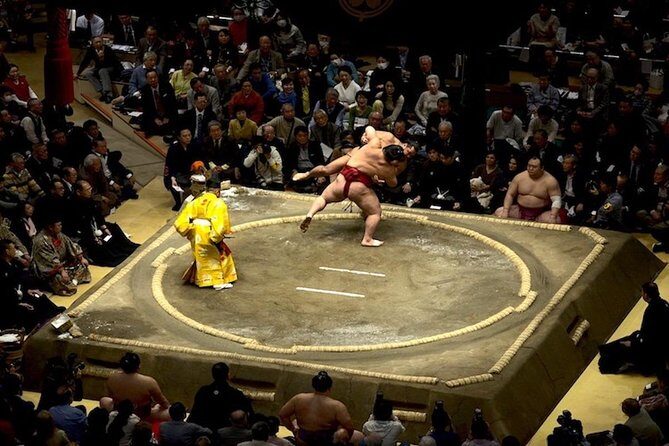
For Nagoya (listed as the July tournament), you’ll visit IG Arena with the same overall tour length and guided approach. The goal is still the same: reserved seats, explanations, and enough structure that you understand what matters in each bout.
If you’re the type who likes to actually absorb a sports culture, Nagoya can feel like a great match—pun intended—because you’ll have a guide-led rhythm: orientation, seating, then commentary that helps you recognize wrestlers, styles, and match progression.
Also, this set of experiences often gives you time during the event area for browsing and buying food or drinks from vendors. That’s useful because you’re not trapped in “guided mode” every minute.
Fukuoka in November at Kokusai Center: year-end energy
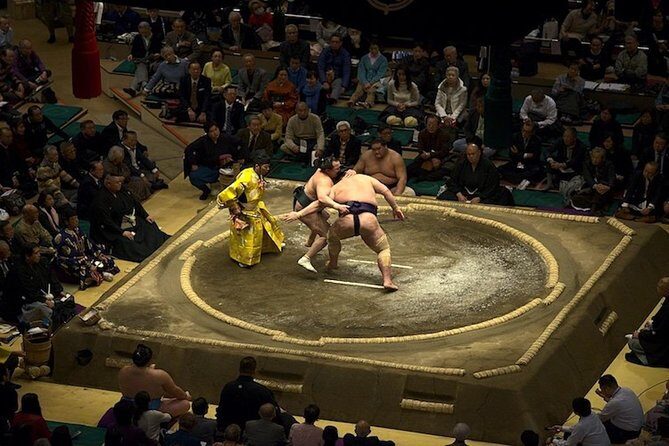
In Fukuoka, the experience is tied to the November tournament at the Fukuoka Kokusai Center. By this point in the calendar, sumo can feel like it has extra weight because it’s tied to the year-end competition energy. The tour still leans heavily on explanation—so even if you only know sumo from TV highlights, you’ll have the framework to appreciate what you’re seeing in the ring.
If you’re building a Japan trip around seasonal timing, this is a big advantage. You don’t have to force Tokyo only. You can plan your tournament day based on where your itinerary naturally puts you, then use the tour to handle tickets and the cultural decoding.
Standard vs Private seating: what you’re buying with the extra closeness
This is where you should make a clear choice. The difference isn’t just price—it’s the feeling.
- Standard Tour seats place you on the second floor in B chair seats (rows 7–11) or C chair seats.
- Private Tour seats are A-class or S-class, meaning you sit closer to the ring.
If you want the full physical impact—judging stance, footwork, and the intensity just before contact—Private seating is the better emotional buy. If you’re price-sensitive and want the guide and ranking context, Standard still gives you the explanations and reserved access that make the event worthwhile.
Also note the group format. For the join-in group approach (Standard), there’s a stated maximum of 20 people in the same seat location with the English-speaking guide. That helps keep the commentary coherent and prevents the guide from having to talk through a giant crowd.
The guided program: what your expert actually helps you notice
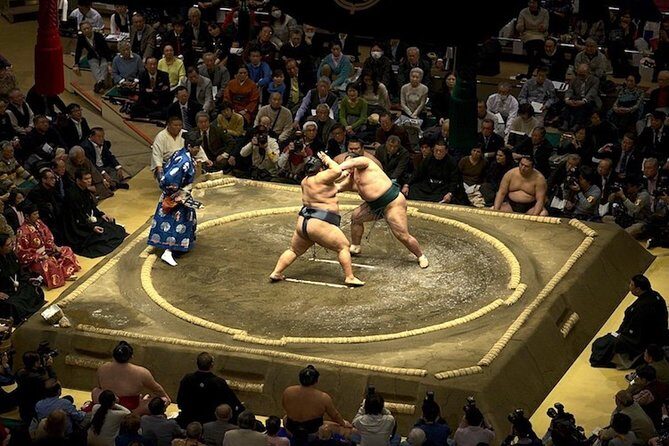
Most of the value here isn’t the stadium. It’s the translation layer. The guide uses multiple tools at once:
- Audio headset to hear commentary clearly over the arena noise
- Banzuke-hyo ranking chart so you can interpret ranks
- A sumo info pamphlet with reference material
- Play-by-play explanations that connect wrestlers and tactics to what you’re watching
The best part is that the guidance seems to go beyond basics. In the experiences, guides named like Hiro, Izumi, and Seizo repeatedly show up as people who explain the “why” behind actions: rituals, symbolic steps, and what styles indicate.
Here’s a simple way to use your seat time. When a bout begins, don’t just watch the moment of contact. Listen for the explanation of the setup—then watch the pre-contact behavior with that context in mind. You’ll notice more in five bouts than you would in a whole unassisted afternoon.
No outside food, but vendors make it easy
One practical arena rule: no outside food or drinks are allowed. The good news is that there are vendors inside where you can purchase items during the event.
If you’re adding the optional dinner, plan for that timing. Tournament-day meals aren’t included unless you select the chanko add-on at checkout.
Earplugs and heat: two comfort issues to plan for
As mentioned earlier, headset volume can be loud. And Tokyo’s arena can run warm. Neither issue ruins the experience, but both are easy to handle if you plan ahead.
Chanko nabe dinner add-on: what to expect and how vegetarian works
If you choose the dinner option, you’ll go to a local chanko hot pot restaurant for a classic sumo-style meal. Chanko nabe is often made with chicken stock as the base, and it includes vegetables and other ingredients that can vary by restaurant.
You can request a vegetarian option. The key detail: traditional broth is typically made with pork or chicken, and the restaurant may substitute the broth for vegetarian needs. Your request is handled at checkout, and once accepted, changes can’t be made within one week of your tour date.
If you’re a foodie, I like this add-on because it’s not just “a meal near the arena.” It connects directly to sumo culture, including the idea that wrestlers eat a lot of chanko because it’s filling and can feed a group easily.
Price and value: does $184.38 make sense?
At $184.38 per person, this is not a cheap outing. But I think the value calculation is fair if you care about getting seats and understanding the sport.
Here’s how it pencils out for you:
- Reserved tournament seating is the big cost driver, and tickets are notoriously hard to get independently.
- You also get a real sumo expert guide, plus headset equipment, and a banzuke ranking chart/pamphlet set.
- If you add dinner, you add another cultural anchor that connects to the sport’s everyday food culture.
So the question isn’t only what you pay. It’s what you avoid:
- avoid ticket hunting,
- avoid figuring out how the arena works,
- avoid trying to translate rituals with no context.
If you just want the cheapest possible seat and don’t care about explanations, you could DIY. If you want to understand sumo properly, this is the kind of organized experience that saves you time and frustration.
One more note: the experience is non-refundable and cannot be changed for any reason. If weather cancels the tour, you’ll be offered another date or a full refund, but otherwise you should book only when your schedule is firm.
Off-season option: morning sumo stable practice near Warabi
This is a different kind of day—one that works best if you’re visiting when no tournament is happening. The stable experience takes place near Warabi Station (about 30 minutes from Tokyo Station) and runs in the morning, listed as 8:00 am–12:00 pm. It’s join-in with a stated group size of 8–16 people and uses audio headsets with an expert guide.
Important distinction: this off-season option does not include a tournament seat ticket. It’s training-focused. You watch wrestlers train at an authentic stable, and the materials provided aim to give context for what you see. You also get chanko lunch after the session as part of the stable experience.
If you hate the idea of waiting through tournament seating and you’re in Japan off-season, this is a fantastic alternative. If you’re in-season and want match days, stick with the basho arena tour.
Who should book this sumo experience
This tour is a strong fit if:
- you want a classic Japan cultural event with built-in explanations,
- you care about understanding rankings, rules, and rituals,
- you want reserved seats handled for you across Tokyo/Osaka/Nagoya/Fukuoka,
- you like the idea of adding chanko nabe if you eat hearty.
It’s also a good option for families and first-timers because the guide format and headset reduce confusion inside a loud, fast-moving arena.
If you only want to watch the sport with zero guidance, you might feel the value is more limited. The tour’s strength is the translation layer, not the stadium alone.
Should you book the Ultimate Sumo Tournament tour?
Yes—with one clear caveat. Book it if you want to understand sumo and you value having reserved seating plus expert commentary. The guidance tools (headsets, banzuke chart, info pamphlet) make the difference between watching something you don’t get and watching something you can follow.
Choose Standard if you’re budget-minded but still want the expert-led experience. Choose Private if you want to feel closer to the ring and watch the fine details.
Just plan for the real-world rhythm: there may be a wait before seating, the arena can be warm, and the headset volume can be intense. Handle those, and you’ll likely walk away with that rare feeling of having seen something truly Japanese—and understood it, not just photographed it.
FAQ
What cities and tournament months does this experience cover?
This experience can be booked in Tokyo, Osaka, Nagoya, or Fukuoka. The tournament months are: January in Tokyo, March in Osaka, May in Tokyo, July in Nagoya, September in Tokyo, and November in Fukuoka.
Where is the Tokyo tournament held?
Tokyo’s tournament is at Ryogoku Kokugikan.
How long is the tournament-day portion?
The guided sumo tournament experience is listed as 4 hours.
What time does the tour start?
The start time is 2:00 pm.
What kind of seats do I get with the Standard option?
Standard seats are second floor B chair seats (rows 7 to 11) or C chair seats.
What are Private tour seats?
Private tour seats are A-class or S-class, which are closer to the ring.
Is a chanko dinner included?
Dinner is optional. If you select it at checkout, you’ll have chanko hot pot at a local restaurant. Vegetarian options are available.
Can I bring outside food or drinks into the arena?
No. Outside food and drinks aren’t allowed in the arena, but food and drinks are available for purchase from vendors inside.
Is transportation from my hotel included?
No. Hotel pickup or transportation is not included.
What is the off-season stable practice, and does it include a tournament seat?
The off-season morning practice is at a sumo stable near Warabi Station and includes guided training viewing with headset. It does not include a tournament seat ticket because no tournament is taking place off-season.