REVIEW · TOKYO
Ninja Lesson in Tokyo – 1 Hour Hands-On with Japanese Master
Book on Viator →Operated by NINJA INTERNATIONAL Inc. · Bookable on Viator
Swords, shuriken, and ninja meditation in one hour. This hands-on Tokyo class pairs a Japanese sensei with real training drills, all in English, plus the chance to dress up and get photos in gear. It runs in a small group (up to 6), so you’re not stuck watching from the back row.
I especially like two things. First, the session is built around practical weapon basics—sword, ninja stars (shuriken), and blow darts—so you leave with more than a costume story. Second, you get ninja clothes rental and guided practice time, which makes the experience feel personal instead of rushed.
One thing to consider: the one-hour format can feel tight if you’re hoping to spend extra time on every weapon, and the session is weather-dependent. Still, with the small group size, you usually get enough attention to make it worthwhile.
In This Review
- Quick highlights
- Ninja Lesson in Tokyo: what you do in the full 1 hour
- Kuji-In meditation: why the lesson starts with your mindset
- Sword, shuriken, and blow darts: your hands-on weapon stations
- Ninja gear, photos, and small-group coaching in Shiomi
- Getting there at 4:00 pm: location, timing, and what to bring
- Price and value: is $82.56 per person fair for one hour?
- Should you book this one-hour ninja lesson?
- FAQ
- What’s the duration of the Ninja Lesson in Tokyo?
- What does the price include?
- How much does it cost per person?
- How big is the class?
- What weapons and activities are included in the training?
- Where is the meeting point?
- What time does the lesson start?
- Is bottled water included?
- Is transportation provided?
- What happens if the weather is bad?
Quick highlights
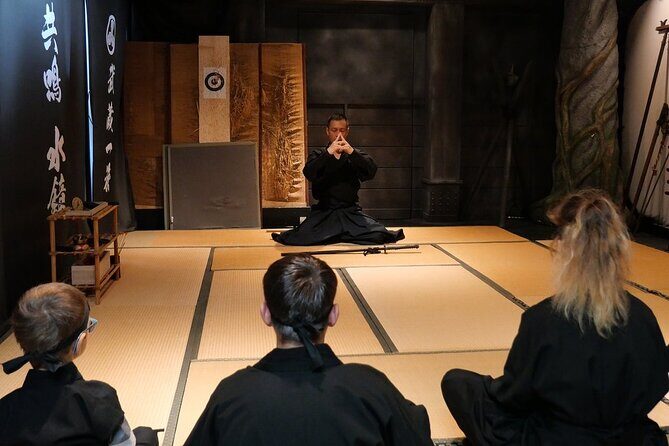
- Small group (max 6): more coaching time, fewer people in the way
- Kuji-In meditation: a real mental warm-up before weapons practice
- Multiple weapon stations: sword, shuriken, and blowgun-style blow darts
- Ninja trick house intro: a fun gimmick that sets the tone for training
- Costume + photos: you’ll take home more than just memories
- 4:00 pm start near transit: easier to stack with your day
Ninja Lesson in Tokyo: what you do in the full 1 hour
This is a straight-up, hands-on class. You’ll meet at NINJA SAMURAI TOKYO in Shiomi (Koto City), and the activity ends back at the same spot, so you’re not juggling extra transfers mid-session. The lesson itself is about 1 hour, which is just enough time to learn the basics, get a bit of training rhythm, and still feel like you did something real.
A typical flow goes like this: you start with gear and preparation (including ninja uniform rental), then you move into the mental side of training. After that, you’ll get introduced to ninja weapons and tools, and there’s also an intro to a ninja trick-house element that helps break the ice and get you thinking like a trainee.
Then comes the main part: demonstration and guided practice. You’ll work through drills connected to ninja sword, shuriken (ninja stars), and blowgun/blow dart techniques. The class wraps with more time to solidify what you practiced, plus the fun stuff—dressing up and taking photos as keepsakes.
The big “value” point here is pacing. In an hour, this isn’t a museum talk, and it’s not a staged photo-op where you barely touch anything. You’re training for short bursts, guided by a Japanese instructor, and the group size helps you actually keep up.
A few more Tokyo tours and experiences worth a look



Kuji-In meditation: why the lesson starts with your mindset
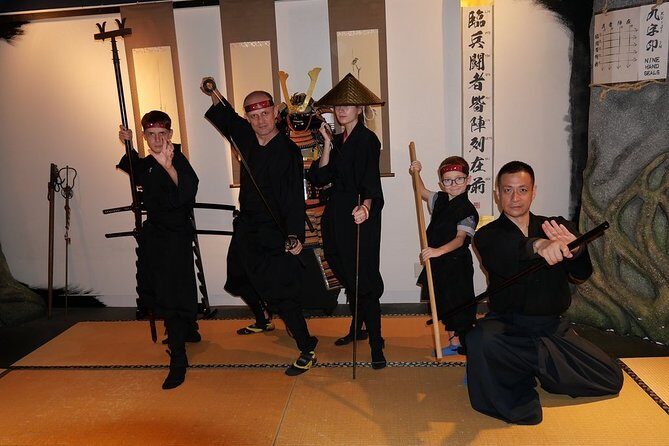
Before any weapons leave the rack, you’ll get into ninja meditation called Kuji-In. Even if you’re not a meditation person, I like that the class starts with something grounded in discipline instead of going straight to action. It sets expectations fast: this is about control, focus, and technique—not just waving props around.
Kuji-In is taught in English, and you’re not expected to “perform” it perfectly. The goal is to help you slow your body down and coordinate your attention. That matters because the weapon drills later work best when you’re calm, steady, and listening.
In a small group (up to 6), you’re more likely to get your instructor’s eyes on you early. That’s helpful with posture, hand placement, and timing. If you’ve ever taken a class where the instructor talks for 20 minutes and then everyone tries the same thing at once, you’ll appreciate this format more.
So even though this is a fun Tokyo activity, the Kuji-In part gives it structure. It’s the difference between trying to mimic moves and understanding why you’re practicing them in a specific way.
Sword, shuriken, and blow darts: your hands-on weapon stations
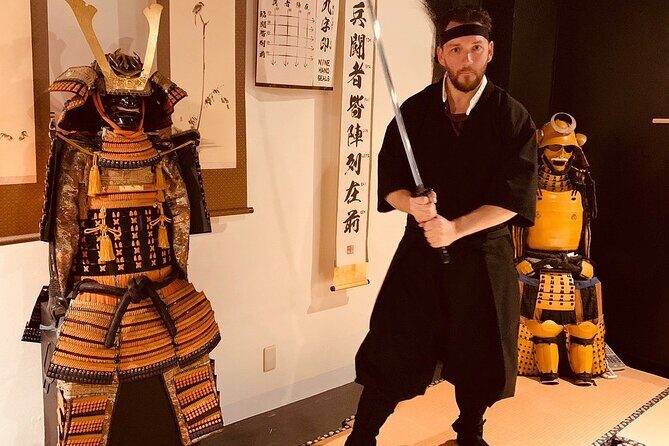
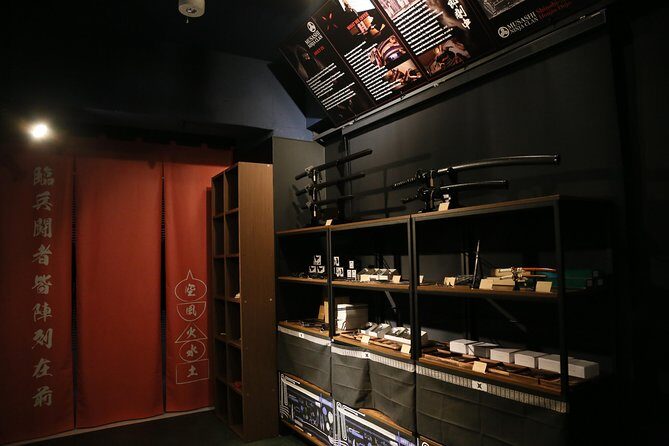
This class is built around three main training areas. You’ll get sword training, shuriken training, and blow dart training using a blowgun-style approach. The instructor demonstrates, then you follow with guidance focused on proper technique.
Here’s what makes these stations useful for you, not just entertaining:
- Sword basics help you understand stance and control rather than speed. Even with limited time, you can usually feel the difference when technique is correct.
- Shuriken practice is where focus really shows. Targets require steadiness, and the class format gives you enough attempts to adjust.
- Blow darts are a great “skill surprise.” They teach you how breathing and aim connect, which feels different from standard throwing activities.
One practical consideration: since the lesson is only about an hour, the time you spend on each weapon can depend on the group pace. There’s a chance you’ll finish with a strong handle on a couple of areas rather than going ultra-deep on everything. If sword training is your top priority, plan to ask the instructor on-site how they’ll allocate time for your group.
Also, come prepared to be active. The training is hands-on, so you’ll want clothes you can move in. A tip from real class experience: wearing workout-style clothes under the ninja outfit can make the whole session more comfortable.
Ninja gear, photos, and small-group coaching in Shiomi
The best souvenir angle here isn’t a postcard—it’s the fact you’ll dress in ninja gear during training and take photos. That photo time isn’t just a quick snap at the end. The class uses the costume as part of the experience, so you look and feel like you’re in the role while you learn.
What I like about the small group size is how it changes your attention level. With up to 6 participants, you’re more likely to get corrections when something doesn’t feel right. You can also ask questions without waiting for your turn to be heard.
The instructor’s job is to translate technique into something you can do, even if you’ve never trained before. In prior classes of this type, English quality can vary, and in this case you should expect instruction in English, but don’t assume every detail will land perfectly in your first listen. The upside: with time to try, you’ll catch what matters through demonstration and feedback.
If you’re coming with kids, this format usually works well because children learn by doing. The costume and the weapon drills give them energy, and the instructor’s patience helps when attention spans swing.
And because it’s a real training class, not a performance, you’ll likely feel more satisfaction than you would from a purely visual attraction.
Getting there at 4:00 pm: location, timing, and what to bring
The session starts at 4:00 pm and meets at NINJA SAMURAI TOKYO, 2-chōme 39 Bayfrere Shiomi, EAST 4階, Shiomi, Koto City (Tokyo 135-0052). It’s described as near public transportation, which matters because you don’t want your evening to be dominated by transit stress.
Planning tip: build your day around the start time. A late afternoon class like this pairs well with Tokyo sightseeing earlier in the day, then slows down for a contained activity. Since it ends back at the meeting point, you can step right back into your evening plans.
What to bring:
- Comfortable clothes to move in (and consider workout clothes under the outfit)
- Any personal items you need for comfort during training
- If you’re thirsty, plan ahead: bottled water isn’t included
What’s not included is private transportation, so you’ll be relying on public transit or your own plans.
One more timing detail: the experience depends on good weather. If the day is rainy or rough, there’s a chance the provider will adjust by offering another date or a refund. That’s worth factoring into your schedule so you have flexibility.
A few more Tokyo tours and experiences worth a look


Price and value: is $82.56 per person fair for one hour?
At $82.56 per person for about 1 hour, the value comes from what’s included and what isn’t. You’re paying for: instruction from a Japanese sensei in English, ninja clothes rental, and the admission fee. You’re also paying for a small group experience (max 6), which usually means more direct coaching time.
You’re not paying for things like bottled water or private transportation, so that’s on you. The lesson is also designed around active training rather than a long guided tour, so if you’re looking for a multi-hour story with lots of sightseeing stops, this won’t match that goal.
Where the price feels fair is when you treat it like a real class. You’re not just paying for costume photos; you’re paying for technique practice with real training components: Kuji-In meditation, weapon introductions, and hands-on stations. If you’ve already done costume photos in Tokyo, this is a better use of time because you actually learn skills you can repeat at home (at least in spirit).
If you want the most complete experience, timing matters too. Some people find that one hour leaves them wanting more training time, especially around sword work. If that’s you, it may be worth checking whether longer formats exist—without assuming details, it’s a good idea to confirm how much sword training is covered in your exact session.
Should you book this one-hour ninja lesson?
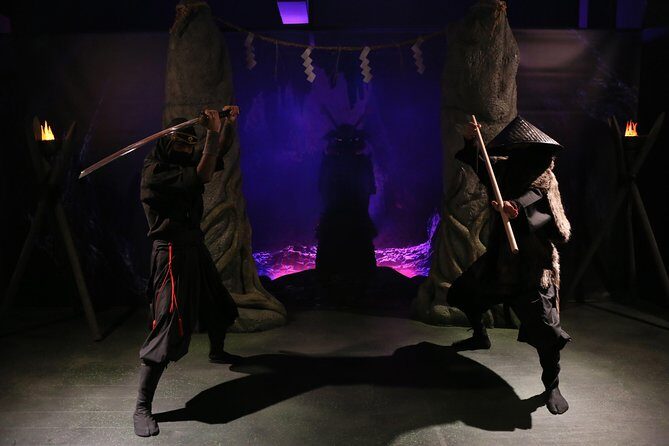
Book it if you want a Tokyo activity that’s different from standard sightseeing. This is hands-on, small group, and structured around Kuji-In plus weapon training. The costume rental and photos give you a tangible keepsake, and the instructor-led coaching keeps it from becoming pure entertainment.
Think twice if you’re very sensitive to weather disruptions or you need long, unhurried practice time on every weapon. One hour is compact, and if sword training is your top must-have, you’ll feel better if you confirm how the session splits time for your group.
For most people—couples, solo travelers, and families—the lesson is an easy yes because it’s located in a clear meeting point in Shiomi and doesn’t require planning a whole extra itinerary. If you want to feel like a trainee for an hour and leave with more than photos, this is a fun bet.
FAQ
What’s the duration of the Ninja Lesson in Tokyo?
The lesson is about 1 hour.
What does the price include?
It includes instruction in English from a Japanese sensei, ninja clothes rental during training, and the admission fee.
How much does it cost per person?
The price is $82.56 per person.
How big is the class?
The class has a maximum size of 6 travelers.
What weapons and activities are included in the training?
You’ll learn ninja meditation called Kuji-In, get an introduction to ninja weapons and tools, and practice sword, shuriken (ninja stars), and blow darts (blowgun-style).
Where is the meeting point?
Meet at NINJA SAMURAI TOKYO, 135-0052 Tokyo, Koto City, Shiomi, 2-chōme 39 Bayfrere Shiomi, EAST 4階.
What time does the lesson start?
It starts at 4:00 pm.
Is bottled water included?
No, bottled water is not included.
Is transportation provided?
No, private transportation is not included.
What happens if the weather is bad?
The experience requires good weather. If it’s canceled due to poor weather, you’ll be offered a different date or a full refund. Cancellation is free up to 24 hours in advance for a full refund.