REVIEW · KYOTO
Dance and Game with Maiko
Book on GetYourGuide →Operated by B.B.Advisors Inc. AN KYOTO · Bookable on GetYourGuide
Maiko magic fits into 45 minutes. This short program gives you a rare, up-close look at two Maiko dances and then turns the room playful with a traditional Senjafuda keepsake. You also get the kind of photo moment most Kyoto sights only tease from far away.
One heads-up before you plan your day: the experience often runs closer to 30 minutes than the full 45, and it happens in a building (not an ochaya tea-house setting). If you’re expecting a long, slow, old-school evening vibe, you may feel a little rushed.
In This Review
- Key things I’d prioritize
- A Quick Maiko Fix Near Gojo Station
- Where to Meet and What to Do When You Arrive
- Two Maiko Dances Up Close, With Seasonal Storytelling
- The Traditional Game Moment: Where the Room Becomes Part of the Show
- Photos Right Beside the Maiko, Plus the Senjafuda Keepsake
- Time Expectations: Why It May Feel Like 30 Minutes, Not 45
- Price and Value: What $28 Really Buys You
- Is This Like an Ochaya Evening? Not Quite, and That’s Okay
- Language and Comfort: Japanese, Translation Help, and Quick Directions
- Who Should Book This Maiko Dance and Game?
- Should You Book This Maiko Experience?
- FAQ
- How long is Dance and Game with Maiko?
- Where is the meeting point?
- What do I get for the price?
- Is tea ceremony included?
- Will the performer always be a Maiko?
- Are children welcome?
- Is there an elevator at the venue?
- What’s the cancellation policy?
Key things I’d prioritize
- Close-up Maiko dances you can actually see, not just admire from a distance
- Photo time right beside the Maiko, with a proper commemorative moment
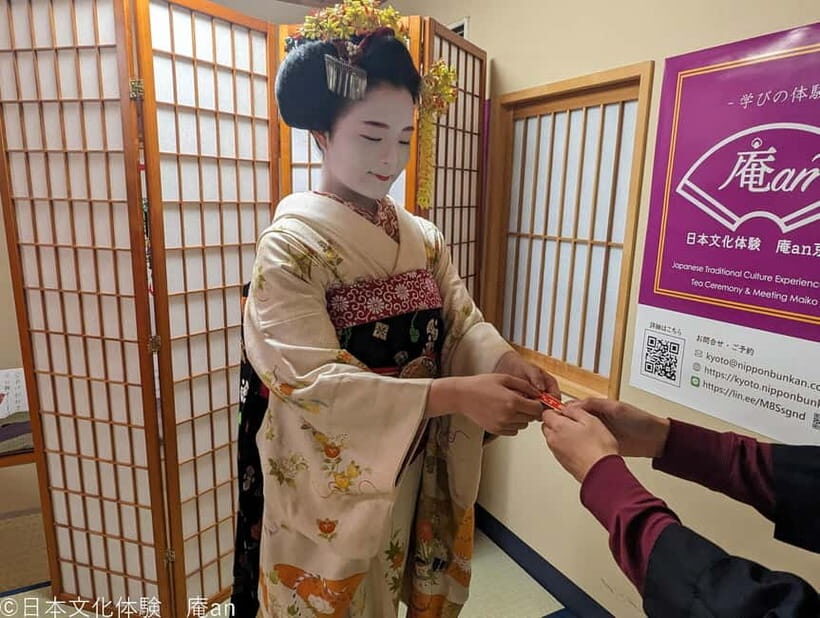
- Senjafuda lucky charm to take home from the performance
- A simple traditional game that can be fun even if you just watch
- Small-room energy, where everyone hears what’s going on (and can clap along)
- Maiko vs Geiko possibility, depending on availability that day
A Quick Maiko Fix Near Gojo Station
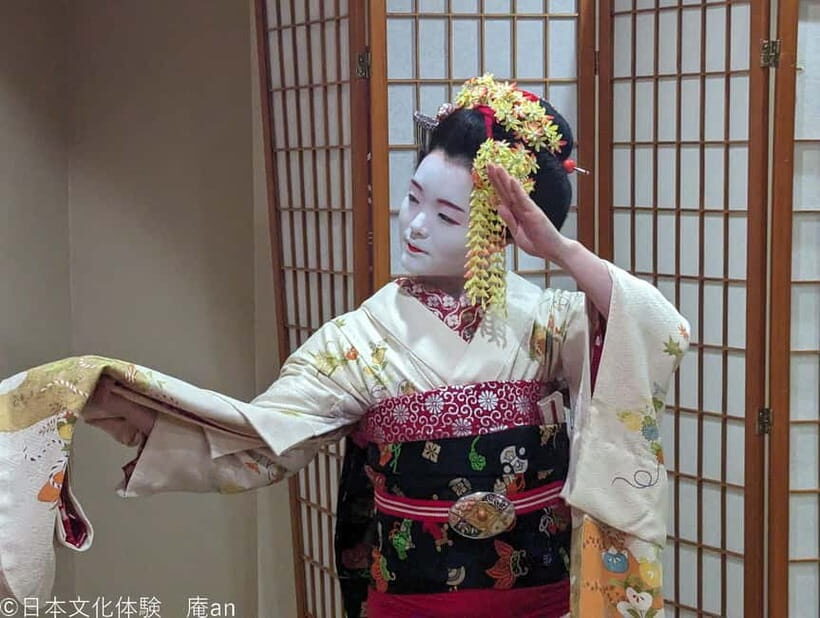
If your Kyoto schedule has you sprinting between temples and markets, this is the kind of experience that still lets you slow down. It’s designed to be compact: two dance segments, one playful game portion, then photos and a small gift. You get that “I’m really in the world of traditional performance” feeling without needing an entire afternoon.
What I like most is the balance. You’re not only watching a staged show and then leaving. You’re also part of the atmosphere—clapping, reacting, and sometimes joining in during the game. That makes it feel more human and less like you’re attending a museum display.
And yes, you’ll get a lucky charm. Senjafuda is a fun souvenir because it’s tied to the performance itself, not just a generic shop token. When you carry it later, it reminds you that this wasn’t just pretty dancing—it was a moment with a tradition and a purpose.
You can also read our reviews of more tours and experiences in Kyoto.


Where to Meet and What to Do When You Arrive
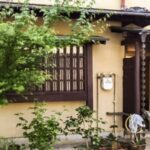
You’ll start near Subway Karasuma Line Gojo Station, Exit 1. From there, it’s about a one-minute walk. The storefront entrance faces the main street (Gojo-dori), so you’re not hunting down hidden alley doors.
The building is not an elevator situation. You’ll use stairs to reach the venue space. If you’re traveling with heavy luggage or you’re tired from walking, wear shoes you’re comfortable in. This kind of experience is short, so you want your legs to cooperate.
Once you’re inside, things move steadily. This is a “pay attention, then participate” format. You don’t need formal clothing. No special prep. Just arrive ready to sit, watch, and jump in when invited.
Two Maiko Dances Up Close, With Seasonal Storytelling
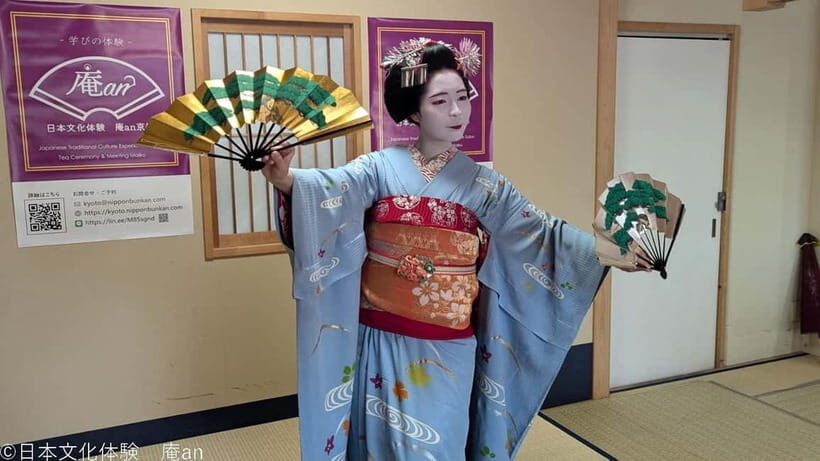
The heart of the program is the dance. You’ll see two elegant performances, paced to keep the room engaged. Maiko dance isn’t just movement. It’s storytelling—shaped by music, gestures, and themes that connect to Japanese seasons, love stories, and everyday life.
The big practical win for you: up-close changes everything. From a distance, traditional performance can feel like silhouettes and motion. Up close, you can see details—the way the arms frame the space, how expression reads in real time, and how the timing lands with the music.
This is also where you’ll get your best sense of why this role matters culturally. A Maiko performance is designed to communicate nuance quickly. In a short program, you still get enough time to notice patterns and mood shifts between the two dances.
One more useful thought: cameras are part of the experience here. The program encourages capturing the moment, and the setup is built for viewing and photographing. That means you should be ready to keep your device handy and follow any guidance from the instructor so you don’t miss the best seconds.
The Traditional Game Moment: Where the Room Becomes Part of the Show
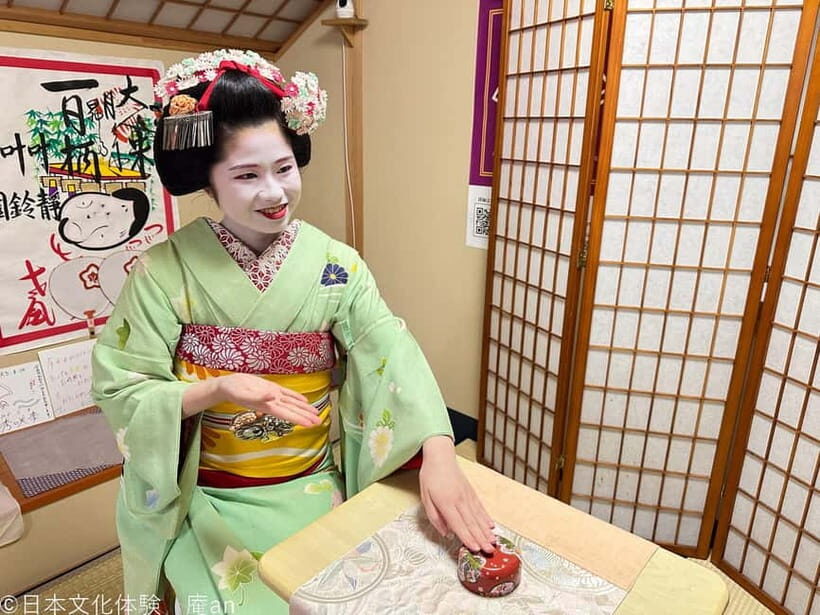
After the dances, you’ll shift into a traditional game featuring the Maiko. It’s simple, and that simplicity is what makes it work. Even if you don’t fully understand every cue, you can still follow the rhythm, the reactions, and the playful back-and-forth.
Audience participation is part of the fun. People may be invited to play, and you’ll be encouraged to clap and cheer. Watching is enjoyable too—there’s a shared energy when everyone’s reacting together. In fact, even when participation isn’t your thing, you still get swept into the mood.
If you’re traveling with kids, think about personality, not age. The game can involve doing something in front of a room, and not every child is comfortable with that. If your kids are shy in social settings, they might prefer watching rather than volunteering. That’s totally fine, and it won’t ruin the experience.
Also, don’t worry about being an expert. The game is meant to be accessible. It’s not a test of skill—it’s about connection, timing, and laughter.
Photos Right Beside the Maiko, Plus the Senjafuda Keepsake
Then comes the part most people plan around: the photo time. You’ll take a commemorative photo right beside the Maiko. This is a key difference from a lot of cultural experiences where you’re separated by ropes or distance. Here, the “beside” part is real, and that makes the photo feel personal rather than generic.
After photos, you’ll receive the lucky charm called Senjafuda. This is your take-home reminder that the experience wasn’t just a show. It had an ending that matters—gift-giving as part of the performance experience.
A small practical tip: be ready to move quickly and follow directions. These segments run in a tight flow—photo moment, charm presentation, then the performance wraps up and the Maiko leaves the room. If you’re late to a transition, you can miss your spot, and there’s no slow “linger” time built into the schedule.



Time Expectations: Why It May Feel Like 30 Minutes, Not 45
The program is described as about 45 minutes, but in practice it can feel closer to 30 minutes. That’s not unusual for performances that start promptly and run on a compact stage schedule. If you’re measuring your day in train transfers and dinner reservations, plan a little buffer.
The typical flow goes like this: the dance performance happens first, then the game with the Maiko, then the photo moment, then the Senjafuda gift. After that, there’s some brief chatting time before you’re dismissed. Once it ends, it ends—so treat it like a short appointment, not a long wandering experience.
Also, depending on the situation, you may be introduced to Geiko instead of Maiko. Don’t panic if that happens. You’re still getting the performance tradition and the same general structure of dances, interaction, and the lucky charm moment.
Price and Value: What $28 Really Buys You
At $28 per person, this isn’t cheap, but it’s not overpriced for what you get. You’re paying for access to a highly specific performer role and for an experience that includes multiple interactive elements, not just a one-time viewing.
Here’s the value math that makes sense for you:
- You get two dance performances (not one)
- You get a game segment that can involve participation
- You get a close-up photo rather than distant viewing
- You get a Senjafuda lucky charm tied directly to the performance
If you compare this to a lot of cultural activities where the “included” part is just a short show, this one gives you more touchpoints. The fact that it’s compact also helps. When time is limited, paying for a concentrated experience can beat spending the same money on something that takes longer but gives less interaction.
If you’re the type who loves food and big-ticket cultural activities, this might feel small. If you’re the type who wants one authentic, memorable performer moment you can actually fit into a packed itinerary, it’s a very practical splurge.
Is This Like an Ochaya Evening? Not Quite, and That’s Okay
This isn’t an ochaya or a classic Japanese house setting. It’s in a building, and the atmosphere is relaxed with friendly staff. Think of it as a cultural performance room, not a long dinner evening.
That matters for your expectations. You won’t get slow tea-house pacing or a full evening ritual unless you choose a different Maiko-related program focused on tea. Here, the point is efficiency and intimacy: watch closely, participate lightly, and leave with a souvenir.
If you want the tea ceremony angle, there are separate programs called Tea ceremony with Maiko and a premium version. That’s a different mood—longer, more ceremonial, and centered on the tea experience rather than the game and dance flow.
For most people, this dance-and-game format is the right choice when you want a performer encounter without booking an entire evening.
Language and Comfort: Japanese, Translation Help, and Quick Directions
The instruction is in Japanese. English translation is provided as much as possible, and if you want extra help, you can contact the operator to request it.
For you, the key takeaway is simple: don’t stress about understanding every word. The experience is built around visuals—dances, gestures, and a game you can follow through action and tone. Still, it helps to arrive with patience and a willingness to follow cues quickly.
This is also why room behavior matters. You’ll get instructions during transitions like the photo moment. Listen closely, hold your camera properly, and keep an eye on timing.
One more practical detail: those who don’t participate in the experience won’t be allowed to enter. So if you’re unsure you’ll join fully, you’ll want to decide ahead of time.
Who Should Book This Maiko Dance and Game?
You’ll likely love this if you want:
- A short, authentic performance that fits into a Kyoto day
- Up-close interaction, including photos
- A cultural activity that doesn’t require hours of waiting
- A souvenir moment that feels meaningful, not random
This may be less ideal if you’re looking for:
- A long, slow, traditional evening setting
- Guaranteed 45-minute timing
- A venue with elevator access (you’ll use stairs)
For families, it can be enjoyable, but keep expectations flexible. Kids may or may not want to volunteer for the game depending on shyness. The kids-on-laps rule also matters: children under 2 can be free if seated on their parents’ laps. Other children pay the standard price if they need a seat.
Should You Book This Maiko Experience?
Yes, if you want a focused Kyoto experience that gets you close to a performer tradition without tying up your whole day. The combination of two dances, a game, close photo time, and the Senjafuda charm makes the price feel more justified than a one-note show.
Book it especially if your itinerary is packed and you still want something unmistakably Kyoto. If you’re expecting a traditional ochaya tea-house evening, choose the tea-focused Maiko program instead.
If you’re sensitive to timing, plan a buffer and assume the “felt duration” may be about 30 minutes. With that in mind, this is one of the easier ways to get an authentic performer moment—and a souvenir with a real story.
FAQ
How long is Dance and Game with Maiko?
The experience is listed at about 45 minutes. Some schedules may run around 30 minutes, so it’s smart to build in a little buffer in your day.
Where is the meeting point?
It’s about a one-minute walk from Exit 1 of Subway Karasuma Line Gojo Station. The store entrance faces Gojo-dori.
What do I get for the price?
You get the Maiko dance performances and the game with the Maiko, plus a photo moment and a lucky charm called Senjafuda.
Is tea ceremony included?
No. Tea ceremony with Maiko is offered as separate programs.
Will the performer always be a Maiko?
It may be Maiko, but depending on the situation, Geiko could be invited instead.
Are children welcome?
Children under 2 are free if they sit on their parents’ laps. If a seat or meal is required for a child under 2, the same fee as one person applies.
Is there an elevator at the venue?
No elevator is available. You’ll need to use stairs to reach the venue spaces.
What’s the cancellation policy?
Free cancellation is available up to 8 days in advance for a full refund. (After that, cancellation fees may apply.)