REVIEW · TOKYO
Chopstick Making Workshop in Ginza
Book on GetYourGuide →Operated by 銀座箸 · Bookable on GetYourGuide
Handmade chopsticks in central Ginza sound simple, and they are—until you start shaving wood. This 1-hour workshop lets you pick from 24 types of wood and two lengths, then use real tools to plane, sand, and oil-finish a pair you can take home right away. I also like that English-speaking staff step in when you get stuck (and names like Tina and Waka come up often in the friendly-help department). One thing to consider: better wood choices and engraving can add extra cost.
If you want a Tokyo souvenir that feels practical, not decorative, this is a strong bet. You get a guided, hands-on process in a compact shop setting near Ginza, and the experience is built around doing the work yourself, not watching a demo. You’re in good hands if you speak English or Japanese, and wheelchair access is listed. Just be ready for the class to be physical—your arms will notice the planing and sanding.
In This Review
- Why This Ginza Workshop Feels Like a Real Craft (Not a Souvenir Factory)
- The Heart of the Experience: Pick Your Wood in Ginza
- A practical tip on choosing wood
- From Plane to Precision: The 1-Hour Making Flow
- Step 1: Set up and planing
- Step 2: Smooth the tips and corners with sandpaper
- Step 3: Oil finish
- Step 4: Take home the same day
- Engraving: Names and Phrases That Make It Personal
- Who helps with engraving?
- What the Staff Support Really Means for You
- Price and Value: Why $25 Can Still Feel Like a Deal
- How to keep costs under control
- Getting to the Workshop in Ginza (and Why Location Matters)
- Who This Workshop Is Perfect For (and Who Might Feel Frustrated)
- You’ll likely enjoy it if you want
- You might find it challenging if
- Tips for a Smoother Class (Based on What Helps People Succeed)
- Choose your goal: included wood vs. premium wood
- Wear practical clothes and bring comfort
- Ask early if you’re stuck
- Should You Book Chopstick Making in Ginza?
- FAQ
- How long is the chopstick making workshop in Ginza?
- Where is the meeting point?
- What is included in the experience price?
- Can I choose the type of wood and chopstick length?
- Is name engraving available, and what does it cost?
- Do staff speak English?
- Is the workshop wheelchair accessible?
- Is this workshop suitable for children or seniors?
- Is cancellation or pay-later available?
Why This Ginza Workshop Feels Like a Real Craft (Not a Souvenir Factory)
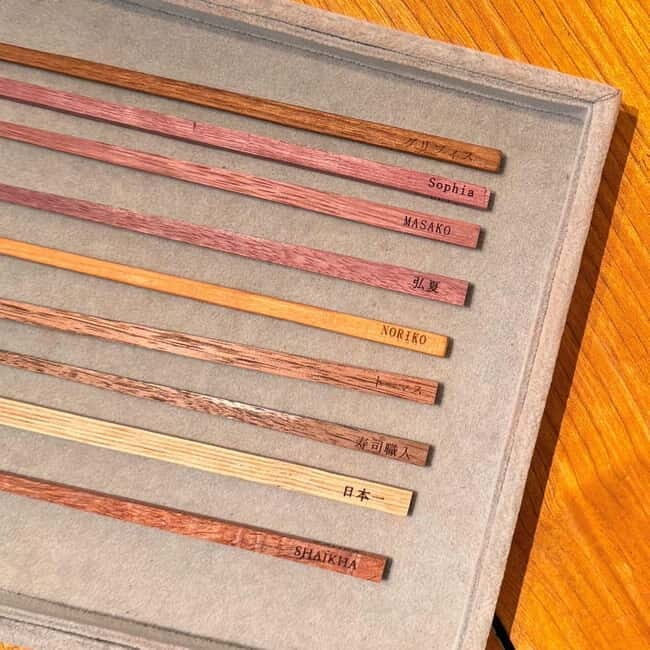
A lot of Tokyo food-and-culture activities end with a photo and a generic item. This one ends with something you’ll actually use at home: a pair of chopsticks built by your own hands.
What makes it work is the structure. The class is focused on materials and finish, so you’ll see how wood choice changes feel and look, and how finishing affects the final color and smoothness. Instead of rushing through steps, the shop is set up for people to reach the right stage at their own pace, with staff able to help.
The vibe also seems deliberately calm. Even when the workshop gets busy, the staff is positioned to keep you moving. In plain terms: you’re not left alone with a plane and hope.
The Heart of the Experience: Pick Your Wood in Ginza
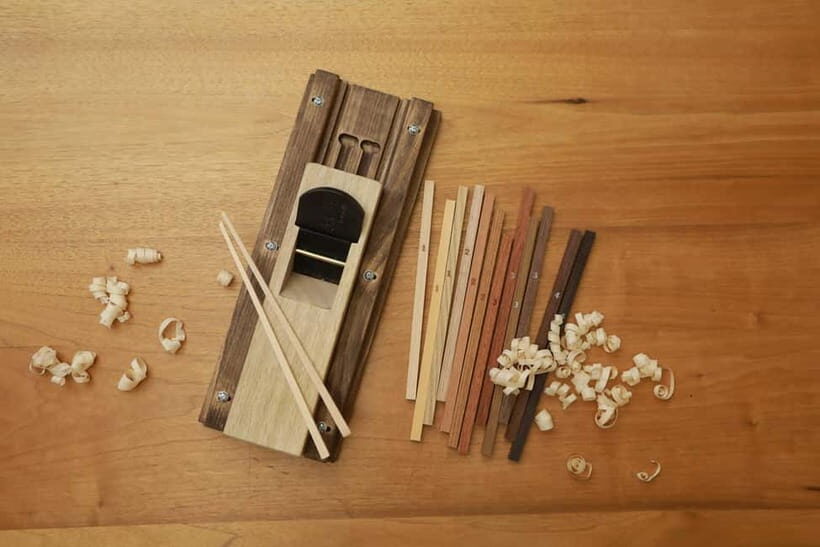
Your session starts with choosing your chopsticks setup. You’ll select from 24 types of wood and two different lengths. Some wood options are included in the base experience, and other “higher grade” woods can cost extra.
This is more than a menu choice. Wood type affects:
- How the material planes and sands (some woods cut cleanly; others fight back a bit)
- How the oil finish looks once it soaks in
- How “premium” the final look feels in your hand
If you like the idea of making the class feel personal, wood selection is where you’ll do it. The workshops also offer wood you won’t find everywhere else, which is a big part of why this doesn’t feel like a generic craft.
A few more Tokyo tours and experiences worth a look

A practical tip on choosing wood
If you’re newer to woodworking, you might want to start with a wood that’s easier to work rather than going straight for the most difficult option. Some people end up choosing upgrades anyway—and they’re still happy—but you should go in knowing harder woods may take more force and patience.
From Plane to Precision: The 1-Hour Making Flow
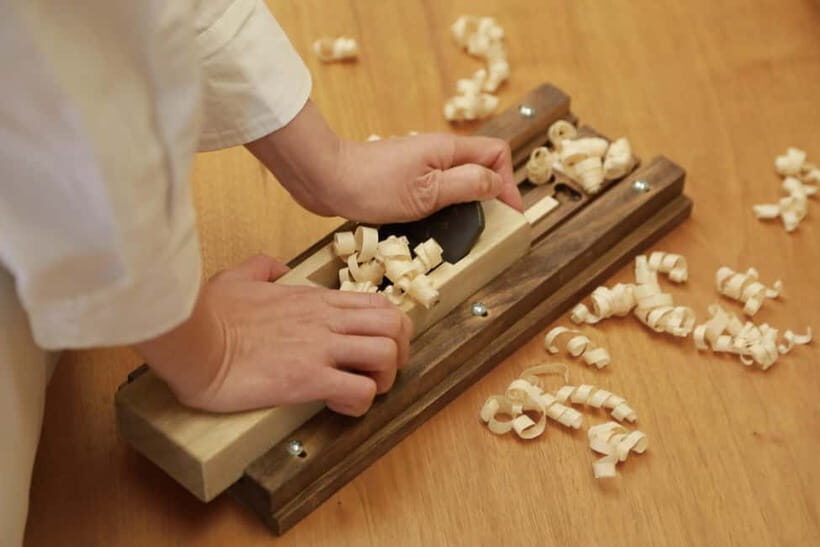
The workshop itself is short: plan for about one hour from start to finish. The process is built around a simple sequence—each step matters because it sets up the next.
Step 1: Set up and planing
You place the chopsticks on the stand and begin planing with a tool (think of it as controlled shaving). Planing is where you’ll feel the “real craft” part. It takes arm strength and steady pressure. That’s also why the staff assistance matters—when you’re new, a small adjustment in how you hold or apply pressure can make a big difference.
From the outside, it looks like straightforward carpentry. Up close, it’s more like learning a rhythm: shave, check, adjust, repeat.
Step 2: Smooth the tips and corners with sandpaper
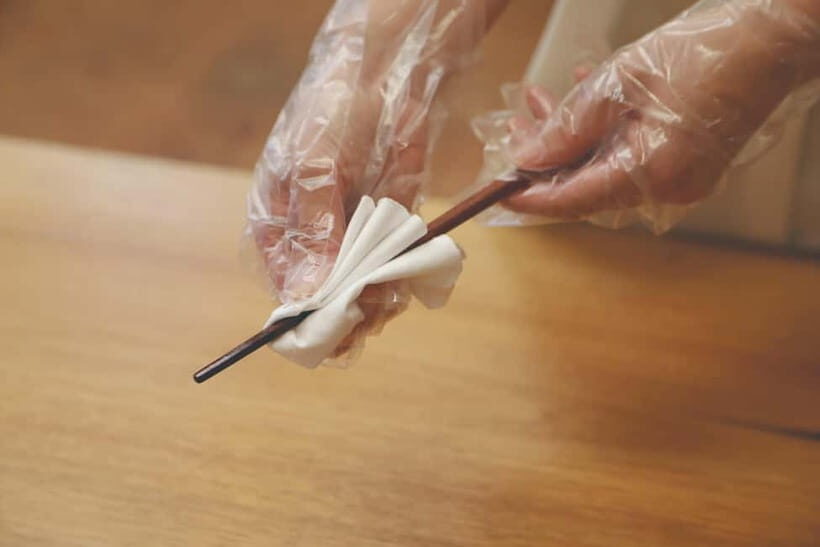
After planing, you move to sanding. This part turns rough cuts into usable smoothness. A lot of people underestimate sanding, but it’s the stage that makes your chopsticks feel good in the hand—and helps the tips become comfortable.
Sanding also builds confidence. Once you see the corners soften and the surface even out, the project starts to look like chopsticks, not wood sticks.





Step 3: Oil finish
Then comes the finish. You coat your chopsticks with oil for a polished look. Oil isn’t just decorative; it changes how the wood feels and how the grain shows. It’s the stage that makes the work look “finished-finished,” the kind you’d be proud to set on a table.
Step 4: Take home the same day
The workshop is designed so you can leave with your finished chopsticks the same day. That matters for value. You aren’t paying for a class that mails the product later. You’re paying for a complete, usable keepsake before you even move on to dinner.
Engraving: Names and Phrases That Make It Personal
If you want to make the chopsticks feel like a truly customized souvenir, you can add engraving. The class offers the option to engrave your name (and you can choose a favorite phrase), in Japanese or your native language.
The engraving is done with a high-performance laser, described as putting gentle stress on the wood. That detail matters because laser engraving can be harsh if it’s done carelessly. Here, the process is meant to be gentle while still producing crisp results.
Cost-wise, engraving is an add-on: an additional ¥1,100 per pair is charged. If you’re traveling with someone and both of you want the same personalization level, it’s worth budgeting for that.
Who helps with engraving?
English-speaking staff assist throughout, and people mention staff being very patient and attentive during the process. Names that come up include Tina, Waka, and others like Kotoha, Shion, and Koko. The message is consistent: they’ll help you get your idea onto the chopsticks neatly.
What the Staff Support Really Means for You
This is one of the strongest reasons to book. You’re not expected to be a woodworker before you show up.
Staff are described as:
- Explaining each step clearly
- Supporting you while you’re working
- Making sure you don’t feel rushed
- Available when you’re struggling with the tools
In a classroom where multiple people work at different stages, that support is what keeps the experience enjoyable instead of stressful.
If you’re traveling in a group with mixed skill levels, this setup helps. People with more confidence can move faster, while beginners can get guidance without falling behind.
Price and Value: Why $25 Can Still Feel Like a Deal
The base price is listed as $25 per person for a 1-hour workshop. But here’s the part that helps you judge value correctly: the base experience includes the workshop, tools and materials, and English-speaking staff support, plus time to craft your pair.
You also get 24 wood choices, but only 5 types are free of charge. The other 19 types are higher grade woods and can incur an additional charge. Engraving costs extra as well.
So is it still good value? Yes, because you’re paying for:
- Instruction plus hands-on tool time
- A real craft outcome (smooth, oiled chopsticks)
- A customized souvenir you’ll actually use
- The option to upgrade to nicer materials
If you were just buying chopsticks, $25 wouldn’t cover “unique, personalized, handmade” quality in many shops. Here, you’re buying the process and the results together.
How to keep costs under control
If you’re trying to stay close to the base price, choose from the included wood options and skip engraving. If you want maximum impact as a gift or a “remember Japan” keepsake, budget for upgrades. Either way, you’ll still leave with a finished pair made by you.
Getting to the Workshop in Ginza (and Why Location Matters)
The meeting point is 2-9-13 Ginza, Chuo-ku, Tokyo. Ginza is compact but busy, so plan to arrive a few minutes early to get settled and find the exact entrance.
This is the kind of activity that fits well when you want something indoor and hands-on. It’s also a good rainy-day option: you get movement and focus without needing good weather plans.
Because it’s a workshop in the center of Tokyo, it’s easy to pair with a meal nearby. Many people seem to treat it like a practical break between shopping and sightseeing.
Who This Workshop Is Perfect For (and Who Might Feel Frustrated)
This experience seems to be a good fit for most adults and teens who are curious about Japanese crafts. It’s also popular as a family activity, including for kids old enough to handle the tools with guidance. The workshop is listed as not suitable for children under 3 and not suitable for people over 70, so keep that in mind.
You’ll likely enjoy it if you want
- A souvenir that’s functional, not just decorative
- A short class with a clear end result
- Real tool work with staff help
- A personalized touch like wood choice and engraving
You might find it challenging if
- You’re not comfortable using a plane or doing active sanding
- You want a “watch and leave” experience
- You’re sensitive to extra charges for upgrades
And yes, some woods require more effort than others. People who chose harder options sometimes needed more time and support, but they still ended up happy with the finished chopsticks.
Tips for a Smoother Class (Based on What Helps People Succeed)
I’d give you three practical tips before you go.
Choose your goal: included wood vs. premium wood
If your goal is staying close to the base price, start with the included wood types. If your goal is a dramatic grain and a higher-end feel, you can upgrade—but accept that some options may need more pressure and patience.
Wear practical clothes and bring comfort
Even though the workshop is only an hour, planing and sanding are active. Reviews hint at the “use your arms” reality, so dress in a way that won’t make you feel stuck or careful every second.
Ask early if you’re stuck
If you’re getting the blade angle wrong or the sanding isn’t leveling off, don’t wait until you’re frustrated. Staff assistance is part of the experience design, and it works best when you ask quickly.
Should You Book Chopstick Making in Ginza?
Book it if you want a genuinely Japanese craft souvenir that’s usable and personal. The short duration, the tool-based process, and the option to personalize with oil finishing and laser engraving make it a high-impact experience for the time.
I’d especially recommend it if you enjoy hands-on activities and like the idea of choosing materials yourself. It’s also a strong choice if you want something indoor in central Tokyo that doesn’t turn into a long multi-hour commitment.
Skip it (or rethink the plan) if you want a purely passive activity or if you’re expecting everything to be included without any upsells. Upgrades for better wood and engraving can add cost, and the work is physical enough that you’ll feel it in your arms.
FAQ
How long is the chopstick making workshop in Ginza?
The workshop runs for 1 hour.
Where is the meeting point?
The meeting point is 2-9-13 Ginza, Chuo-ku, Tokyo.
What is included in the experience price?
The included items are the chopstick making workshop, tools and materials, English-speaking staff assistance, and a guide fee of ¥1,000 included in the experience fee.
Can I choose the type of wood and chopstick length?
Yes. You can choose from 24 types of wood and two different lengths.
Is name engraving available, and what does it cost?
Yes. You can optionally have your name engraved. An additional ¥1,100 yen will be charged.
Do staff speak English?
Yes. English-speaking staff are available, and the instructor can work in English and Japanese.
Is the workshop wheelchair accessible?
Yes, wheelchair accessibility is listed.
Is this workshop suitable for children or seniors?
It is not suitable for children under 3 years old, and it is not suitable for people over 70.
Is cancellation or pay-later available?
You can reserve now and pay later, and free cancellation is available up to 24 hours in advance for a full refund.