REVIEW · TOKYO
Tokyo: Sushi Making Class in a Happi Coat near a Famous Spot
Book on GetYourGuide →Operated by SUSHI GARYU · Bookable on GetYourGuide
Your happi coat turns sushi into a performance. In Tokyo, this 90-minute workshop with Sushi GARYU teaches nigiri using tuna and salmon in a Japanese-style setting, with guidance in English and Japanese. You’ll also wear a happi coat for that real chef-in-the-kitchen feeling.
What I like most is how much you actually do. You’ll get clear instruction, then you’ll shape nigiri yourself (and the hands-on time tends to be generous). I also like that the class ends with a proper tasting of what you made, and plenty of people describe the portion as filling enough to feel like lunch.
One consideration: depending on how busy the venue is, you may be seated with other customers, so this can be a shared setup rather than a strictly private room.
In This Review
- Key Highlights Worth Planning For
- Happi Coat Meets Nigiri: What This Tokyo Class Really Is
- Your Nigiri Lesson: Tuna and Salmon, Made From Scratch
- Inside the 90 Minutes: Demo, Hands-On Shaping, and Tasting
- 1) Walk in and get into chef mode
- 2) Chef lecture and technique demo
- 3) Your turn: making nigiri yourself
- 4) Taste what you made
- 5) Photos and small cultural moments
- Why I Think the $42 Price Works for Most People
- Allergies and Diets: Tell Them Before You Go
- The People Factor: Chef Humor, English Support, and Small Groups
- Small group energy
- Language support
- Bring This Skill Home: What You’ll Actually Remember
- Who Should Book This Tokyo Sushi Class
- Should You Book This Sushi GARYU Class in Tokyo?
- FAQ
- How long is the Sushi Making Class?
- What does it cost?
- What is included in the price?
- What will I learn to make?
- Do I wear a happi coat?
- Are vegetarian, vegan, or gluten-free options available?
- What if I have food allergies?
- Are children welcome?
- Will I be with other customers?
- What’s the cancellation and payment policy?
Key Highlights Worth Planning For
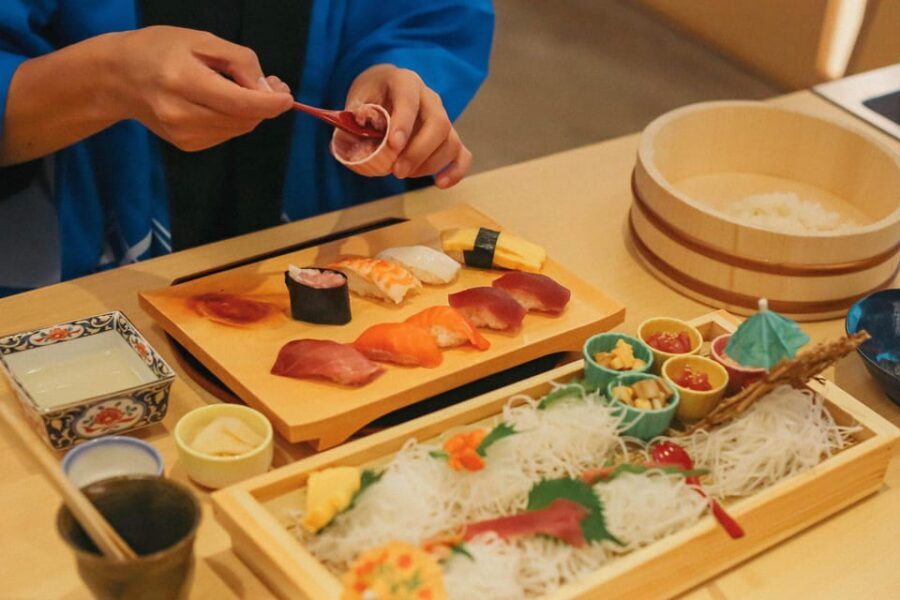
- Happi coat, real chef vibe: You wear a traditional tube-sleeved chef coat during the workshop.
- Tuna and salmon nigiri focus: The core skill is making nigiri using popular ingredients like tuna and salmon.
- From instruction to hands-on shaping: You watch the process, then make your own nigiri after the lecture.
- You eat what you make: Many sessions feel like a full, satisfying meal, not a tiny snack.
- Dietary options exist, with a catch: Vegetarian, vegan, and gluten-free are available if you request them in advance.
- English-speaking instructors help a lot: The instructor team includes English and Japanese, and people consistently mention how easy it is to follow.
Happi Coat Meets Nigiri: What This Tokyo Class Really Is
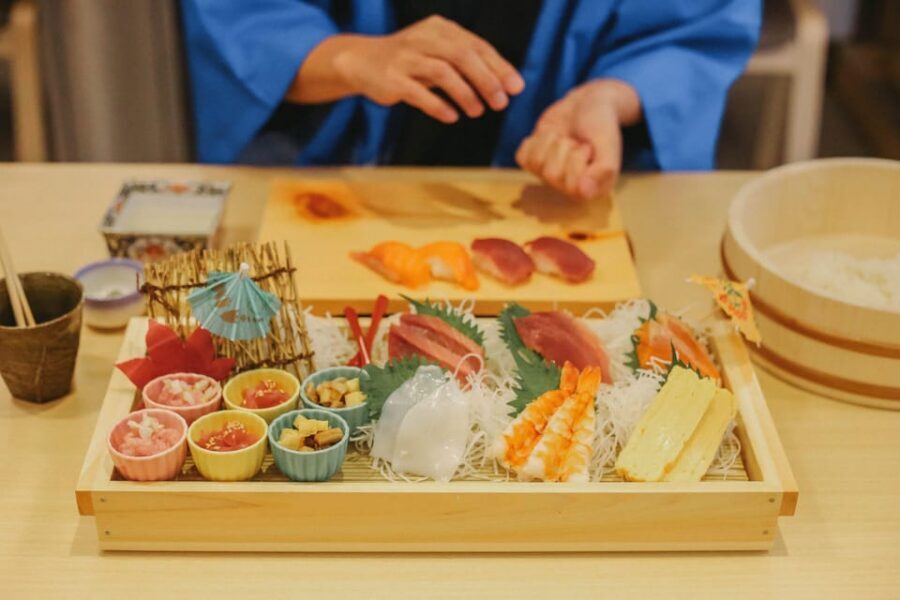
This is a beginner-friendly Tokyo cooking class built around one clear idea: learn by doing. You’re not just watching sushi get assembled; you’ll practice nigiri yourself with a chef teaching you the steps from scratch.
The happi coat part is more than a costume. In Japan, the outfit signals the role you’re playing in the moment, and it helps the experience feel like a real workshop instead of a staged demo. You’ll get the Japanese-style setting too, which matters because sushi isn’t only about ingredients. It’s also about process, timing, and careful hand movements.
If you’re coming to Tokyo for food that feels local (not just tourist-flavored), this hits the sweet spot: Japanese culture, taught in a simple, practical way, with tuna and salmon as the star ingredients.
A few more Tokyo tours and experiences worth a look

Your Nigiri Lesson: Tuna and Salmon, Made From Scratch
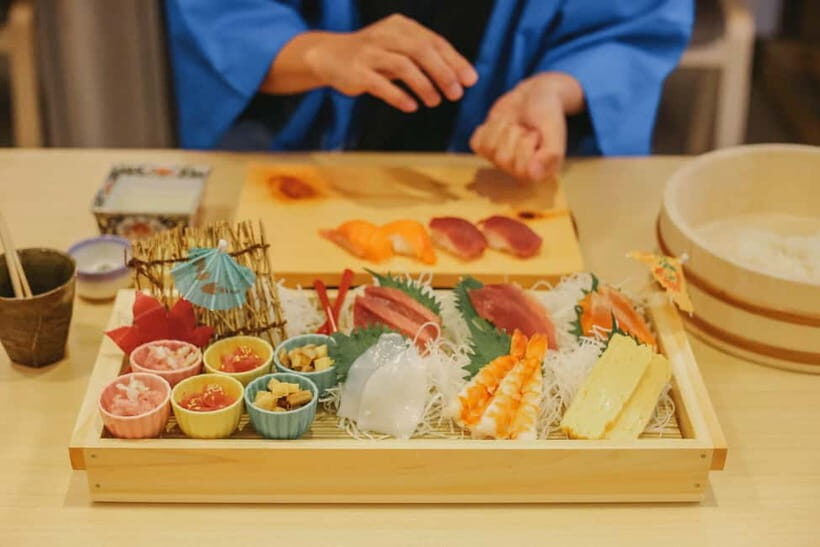
The class centers on nigiri sushi. The format is straightforward: you start with instruction, then you make nigiri yourself. That second part is the real value, because it’s where you go from knowing about sushi to being able to reproduce it.
The chef guidance also tends to be very interactive. People highlight that instructors explain steps clearly and help when questions come up. Some sessions also mention making other styles (like maki and onigiri) in addition to nigiri, so if you’re excited to try more than one format, don’t be surprised if your class includes extra variations.
A big plus here is that the teaching includes English support. Even if you have zero sushi background, being able to ask questions in a language you fully understand makes the whole thing less stressful. You can focus on technique instead of translating in your head.
And yes, you’ll be using popular, easy-to-understand ingredients. Tuna and salmon are familiar flavors for most people, which is exactly what you want in a first class.
Inside the 90 Minutes: Demo, Hands-On Shaping, and Tasting
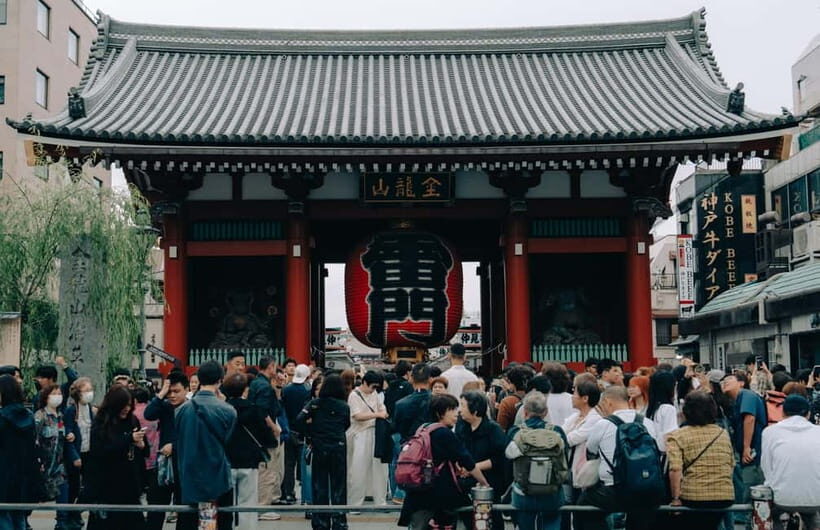
Think of the class as a smooth arc: learn the method, practice it, then eat it.
1) Walk in and get into chef mode
You’ll arrive at the meeting point (it can vary based on the option booked). Once you’re set, the happi coat is part of the moment that gets you ready. It’s small, but it changes your mindset from tourist to participant.
2) Chef lecture and technique demo
You’ll start with a lesson led by the instructor. The key detail is that you’re taught how to make sushi from scratch, not just how to assemble a final plate. This is where the chef explains what to do and how to do it.





3) Your turn: making nigiri yourself
After the lecture, you’ll make nigiri. This is where the class earns its keep. You get repeated practice opportunities instead of a single try-and-go experience.
Depending on how the room is set up and how many people are in your session, you may also work in a smaller table group or you might share seating with others. Either way, the workshop format is built around you doing the work, not just observing.
4) Taste what you made
At the end, you enjoy the sushi you prepared. This matters because sushi is hard to judge from description alone. When you taste your own nigiri right after making it, you instantly understand what the technique changes.
People also mention the portion can be generous. In other words, you’re not paying for a few bites. You’re paying for a 90-minute food experience that also leaves you satisfied.
5) Photos and small cultural moments
Several people mention picture-friendly moments in Japanese outfits and that instructors may take photos or videos during the process. Even if you’re not a selfie person, having a visual memory of your first nigiri attempts is a nice bonus.
Why I Think the $42 Price Works for Most People
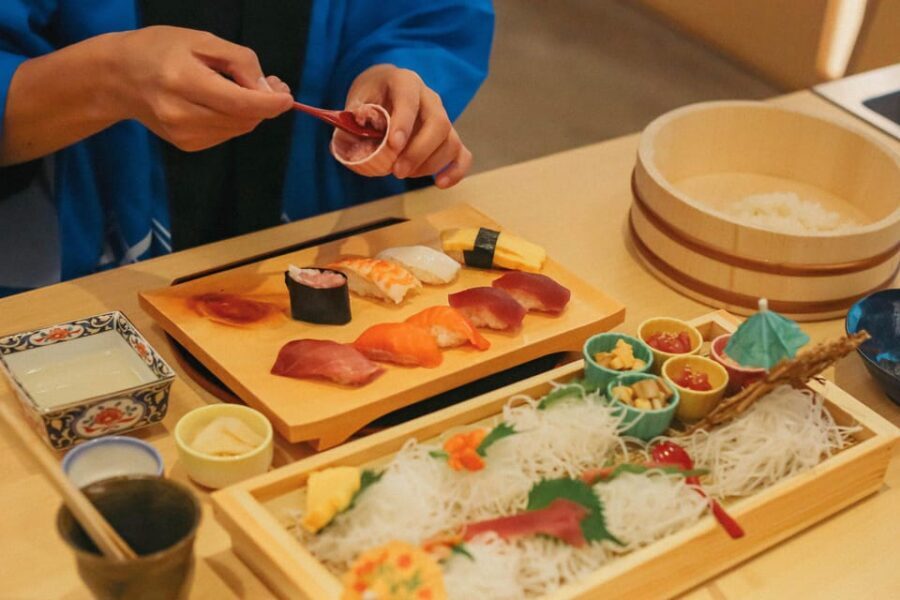
At $42 per person for 90 minutes, you’re paying for three things at once: the class itself, the ingredients, and the instructor’s time. That’s a big part of the value equation. You’re not just buying food. You’re buying coaching plus a meal.
This is also one of those Tokyo activities where the “you learn a skill” pitch makes real sense. Sushi technique can be hard to figure out from YouTube alone because it’s mostly about small hand motions and sequence. Here, you get a live teacher to correct mistakes in real time.
The best value sign is what people say about the meal amount and satisfaction. When the portion is described as generous, it means the class feels like lunch, not a token tasting. When you leave full and with a method you can try again at home, the $42 starts to feel like a fair deal.
Allergies and Diets: Tell Them Before You Go
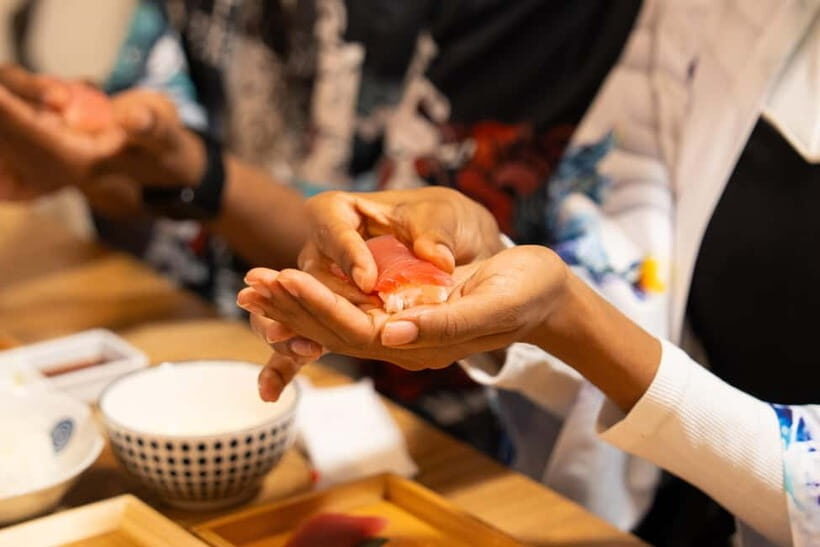
Food rules are the one place you should be extra organized.
If you have food allergies, you need to let the staff know in advance by message. They specifically ask you to share allergies ahead of time.
Vegetarian, vegan, and gluten-free options are available, but the class notes a key limitation: if you request on the day of, they might not be able to accommodate. So if you need an alternative menu, send the request ahead.
Also note the children policy detail: kids over 4 years old are charged, and you’re asked to share a dish under 4 years old. If you’re traveling with kids, plan around this so you’re not guessing at the cost or portions.
If dietary needs are part of your planning, this class can still work well. Just treat it like a “send a message now” priority, not a “we’ll figure it out later” moment.
The People Factor: Chef Humor, English Support, and Small Groups
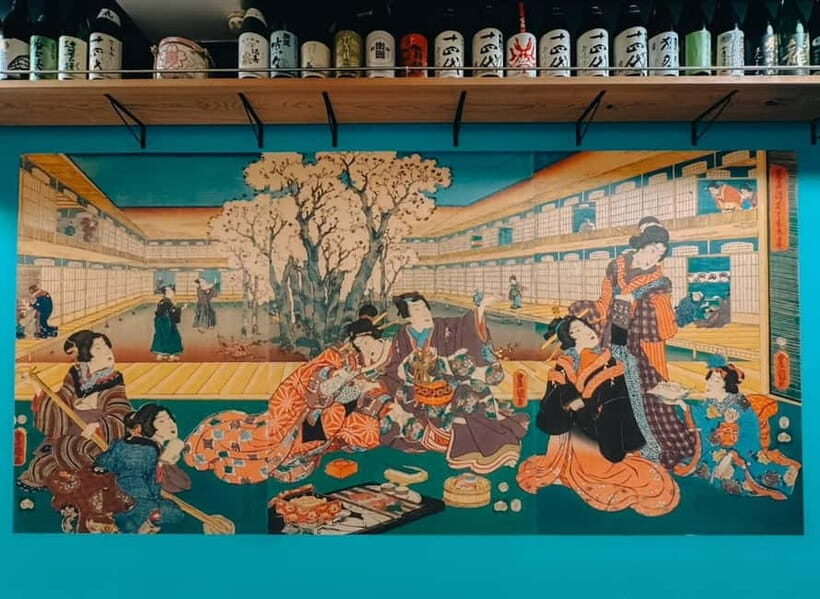
A sushi class lives or dies on the instructor’s tone. This one has a strong reputation for a relaxed, fun classroom vibe. People mention humor, patience, and instructors who keep things moving while still helping you through questions.
You may be taught by chefs and hosts with names like Chef Hide, Mikoto, Emi, Ami, Mai, Mizuki, and Miwa, depending on the session. What matters most is the teaching style that keeps you comfortable while learning a fiddly skill.
Small group energy
The class can be intimate. Some feedback talks about a small number of people per host, and others mention private lessons when the schedule is low. Even when you’re not in a private setup, the workshop format is designed so the instructor can actually see what you’re doing.
Language support
English instruction is part of the setup, and people consistently mention the guidance is easy to follow. If you’re nervous about being the only non-Japanese speaker at a table, this matters.
Bring This Skill Home: What You’ll Actually Remember
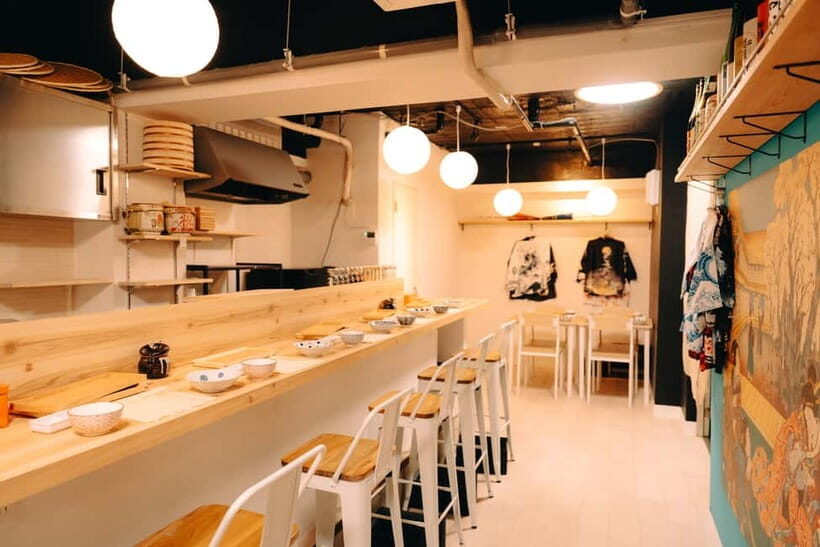
What tends to stick after a first sushi class is confidence. Once you’ve formed nigiri yourself, sushi stops feeling like a mysterious art reserved for professionals. You understand the sequence and you know what good technique feels like in your hands.
This class is especially practical because it focuses on familiar ingredients like tuna and salmon. That means you can think about how you’d repeat the style at home with ingredients you can actually source.
Also, the class ends with you eating what you made, which locks in the lesson. You’re not just memorizing steps; you’re connecting technique to taste. If you’ve ever learned something and forgotten it the next day, this format helps prevent that.
Finally, if you’re traveling with a partner or friends, making sushi together is one of those shared accomplishments that feels like an actual memory, not just another photo.
Who Should Book This Tokyo Sushi Class
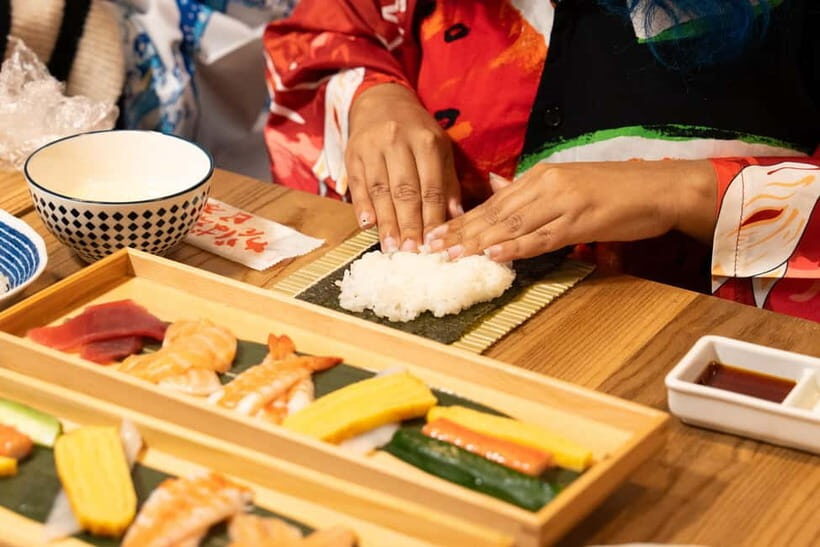
Book this if you want:
- a hands-on beginner-friendly food activity
- a Japanese cultural experience centered on real technique, not just a tasting tour
- a date-night or couple activity that produces something edible and shareable
- an activity that can work for groups, since seating can be shared depending on venue setup
It’s also a good fit if you’re coming for food but want something different from yet another restaurant meal. You’re leaving with both lunch and a skill.
If you’re someone who gets anxious in food settings where you can’t ask questions, the English-Japanese teaching support is a big reason this can work for you.
Should You Book This Sushi GARYU Class in Tokyo?

Yes, you should book it if you want a straightforward way to learn nigiri in a guided, hands-on setting and you’ll appreciate the meal at the end. The price is reasonable for a 90-minute workshop because it includes instruction and ingredients, and the sushi portion is described as satisfying.
Before you hit book, do two quick checks:
1) message your allergy or dietary needs ahead of time if you need vegetarian, vegan, or gluten-free options
2) confirm what you want to learn (nigiri is the core; some sessions may include other sushi styles)
If you love food experiences that feel practical, this is one of the best ways to spend a chunk of your Tokyo time.
FAQ
How long is the Sushi Making Class?
The class lasts 90 minutes.
What does it cost?
It’s $42 per person.
What is included in the price?
The price includes the cooking class, ingredients, and an instructor.
What will I learn to make?
You’ll learn how to make nigiri sushi, including nigiri made with tuna and salmon.
Do I wear a happi coat?
Yes. You’ll wear a traditional tube-sleeved Japanese happi coat during the class.
Are vegetarian, vegan, or gluten-free options available?
Vegetarian, vegan, and gluten-free options are available. You need to inform them in advance by message, because same-day requests may not be accommodated.
What if I have food allergies?
You should let them know about your allergies in advance by message. The class asks you to share allergies before you go.
Are children welcome?
Yes. The class notes that children over 4 years old are charged, and you should share a dish for children under 4 years old.
Will I be with other customers?
Depending on how busy the venue is, you may be seated with other customers.
What’s the cancellation and payment policy?
You can cancel up to 24 hours in advance for a full refund, and there is a reserve now & pay later option.