REVIEW · KYOTO
Kyoto: Gion Food Tour 13 Dishes at 4 Eateries
Book on Viator →Operated by Traveling Kyoto · Bookable on Viator
Lantern-lit alleys and food stops, that’s the whole point. This 3-hour Kyoto evening tour takes you through the Pontocho District and Gion as the streets glow, then feeds you with seasonal bites like obanzai and fresh yuba—plus snacks, sweet treats, and sake. You also get a real cultural thread running through it: geisha customs, the mood of the old neighborhoods, and what makes Kyoto cuisine different from other parts of Japan.
Two things I really liked: the mix of food styles across the night, not just one type of meal, and the way the guide ties each stop back to what you’re actually seeing on the street. One possible drawback: the pacing is a walk-heavy night, and the “Gion experience” may feel smaller than some people expect since it’s split across multiple neighborhoods and stops.
In This Review
- Key Highlights I’d Plan Around
- Lantern-Lit Kyoto Is a Meal, Too
- 13 Dishes for $72.96: Is It Good Value?
- Where the Night Starts and Ends
- Stop 1: Pontocho District and the Geisha-Era Streets
- Stop 2: Kyoto Evening Eats in the Middle of the Route
- Stop 3: Gion Lantern Streets and Hidden-Style Dining
- What You Actually Taste (The Kyoto-Style Spread)
- The Guides: Why Names Like Yuvia and Alessio Matter
- Walking Level: The Real Tradeoff
- Who This Tour Fits Best
- Should You Book the Kyoto Gion Food Tour 13 Dishes at 4 Eateries?
- FAQ
- How long is the Kyoto Gion Food Tour?
- How much does the tour cost?
- How many dishes and eateries are included?
- Where do I meet the guide, and where does the tour end?
- Is the tour guided in English?
- Are drinks included?
- Can the tour accommodate vegan or gluten-free diets?
- Is the tour suitable for people with mobility impairments?
- What group size should I expect?
- What is the cancellation policy?
Key Highlights I’d Plan Around
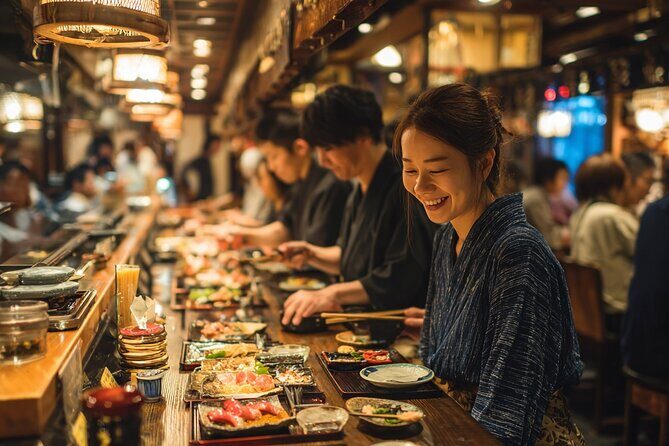
- 13 dishes at 4 eateries for one set price, so you’re not doing the math while hungry
- Lantern-lit Pontocho and Gion strolling with guided context about geisha culture
- Seasonal Kyoto specialties like obanzai and yuba, not generic menu items
- One complimentary drink at 2 eateries (alcohol or non-alcohol, legal age for booze)
- Small group size (max 10), which keeps the evening from feeling like a cattle lineup
- Good odds of a strong guide based on the many guide names that keep showing up, including Yuvia, Alessio, Pedro, Mahreb, and Amy
Lantern-Lit Kyoto Is a Meal, Too
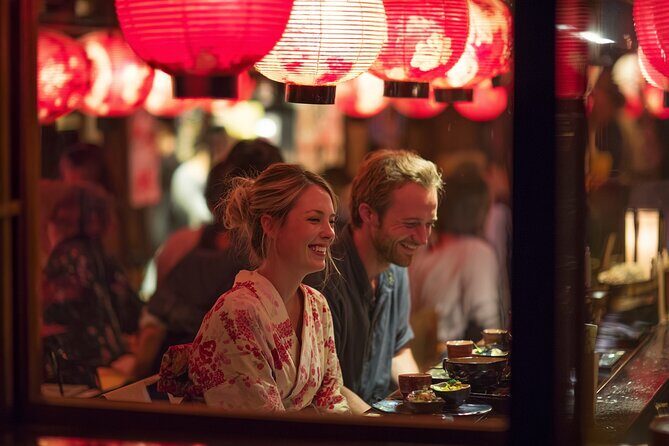
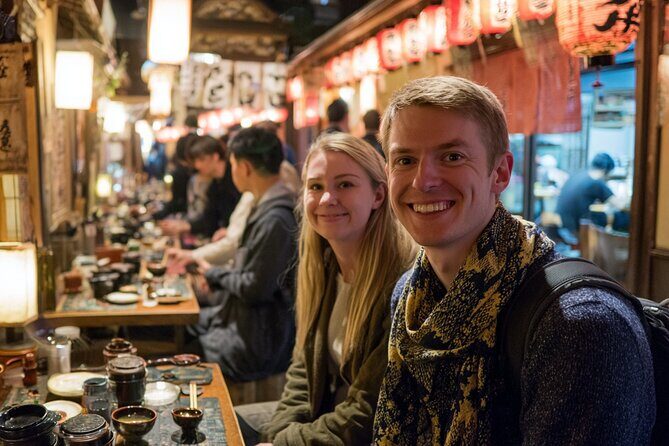
Kyoto at night can feel like you turned down the volume on the day. The tour’s biggest trick is that you’re eating while the neighborhood is changing. You start with the lantern-lit preserved lanes around Pontocho, then keep moving into Gion’s softer glow—so the food doesn’t happen in isolation. It feels like part of a scene.
If you like walking (and you can handle uneven streets), this is one of those “small effort, big payoff” setups. You’re learning while you go: why geisha culture matters here, how people interpret tradition, and why Kyoto’s food often feels careful and seasonal. That context is useful because it helps you order and taste with more intention instead of just chasing whatever looks good in the moment.
You can also read our reviews of more food & drink experiences in Kyoto
13 Dishes for $72.96: Is It Good Value?
The price is $72.96 per person for about 3 hours and a set structure: 4 eateries and 13 dishes. On paper, that sounds like “a lot of food,” but the better way to judge value is what’s included and how it reduces your decision fatigue.
You’re not picking each stop yourself. You get:
- Multiple small plates across the night (often the best way to taste Kyoto’s range)
- Meals included (with no vegan or gluten-free options)
- One complimentary drink at 2 eateries, alcohol or non-alcohol depending on your preference and legal age
And because the tour includes a guided walk through Pontocho and Gion, you’re paying for the cultural framing too. That matters in Kyoto, where food and place are linked. A plate of something simple can taste different once you understand what it represents here.
Just be honest with yourself: if you’re the type who prefers long sit-down meals with big portions at one restaurant, this format may feel like a “snack marathon.” The tradeoff is variety—and for a first-time Kyoto evening, variety is hard to beat.
Where the Night Starts and Ends
The meeting point is Starbucks Coffee – Kyoto Sanjo-ohashi Bridge, at Nakajimachō (Omiya building, 1F). It’s an easy landmark, and it’s close to public transportation, which helps if you’re coming straight from another neighborhood.
You’ll finish at Gion-Shijo Station (Miyagawasuji, Higashiyama Ward). That ending is practical. You can hop on transport right away instead of needing to backtrack across central Kyoto just because dinner runs late.
Also note the tour uses a mobile ticket, so have your phone charged and ready. It’s small, but it saves a lot of awkwardness when everyone’s trying to get checked in.
Stop 1: Pontocho District and the Geisha-Era Streets
This is the opening act: a walk through Pontocho’s lantern-lit preserved alley ways and a guided explanation of geisha in Japanese culture. Even if you already know a few basics, seeing how the neighborhood is laid out at night makes the stories land better.
Here’s what you should expect in practice:
- A short “settle in” moment where the guide orients you to the area
- A cultural focus before the food rush
- A street atmosphere that feels cinematic because of the lighting, narrow lanes, and older architecture
This stop sets your tasting framework. You’re not just sampling random plates; you’re learning how Kyoto connects performance, etiquette, seasonal living, and dining. If that sounds like a bit much, don’t worry. It stays grounded in what you’re seeing as you walk.
One more practical note: one of the more common “heads-up” style details from similar tours in Japan is that some restaurants may require you to remove your shoes. In the feedback, at least one person flagged this as part of the experience, so plan for it even if every stop isn’t the same.
Stop 2: Kyoto Evening Eats in the Middle of the Route
The second stretch is described as exploring Kyoto and the surrounding eateries in this area. Think of this as the rhythm stop: you keep walking, you keep sampling, and the guide’s job shifts from introductions to helping you taste with more care.
This is also where the tour structure really helps you:
- You’re getting more than one “type” of food over the night
- The variety makes it easier to handle spicy or rich flavors because you’re not stuck with just one style
- You get breaks between stops, not long stretches where you’re just hungry and waiting
From the food types mentioned for the tour, this middle chunk is where you’re likely to meet some of the more distinctly Kyoto flavors. The tour highlights include obanzai (Kyoto home-style dishes) and yuba (tofu skin), both of which often feel lighter and more nuanced than you’d expect from “tofu-based” descriptions. When you taste them in Kyoto, they feel seasonal rather than generic.
This is also a good moment to slow down and ask questions. If your guide is the type who explains how each dish is made or why Kyoto does it differently, this stop is usually where you’ll get the most useful answers.
A few more Kyoto tours and experiences worth a look

Stop 3: Gion Lantern Streets and Hidden-Style Dining
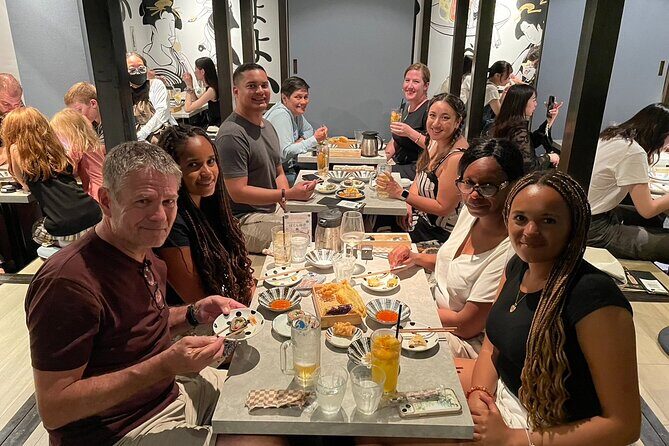
Gion is the final walk, and it’s meant to feel magical: lantern-lit streets, teahouse-era vibes, and more small plates at eateries tucked into the neighborhood. The tour description frames it as an unforgettable evening where you soak in geisha culture while you eat.
This is where the night can either feel like “exactly what I wanted” or “not what I expected.” Here’s the honest balance based on the tour info you’re given:
- The tour clearly includes Gion as a stop and includes lantern-street strolling.
- But some people have pointed out that their Gion time felt limited compared with what they expected.
So if your dream is long, deep Gion wandering with lots of time in one core area, you should go in with the right mindset: this is a multi-stop food walk with Gion included, not a full-day-only neighborhood takeover.
In terms of food and final drinks, you’re in a strong finish zone. The tour includes a complimentary drink at 2 eateries, and the later stops often feel like the best time to order the non-alcohol version if you want flavor without tipping the night into too much alcohol. If you want sake, just know alcohol is offered only for those of legal age.
And yes, you’re still walking. You may end up with a surprisingly full stomach by the end—partly because there are 13 dishes—so plan your last meal of the day for after this tour, not before.
What You Actually Taste (The Kyoto-Style Spread)
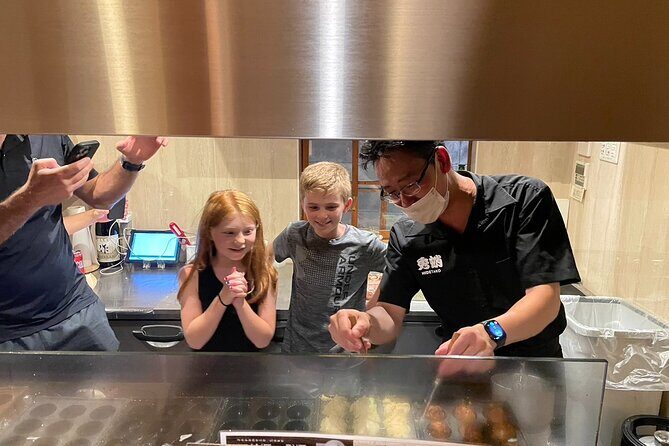
This tour is built around Kyoto’s idea of refined comfort food, and the descriptions point to a mix like:
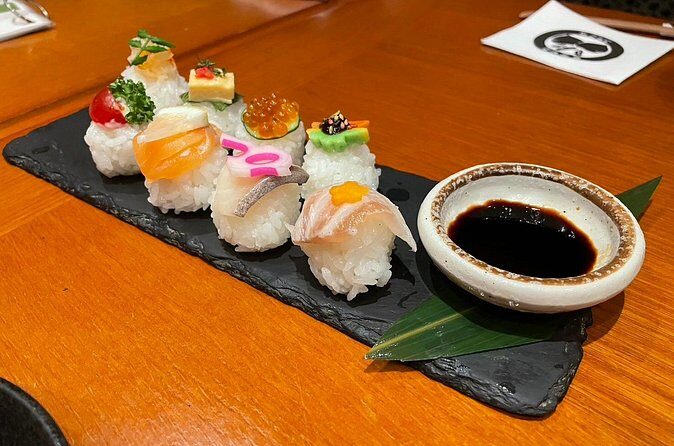
- Obanzai: Kyoto’s home-cooked style, often seasonal and made for balance
- Yuba: tofu skin, delicate and creamy when prepared well
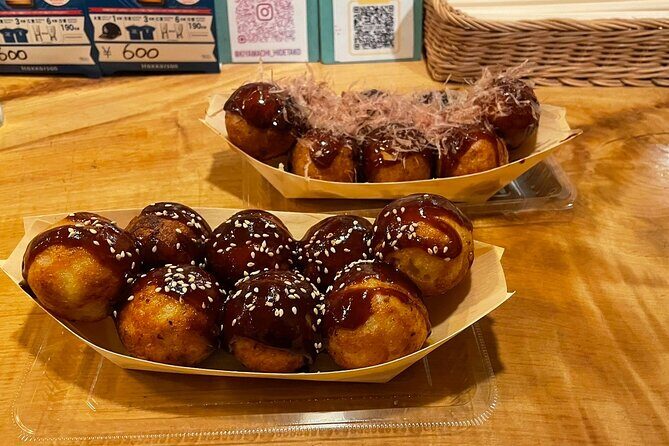
- Snacks and sweet treats: the sort of “try it, don’t overthink it” bites that keep the pace fun
- Local sake and other drinks: included as a complimentary option at two eateries
A small but important point: the tour does not cater for vegan or gluten-free meals. It also says it’s not suitable for FODMAP needs and for celiac disease. That doesn’t mean you’ll have no options; it means the menu choices aren’t designed around those dietary constraints.
If you can eat dairy and gluten normally, you’re in the clear. If you can’t, I’d think twice or plan a separate meal strategy before/after so you’re not stuck with limited choices.
The Guides: Why Names Like Yuvia and Alessio Matter
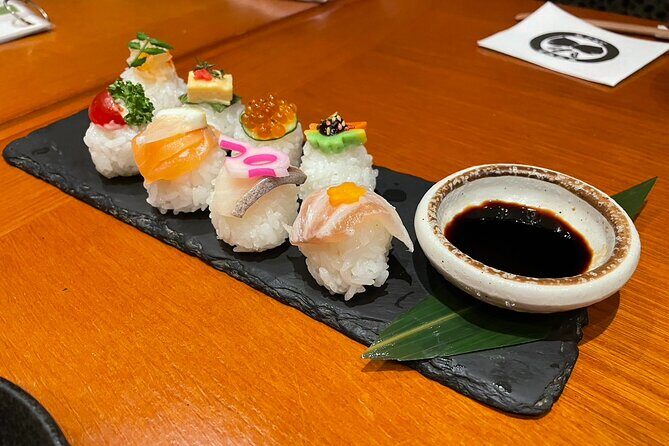
This tour runs with English-speaking guides, and the feedback shows that guide personality can make or break the feeling of the evening. You’ll see guide names repeatedly: Yuvia, Alessio, Pedro, Mahreb, Amy, Liz, Maggie, Gian, and Mehrab.
Here’s what that tells you as a planner:
- The best nights seem to happen when guides bring the neighborhoods to life, not just hand you a menu.
- When guides are more story-driven and willing to explain each dish clearly, the food tastes better because you understand what you’re eating.
At the same time, there are a couple of cautions you should keep in mind. Some feedback suggests the pacing can be repetitive if the guide leans heavily on a script, and a few people mentioned difficulty understanding a guide due to language style. A few also noted that some restaurants require shoe removal, so listen closely during the handoff between stops.
The good news: with a max group size of 10, you’re more likely to get interaction and explanations rather than staying stuck in a long line behind everyone’s shoulders.
Walking Level: The Real Tradeoff
The tour duration is about 3 hours, and it’s structured around moving between three areas. That means you should expect:
- Enough walking to feel like a night out, not a seated dinner
- Streets that may be uneven, especially in older alleyways
The tour also states it is not suitable for a person with mobility impairment. That’s a big clue that the walk matters.
If you’re comfortable walking at a relaxed pace and you’re okay with occasional restaurant entry rules (like shoe removal), you’ll probably love this. If you want minimal walking and mostly one location, consider a different format.
Who This Tour Fits Best
This is a strong fit if:
- You want a first Kyoto evening that combines place + food, not just food alone
- You’re curious about geisha culture and Kyoto’s culinary traditions
- You like tasting a spread: 13 dishes is more about variety than one big highlight
It may not be your best fit if:
- You need vegan, gluten-free, celiac-safe, FODMAP, or strict dietary options (this tour says it can’t cater for those)
- You need a low-walking, fully accessible route
- You want one long, leisurely restaurant dinner rather than multiple quick stops
One more small fit check: alcohol is included as a complimentary drink at two eateries, but only for legal-age participants. If you avoid alcohol, you still get non-alcohol drink options mentioned in the tour details.
Should You Book the Kyoto Gion Food Tour 13 Dishes at 4 Eateries?
Book it if you want a high-value, guided, food-first Kyoto night with lantern-lit neighborhoods and Kyoto-specific tastes like obanzai and yuba. The price makes more sense when you remember you’re buying both the food spread and the walking-cultural context, and the small group size keeps it from feeling chaotic.
Don’t book it if you have serious dietary restrictions like vegan or gluten-free/celiac needs, because the tour explicitly doesn’t cater for those. Also, be realistic about the walking: this is a 3-hour moving evening through Pontocho and Gion.
If you’re flexible, curious, and ready to eat your way through an iconic Kyoto mood, this one is a very solid bet.
FAQ
How long is the Kyoto Gion Food Tour?
It runs for about 3 hours.
How much does the tour cost?
The price is $72.96 per person.
How many dishes and eateries are included?
You’ll have 13 dishes across 4 eateries.
Where do I meet the guide, and where does the tour end?
Meet at Starbucks Coffee – Kyoto Sanjo-ohashi Bridge in Kyoto. The tour ends at Gion-Shijo Station.
Is the tour guided in English?
Yes, it includes an English-speaking guide.
Are drinks included?
Yes. You get one complimentary drink (alcohol or non-alcohol) at 2 eateries, with alcohol offered only to legal-age participants.
Can the tour accommodate vegan or gluten-free diets?
No. The tour cannot cater for vegan or gluten-free options, and it is not suitable for celiac disease.
Is the tour suitable for people with mobility impairments?
No, it is not suitable for a person with mobility impairment.
What group size should I expect?
The tour has a maximum of 10 travelers.
What is the cancellation policy?
Free cancellation is available up to 24 hours before the start time for a full refund. Canceling less than 24 hours before won’t be refunded.