REVIEW · KYOTO
Kyoto: Gion Local Food Tour (Taste 15 Dishes)
Book on Viator →Operated by With Japan · Bookable on Viator
Gion is easy to love on a food crawl. This 3-hour, small-group tour strings together local night bites across Kyoto’s evening streets, with a guide handling ordering and translation so you can focus on eating.
I really like two things: the 15-dish variety (so you’re not stuck with one style of food) and the low-stress guide support, especially when menus get tricky. One possible drawback: depending on the night, the first stops can skew heavily toward chicken skewers, so if you only want pork or seafood, pace your expectations.
In This Review
- Kyoto Gion Food Tour in Plain Terms: 15 Dishes, 3 Hours, No Guesswork
- What You’ll Do in 3 Hours Around Gion (Stop-by-Stop)
- Stop 1: Kawaramachidori izakaya-style yakitori and chicken-forward starters
- Stop 2: Gion tonkatsu that hits like a mid-tour reset
- Stop 3: Gion Shirakawa sushi and tempura in one final tasting hit
- The in-between moments that add culture without slowing you down
- The Most Praised Parts: Guides Who Actually Lead the Night
- Price and Value: Is $94 a Fair Deal?
- Gion Night Atmosphere: Why This Location Makes the Food Taste Better
- What Included Drinks Change (More Than You’d Think)
- Who This Tour Suits Best (And Who Might Not)
- Small-Group Size: The Advantage of a Max of 15
- Practical Tips Before You Go (So You Enjoy Every Stop)
- Should You Book the Kyoto Gion Local Food Tour?
- FAQ
- How long is the Kyoto: Gion Local Food Tour?
- How much does the tour cost?
- How many dishes are included?
- Are drinks included?
- What’s the meeting point address?
- What time does the tour start?
- Where does the tour end?
- What group size should I expect?
- Is there free cancellation?
- Will I have help ordering and translating?
- Is the tour suitable for most travelers?
Kyoto Gion Food Tour in Plain Terms: 15 Dishes, 3 Hours, No Guesswork
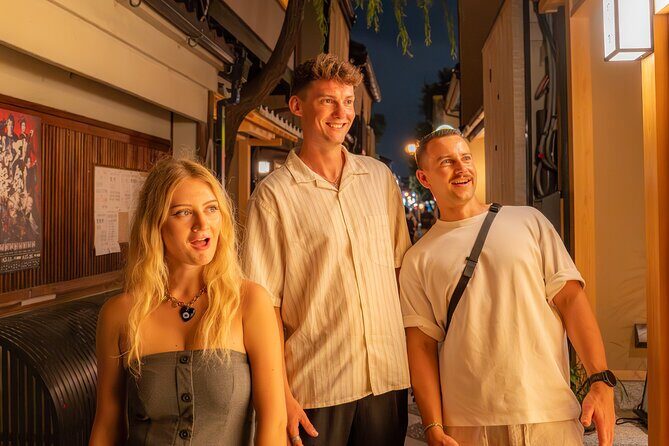
This is the kind of tour that helps you get your bearings fast in Kyoto at night. You start near the lively Kawaramachi area and then work toward Gion and Gion Shirakawa, where street life and small dining spots create that classic old- Kyoto feeling.
The biggest practical win is that you’re not translating menus while you’re hungry. A local guide manages orders and makes sure everyone in the group gets the right food, plus you get stories along the way that connect what you’re eating to Kyoto’s food culture and traditions.
It’s also built for variety. You’re sampling 15 different local dishes plus 2 drinks over about 3 hours, and the group size stays small (up to 15 travelers). That usually means less standing around and more actual eating.
What You’ll Do in 3 Hours Around Gion (Stop-by-Stop)
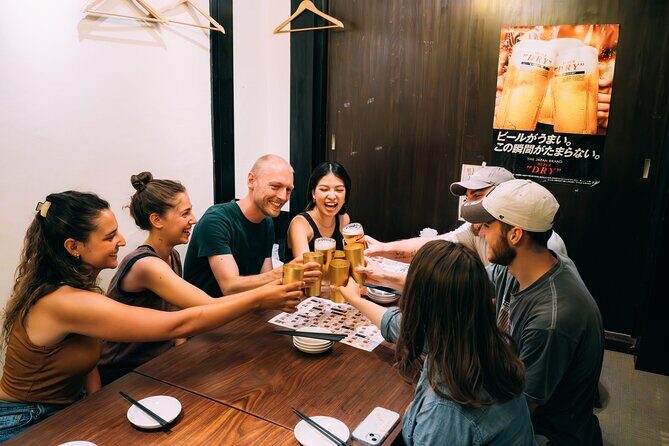
The tour runs from 6:30 pm and ends back at the meeting point. Plan on a night that blends short dining stops with walking time, including pauses where you can regroup and catch your breath between tastings.
You can also read our reviews of more food & drink experiences in Kyoto
Stop 1: Kawaramachidori izakaya-style yakitori and chicken-forward starters
Your first stop happens at Kawaramachidori, and the food centers on yakitori (grilled chicken skewers) plus other izakaya-style dishes. This is a smart opening move: skewers and small plates arrive quickly, so you start tasting immediately and set the pace for the rest of the evening.
If you’re the type who likes to jump in with a clear game plan, you’ll appreciate this start. If you dislike chicken, just know that early in the tour you may see multiple chicken dishes before the pork and seafood-heavy plates show up later.
Stop 2: Gion tonkatsu that hits like a mid-tour reset
The second stop is in Gion, and it specializes in tonkatsu—a crispy deep-fried pork cutlet. This mid-tour switch matters because fried cutlet is different from skewers, so your palate doesn’t feel like it’s repeating itself.
Tonkatsu also works as a timing anchor. You usually feel better eating something more substantial here, because the last stop leans into variety again with seafood favorites and lighter fried bites.
Stop 3: Gion Shirakawa sushi and tempura in one final tasting hit
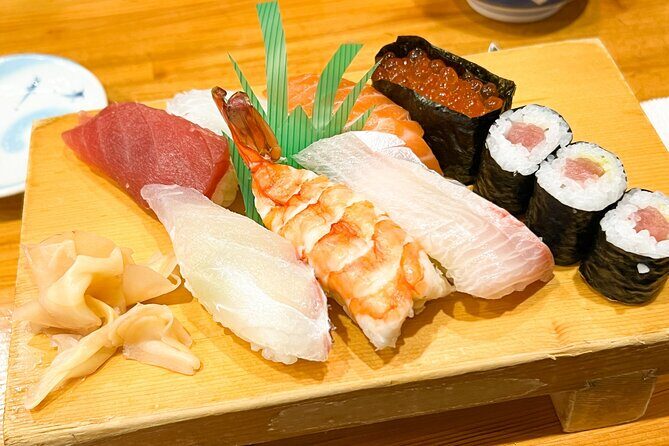
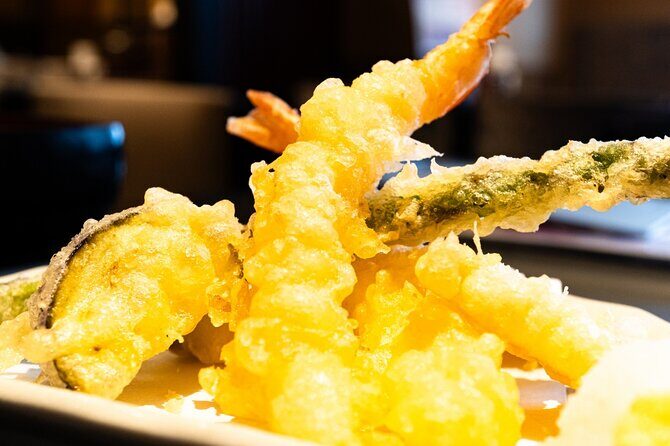
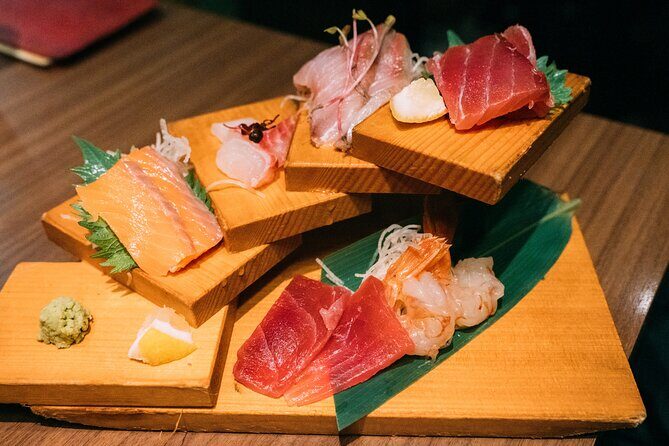
Your final meal focuses on sushi and tempura, letting you taste two of Japan’s most recognizable favorites in the same sitting. This stop is where the tour often feels like a highlight reel: you get mix-and-match bites rather than one long course.
If you enjoy ordering with guidance, you’ll like how the guide simplifies the process. One featured example from a guide like Yu includes sushi, tempura, and sake, which fits the idea of a relaxed final stop with a drink in hand.
The in-between moments that add culture without slowing you down
Even though your main dining stops are three locations, you may also get a short walk and cultural explanation between bites. In one standout experience led by Ryu, the group walked to the area of Yasaka Shrine while waiting for the next snack, and the guide explained Shinto context and the meaning of lantern writing you might see there.
That kind of pause is useful. It turns the tour from just eating into eating with direction, so the night feels like Kyoto instead of a checklist.
A few more Kyoto tours and experiences worth a look

The Most Praised Parts: Guides Who Actually Lead the Night
The reviews clearly point to the guides as the difference-maker. Names that came up include Ryu, Misaki, Leo, Jay, Yu, Yo, and Liu, and they each show up in different ways: fluent English support, friendly hosting, and practical navigation through crowded streets.
Here’s what consistently earns high marks:
- Ordering and translation help so you don’t get stuck on menus.
- City navigation that keeps you from feeling lost in Gion’s tight lanes.
- Culture tie-ins that explain why something is eaten that way, not just what it is.
Misaki, for example, is described as warm and fluent in both Japanese and English, with early updates through WhatsApp. That kind of communication helps you avoid the most annoying problem on city tours: not knowing where the group is at the exact moment you’re hungry and ready.
Price and Value: Is $94 a Fair Deal?
At $94 per person, you’re paying for three things: 15 local dishes, 2 drinks, and a local guide who handles the hard parts (ordering, translation, timing).
If you do a quick math check, you’re paying roughly $94 across 17 included items (15 dishes + 2 drinks). That’s not how restaurants price tasting food, but it gives you a feel for the structure: you’re not buying one meal and hoping it’s enough. You’re getting a planned sequence designed to keep variety high.
The value also improves if you’re the kind of traveler who wants to eat more, not just eat one fancy place. In Kyoto, local food tours are often worth it because the hardest part isn’t finding food—it’s finding food that fits your tastes and fits your language comfort level.
The main value caution: if you’re expecting premium-only bites, set your expectations to everyday favorites. One criticism pointed out that early selections can be chicken skewers geared toward quick, filling izakaya comfort food. That doesn’t mean it’s low quality—but it does mean the tour’s style is practical, not restaurant-fancy.
Gion Night Atmosphere: Why This Location Makes the Food Taste Better
Gion isn’t only pretty in photos. At night, it’s full of small dining pockets where locals actually go for an easy meal and a drink. This tour’s route through Gion and toward Gion Shirakawa means you’re eating in the right neighborhoods for Kyoto-style night life.
The tour structure helps you handle the practical reality of Gion: streets can feel crowded and food options can blur together fast. A guide keeping the group moving and steering you to the next spot can save you time and frustration.
I’d also plan for the fact that this is a walking-and-snacking evening. Reviews describe easy walking between venues, but you’ll still want comfortable shoes and a light layer. Kyoto evenings can vary, and you’ll be spending time outside between stops.
What Included Drinks Change (More Than You’d Think)
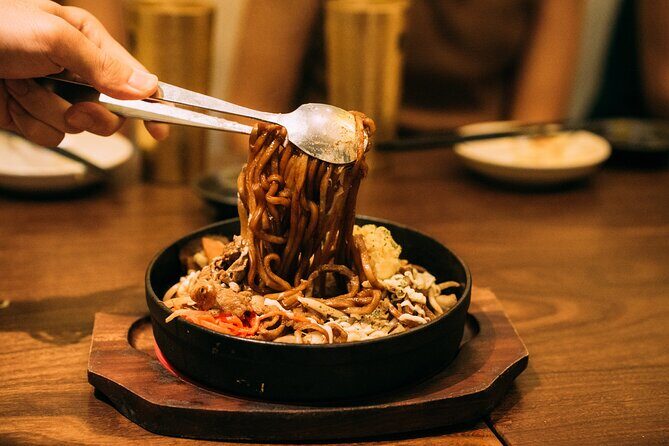
You get 2 drinks included, which makes a difference beyond taste. It keeps the pacing realistic. Eating 15 dishes without a drink is possible, but it’s not fun—so you’re basically guaranteed the rhythm needed for fried bites, savory skewers, and then sushi/tempura variety at the end.
Some guidance around what drinks might look like can come from guide-led examples, including sake paired with the sushi and tempura stop. Since the exact drink types aren’t listed, treat this as a chance to try a Japanese evening drink rather than a commitment to any one beverage.
Who This Tour Suits Best (And Who Might Not)
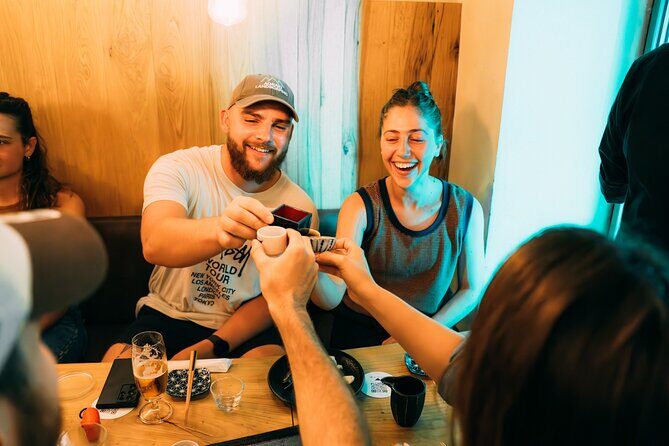
This tour is ideal if you want:
- A guided introduction to Kyoto’s night food without menu stress.
- A mix of classics like yakitori, tonkatsu, sushi, and tempura.
- A small group vibe where you can ask questions and keep up with the pace.
- Culture stories tied to what you’re eating, including explanations you might hear around lanterns and Shinto context near Yasaka Shrine.
You might hesitate if:
- You strongly prefer one type of food (for example, only seafood or only pork).
- You expect a high-end dining crawl. This is about local favorites and ordering ease, not a luxury tasting menu.
The good news: with 15 dishes spread across three stops, most people find at least a few bites they love—especially at the tonkatsu and the sushi/tempura finale.
Small-Group Size: The Advantage of a Max of 15
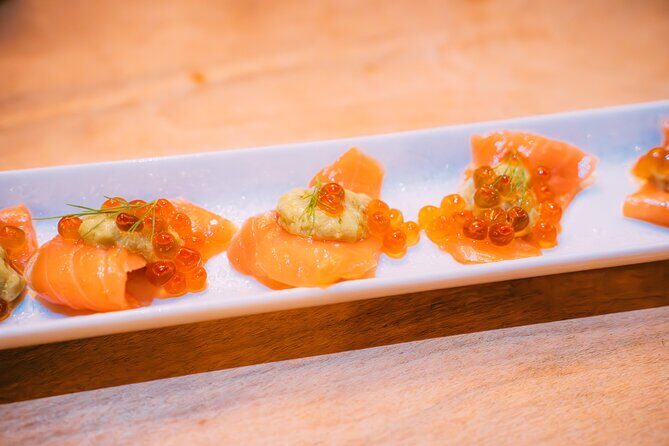
A maximum group size of 15 is a sweet spot for this kind of night. It’s small enough that the guide can keep track of everyone, and big enough that you usually won’t feel awkward waiting alone outside a shop.
That group size also supports the “you’re not just a number” feeling described by multiple guides. One experience with Misaki emphasized how small felt like going out with friends, and another with Yo focused on keeping everyone included.
Practical Tips Before You Go (So You Enjoy Every Stop)
A few things will make your evening smoother:
- Arrive a bit early and check the meeting location carefully. The meeting point is at Doutor Coffee Japan (address provided in the tour listing info), and mix-ups with meeting time or place are the kind of problems that can spiral fast when you’re hungry.
- Eat lightly earlier in the day. Fifteen dishes add up, and even with small portions, the sequence is meant to fill you.
- Wear comfortable shoes. You’ll move between food stops and likely do a short walk as part of the evening’s pacing.
- Bring curiosity. If you ask questions, you’ll get more from the cultural stories tied to what’s on your plate.
Should You Book the Kyoto Gion Local Food Tour?
I think you should book this tour if you want a simple way to eat a lot of Kyoto classics in one guided night—especially if language barriers make self-guided dining stressful. The combination of 15 tastings, 2 drinks, and guide ordering support is the core reason it works.
I wouldn’t book it as your top choice if you want only specific food types or you’re chasing a luxury, high-end dining vibe. Also, do your part: confirm meeting details close to start time so you don’t get stuck trying to find the group.
For most people, though, this is a solid, efficient “Kyoto at night” experience with real structure, a small-group feel, and guides who can turn food into a story you’ll remember.
FAQ
How long is the Kyoto: Gion Local Food Tour?
It lasts about 3 hours.
How much does the tour cost?
The price is $94.00 per person.
How many dishes are included?
You’ll taste 15 local dishes.
Are drinks included?
Yes. 2 drinks are included.
What’s the meeting point address?
Meet at Doutor Coffee Japan, 604-8026 Kyoto, Nakagyo Ward, Komeyachō, 391 河原町ニュートーキョービル 1F.
What time does the tour start?
The start time is 6:30 pm.
Where does the tour end?
It ends back at the meeting point.
What group size should I expect?
The tour has a maximum of 15 travelers.
Is there free cancellation?
Yes. You can cancel for a full refund if you cancel at least 24 hours before the experience’s start time.
Will I have help ordering and translating?
Yes. A local guide helps with ordering and translation.
Is the tour suitable for most travelers?
The tour says most travelers can participate.