REVIEW · KYOTO
Kyoto Sake Brewery & Tasting Walking Tour
Book on Viator →Operated by MagicalTrip Inc. · Bookable on Viator
A sake tour you’ll actually remember. This Kyoto Fushimi walking experience pairs the Gekkeikan Okura Sake Museum with a real in-area tasting stop, so the flavors make sense fast. I like that it’s a small group (up to 7) and that you get a large tasting set rather than just a token sample. One thing to consider: if you’re hoping for multiple factory-only brewery tours, the day is more “museum + brewery-district walk + tasting bar” than nonstop distillery visits.
There’s also a strong practical angle here. You’ll walk in one of Kyoto’s old sake zones, learn what changes the taste, then compare sakes side-by-side. It’s a smart way to turn curiosity into a short list of bottles you might actually buy.
In This Review
- Key highlights at a glance
- What you’re really buying for $98.82 in Kyoto
- Start in Fushimi: meeting near Chushojima Station, ending at Momoyama
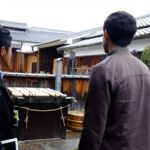
- Gekkeikan Okura Sake Museum: where the story becomes tasting
- Teradaya pass-by: a moment of drama in a quiet brewery zone
- Kappa Gallery: a playful detour that still fits the theme
- The tasting bar: comparing 18 kinds of sake like a pro
- If you’re under 20
- Group size, pace, and the Kyoto heat factor
- Guides make the difference: what you should look for
- Is this tour for you? (And when it might not fit)
- Should you book this Kyoto sake tour?
- FAQ
- How long is the Kyoto Sake Brewery & Tasting Walking Tour?
- Where does the tour start and where does it end?
- How many sakes do you taste?
- Is it a small group tour?
- Is this tour suitable for people with mobility issues?
- What happens if someone is under 20 years old?
Key highlights at a glance
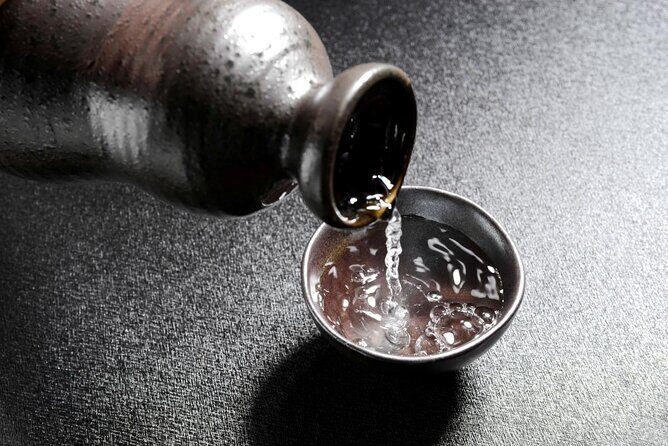
- Gekkeikan Okura Sake Museum (admission included): learn the process through exhibits and history tied to the brewery
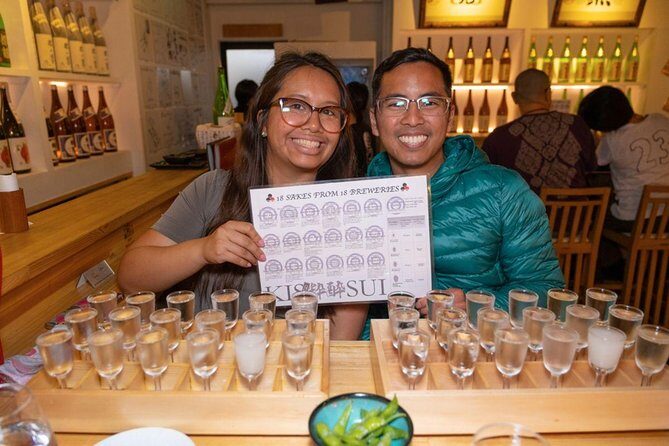
- Taste a big range: an 18-sake tasting set at the restaurant stop (some groups report tasting a higher count)
- Fushimi brewery-district walking: context as you go, not just a lecture
- Kappa Gallery stop: a playful culture break inside the same walking route
- Small-group format: a calmer pace with time for questions (max 7)
What you’re really buying for $98.82 in Kyoto
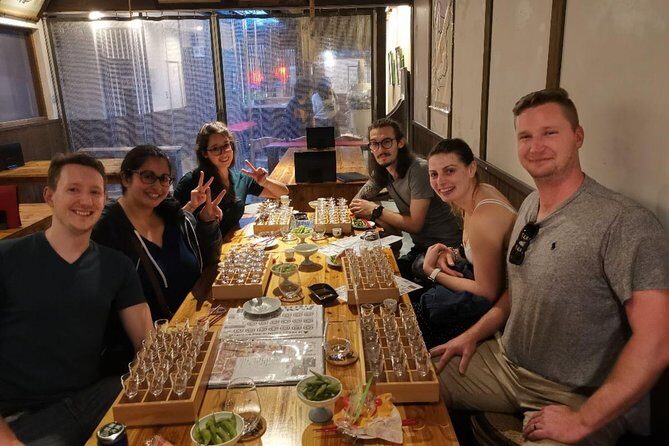
At $98.82 per person, this tour isn’t the cheapest way to drink sake in Kyoto. The value comes from three things you can’t easily recreate on your own: (1) guided context, (2) a structured tasting set, and (3) time saved by having the route and museum entry handled.
The tasting component matters most. You’re not just getting one or two pours while you stand in a loud bar. You’re sampling a range of styles, with the museum stop giving you the language to notice differences. That’s how you end up leaving with preferences, not just a buzz.
One more value point: you get photos during the tour. It’s a small add-on, but it helps when you’re walking through narrow lanes and don’t want to wrestle with your phone every few minutes.
You can also read our reviews of more walking tours in Kyoto

Start in Fushimi: meeting near Chushojima Station, ending at Momoyama
You start at Chushojima Station in Fushimi (Yoshijima Yaguracho area). The end is Fushimi-Momoyama Station, which is handy because it lets you keep moving around Kyoto without doubling back.
This matters for two reasons. First, it reduces transit friction. Kyoto can feel big when you’re crossing neighborhoods, so a start/end pair that stays within the same general area is a real convenience. Second, it keeps the walking flow logical: you’re not constantly hopping trains to chase each stop.
The tour also uses a mobile ticket, so you’re not scrambling for paper confirmations.
Gekkeikan Okura Sake Museum: where the story becomes tasting
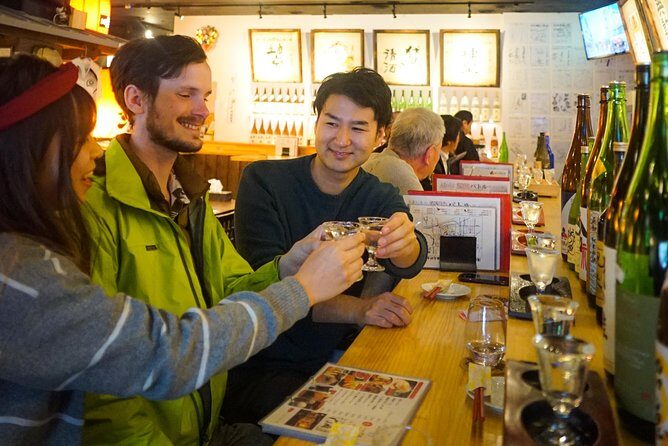
Your first major stop is the Gekkeikan Okura Sake Museum, with about 30 minutes there and admission included. This is where the tour does its best job connecting “what you’re drinking” to “why it tastes that way.”
Inside, you’ll learn about Gekkeikan’s history and the sake brewing process, and you’ll do it by looking at exhibits rather than just hearing abstract explanations. That matters because sake is full of terms people toss around—dry, sweet, aroma, smoothness—and exhibits help you attach those words to real choices brewers make.
Even if you’re brand-new to sake, this museum leg gives you a framework. For experienced drinkers, it helps you compare what you already know with how the brewery explains technique. Either way, it sets up the tasting stop so you can pay attention instead of guessing.
Practical note: the museum time is short. If you’re the type who wants to read every panel, you’ll still want to enjoy the exhibits, but don’t plan for a slow museum crawl. This tour is built to keep moving.
Teradaya pass-by: a moment of drama in a quiet brewery zone
Between stops, you pass by Teradaya, a famous spot in Fushimi connected to the late Edo period. The key detail here is the Teradaya Disturbance, linked to Sakamoto Ryoma’s era and the attack connected to that story.
Why include this at all? Because Fushimi wasn’t just a drink factory—it was a neighborhood shaped by people, conflict, and commerce. A brief pass-by like this is the tour’s way of reminding you that sake culture grew alongside real history on these streets.
It’s also a nice pace reset. After museum time, a quick outside moment helps you “zoom out” before you zoom back into flavor work.
Kappa Gallery: a playful detour that still fits the theme
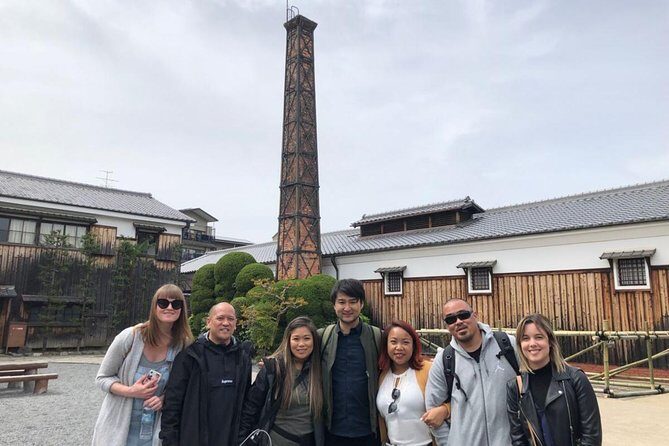
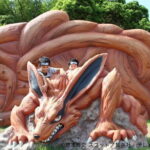
Next you visit Kappa Gallery, where the focus is the famous Japanese creature, kappa. The Kappa museum angle is that it’s one of Japan’s leading museums devoted to kappa, and it’s built around a playful piece of cultural imagination.
At first glance, that might seem like an odd pairing for a sake tour. But it works because you’re still walking in the Fushimi brewery district, and the tour keeps its energy from turning into pure lecture mode. This stop also gives you something light to look at while you’re in the area—perfect if you want a cultural swap instead of another tasting.
Also, admission at this stop is included, so you’re not paying extra for the detour.
You can also read our reviews of more food & drink experiences in Kyoto

The tasting bar: comparing 18 kinds of sake like a pro
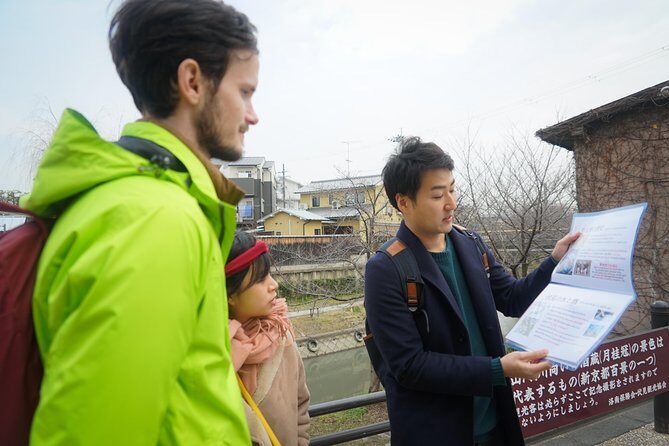
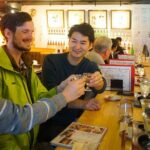
The heart of the tour is the tasting at a local sake restaurant/bar. The tour listing states a tasting set of 18 kinds of sake, and the bigger number is part of the reason the tour feels “worth it.” You’ll get a chance to compare styles in a guided setting instead of wandering and ordering randomly.
In the tastings I’ve seen reported from this kind of setup, groups often come away with two things:
- A better sense of what you like (dry vs fruity vs something smoother)
- A clearer idea of what to order later, once you’ve learned the basics
You should also know the pace here can be a lot. Even on well-run tours, tasting many samples in a short block can feel like information overload. The tour tries to counter that with museum context and a guide who explains what you’re tasting, but your biggest job is slowing down long enough to notice differences.
Food is optional. The tour includes tasting sets and some snack substitutions for younger guests, but additional food or drinks are available for purchase.
If you’re under 20
The tour notes that anyone under 20 gets foods or snacks instead of the sake tasting set. That makes the tour more flexible for mixed-age groups, since you’re still doing the walking and museum learning.
Group size, pace, and the Kyoto heat factor
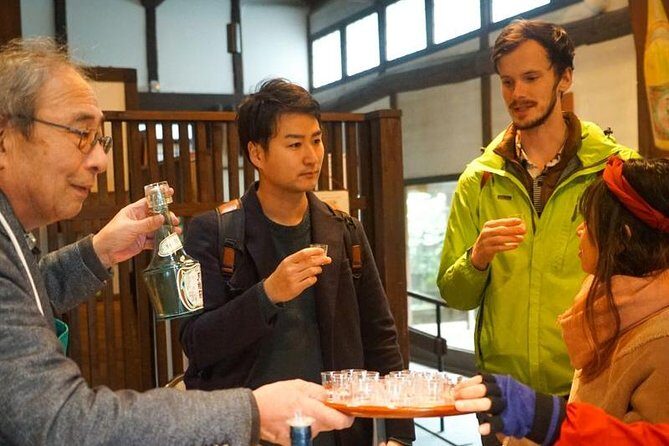
This is a walking tour, about 3 hours total. It’s also capped at a maximum of 7 travelers, which keeps the experience from turning into a cattle-line situation.
That small group size shows up in two ways:
- You get more time for questions.
- The guide can adjust pacing if people need a slower moment.
The tour is also not recommended for people with mobility issues. There’s a suggestion to contact the operator if you need options, including whether you can do it as a private tour.
Then there’s the season issue. The tour info calls out that summer in Japan is hot and humid, so plan to bring water and a hat. This isn’t “nice to have.” It’s the difference between enjoying a slow sip tour and feeling wrecked halfway through.
Guides make the difference: what you should look for
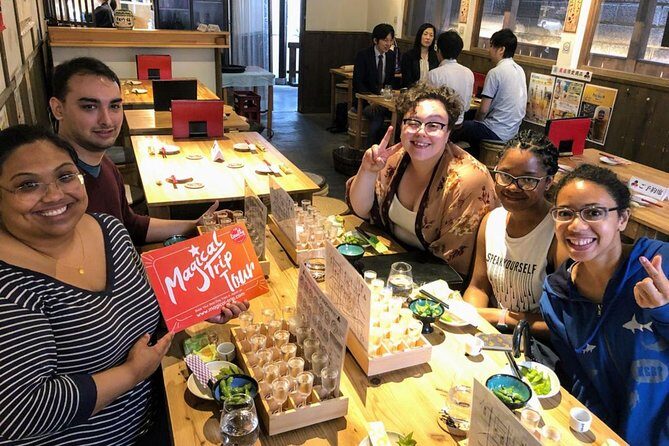
One of the standout themes from the tour experience is that the guides tend to connect three things: history, brewing process, and tasting technique. Names that have been praised include Matt, Ayu, Kumi, Linda, Rika, and Yukari—and several of these guides are repeatedly described as friendly, organized, and able to answer questions without making it feel like homework.
Some guides are also noted for having specific depth, like being a sake sommelier. Even if your guide isn’t labeled that way, what you want is the same skill: translate brewing choices into tasting cues you can actually use.
A practical way to get more out of your tour: ask one simple question early, like what you should expect from a dry versus sweeter style. Then keep listening for the guide’s comparisons at each pour.
Is this tour for you? (And when it might not fit)
This tour is a great match if you want:
- A structured Kyoto sake tasting with enough samples to learn your preferences
- Museum learning that supports the tasting, not just sightseeing
- A small-group pace in the Fushimi area
- A route that includes both culture and drink-focused stops
It might be less satisfying if:
- You’re expecting multiple separate brewery factory tours in the strict sense (this day is built around a museum and a tasting restaurant)
- You’re very strict about buying only local-only bottles and avoiding anything that feels globally distributed (the day can include a more major, widely recognized sake brand presence through the museum experience)
Also consider your tolerance for tasting volume. If you know you get overwhelmed after many quick samples, you may want to slow yourself mentally—take notes on what you like and what you don’t.
Should you book this Kyoto sake tour?
Yes, if your goal is to leave with a real sense of sake styles and a short list of favorites. The combination of Gekkeikan Okura Sake Museum plus a big tasting set is exactly the recipe for “I now get it.”
I’d especially recommend it if you’re doing Kyoto for the first time and want a drink experience that’s more than just ordering what looks good. The Fushimi walking route gives context, and the small group size keeps it friendly.
Book with confidence, but go in with the right expectations: this isn’t a marathon of factory tours. It’s a smart 3-hour walk where learning leads into tasting.
FAQ
How long is the Kyoto Sake Brewery & Tasting Walking Tour?
It runs for about 3 hours.
Where does the tour start and where does it end?
It starts at Chushojima Station and ends at Fushimi-Momoyama Station.
How many sakes do you taste?
The tour includes a tasting of 18 kinds of sake at the sake restaurant stop.
Is it a small group tour?
Yes. The experience has a maximum group size of 7 travelers.
Is this tour suitable for people with mobility issues?
It’s not recommended for people with mobility issues. If you have trouble walking, you should contact the operator to ask whether a private option is possible.
What happens if someone is under 20 years old?
The tour notes that anyone under 20 will get foods or snacks instead of the sake tasting set.