REVIEW · KYOTO
Kyoto: Maiko, Samurai, or Kimono Rental and Tea Ceremony
Book on GetYourGuide →Operated by Maiko Transformation Studio Shiki・Rental Kimono Shiki Sakura · Bookable on GetYourGuide
Kyoto in costume is fun, fast, and photo-friendly. This experience lets you pick a look—maiko, samurai, or kimono—then pair it with a short matcha ceremony at Akebonotei, just a few minutes from Kiyomizu-dera. I like the location because it puts you in the right streets for temple views right after dressing up, and I like that the tea stop includes matcha and sweets. The main drawback: it’s scheduled and punctuality matters, so if you’re late you may miss parts or get routed in mid-flow.
It’s also built for small groups (up to 6), and it’s one of the few costume-and-tea options that explicitly allows a family of up to four (ages 5 and up). If you’re the type who wants a slow, meandering day with lots of freedom, know this is more “planned experience” than “wander and discover.”
One more thing to consider: it’s not for everyone. Pregnant women aren’t allowed, and children under 5 can’t participate, so you’ll want to double-check ages before you book.
In This Review
- Quick highlights before you go
- Kiyomizu-dera area: why this neighborhood works so well
- Maiko, samurai, or kimono: choosing the right costume for your day
- The studio-to-tea setup at Akebonotei: what really happens
- Timing and start times: lining up your costume with matcha
- Price check: does $77 feel like a deal in Kyoto?
- What’s included (and what isn’t): pack smart
- Family rules, group size, and who this fits best
- Authentic tea vs. a scheduled studio day: setting expectations
- How to make your day go smoothly in kimono
- Should you book this Kyoto Maiko Samurai or Kimono rental with matcha tea?
- FAQ
- Where is the meeting point?
- How long does the experience take?
- What’s included in the price?
- Is it suitable for children?
- Can pregnant women participate?
- Can I wear the kimono after the ceremony?
Quick highlights before you go
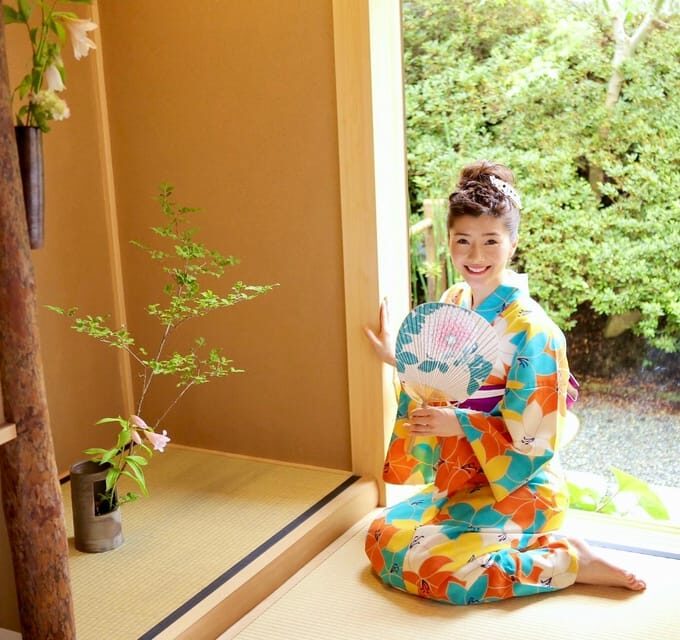
- Maiko, samurai, or kimono options so you can match your vibe and photos
- Akebonotei matcha ceremony is close by, keeping the day efficient
- Costume includes sandals, obi, and even underwear, so you travel lighter
- Kimono rental can last until 5pm (useful if you want extra sightseeing time)
- Small group size (up to 6) helps the timing feel less chaotic
Kiyomizu-dera area: why this neighborhood works so well
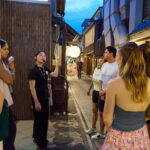
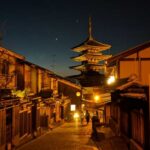
Kiyomizu-dera is one of those Kyoto magnets. Even if you don’t chase crowds, you’ll still get the classic temple-and-street atmosphere, and this activity places you right near it—about a 3-minute walk from Kiyomizu-dera. That means your “costume time” has an easy payoff: you can step out ready to explore the Higashiyama lanes.
The bigger value is how practical it is. Instead of doing a costume rental and then scrambling to find where to take pictures, you’re already positioned near major sights like Ninenzaka and Sannenzaka. You’re also within reach of places such as Yasaka Five-Story Pagoda and Yasaka Shrine, plus stylish cafes in the same zone.
The trade-off is that the area is popular. If you’re sensitive to busy sidewalks and camera phones, plan for short photo bursts rather than long “hang out and people-watch” sessions in costume.
You can also read our reviews of more tours and experiences in Kyoto.


Maiko, samurai, or kimono: choosing the right costume for your day
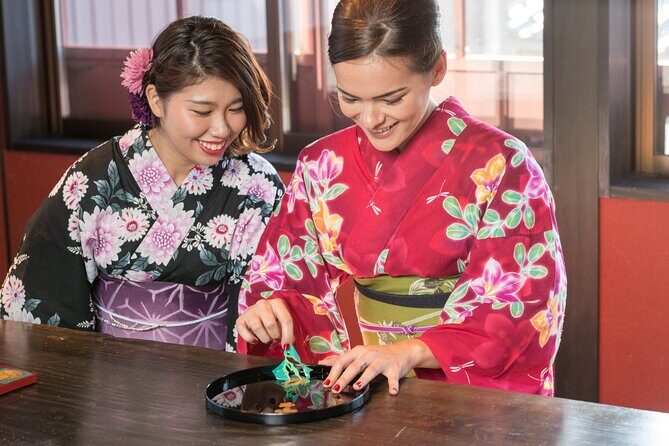
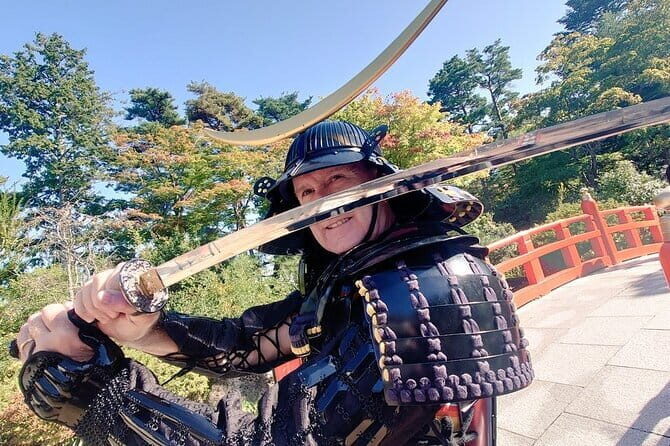
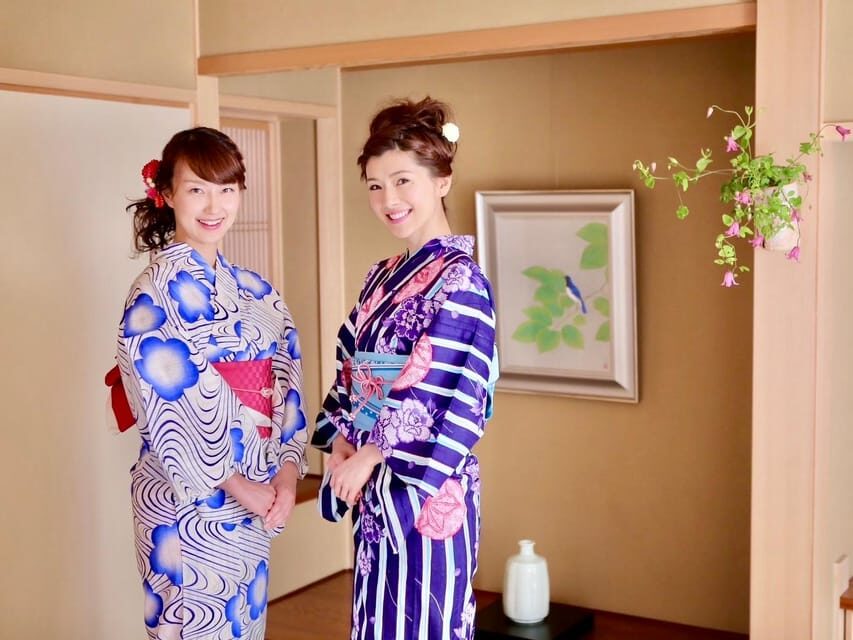
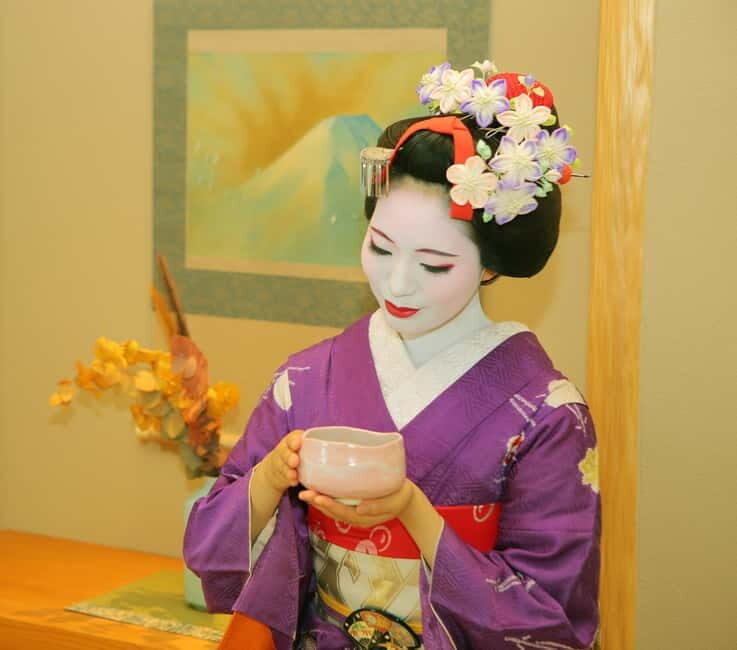
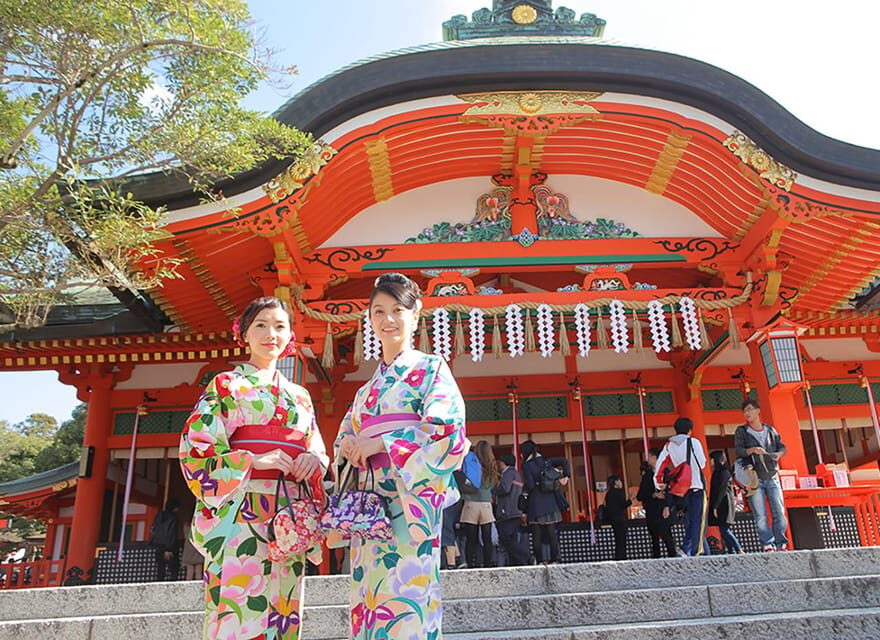
This is where you get to personalize the whole experience. You’re not locked into one look; you can choose maiko, samurai, or a kimono style (or yukata in the summer season).
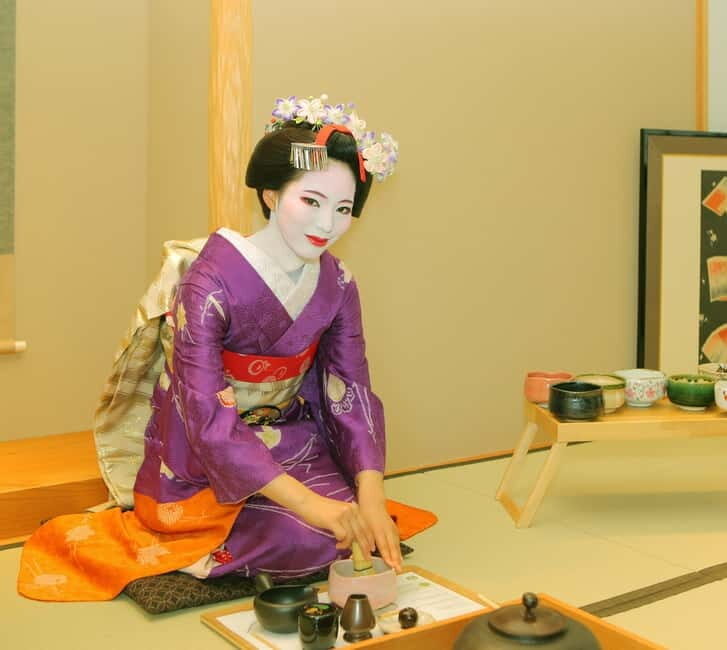
- If you choose a maiko look, the experience specifically includes a matcha tea moment while you’re in that costume. That’s the most “Kyoto-specific” pairing here: you get the traditional street outfit plus a tea setting that matches the mood.
- If you pick samurai style, you’re switching the energy from delicate and formal to bold and dramatic. The ceremony portion is still matcha-based, but your photos will feel very different.
- If you go with kimono, you get something extra for the schedule: you can enjoy the kimono until 5pm, which gives you a lot more time to use the outfit beyond the tea ceremony.
One key consideration: hair styling isn’t included. If you want a fully finished look, you should budget extra time and money for optional hair styling (one example noted an added cost of 1,650 yen).
The studio-to-tea setup at Akebonotei: what really happens
The rhythm is simple. You show up for your costume, then you head to the tea ceremony parlor called Akebonotei, a very short walk away (about 3 minutes).
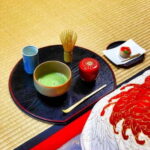
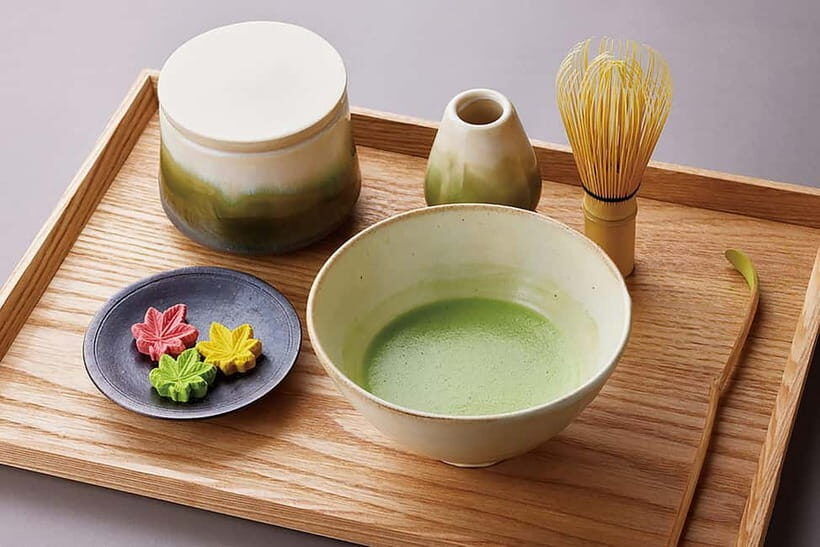
The tea ceremony itself is a shorter format—enough to taste matcha properly and experience the structure of the ritual without it turning your whole day into a single long event. You’ll also get sweets as part of the package, which matters more than you’d think if you’re wearing a kimono outfit and don’t want to hunt for snacks afterward.
Also note the pacing rules. You need to be punctual for both the costume component and the matcha component. If you arrive late, you’ll either be forced to join halfway through or you may not be able to participate. Translation: build in buffer time, and treat this like an appointment, not a flexible add-on.
Timing and start times: lining up your costume with matcha
The experience runs about 150 minutes to 3 hours, depending on the time slot you select. The schedule pairs a costume start time with a matcha ceremony start time. There are several combinations throughout the morning and afternoon.
Here’s what that means for planning: your “free exploration” time happens around the edges of the ceremony, not during it. If you want to do Kiyomizu-dera first, get dressed after, or do streets like Ninenzaka/Sannenzaka before the ceremony, you’ll need to choose a start time that matches the flow of your day.
My practical advice: pick a slot early enough that you still have energy to keep exploring afterward. Costume wear can be surprisingly tiring—especially if you’re walking uphill. Starting later in the day may also mean warmer weather (in summer), so plan accordingly.
And again: punctuality is not optional. If you’re relying on buses or transfers, I’d rather you arrive early than cut it close.
Price check: does $77 feel like a deal in Kyoto?
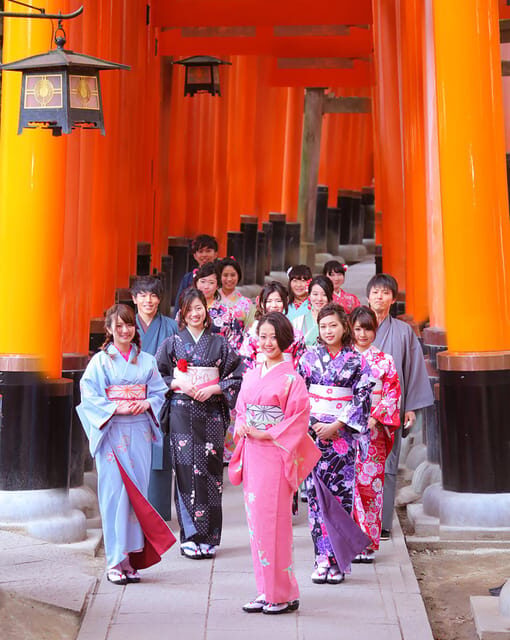
At around $77 per person, this isn’t a budget activity. But it can be good value because you’re not just paying for matcha.
You’re getting:
- Costume basics (kimono/obi and also items like sandals)
- A bag
- Underwear included
- A matcha tea ceremony plus sweets
- The ability to choose maiko or samurai style (not just a generic outfit)
- A small-group setup (limited to 6 participants)
Where the price can feel less “bargain-y” is if you add optional extras like hair styling. Since hair styling isn’t included, the final cost can rise if you want the full look polished.
Another nuance: if someone in your group doesn’t join the tea ceremony portion, an admission fee isn’t included for them. So if you’re booking with family and plan to split who participates, check that carefully.
On balance, if you want a kimono day that leads directly into prime Higashiyama sights—and you’re okay with a scheduled experience—this price starts to make sense.

What’s included (and what isn’t): pack smart

This package is set up to reduce your planning load. Included items cover what you’d normally need to rent or bring yourself.
Included:
- Kimono (or yukata plan during the summer season window from June 1 to September 15)
- Obi
- Bag
- Underwear
- Sandals
- Matcha tea ceremony
- Sweets
Not included:
- Hair styling
- Admission fee for anyone in your group who does not participate in the tea ceremony
Practical tip: kimono sandals look cute, but they’re not built for long, uneven walks. You’ll be in a temple-sight zone, so you’ll likely do more steps than you think. If your feet are sensitive, plan to take breaks and keep your walking route tight.
Family rules, group size, and who this fits best
This experience is limited to families of up to four people, with ages 5 and up. Children under 5 can’t participate, and pregnant women are not allowed. That’s pretty clear-cut, but it’s worth repeating because costume activities can be hard to adjust last-minute.
The small group size (up to 6) is also meaningful. It reduces waiting time compared to larger group formats, and it can make it easier for families to keep track of everyone—especially when outfits and tea timing are involved.
Who this suits best:
- Families wanting a memorable, structured Kyoto activity without too many moving parts
- Couples who want a high-impact photo experience near famous streets
- Solo visitors who like dressing up but don’t want to spend hours coordinating rental + ceremony separately
Who might not love it:
- Anyone who hates schedules and prefers drifting freely
- People who want a fully hands-on, long-form tea ritual (this is a short ceremony format)
- Anyone sensitive to crowds in the Kiyomizu-dera/Higashiyama zone
Authentic tea vs. a scheduled studio day: setting expectations
Here’s the honest balance. This is a tourism-friendly setup: you arrive, you get dressed, you do the tea ceremony, and you move on. That can feel like a smooth, efficient experience.
It can also feel artificial to people who want something that feels unscripted or rooted in day-to-day local life rather than packaged for visitors. If you’re chasing that “I stumbled into tradition” feeling, you may end up disappointed.
On the other hand, the tea itself is still matcha, and the setting is close to real Kyoto landmarks. The value comes from the combination—costume + ceremony + prime neighborhood—more than from claiming this is a deep cultural immersion program.
So I’d recommend it as: a fun Kyoto add-on that also teaches you the basics of the ritual while giving you a memorable visual story.
How to make your day go smoothly in kimono
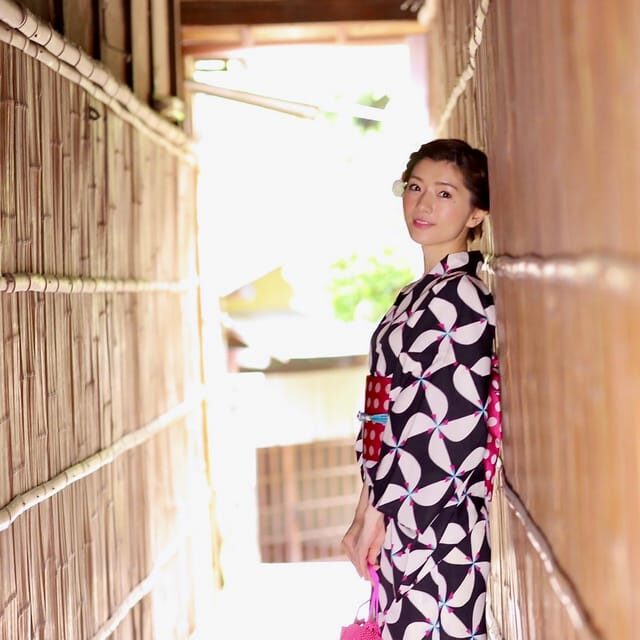
Kimono days reward smart pacing. First, aim to arrive early so you’re not stressing the punctuality rule. Since you need to be on time for both the costume and matcha ceremony, that buffer time is worth it.
Second, think about your photo plan. With so many nearby sights—Kiyomizu-dera, Yasaka Five-Story Pagoda, Yasaka Shrine, plus the classic lanes—your best photos often come from quick, well-timed stops rather than trying to cover everything in one go.
Third, if you want an all-day costume vibe, choose the kimono option (when available) because it can be worn until 5pm. That extended time is a practical win: it turns “one hour of dressing up” into a bigger chunk of sightseeing.
Finally, keep your expectations realistic about crowds and timing in this area. Even a well-run activity can’t cancel the fact that Kiyomizu-dera streets are busy.
Should you book this Kyoto Maiko Samurai or Kimono rental with matcha tea?
Book it if you want a strong Kyoto experience in a short window: costume of your choice, matcha tea, sweets, and a location that makes it easy to continue sightseeing right afterward. I’d also say it’s a solid pick for families because it’s limited to small numbers and keeps the day organized.
Skip (or reconsider) if you strongly prefer slow, unstructured travel, or if the idea of a timed studio-to-ceremony flow feels stressful. If you’re sensitive to waiting or you hate being routed if you’re late, build extra buffer time and treat the schedule like a serious appointment.
If you do book, plan your day around this activity first. Then fill the surrounding time with nearby streets—Ninenzaka/Sannenzaka and the Kiyomizu-dera area—so your costume day actually pays off.
FAQ
Where is the meeting point?
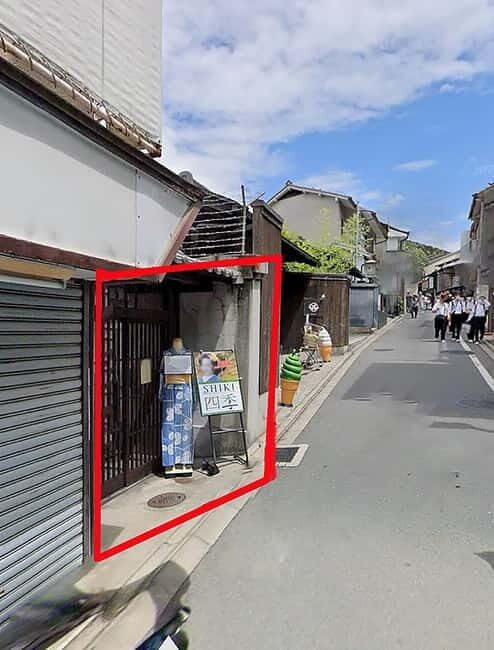
If you arrive by city bus, get off at the Kiyomizu-michi bus stop, then walk about 10 minutes to the store.
How long does the experience take?
The total duration is about 150 minutes to 3 hours, depending on the starting time you choose.
What’s included in the price?
You get the kimono (or yukata plan during June 1–September 15), obi, bag, underwear, sandals, the matcha tea ceremony, and sweets. Hair styling is not included.
Is it suitable for children?
Children under 5 years old are not allowed. The experience can be done as a family of up to four with ages 5 and up.
Can pregnant women participate?
No. Pregnant women are not allowed to experience this activity.
Can I wear the kimono after the ceremony?
Yes, if you rent a kimono, you can enjoy it until 5pm.