REVIEW · KYOTO
Kyoto: Wagashi (Japanese sweets) Cooking near Fushimiinari
Book on GetYourGuide →Operated by iroHa cooking studio · Bookable on GetYourGuide
Sweet-making feels like visiting a friend. You’ll learn Japanese wagashi the real way, in an authentic home near Fushimiinari, with a garden-view tea break.
I especially love two things. First, the class is set in a traditional washitsu room with fantastic garden views. Second, it’s genuinely hands-on: you prepare about three wagashi yourself, guided by the instructor.
One consideration: the wagashi menu can change by season, so you might not get every specific sweet you had in mind. If you’re picky about types, ask what’s likely during your dates.
In This Review
- Key things to know before you go
- Wagashi Near Fushimiinari Beats a Usual Food Stop
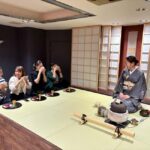
- Entering a Traditional Washitsu Room With Garden Views
- The 150-Minute Flow: How You Make About Three Wagashi
- What Your Instructor Teaches (and Why It Helps You Cook Later)
- Matcha and Tea Breaks: The Part You’ll Remember
- English-Friendly and Small-Group: Why It Feels Personal
- Vegan-Friendly Wagashi: How to Make Sure It Works for You
- Price and Value: Is $84 Worth 150 Minutes?
- Who Should Book This Kyoto Wagashi Class
- Getting Ready and Enjoying It Smoothly
- Should You Book This Kyoto Wagashi Class?
- FAQ
- FAQ
- How long is the Kyoto wagashi cooking class?
- How much does it cost?
- Where is the class located?
- Is the class taught in English?
- How many wagashi will I make?
- Do they include tea?
- Is the class vegetarian or vegan friendly?
- Are kids allowed?
- Is it wheelchair accessible?
- Does the price include ingredients and fees?
Key things to know before you go
- Real home setting near Fushimiinari: You’re not in a classroom studio; you’re in a Japanese house with a tea-room feel.
- Hands-on wagashi, not just watching: The instructor demonstrates, then you do the work.
- Garden-view tea time: You’ll enjoy your sweets with matcha in the traditional room.
- English instruction that’s clear: It’s taught entirely in English by licensed guide interpreters.
- Vegan-friendly and vegetarian welcome: Tell them restrictions in advance.
- Small group size (up to 6): More time for questions and personal pacing.
Wagashi Near Fushimiinari Beats a Usual Food Stop
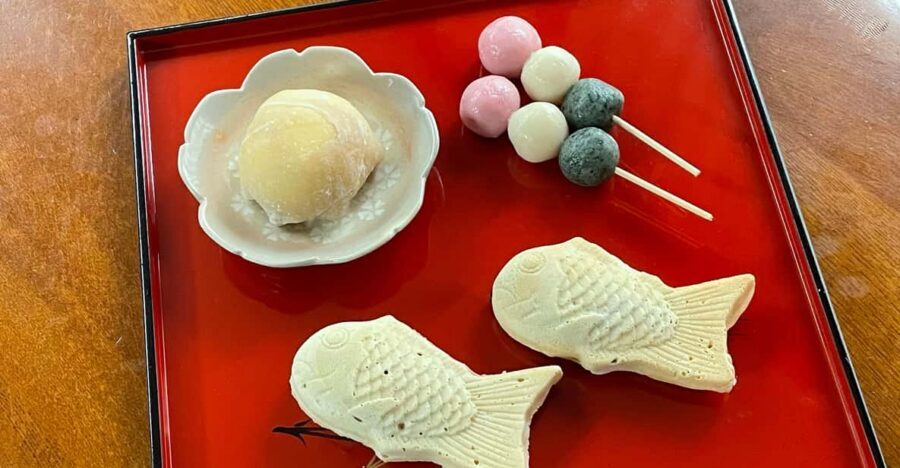
Kyoto is famous for food experiences, but wagashi cooking is different. Instead of eating your way through the city, you’re making small works of edible art with techniques that feel very Japanese, very calm, and very doable.
You’ll also get a front-row seat to how wagashi fits into daily culture: tea, quiet conversation, and sweets that are shaped for the season. It’s the kind of activity that makes your Kyoto memories feel personal, not like a stamp on a sightseeing list.
And because the class is limited to 6 people, it doesn’t turn into a factory line. You get a teacher who can slow down when you need a better grip, a clearer step, or a translation nuance.
You can also read our reviews of more cooking classes in Kyoto
Entering a Traditional Washitsu Room With Garden Views
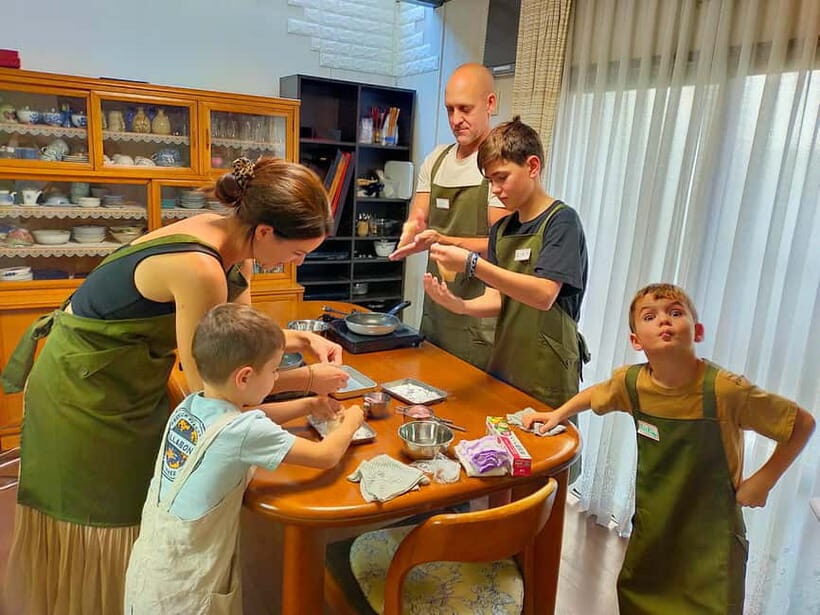
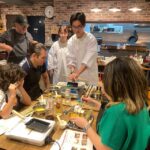
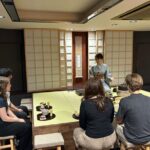
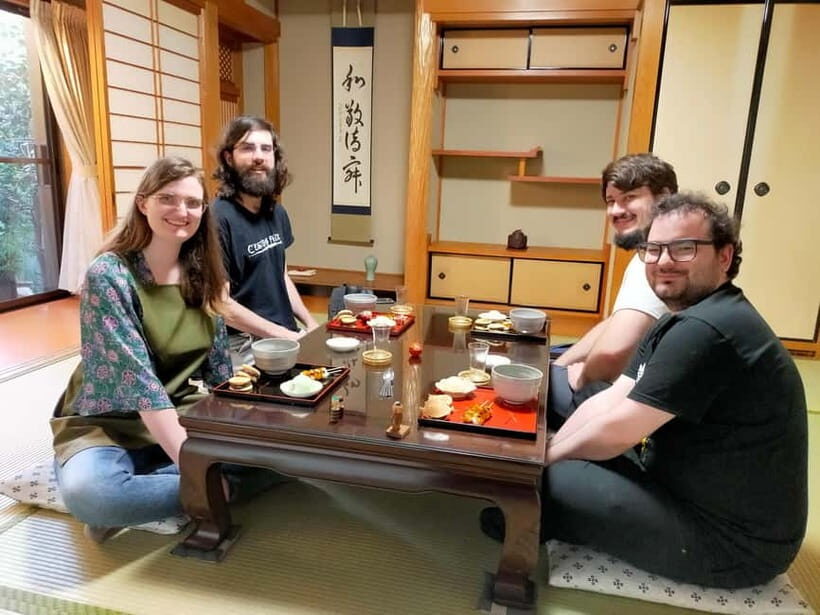
Your lesson starts in a traditional Japanese room. Expect a comfortable, home-style setup—not a loud, rushed demo space. The standout detail is the setting: you’ll have a view of the garden while you cook and then sit down to enjoy what you made.
This matters more than it sounds. Wagashi is delicate. If you’re trying to do careful shaping and texture work while you’re stressed or standing in a cramped room, it all gets harder. In this kind of calm environment, you can actually focus on the craft.
You’ll also get a welcome moment with tea before the work begins. Some classes may include a small snack to get you started (for example, sweet potato has shown up in past sessions), so don’t be surprised if you’re eased into things rather than jumped straight into mixing.
The 150-Minute Flow: How You Make About Three Wagashi
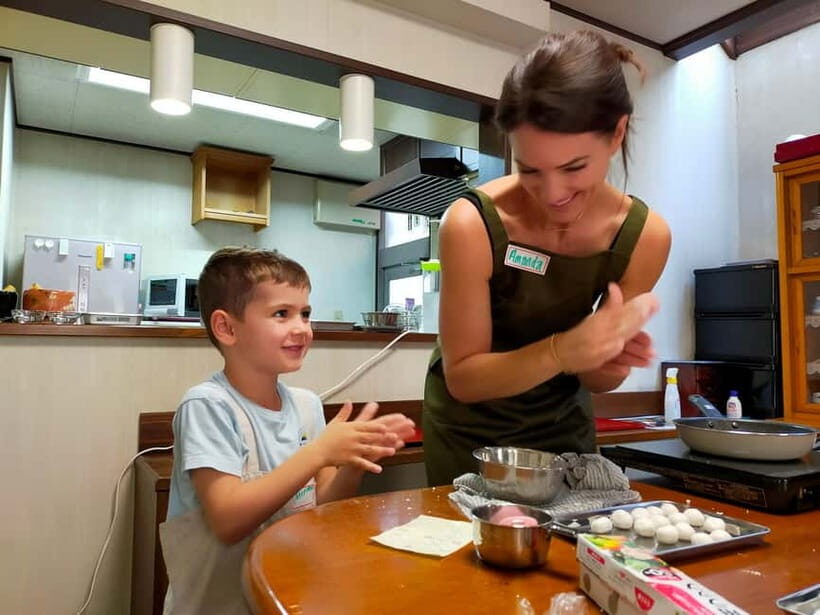
The class runs 150 minutes, which is just enough time to learn skills and still feel like you accomplished something. The structure is simple and effective: instruction first, then you take over.
Here’s the typical rhythm you can expect:
- You relax briefly in the room.
- The instructor demonstrates parts of the process so you see the correct texture and technique.
- Then you and your partner (or you and the group, depending on class flow) prepare about three different wagashi types by yourself or with help.
That hands-on approach is a big deal. You’re not just watching someone else cook. You’re learning the step-by-step method—how ingredients behave, how to handle dough, and how to shape and finish.
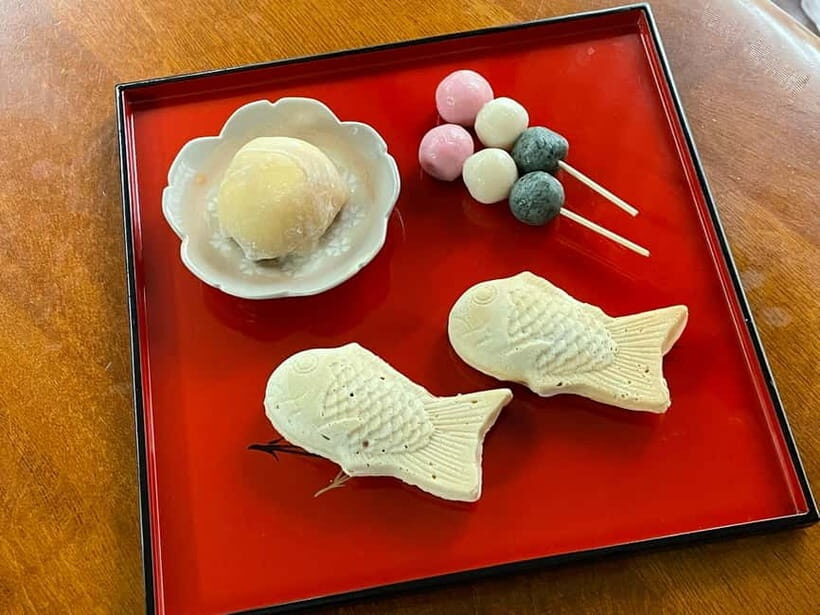
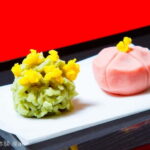
In past menus, people have made sweets such as dango, mochi-style treats, and dorayaki. The exact choices can vary by season, so your best move is to go with curiosity rather than locking onto one name.
Also, portions can be generous. A number of participants have been able to take some sweets home, so plan on leaving with a small box of Kyoto-level sweetness.
What Your Instructor Teaches (and Why It Helps You Cook Later)
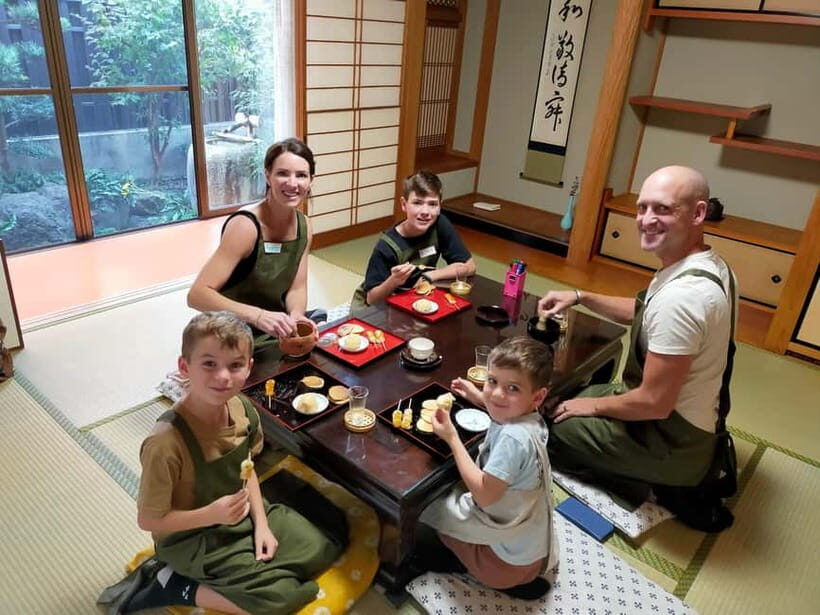
Instructors here are licensed guide interpreters, and the class is conducted entirely in English. That means you can follow the method without guessing, even if your Japanese food vocabulary is rusty.
The teaching style is practical. You’ll be told what to do, then you do it. If something feels off, you can ask. If the texture looks different from what you expected, you can adjust. That’s how you avoid the classic souvenir problem: making wagashi at home that turns out nothing like you remember.
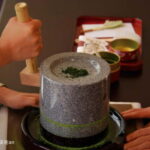
You’ll also pick up culture and ingredient knowledge, not just recipes. For instance, you’ll learn about matcha powder tea and how it’s whisked. Several participants mention getting a matcha lesson and then enjoying the tea alongside their sweets.
These details matter because wagashi isn’t only about ingredients. It’s about process: timing, texture, and the final presentation.
Matcha and Tea Breaks: The Part You’ll Remember
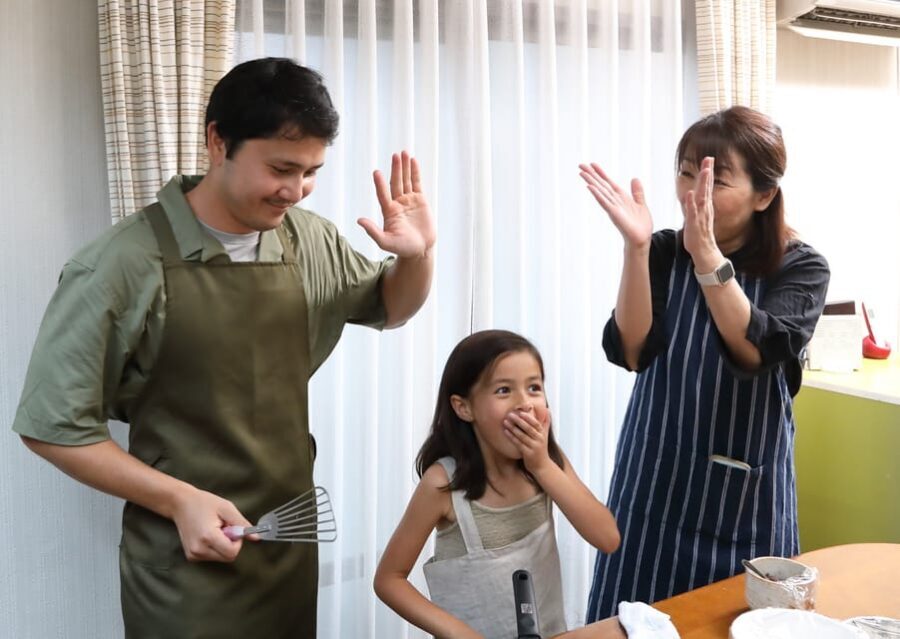
This class doesn’t treat tea like a side item. You’ll have time to sit and enjoy what you made with matcha in the traditional room.
That pause is part of the experience design. Wagashi-making can be a little repetitive while you shape and refine. Sitting down afterward gives everything a purpose: you taste your work, you compare sweetness and texture, and you get a proper “Kyoto moment” in a real room with garden views.
Some people end up with a matcha tea right after cooking. Others mention tea both before and after, which makes the lesson feel like a full visit rather than a quick class. Either way, plan to slow down and enjoy the flavor balance.
If you’re a matcha fan, this is a good sign. If you’re not, you’ll still get a feel for why Kyoto treats tea like a companion to food, not an afterthought.
A few more Kyoto tours and experiences worth a look


English-Friendly and Small-Group: Why It Feels Personal
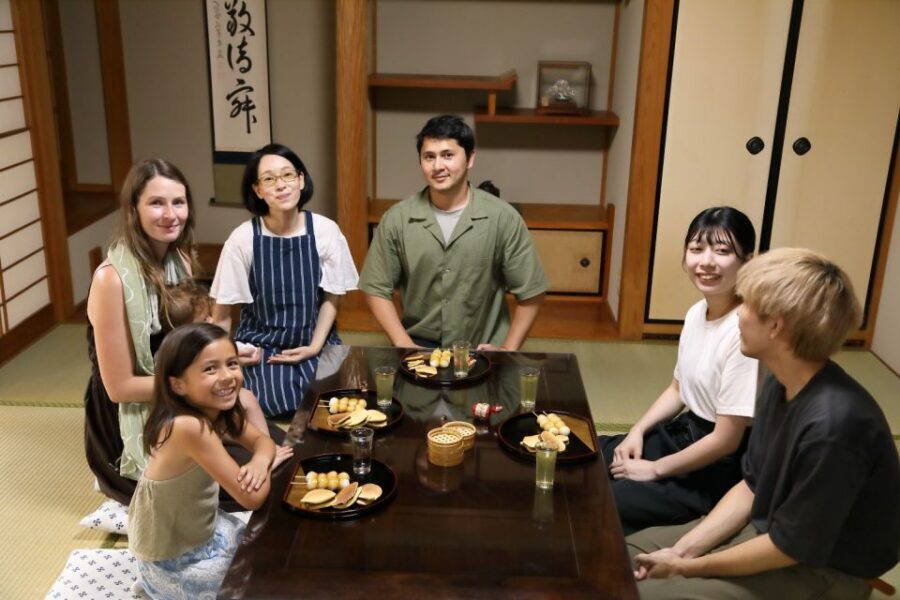
The small group size—limited to 6—changes the whole vibe. When you’re working with dough and textures, it helps to have the instructor close enough to notice small mistakes.
It also makes conversation easier. People have described chatting with the host during the session, and that’s not an accident. When the class isn’t overcrowded, the teacher can answer questions beyond the recipe, including where to buy ingredients or how to approach wagashi at home.
Because instruction is entirely in English, you won’t be stuck piecing together meaning. This is especially helpful if you’re traveling with non-Japanese speakers or if you want the cultural context without doing extra translation work.
Vegan-Friendly Wagashi: How to Make Sure It Works for You
Wagashi classes can be tricky when diets are specific, but this one explicitly welcomes vegetarians and is vegan friendly. The key is communication.
If you have restrictions, tell the studio in advance. That’s the only way to be confident the menu and ingredient handling match your needs. Don’t rely on chance or vague assumptions.
For you, this is a practical win. It means you can enjoy a Kyoto food experience without feeling like you have to give up the main event. And because you’re making the sweets yourself, you’ll learn what works with your dietary needs, not just taste a modified version.
Price and Value: Is $84 Worth 150 Minutes?
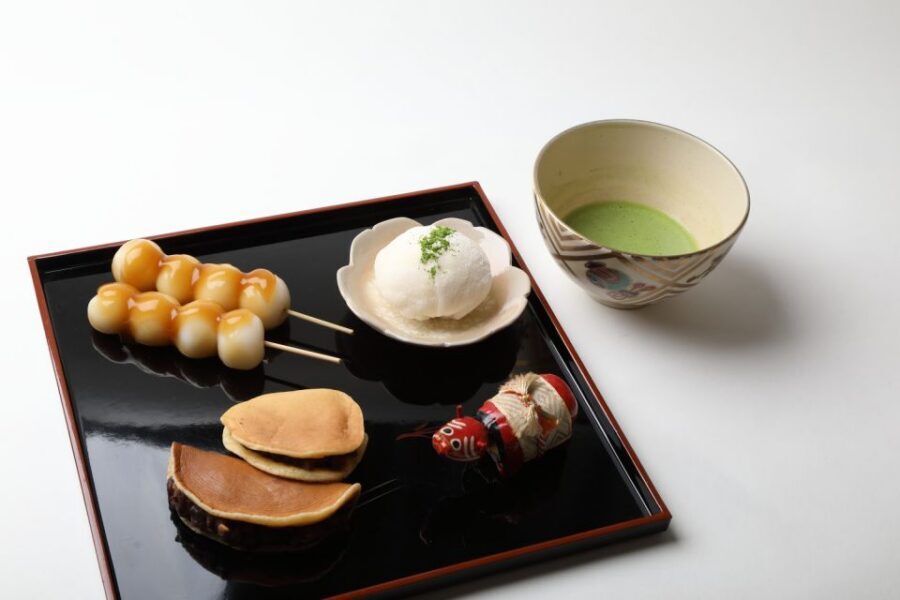
At $84 per person for a 150-minute class, you’re not paying for a quick taste. You’re paying for guided instruction, ingredients, tea, and the use of an authentic home setting.
Here’s the value logic:
- You make about three wagashi types yourself, which is more than a hands-on “snack demo.”
- The ingredient and seasonings cost are covered.
- Tea is included, and you’ll actually sit down with your sweets afterward.
- Small group size (up to 6) helps you get real help, not generic instruction.
Could you find wagashi recipes online and make them alone? Sure. But the challenge is texture and timing. You’re buying the shortcut: correct technique, immediate feedback, and a setting where it’s easy to focus.
If you enjoy learning cooking skills you can repeat, this price usually feels fair. If you’re only interested in a quick bite, you might consider whether the time investment suits your style.
Who Should Book This Kyoto Wagashi Class
This experience is ideal if you want:
- a hands-on food activity with a traditional Japanese room and garden views
- English instruction that stays clear throughout
- a calm, cultural class that goes beyond simple sightseeing
It’s also a strong pick for adults and for families with older kids. Children aged 12 and below should participate with a guardian, and the class isn’t suitable for children under 6.
One more thing to plan around: it’s not suitable for wheelchair users. So if accessibility is a priority, you’ll need an alternative activity option.
If you’re visiting Kyoto near Fushimiinari and you want a different kind of experience than temple photos and crowds, this is a good match.
Getting Ready and Enjoying It Smoothly
Because hotel pickup and drop-off aren’t included, you’ll want to make your own way to the meeting point. Plan to arrive a few minutes early so you can settle into the room and start calmly.
Bring curiosity more than a shopping list. Since the menu can change by season, the best mindset is to treat it like learning techniques, not memorizing names.
Also, wear something comfortable. You’ll likely be mixing and shaping, and you’ll appreciate being able to move your hands easily during the process.
Finally, don’t rush the tea. The class is designed so the tasting happens after you cook. Let that part land, especially if you’re taking photos. The goal is to taste first.
Should You Book This Kyoto Wagashi Class?
Yes, if you want a Kyoto experience that’s hands-on, English-friendly, and set in a real home with a garden view. The biggest strengths are the small group size, the true practice time making about three wagashi, and the relaxed tea moment with matcha.
Book it especially if:
- you like Japanese sweets or want to learn what makes them different
- you’d enjoy learning techniques you can repeat at home
- you want a cultural cooking class that feels welcoming rather than staged
Skip it if:
- you need a specific wagashi type every time (menus vary by season)
- you’re looking for a fast, low-effort tasting
- you need wheelchair accessibility
FAQ
FAQ
How long is the Kyoto wagashi cooking class?
The class lasts 150 minutes.
How much does it cost?
The price is $84 per person.
Where is the class located?
It’s in Kyoto near Fushimiinari.
Is the class taught in English?
Yes. The class is conducted entirely in English, and instructors are licensed guide interpreters.
How many wagashi will I make?
You’ll prepare about three different types of wagashi.
Do they include tea?
Yes. Tea is included, and you’ll also enjoy matcha with the sweets after cooking.
Is the class vegetarian or vegan friendly?
Vegetarians are welcome, and the class is vegan friendly. Let them know your dietary needs in advance.
Are kids allowed?
Children aged 12 and below need a guardian. It is not suitable for children under 6.
Is it wheelchair accessible?
No. It is not suitable for wheelchair users.
Does the price include ingredients and fees?
Yes. All seasonings and ingredients, tea, and all fees and taxes are included. Hotel pickup and drop-off are not included.