REVIEW · KYOTO
Kyoto: Sushi Making Class with Sushi Chef
Book on GetYourGuide →Operated by Kyoto-sushimaking · Bookable on GetYourGuide
Fresh fish, taught by a real sushi chef. You start with ingredients sourced early at the Kyoto Central Wholesale Market, then you make sushi from scratch and eat it as a lunch. Two things I love: the market-fresh fish focus and the photo-taking service so you can actually pay attention to forming good nigiri and rolls.
This class is built for real people, not just food pros. You practice first using a sushi sample toy, then move on to real nigiri and finally maki rolls with a special tool, keeping the pace friendly for families. The only drawback to consider is that it’s not suitable for people with food allergies, so you’ll want to check carefully before you book.
In This Review
- Key Things You’ll Notice Right Away
- Market-Fresh Fish Makes This More Than a Cooking Demo
- Where You’ll Go Near Shijo Karasuma (And Why It’s Easy)
- The Class Flow: From Toy Practice to Real Nigiri
- Learning Maki Rolls With a Special Tool
- Decorating Your Sushi Plate and Eating Like It Matters
- Photo and Video Service: How to Keep Your Hands on the Work
- Etiquette and Chef Insights That Make It Click
- Price and Value: What $74 Buys You in Kyoto
- Who Should Book (And Who Should Think Twice)
- Should You Book This Sushi-Making Class in Kyoto?
- FAQ
- FAQ
- Where is the sushi making class located?
- How long does the class take?
- How many people are in the class?
- What sushi will I learn to make?
- Do they provide food and drinks during the class?
- Will I get photos or videos of the class?
- What languages is the instruction in?
- Is the class suitable for people with food allergies?
- Are there any restrictions before the class?
Key Things You’ll Notice Right Away
- Market-to-class timing: fish is purchased early and prepped just before teaching starts
- Small group up to 8: more hands-on time with the chef instead of watching from afar
- Practice with a sushi sample toy: a low-pressure warm-up before you touch real fish
- Nigiri first, then maki: you build skills in a logical order
- You eat what you make: lunch includes your decorated sushi plus soup
- Photos and video shared after: no need to wrestle your phone mid-class
Market-Fresh Fish Makes This More Than a Cooking Demo
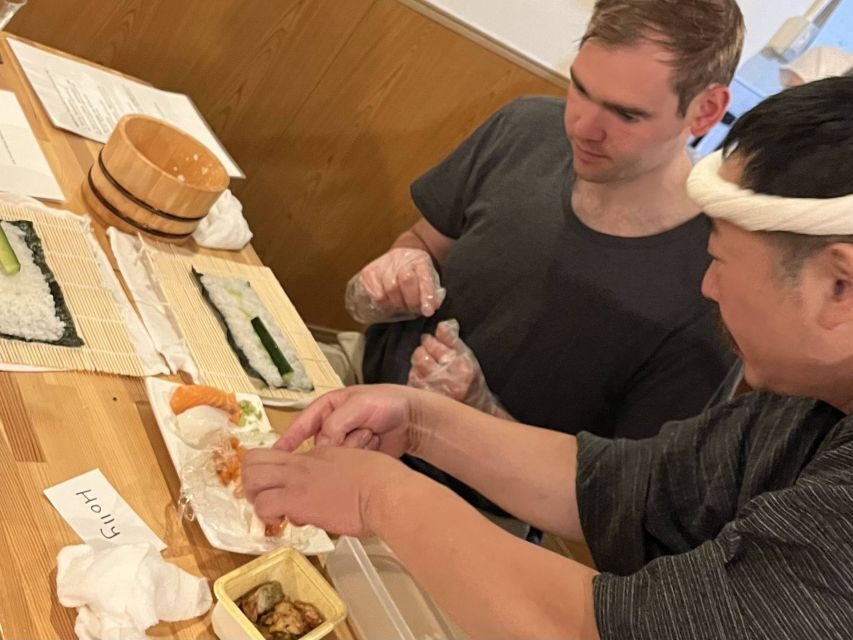
The best part of this sushi class isn’t the sushi shape. It’s the ingredient freshness and the fact that the chef treats the whole process like a craft, not a show.
You purchase the fish early morning at the Kyoto Central Wholesale Market, then it’s prepared for your class. That timing matters. Sushi is at its best when the fish is handled carefully and used quickly, and this format is designed around exactly that.
You also learn how the chef thinks about the raw ingredients. In past classes, chefs like Hide and Yukihide-san were highlighted for sharing details about what they’re using and why. Even if you never become a sushi obsessive, it helps you understand what to look for when you’re ordering or buying ingredients later.
A few more Kyoto tours and experiences worth a look

Where You’ll Go Near Shijo Karasuma (And Why It’s Easy)
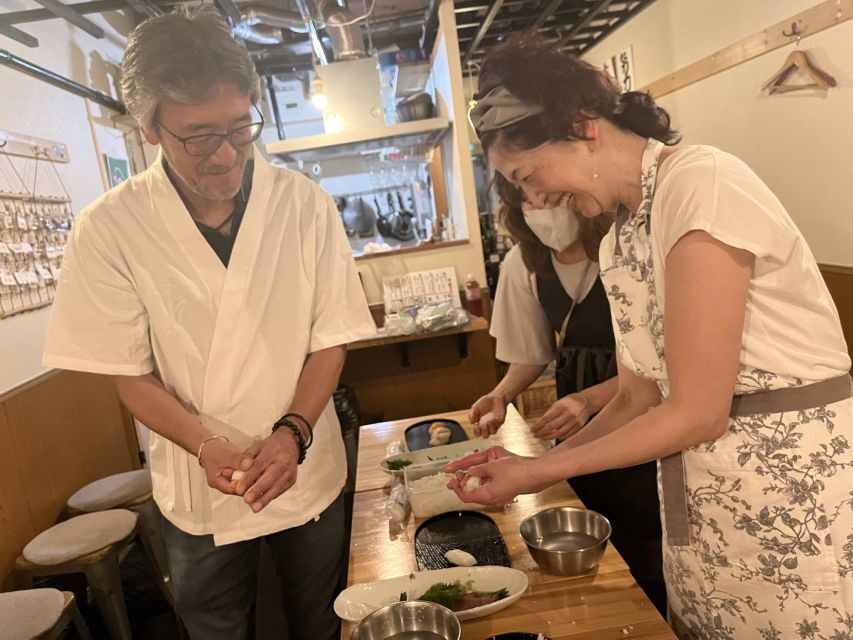
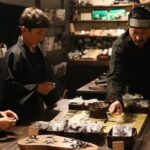
You’ll meet around Shijo Karasuma in central Kyoto. The experience uses two possible venues in the area, and the operator chooses based on group size. When your session is confirmed, you get an email with a Google Maps link.
On arrival, you should look for a welcome board. One practical tip: arrive a few minutes early so you can find your spot without rushing. This class runs in a tight time window (about 90 minutes to 3 hours depending on the session), and being on time keeps the whole flow smooth.
One reviewer described a cozy venue with river views. Even if your location looks different, you can generally expect a calm, focused setting that makes it easier to learn rather than compete for space.
The Class Flow: From Toy Practice to Real Nigiri
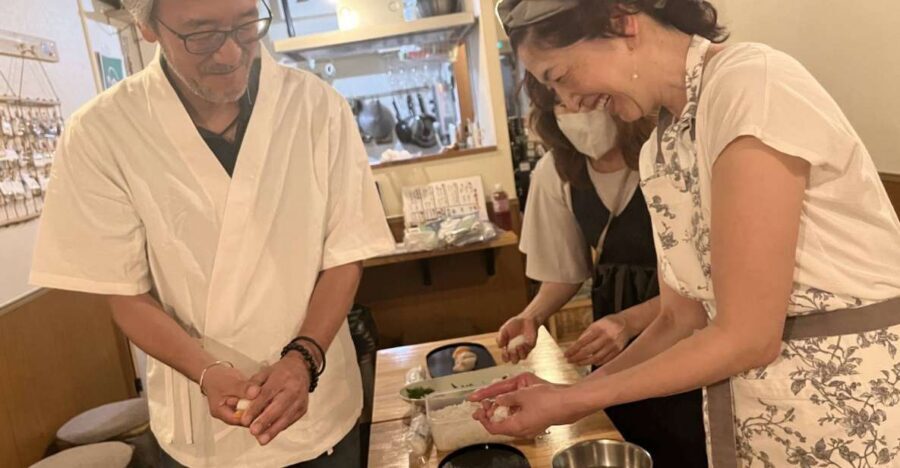
The structure is smart. You don’t jump straight into real nigiri like it’s a survival test.
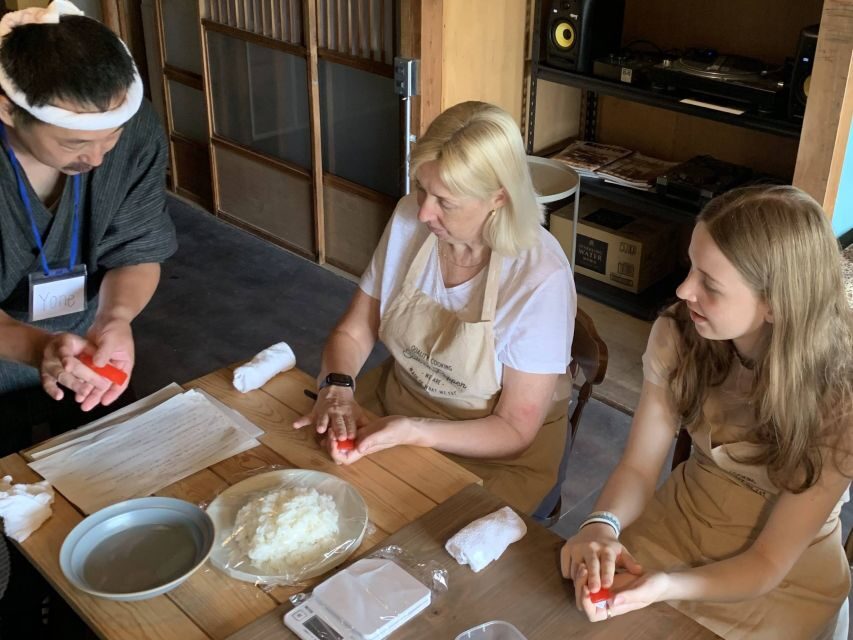
First, you practice with a sushi sample toy. This is huge for first-timers and for kids, because you can figure out hand motion and basic assembly without wasting real fish or feeling stressed. Several reviewers mentioned that the chefs were patient and kept the experience fun, and the toy warm-up is part of why that works.
After you feel comfortable, you start making real nigiri sushi. At this stage, the chef teaches step by step so you can copy the method and understand what you’re doing. Past participants also praised instructors like Hide for being relaxed and easy to follow, which matters when you’re learning something that looks simple but is actually technique-heavy.
If you’re worried you’ll make something ugly, don’t be. This class is designed for learning. The goal is not plating like a professional omakase counter. The goal is gaining skills you can repeat later at home.
Learning Maki Rolls With a Special Tool
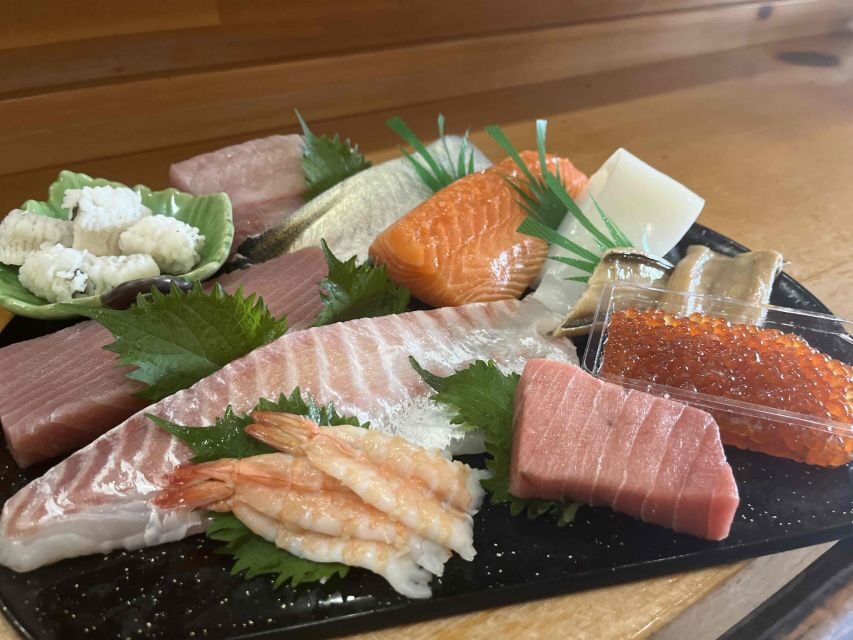
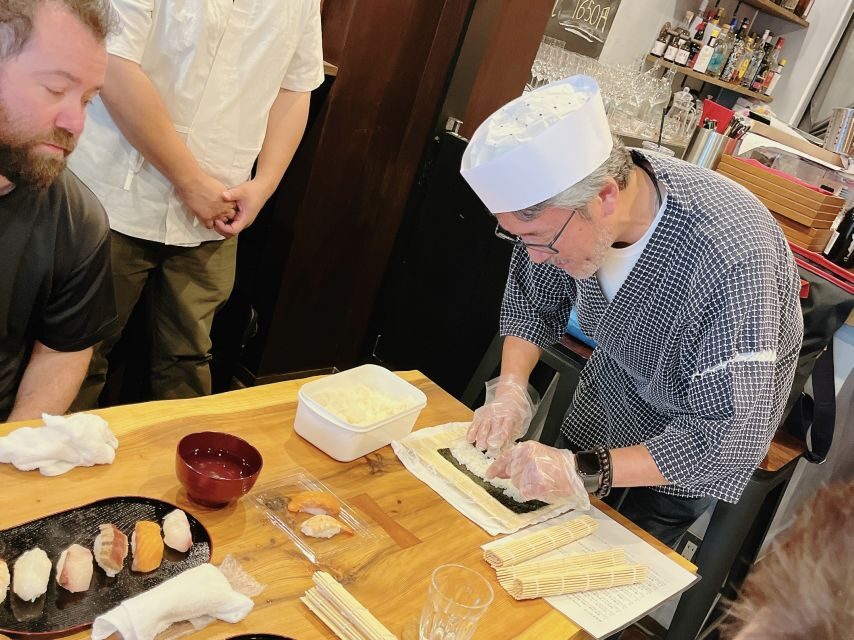
Once nigiri is underway, you move into sushi rolls, or maki. The class uses a special tool for the rolling portion, which helps you get consistent results without requiring you to master everything from scratch.
In the roll phase, you’re not just watching. You’re making the sushi, with the chef guiding you through the steps. One reviewer specifically mentioned maki rolls and instruction that felt clear, which is exactly what you want here.
Why the tool matters: rolling is where many beginners overthink. You can get stuck on finger placement, pressure, and alignment. A tool reduces guesswork and helps you focus on the bigger lesson—how sushi should hold together and stay neat enough to eat.
Decorating Your Sushi Plate and Eating Like It Matters
The last stage is the payoff. After nigiri and rolls, you decorate all sushi on your sushi plate, then eat it as a lunch.
That might sound basic, but it’s the smartest part of the experience. If you’ve ever taken a hands-on class where the food never matches the work, this avoids that problem. You’ll see your pieces become a meal right away.
Meals are also set up to keep you comfortable while you learn:
- Tea or water is included
- Japanese dashi soup is included, served alongside your sushi
One practical note: if you don’t love raw fish, you might still enjoy this class because you’re learning technique and presentation. A few reviewers said they aren’t raw-fish people but still liked what they made and ate.


Photo and Video Service: How to Keep Your Hands on the Work
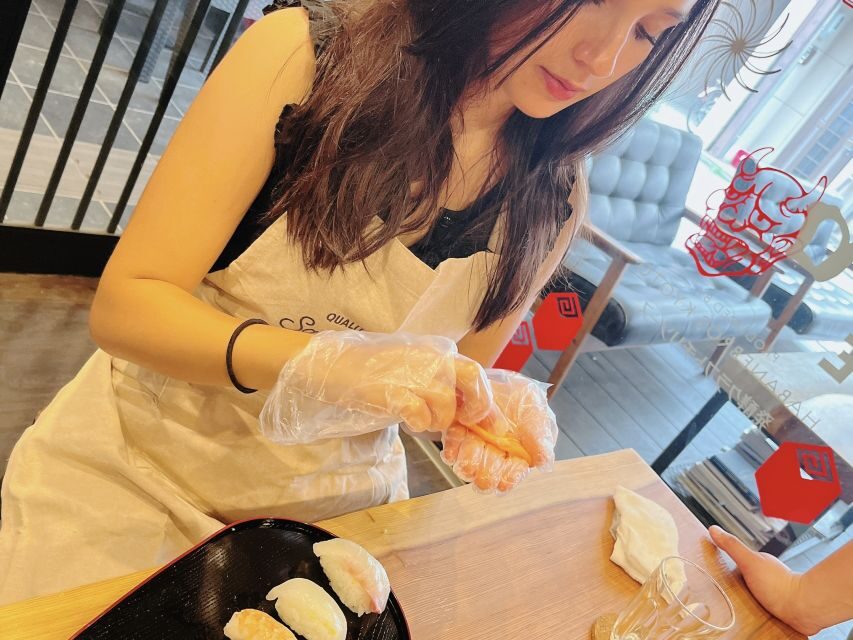
This class takes pictures and videos during instruction, and you get the data shared after the class. That changes the experience in a real way.
Without constant phone interruptions, you can:
- keep your hands steady during shaping
- focus on the chef’s step-by-step guidance
- actually taste and compare what you made
It’s also one of the reasons many people end up calling it a “favorite memory” from their Kyoto trip. You leave with evidence of what you learned, not just a vague feeling that you watched sushi happen.
Etiquette and Chef Insights That Make It Click
Sushi isn’t only about knives and rice. It’s also about how you eat and how you handle the experience.
Several reviewers praised chefs for teaching not just how to make sushi, but how to behave and eat at a sushi restaurant. That means you may walk away with simple etiquette tips you can use immediately when you eat out in Kyoto.
You may also hear chef-style insights about fish and tools. Reviews included comments about instructors explaining fish choices, knives, and the reasons behind specific tools. Even if your session doesn’t cover every detail, the overall point is clear: you’re learning the logic behind the craft, not memorizing a set of motions.
Price and Value: What $74 Buys You in Kyoto
At $74 per person, this class sits in the “worth it if you want skills” category. Here’s why the price makes more sense than it sounds.
You’re paying for:
- a real sushi chef teaching step by step
- market-fresh fish sourced early morning
- a small-group format limited to 8 participants
- making multiple types of sushi (nigiri, plus rolls)
- lunch with your finished sushi, plus tea/water and dashi soup
- photo and video capture so you don’t miss key moments
If all you wanted was a single sushi meal, you’d likely spend less. But you’d lose the chef guidance, the practice, and the chance to understand what makes good sushi different. This experience is priced more like a skill session plus a meal, and that’s how you should judge the value.
Who Should Book (And Who Should Think Twice)
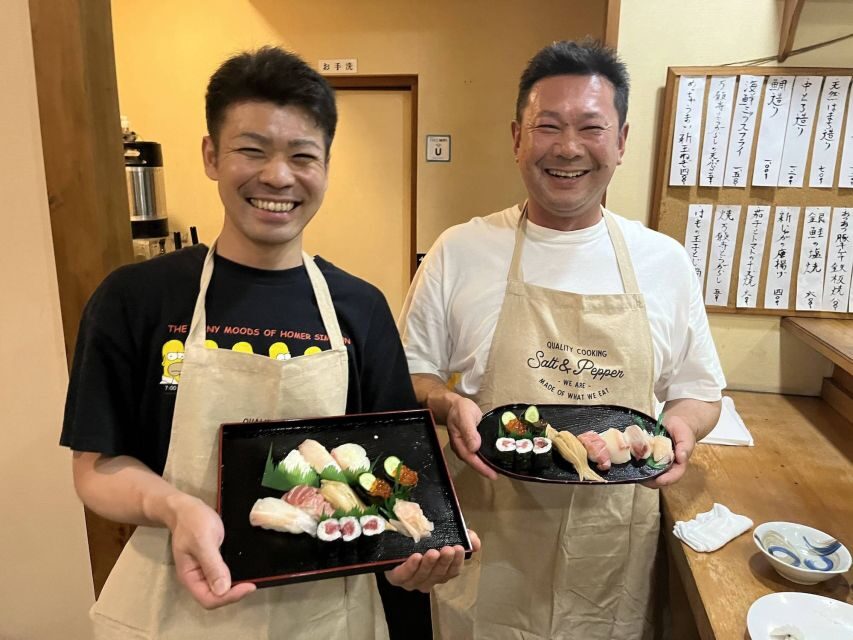
This is a great match if you want an authentic activity that’s interactive and not overly scripted. The step-by-step approach, including the sushi sample toy warm-up, is why it works for families.
It’s also ideal if you’re a first-timer. You don’t need sushi experience. You start with practice, then graduate to real nigiri and maki.
It might not be right if you have food allergies. The activity explicitly says it’s not suitable for people with food allergies. If that applies to you, don’t assume flexibility. Check directly before booking.
Also consider scent sensitivity. Strong fragrances are not allowed. If you’re sensitive or you’ll be traveling with strong-smelling products, plan around that.
Should You Book This Sushi-Making Class in Kyoto?
I’d book it if you want something hands-on, timed well, and grounded in technique. The market-fresh fish approach, the small group size, and the mix of practice → real nigiri → maki rolls → eat make this feel like a complete learning loop, not a quick demo.
You should also book it if you care about getting something you can repeat later. The chefs teach step by step, and the included etiquette and restaurant behavior tips (mentioned in past sessions) can make your future sushi outings more enjoyable.
Hold off if you need an allergy-friendly setup. The class isn’t positioned for that.
FAQ
FAQ
Where is the sushi making class located?
It meets in central Kyoto around Shijo Karasuma (Honshu, Japan). There are two possible venues in that area, and you’ll receive a Google Maps link by email.
How long does the class take?
The duration is listed as 90 minutes to 3 hours, depending on the session. Check available starting times to see the exact length for your date.
How many people are in the class?
It’s a small group limited to 8 participants.
What sushi will I learn to make?
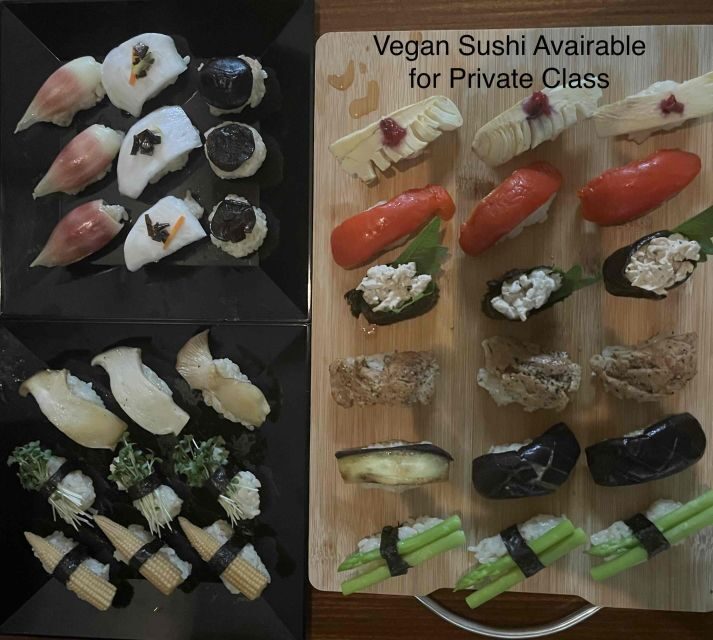
You’ll practice first with a sushi sample toy, then make real nigiri sushi, and after that you’ll make sushi rolls (maki) using a special tool. You’ll also decorate your sushi on a plate before eating.
Do they provide food and drinks during the class?
Yes. After making the sushi, you’ll eat your sushi as a lunch. Tea or water is included, and you’ll also get Japanese dashi soup.
Will I get photos or videos of the class?
Yes. Photos and videos are taken during the class, and the data is shared with you after the class.
What languages is the instruction in?
The instructor teaches in English and Japanese.
Is the class suitable for people with food allergies?
No. The experience states it is not suitable for people with food allergies.
Are there any restrictions before the class?
Strong fragrances are not allowed. If you use strongly scented products, plan to avoid them for the session.
If you want, tell me your travel dates and who’s going (solo, couple, kids), and I can suggest what to prioritize in your schedule around Shijo-Karasuma.