REVIEW · KYOTO
Kyoto: Samurai Sword Class by Experts in Traditional Arts
Book on GetYourGuide →Operated by Ginbu Co. · Bookable on GetYourGuide
Kyoto turns you into a samurai for an hour. This Kenbu class at Samurai Kembu Theater is hands-on: you learn bowing, sword-drawing, and stylized strikes with guidance from an English-speaking instructor. Then you watch the technique presented in a short performance, so the movements finally click into place.
What I love most is how practical it feels. You get a clear, step-by-step lesson on how to handle a sword safely and with respect, not just a quick demo you forget five minutes later. The second big win is the costume + photo session, where you’ll suit up, pose, and walk away with a completion certificate to remember what you practiced.
One consideration: this is not observation only. There’s no waiting room, so if you’re not booked to join in, you won’t be able to hang around and watch from inside.
In This Review
- Key things to know before you go
- Samurai Kembu Theater: why this Kyoto class feels different
- Finding the dojo in Higashiyama and walking in prepared
- The full class flow: bow, draw, strike, then show respect
- What you actually get: costume photos, tenugui towel, and the certificate
- Training with a sword in a small group: what safety and pacing mean for you
- The optional Kenbu performance: why watching after training helps
- Price and value: is $64 worth it in Kyoto?
- Who should book, and who might want a different Kyoto activity
- Quick tips to make your first Kenbu class go smoothly
- Should you book the Kyoto Samurai Sword Class by Samurai Kembu Theater?
- FAQ
- How long is the Kyoto Samurai Sword Class?
- Where is the meeting point?
- What is included in the price?
- Is food or drinks included?
- Can I bring weapons, sharp objects, or luggage?
- Is this activity observation only?
- What should I wear for the costume and movement?
- Is it suitable for children?
Key things to know before you go
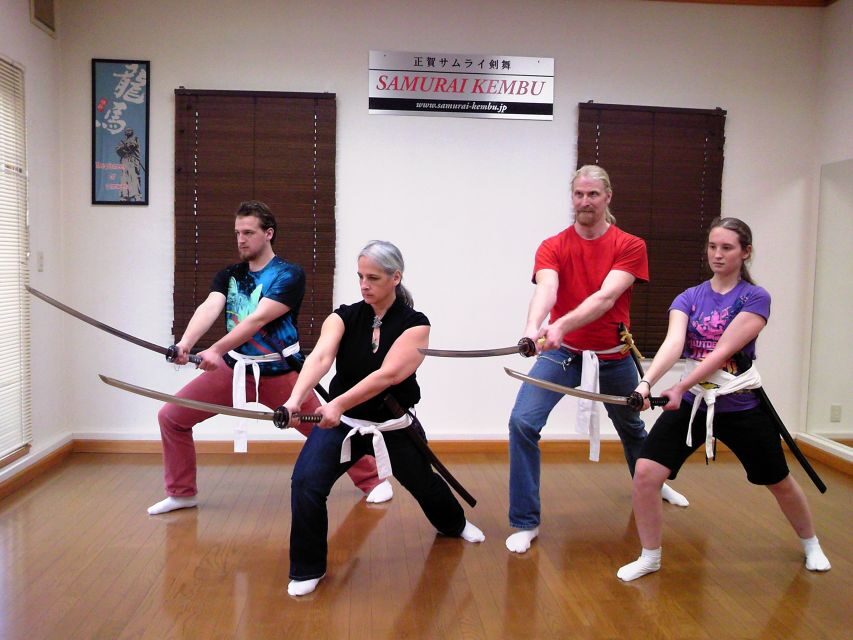
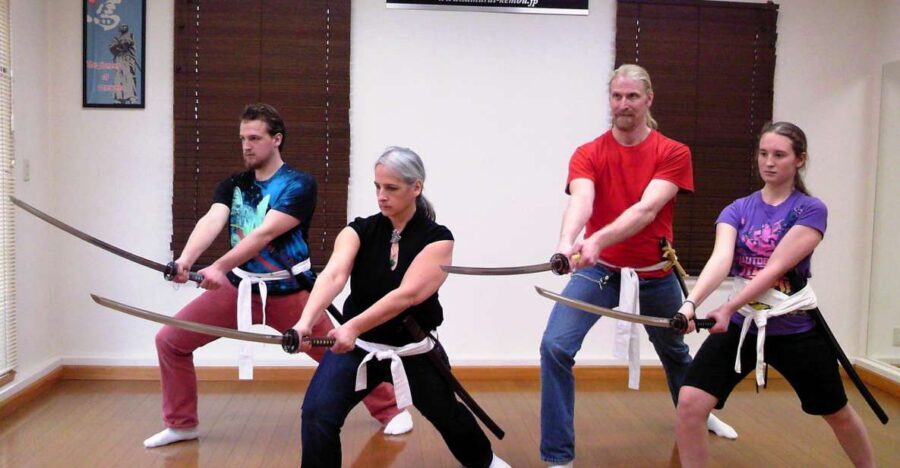
- Small-group instruction (up to 10 people) keeps the class focused and manageable
- You practice bowing, drawing, and returning the sword to its scabbard
- A short film sets the basics before you suit up for movement practice
- You get a photo session in your samurai costume, plus a completion certificate
- You can choose to watch a 10-minute or 30-minute Kenbu performance with commentary
Samurai Kembu Theater: why this Kyoto class feels different
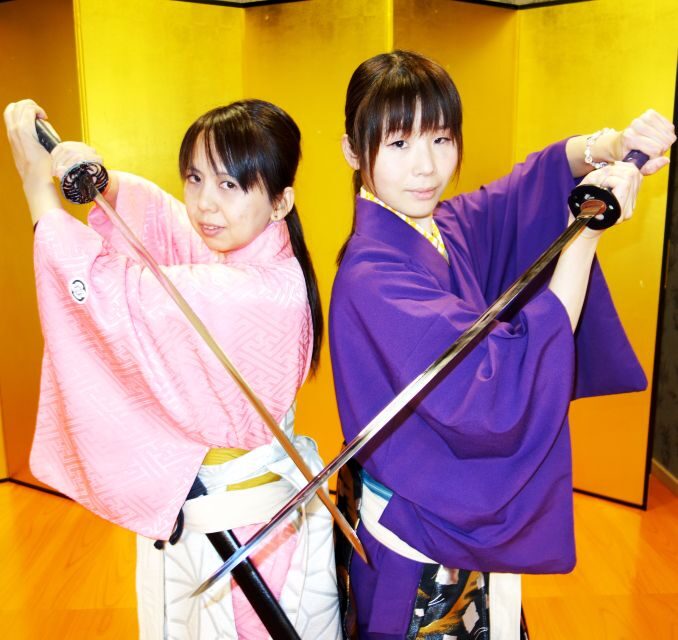
Kyoto has plenty of samurai-themed activities. This one feels different because it treats Kenbu like a skill you train, not a costume you wear for a photo. You’ll do the motions, get feedback, and learn why the choreography looks the way it does.
The setting matters, too. Samurai Kembu Theater is a dojo-style space in Higashiyama, and the experience runs like a class: short learning blocks, then practice, then a performance that ties it together.
The tone also hits the sweet spot. Many instructors are described as patient and funny while still being strict about safe form. That mix is what turns something a bit scary on paper into something you can actually do.
A few more Kyoto tours and experiences worth a look


Finding the dojo in Higashiyama and walking in prepared
The meeting point is Samurai Kembu Theater (Kyoto dojo), 35-7 Sanchome (Higashi-iru, Sanjo-hanamikoji), Higashiyama-ku, B1F Gozan Building, Kyoto 605-0005.
Two practical notes that make your life easier:
- Dress like you’ll move. You need clothes suited for exercise and moving around.
- Plan for costume changes. Wearing only a single hoodie or tights is not suitable for switching into the samurai outfit.
Also, you don’t have space for the extras. There’s no room for large luggage or travel bags, and large bags are a no-go. If you’re touring Kyoto with a daypack, keep it minimal.
The full class flow: bow, draw, strike, then show respect
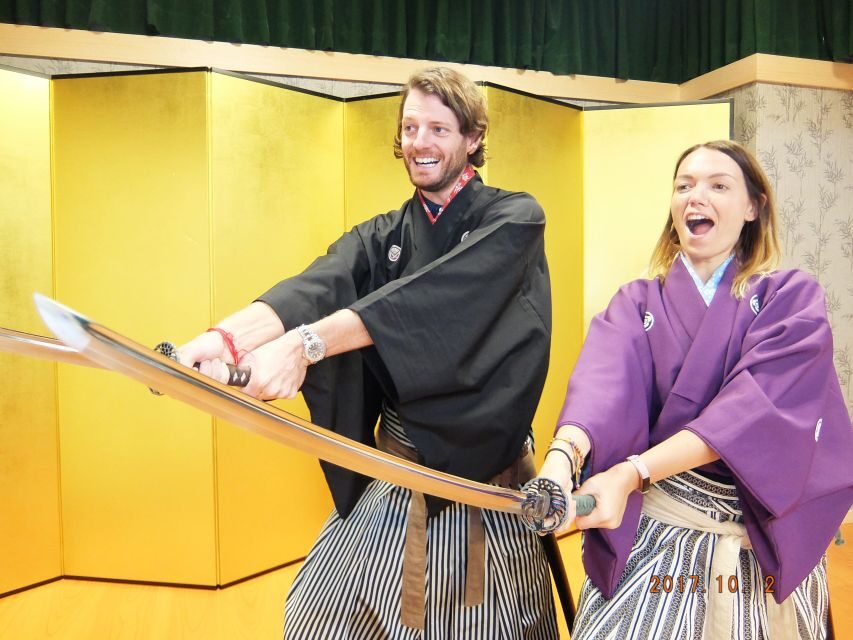
The schedule is short enough that you won’t feel trapped, but structured enough that you get real progress during your session.
First, there’s a 4-minute film covering the basics of samurai and Kenbu. This isn’t meant to replace real study. It’s a quick orientation so the body training has context.
Then you suit up and take your first steps in the dojo. You’ll start with learning how to bow before training begins. This matters more than it sounds. In Kenbu, the bow isn’t decoration—it’s part of the discipline and the rhythm of the art.
Next comes the sword sequence:
- You learn how to draw the sword
- You learn how to replace it in its protective scabbard
- You practice stylized movements designed for Kenbu technique
After the draw-and-return basics, you move into striking with controlled, choreographed motion. The goal isn’t to turn you into an action-movie fighter. It’s to train posture, timing, and precision so the movements look correct and feel safe.
One more etiquette moment stands out: you also learn how to show respect to your opponent with a bow. That kind of instruction is the real difference between swordplay as violence and swordplay as formal art.
What you actually get: costume photos, tenugui towel, and the certificate
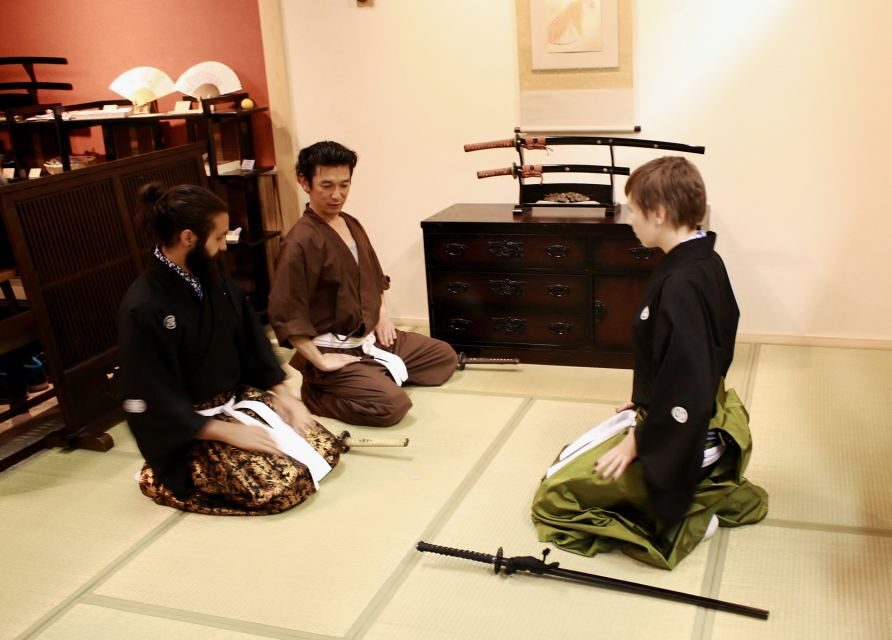
The experience is built around more than just motion. You’ll get an outfit and a souvenir, which is a big part of the fun if you like costume history and clean keepsakes.
Included items:
- Photo shoot
- A tenugui towel (traditional Japanese towel)
- Completion certificate
- English-speaking instructor
You also get a short photo session after dressing. It’s quick, but it’s timed well—after you’ve been taught what to do, so you can pose while your body remembers the basics.
Some participants also highlight the feeling of receiving costume keepsakes beyond the tenugui. Since the exact extra items can vary by how the costume set is handled, count on the tenugui and certificate being there.
Training with a sword in a small group: what safety and pacing mean for you
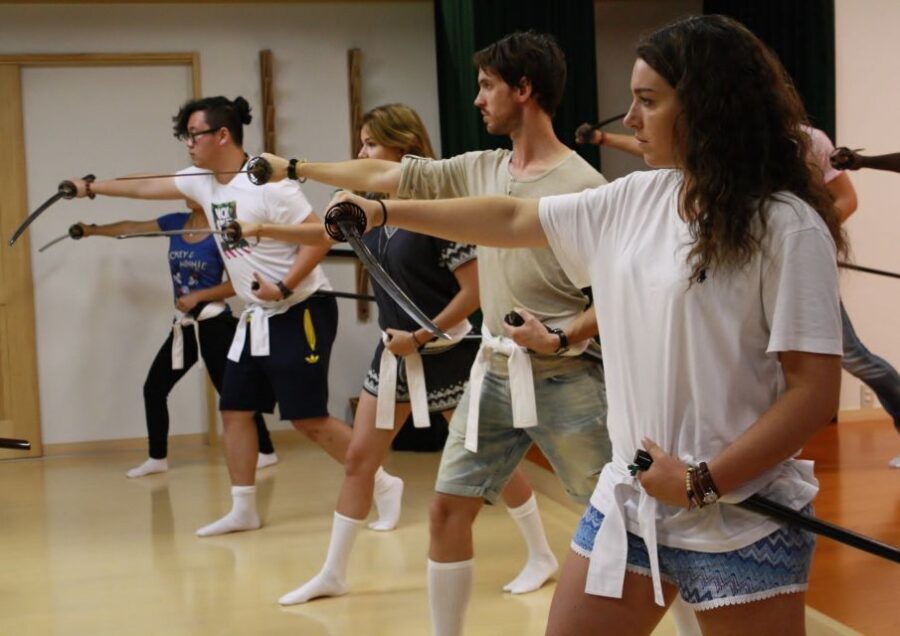
This is limited to 10 participants, which is important. In any movement-based class—especially one with blades—small numbers mean you can get attention. You also get space to practice without the room feeling chaotic.
Safety rules are strict and straightforward:
- No weapons or sharp objects
- No pets
- No smoking
- No food or alcohol
- Avoid anything that interferes with focus
Your job is simple: follow the instructor’s instructions on the day. If you’re thinking about bringing cameras for dramatic closeups, keep it realistic. This is training time, not a free-for-all for filming.
Pacing is another hidden value. Several people mention the challenge level feels right—enough to feel accomplished, not so hard that you’re overwhelmed. That’s usually what you want in a first-time Kenbu experience.




The optional Kenbu performance: why watching after training helps
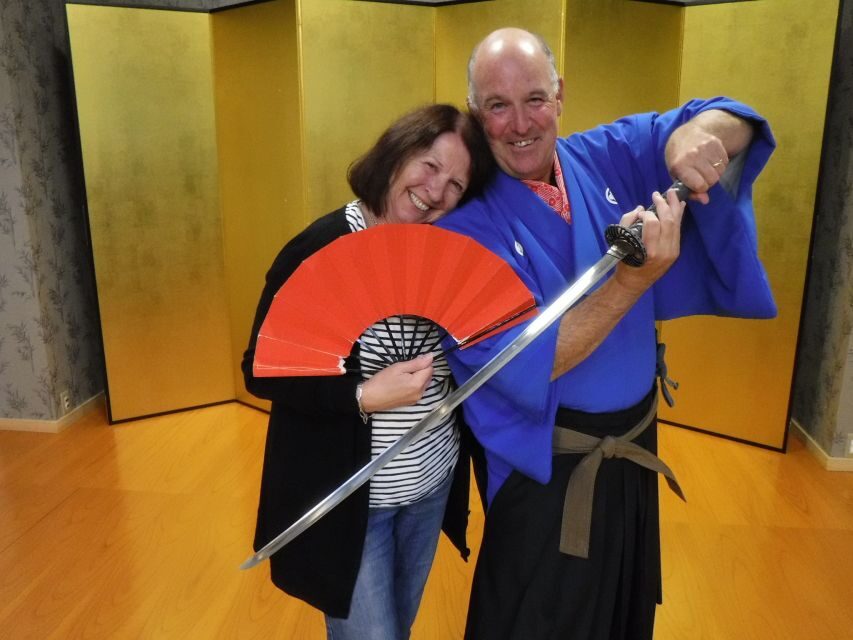
Depending on what option you choose, you’ll watch a performance with commentary by a sword dance instructor for 10 minutes or 30 minutes.
When you add it after practice, it works like a visual summary. You’ve just done bowing, drawing, and stylized strikes. Then you see the same principles performed with mastery.
This part is where you’ll understand the choreography as art. It also helps you see how different movements flow into each other—something you might miss if you only had classroom practice and no demonstration.
The performance can be scheduled either at the beginning or before you leave, depending on the timing option you select. Either way, the order supports the same idea: learn the basics, then watch the art form in action.
Price and value: is $64 worth it in Kyoto?
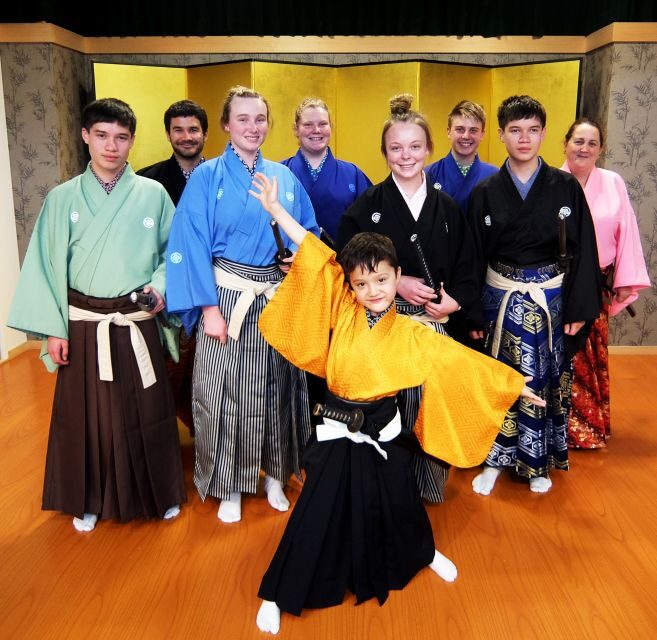
At $64 per person for about 90 minutes to 2 hours, this class is priced like an activity, not like a full-day tour. That makes it a strong fit if you want something memorable without burning half your day.
The value comes from four things you don’t always get together:
- Hands-on sword choreography (not just observation)
- A costume and photo session
- A completion certificate
- An English-speaking instructor in a small group
You’ll want to keep expectations clear on what’s not included. Food and drinks are not included, and there’s no hotel pickup or drop off. So budget for a nearby snack or plan your meal around the class time.
Still, for most visitors, this is a rare Kyoto activity where you leave with both a skill you practiced and photos you can actually use later.
Who should book, and who might want a different Kyoto activity
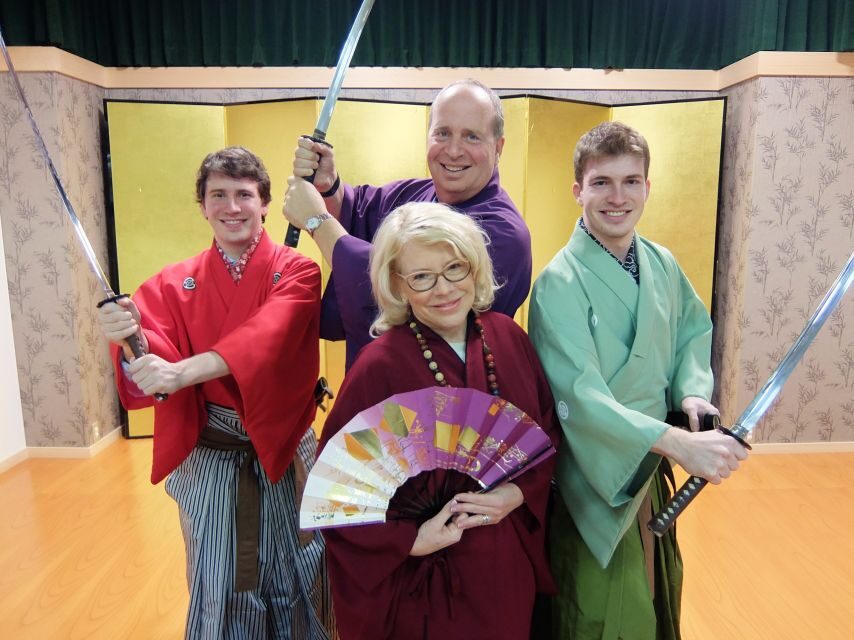
This works especially well for:
- People who want a hands-on cultural experience
- First-timers curious about samurai sword dance (Kenbu)
- Anyone who likes dressing up with a purpose, not just cosplay
It may not be the best fit if:
- You only want to watch. This is hands-on, and you can’t just observe.
- You’re traveling with bulky luggage or want a long waiting time nearby—there’s no waiting room.
- You don’t plan to wear suitable exercise clothes for movement and costume changes.
Kids can fit in, with an important caveat. Children under 4 years are not suitable. For ages 5 to 10, it’s desirable that the child attends martial arts or enjoys learning, because lessons are conducted with adult participants.
Quick tips to make your first Kenbu class go smoothly
- Wear something you can move in. Then bring a layer that helps you adjust for costume changes.
- Keep bags small. There’s no room for large luggage.
- Don’t bring anything sharp or treat this like a bring-your-own-gear activity.
- If you’re choosing the performance option, pick the length that matches your energy level. The 30-minute choice gives more context after you practice.
Should you book the Kyoto Samurai Sword Class by Samurai Kembu Theater?
If you want a Kyoto activity that’s practical, structured, and actually teaches a skill—even for first-timers—this is a great bet. The combination of Kenbu training, costume photos, and a follow-up performance makes it feel complete for a short time commitment.
I’d skip it only if you’re hoping to watch silently from the sidelines or you’re not prepared for movement-based instruction. If you show up ready to participate and follow the instructor’s guidance, you’ll get an experience that feels both fun and surprisingly disciplined.
FAQ
How long is the Kyoto Samurai Sword Class?
The class lasts about 90 minutes to 2 hours, depending on the starting time and options available.
Where is the meeting point?
You meet at Samurai Kembu Theater (Kyoto dojo), 35-7 Sanchome (Higashi-iru, Sanjo-hanamikoji), Higashiyama-ku, B1F Gozan Building, Kyoto 605-0005.
What is included in the price?
It includes an English-speaking instructor, a photo shoot, a tenugui towel, and a completion certificate.
Is food or drinks included?
No. Food and drinks are not included.
Can I bring weapons, sharp objects, or luggage?
No. Weapons or sharp objects are not allowed, and there is no room for large luggage or travel bags.
Is this activity observation only?
No. There is no observation-only option, and you need an appointment to enter.
What should I wear for the costume and movement?
Wear clothes suited for exercise and moving around. A single hoodie or tights is not suitable for costume changes.
Is it suitable for children?
Children under 4 years are not suitable. For ages 5 to 10, it’s desirable that the child attends martial arts class or has experience learning something, since lessons are conducted with adult participants.