REVIEW · KYOTO
Kyoto: Tea Ceremony in 100-year-old Kyo-Machiya Townhouse
Book on GetYourGuide →Operated by Kyoto Kimono Rental Yumeyakata · Bookable on GetYourGuide
Matcha tastes different inside a 100-year machiya. I love how this ceremony puts you in a real wooden Kyoto townhouse (100-year-old machiya) and then has you take part, not just watch—especially with the make-your-own matcha step. You’ll get a step-by-step introduction to the Way of Tea, plus traditional sweets alongside your tea.
There is one trade-off: it’s a group session (up to 20), and the experience asks for a calm, quiet vibe. If you’re the type who likes to chat while you travel, you may find the atmosphere a little strict.
In This Review
- Key points that make this Kyoto tea ceremony worth it
- Why a 100-Year-Old Machiya Teahouse Changes the Tea Ceremony
- Gojo Shop Kimono Rental: Fast, Practical, and Surprisingly Important
- The Two-Hour Gap: How to Plan Your Day Around Ceremony Timing
- Inside Oike Bettei: The Machiya Room, the Seating Choice, and the Rules
- The Tea Ceremony Steps: From Tea’s Arrival to Your First Bowl
- Making Matcha Yourself Under the Master’s Supervision
- Traditional Japanese Sweets: Why They’re Part of the Lesson
- Optional Add-On: The Kyo-Machiya Townhouse Moment in the Same Place
- Kimono Time After the Ceremony: Walking Kyoto Like You Mean It
- Price and Value: What You’re Really Paying For at About $31
- Group Size and Seating Reality: The Honest Logistics
- Who Should Book This Kyoto Tea Ceremony (and Who Should Skip It)
- Should You Book This Kyoto Tea Ceremony in a 100-Year-Old Machiya?
- FAQ
- Where do I start if I choose the kimono option?
- When does the tea ceremony begin if I pick a starting time like 11:00 AM?
- Where do I go if I book tea ceremony only without kimono rental?
- How long is the experience?
- What should I bring and wear?
- Can I take photos during the ceremony?
- Is this a private tea ceremony?
Key points that make this Kyoto tea ceremony worth it
- 100-year-old machiya setting: the room itself helps you slow down and pay attention
- You prepare the tea: the master supervises while you do the whisking and serving steps
- Sweets + matcha together: a classic pairing that teaches timing and etiquette
- Kimono option for the rest of your day: you can stroll Kyoto after, then return it by 5:30 PM
- Extra context in the same location (add-on): a short townhouse walk tied to Kyoto’s court culture
Why a 100-Year-Old Machiya Teahouse Changes the Tea Ceremony
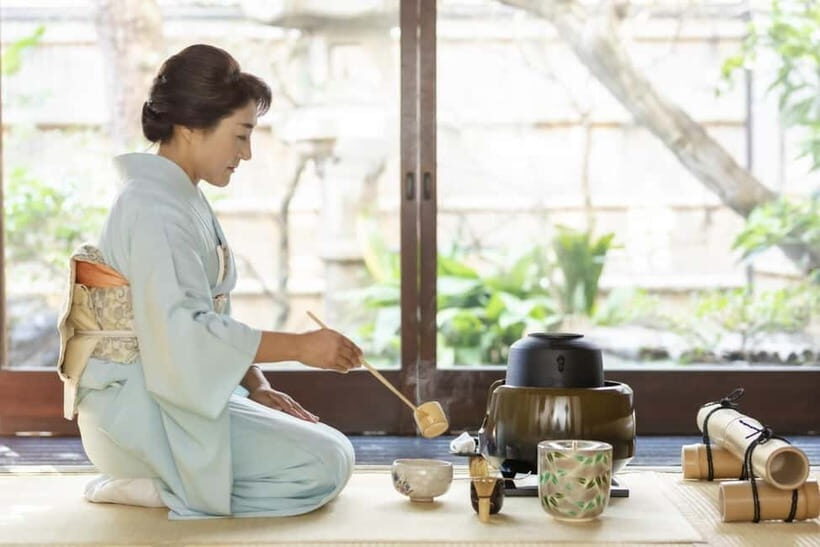
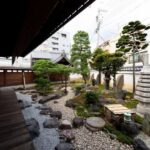
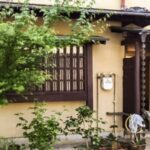
Kyoto tea ceremonies can feel staged if the setting is generic. Here, you’re in an old machiya townhouse, and that matters. The wooden structure, the quiet room, and the formal rhythm of the steps all make the ceremony feel like something people actually practiced, not a show built for tourists.
I also like that the ceremony teaches you the meaning behind small actions. You’re shown how to bow and greet, how to handle the tea bowl, and how to eat the sweets before you drink. That’s the difference between sipping matcha and understanding why the ritual exists in the first place.
One more thing I appreciate: the ceremony setup is not rushed. The tea master starts with a history lesson and etiquette guidance, then moves to the actual service and your turn preparing tea under close supervision.
You can also read our reviews of more tours and experiences in Kyoto.


Gojo Shop Kimono Rental: Fast, Practical, and Surprisingly Important
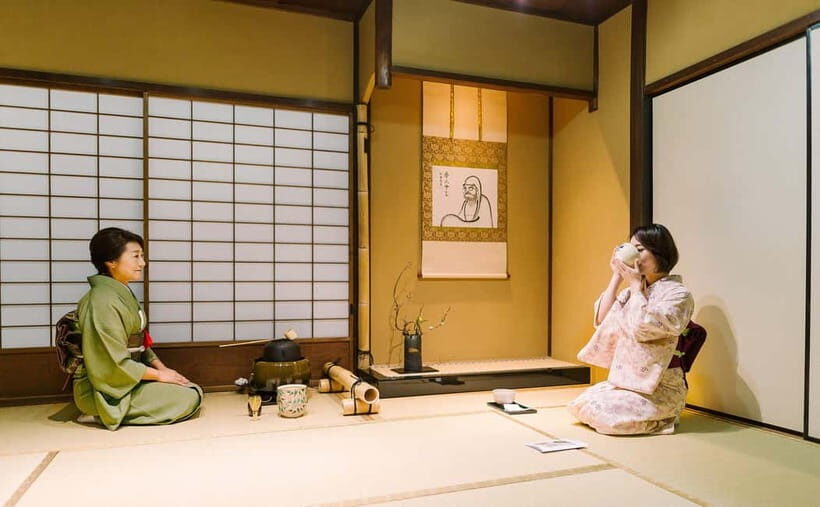
If you choose the kimono plan, you start at the Gojo Shop at the time on your voucher. This is where the practical part kicks in: you pick your kimono from available colors, designs, and sizes. If you add the upgrade, ladies can also get hair styling and makeup, plus the kimono is upgraded from casual to formal (Houmongi).
This matters because Kyoto walking in a kimono is a different experience from simply taking photos. When your clothing fits properly and you’ve been dressed with the right support, you can focus on strolling and noticing details—rather than constantly adjusting and fussing.
After you’re dressed, you head to Yumeyakata Oike Bettei for the ceremony. The ceremony itself doesn’t start right away, so the kimono rental is really a way to make the whole day feel cohesive, not just a quick outfit change.
The Two-Hour Gap: How to Plan Your Day Around Ceremony Timing
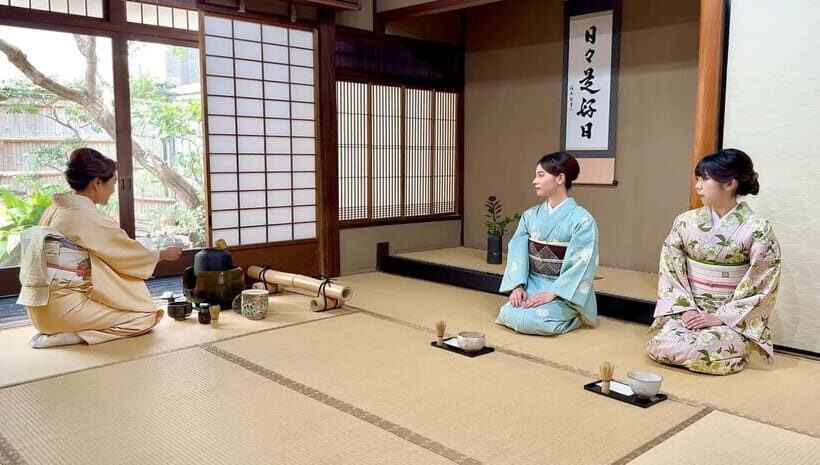
Here’s the rhythm that affects your schedule: once you choose your starting time for the kimono experience, the tea ceremony begins two hours later. For example, if your starting time is 11:00 AM, your ceremony starts at 1:00 PM.
That delay can be great or annoying depending on your plans. If you’ve already lined up morning activities nearby, it’s easy to work around. If you arrive early with nothing to do, you’ll want to build in time for an unhurried Kyoto pause—coffee, a short walk, or simply settling into the neighborhood mood.
If you book the tea ceremony only (no kimono), you still have an important timing rule: arrive 5–10 minutes before the start time stated on your voucher at Oike Bettei. No extra window for wandering once you’re there—this is a sit-and-focus experience.
Inside Oike Bettei: The Machiya Room, the Seating Choice, and the Rules
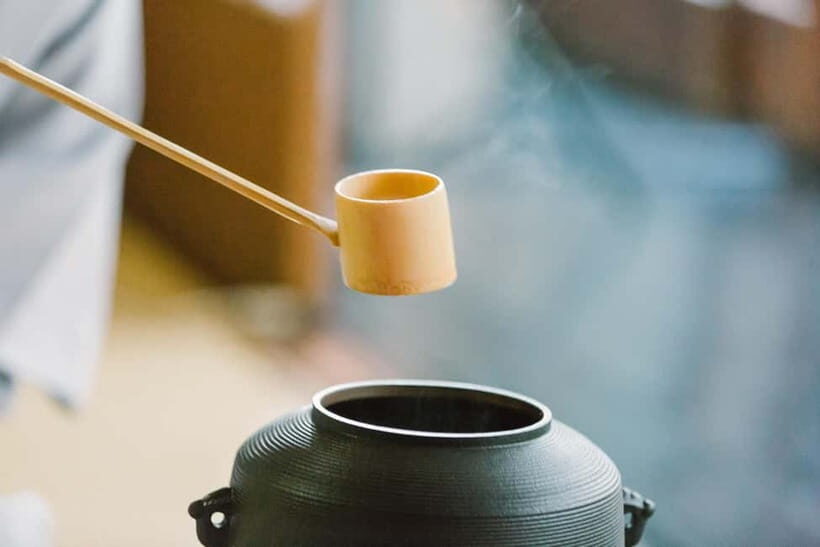
Yumeyakata Oike Bettei is the heart of the experience. You step into a traditional machiya townhouse setting where the room and tea arrangement support a calm, formal flow. The program can accommodate up to 20 people, so you might experience a different room layout depending on group size.
You can sit on a small chair, or you can sit on the floor. Either way, plan to keep your body still and your attention forward. If you choose floor seating, wear socks (you’ll need them anyway), and expect that comfort is part of being present.
There are also clear rules that keep the room respectful:
- No noise or disruptive behavior
- No flash photography
- No sandals or flip flops indoors
- No smoking indoors
Also, I’m glad they tell you what to bring: socks. People often forget that in Japan, shoes come off and foot comfort becomes the little make-or-break detail.
The Tea Ceremony Steps: From Tea’s Arrival to Your First Bowl
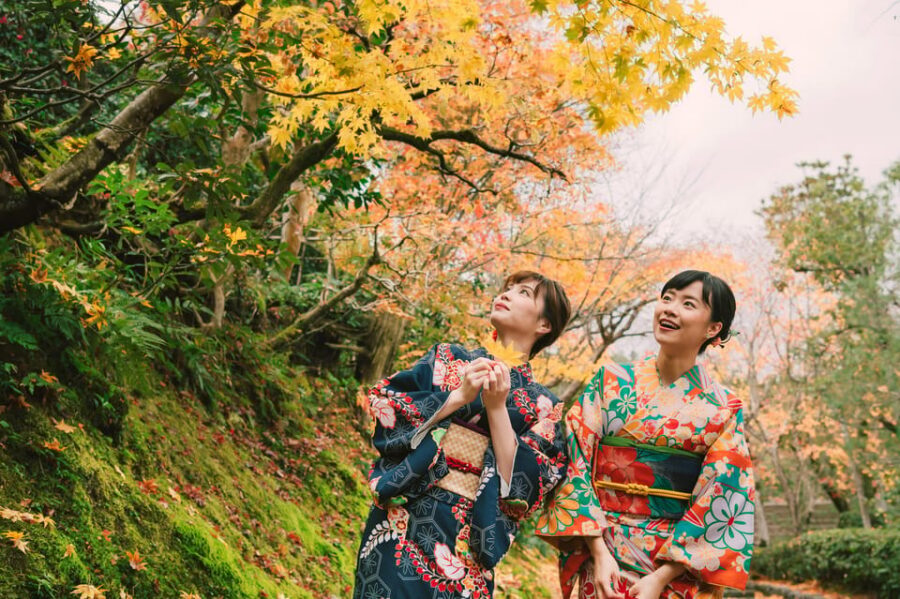
The ceremony begins with an introduction to tea’s story. You’ll hear how tea was introduced into Japan from China about 1,200 years ago, and how the practice evolved into the form recognized today as the Japanese Way of Tea.
Then the master explains the etiquette and the order of actions. This includes:
- how to bow and use proper greeting words
- how to eat the traditional sweets
- how to drink the tea
- how to observe and appreciate the tea bowl
After that, the master brings the necessary items into the room and performs the first tea service. This is the moment I found the ritual clicks into place—watching the motions while you understand what each one communicates.
If you’re the kind of person who likes to ask questions, you’ll get a chance at the end. The master closes the ceremony, and you can ask before leaving.


Making Matcha Yourself Under the Master’s Supervision
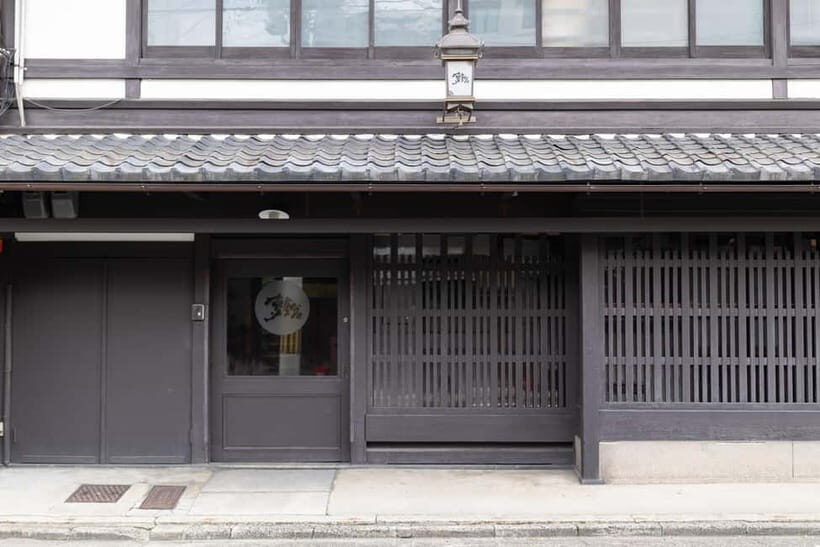
The best part, in my view, is that you don’t stop at watching. After the master serves the first tea, you prepare the tea yourself under supervision.
That hands-on moment changes your learning. When you whisk matcha, you quickly understand why the ceremony cares about precision and timing. The master’s role is to guide you so you don’t do it wrong, but you still get ownership of the action.
You also get to taste the result immediately. It’s not just theoretical culture. You make something edible, then experience it with the traditional sweets that came earlier. That pairing helps you understand how the ceremony balances flavor, texture, and sequence.
And yes, matcha quality matters. Several people highlight that the matcha is excellent, which makes sense—if the program wants you to learn, they have to serve something worth learning with.
Traditional Japanese Sweets: Why They’re Part of the Lesson
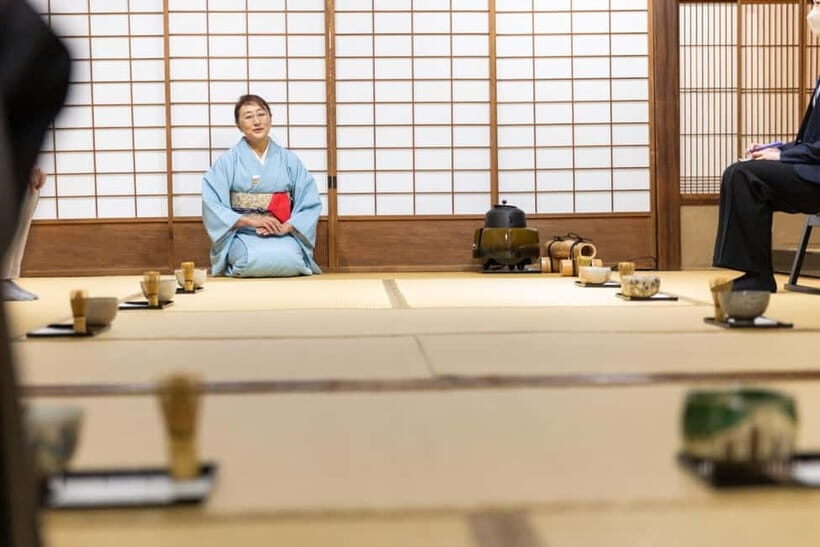
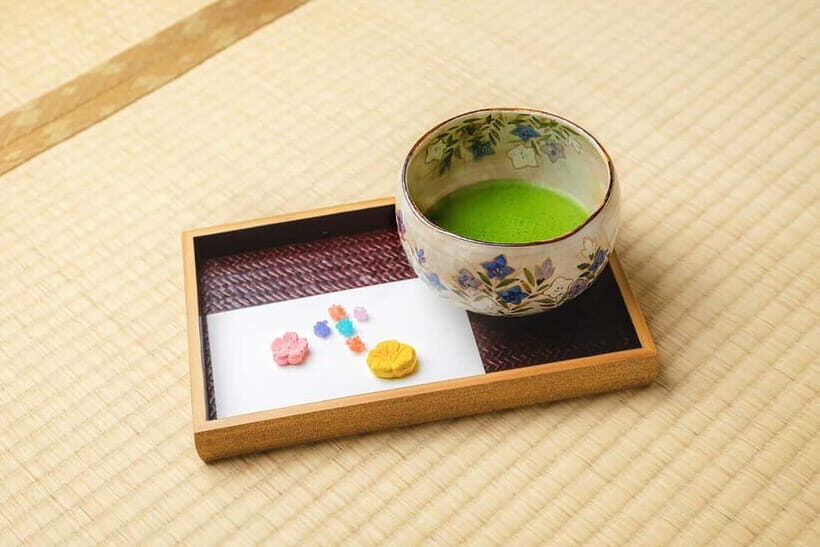
You’ll enjoy matcha tea along with traditional Japanese sweets during the ceremony. This isn’t a random snack stop. In the structure of tea practice, the sweets come first to balance the taste journey and prepare your palate for the tea.
I like that you’re taught when and how to eat them as part of etiquette. You’re not left guessing, and the instructions help you avoid the awkward pause of not knowing what’s expected.
If you’re new to tea ceremony, this is a smart inclusion. It gives you a complete sensory experience, not only the matcha preparation step.
Optional Add-On: The Kyo-Machiya Townhouse Moment in the Same Place
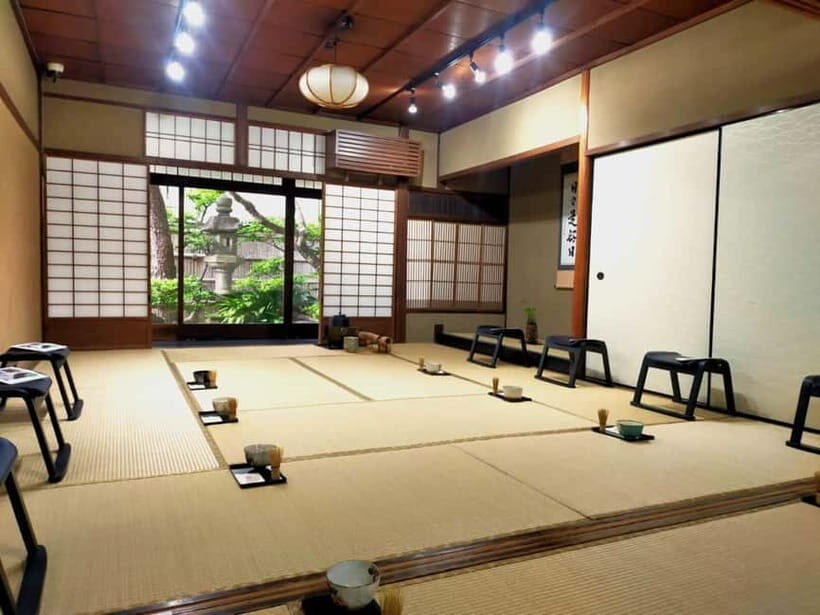
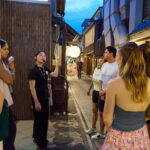
If you choose the add-on, you get a short townhouse experience right after the tea ceremony. The format is a 30-minute machiya moment: about a 20-minute tour plus a 10-minute selfie time.
The tour focuses on the machiya itself—history, cultural significance, architecture details, and hidden functions of these Kyoto homes. You’re essentially getting a quick architecture lesson plus a cultural context lesson, all in the same site where the tea ceremony just happened. That connection helps the setting feel purposeful.
There’s also a strong Kyoto-culture angle in the location. The tea house is near Kyoto Gosho (Kyoto Imperial Palace). Next door is the former residence of Nijō Yoshimoto (1,320–1,388), a high-ranking court noble from the Nanboku-chō period and a founding figure in renga (linked verse poetry).
Even if you don’t know those names now, the explanation gives you a reason to care. You start seeing the tea ceremony as part of the same world as poetry gatherings, court etiquette, and refined aesthetics.
Kimono Time After the Ceremony: Walking Kyoto Like You Mean It
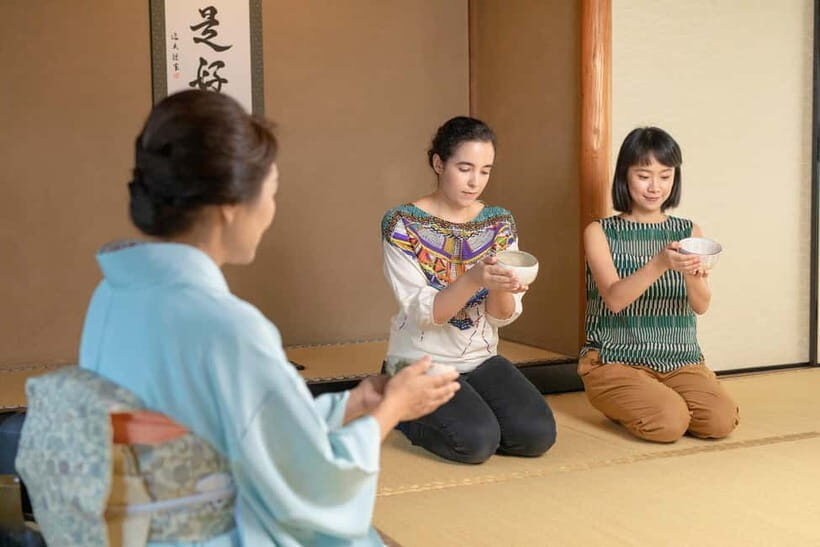
After the tea ceremony, you can wear the kimono to stroll around Kyoto if you selected that option. You return the kimono to the Yumeyakata Gojo Shop by 5:30 PM the same day.
This is one of the best uses of a kimono rental. Instead of putting it on only for a photo, you get real street time—slow walking, more attention to signage and architecture, and a stronger sense of being in Kyoto rather than just passing through it.
A practical note from real comfort logic: kimono can feel warm and layered. If it’s hot, plan breaks and keep your pace gentle. The goal is enjoyment, not endurance.
Also remember the room rule about footwear: sandals or flip flops aren’t part of the indoor ceremony. Outside, you’ll need to follow what the rental team advises, but indoors, socks are required.
Price and Value: What You’re Really Paying For at About $31
At around $31 per person, the value here comes from what’s included and what’s not.
You’re paying for:
- the tea ceremony experience in a traditional town house
- matcha tea and traditional sweets
- a leaflet explaining the ceremony
- a tea master and interpreter support
- kimono rental if you choose that plan
And if you selected the add-on, you may also get:
- women’s hair styling and makeup
- an upgrade from casual kimono to formal Houmongi
- the 30-minute machiya moment
A lot of “culture activities” are mostly watching. This one builds in instruction and participation—especially the part where you prepare your tea yourself. That makes the time feel productive instead of passive.
The only cost consideration is that you may be spending more total time than you expect when you add kimono options. If your schedule is tight, you might prefer the tea ceremony only plan.
Group Size and Seating Reality: The Honest Logistics
This experience is a group session and can accommodate up to 20 people. That usually means a guided pace rather than a private lesson. The room may vary depending on group size, and you’ll follow the master’s timing.
If you want a fully private, quiet, one-on-one experience, this may not be the best match. But if you want a structured intro to Japanese tea etiquette—where you still get hands-on practice—the group format can work fine.
Seating is another practical point. You can sit on a small chair if you’d rather not sit on the floor. If you choose floor seating, go in assuming you’ll follow the ceremony posture for a sustained period.
Finally, the experience asks for quiet. This isn’t the tour for loud banter. The calm atmosphere is part of the deal.
Who Should Book This Kyoto Tea Ceremony (and Who Should Skip It)
I think this is a great fit if you:
- want a real Kyoto atmosphere inside a traditional machiya
- enjoy learning etiquette and meaning, not only tasting matcha
- want to actually prepare tea, not just watch it happen
- like pairing the ceremony with a kimono walk after
It’s less suitable if you fall into the program’s limits:
- children under 10
- pregnant women
- wheelchair users
- people over 6 ft 6 in (200 cm)
- people over 209 lbs (95 kg)
- visually impaired people
- babies under 1 year
If you’re flexible about the group setting and you can follow quiet room rules, it’s an easy “yes” for most adults who want Kyoto culture that’s calm, specific, and hands-on.
And if your priority is maximum convenience, choose the tea ceremony only option. You’ll avoid the kimono timing window and get straight to the ceremony at Oike Bettei.
Should You Book This Kyoto Tea Ceremony in a 100-Year-Old Machiya?
If you’re deciding between a quick tea tasting and a real tea-ritual lesson, book this. The value isn’t only in the old-house setting. It’s in the combination of instruction plus your own participation—preparing matcha yourself under supervision—while still keeping the mood respectful and quiet.
Choose the kimono add-on if you want your ceremony to flow into a Kyoto walk and you don’t mind spending time dressing up. Choose tea ceremony only if your schedule is tight or you want less moving parts.
My final advice: plan your day around the two-hour wait for kimono plans, wear socks, and treat the room like a place meant for calm. Do that, and you’ll leave with more than a souvenir—you’ll have a small, usable understanding of Japanese tea etiquette you can bring home.
FAQ
Where do I start if I choose the kimono option?
You visit the Gojo Shop at the time shown on your voucher to pick your kimono. After you’re dressed, you go to Yumeyakata Oike Bettei for the tea ceremony.
When does the tea ceremony begin if I pick a starting time like 11:00 AM?
The ceremony begins two hours after your selected starting time. For example, if you choose 11:00 AM, the tea ceremony starts at 1:00 PM.
Where do I go if I book tea ceremony only without kimono rental?
You go to Oike Bettei and arrive 5–10 minutes before the starting time on your voucher.
How long is the experience?
The duration ranges from 50 minutes to 3 hours, depending on the option you book.
What should I bring and wear?
Bring socks. Sandals or flip flops are not allowed, and you should avoid anything that doesn’t work with indoor socks-only seating.
Can I take photos during the ceremony?
Flash photography is not allowed. If photos are important to you, plan to follow the room’s instructions during the session.
Is this a private tea ceremony?
No. It is held as a group session, and it can accommodate up to 20 people. The room used can vary based on the group size.