REVIEW · TOKYO
Flavours of Tokyo: A Journey Through Time – Small Group Food Tour
Book on Viator →Operated by Hello! Tokyo Tours · Bookable on Viator
Tokyo tastes different when you follow the centuries. This 5.5-hour small-group tour threads Edo-era foundations to postwar city life and ends with future-facing sweets in Akihabara.
I like the way it pairs food with context, especially the start in Nihonbashi with dashi as the flavor backbone of so many dishes. I also like the volume: about 14 dishes, plus a sit-down lunch and even a lemon sour.
One possible drawback: this is not a light stroll. You’ll cover around 6.5 km and deal with lots of subway stairs, and the tour needs good weather to run well.
In This Review
- Key things you’ll notice on this Tokyo food tour
- A Tokyo food tour that actually tells you how the city ate
- Price and value: what $176 buys in real Tokyo terms
- Meeting point, start time, and the walking reality
- Nihonbashi Bridge and the dashi lesson that makes everything taste clearer
- Fukutoku Shrine: shrine vs temple, plus a quick reset before Ginza
- Ginza and Yurakucho: postwar industrial Tokyo and the gado-shita connection
- Tokyo International Forum and Kitte: the city grows up while you walk
- Tokyo Station lunch snacks: tamagoyaki and fruits sando for the commute home
- Akihabara future food: Pokemon taiyaki, matcha bubbles, and playful desserts
- Guides matter: Yasu, Keiko, Miko, Paiva, Sidney, and how they run the story
- What you’ll actually eat and drink (a practical expectations list)
- Who should book this Tokyo food tour, and who should skip it
- Should you book Flavours of Tokyo: A Journey Through Time?
- FAQ
- How long is the Flavours of Tokyo food tour?
- What is the group size for this tour?
- What kind of food and drinks are included?
- Which areas of Tokyo does the tour visit?
- Is public transport included in the price?
- Is the tour physically demanding?
- What ticket method do I receive?
Key things you’ll notice on this Tokyo food tour
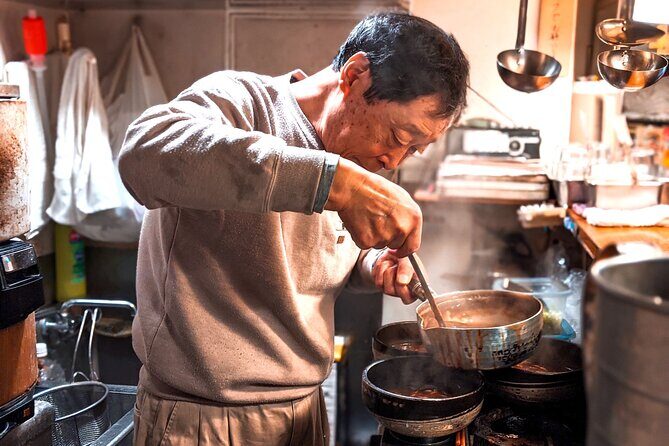
- Small group size (max 9) makes it easier to ask questions and keep the pace human
- Dashi-focused start in Nihonbashi gives you a real flavor framework before you snack
- Ginza and Yurakucho stories connect food to industrialization and the salaryman era
- Tokyo Station commuter bites turn famous train-area flavors into an everyday-meal lesson
- Akihabara dessert theme includes items like Pokemon taiyaki and matcha drinks
- Guide storytelling quality is a major reason this tour gets a 5-star score most of the time
A Tokyo food tour that actually tells you how the city ate
The best part of Flavours of Tokyo: A Journey Through Time is that it treats food like a timeline. You don’t just taste random items. You taste the same city in different eras, moving district to district as the story changes. That past-to-present-to-future theme works because the route is practical: you start in older downtown Tokyo, then move through industrial cores, then land in Akihabara’s playful, future-leaning food world.
I also like that the tour isn’t trying to be a museum lecture. You’re walking, snacking, and learning in short bursts: key ingredients first, then cultural meaning, then what people reach for on the commute. If you enjoy understanding why a dish exists, this format fits.
The tour has a clear structure: it visits three districts—Nihonbashi, Ginza/Yurakucho, and Akihabara—while also using “in-between” landmarks like Tokyo International Forum and Kitte. That means you get variety without feeling like you’re bouncing around on a complicated plan.
You can also read our reviews of more food & drink experiences in Tokyo

Price and value: what $176 buys in real Tokyo terms
At $176 per person for about 5 hours 30 minutes, this sits in the mid-to-upper range for food tours. The value comes from what’s included, not just the headcount.
Here’s what’s on the included side:
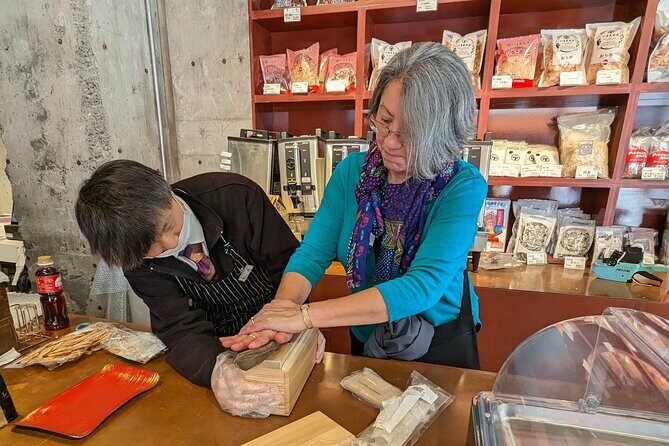
- Snacks tied to Japanese pantry flavors like dashi, kombu, katsuobushi, plus sweets such as daifuku or dorayaki
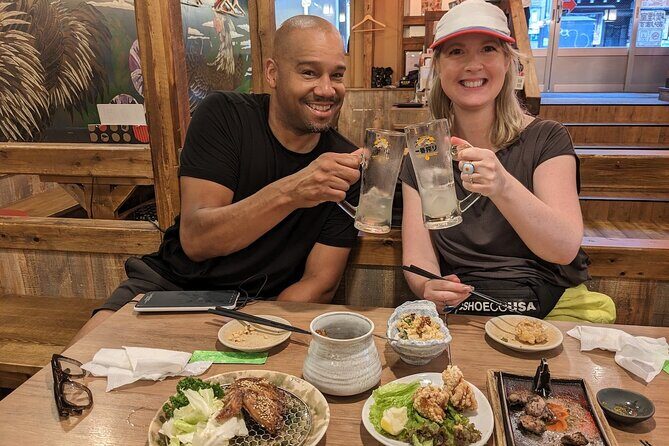
- Drinks, including a lemon sour
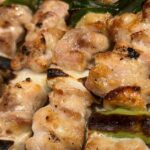
- A lunch block with items like yakitori and tempura soba
- Classic commute comfort foods like tamagoyaki and a fruits sando
Also important: you’re tasting across categories, not only “traditional” or only “sweet.” You’ll go from savory bases (the kind Japanese cooking builds on) to small-bar culture themes and then into the dessert-and-brand world of Akihabara. That variety is usually where Tokyo food tours either shine or fall flat.
What you do need to plan for: transport isn’t fully included. The tour uses two short subway rides that you pay yourself. If you already know how you’ll get around, that’s a small add-on, not a deal-breaker.
Meeting point, start time, and the walking reality
The tour starts at 11:30 am at Nihonbashi 1-chome Mitsui Building (address given for the meeting point), and it ends at Akihabara Station (1-chome Sotokanda side). It’s a mobile-ticket experience, and the meeting point is near public transportation, so you won’t be hunting in the far suburbs.
Still, this is a walking tour in central Tokyo. The stated total is about 6.5 km (4 miles) over roughly 5.5 hours, with stairs at subway stations. If you’re the type who likes to see Tokyo on foot but you also need frequent breaks, plan for that. You’ll be moving at a steady pace, not leisurely sightseeing-drift.
My practical tip: wear shoes you’d use for a full day. Even on routes that sound short on paper, Tokyo stairways add up fast—especially when you’re also stopping to taste and listen.
Nihonbashi Bridge and the dashi lesson that makes everything taste clearer
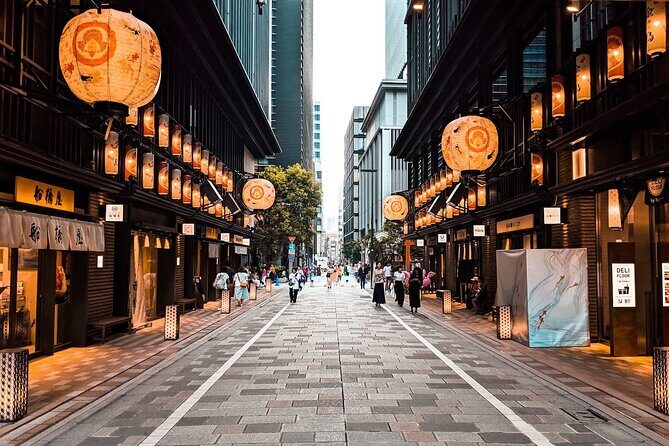
Nihonbashi is where the tour sets its flavor rules. You start by looking at key ingredients and flavors that underpin Japanese cooking, with dashi as the center of the lesson. You’re not only hearing definitions; you’re tying them to what you taste as the group moves through this older downtown area.
Dashi matters because it’s the shortcut to understanding a lot of Japanese food. When you know that base stock exists and why it’s built the way it is—think kombu and katsuobushi— you’ll start noticing the same flavor logic later, even in places that look totally different. That’s the smart part of beginning here.
There’s also a cultural beat right away with the Nihonbashi area itself. This isn’t just a generic “old town” stop. It’s a location chosen to match the idea of origins: ingredients first, history second, and then snacks that make sense in context.
A small but real plus: this start is long enough (around 1 hour 30 minutes) that you’re not swallowing everything in a rush. You get time to ask questions while the flavors are still fresh.
Fukutoku Shrine: shrine vs temple, plus a quick reset before Ginza
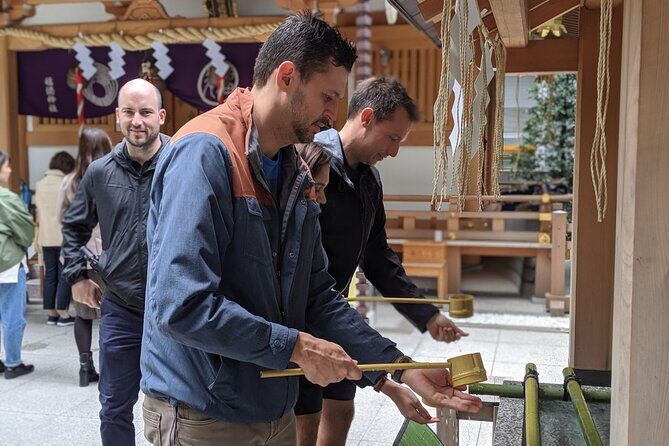
After Nihonbashi, you make a short stop at Fukutoku Shrine. This is only about 10 minutes, but it adds something most food tours skip: how Japanese spiritual space shapes daily manners and the idea of cleansing before you ask for good outcomes.
You’ll learn the differences between shrines and temples, and you’ll hear how cleansing your spirit and praying works in shrine culture. It’s not a long ceremony. It’s more like a guided orientation, then you move on.
Why it’s worth including: Tokyo’s food story isn’t only economics and trends. Food is also tied to daily life and ritual, including how people think about luck, gratitude, and making requests. Even a short stop like this helps the rest of the tour land with more meaning.
A few more Tokyo tours and experiences worth a look

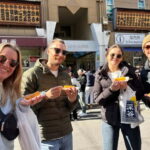
Ginza and Yurakucho: postwar industrial Tokyo and the gado-shita connection
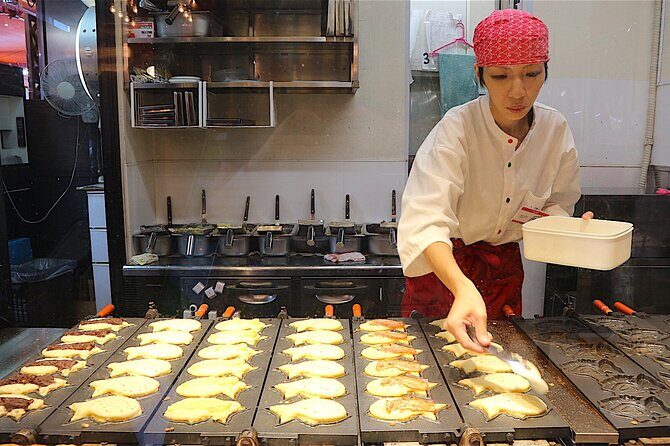
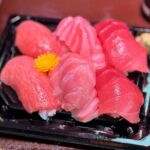
Once the tour shifts to Ginza and Yurakucho, it leans into the postwar story. The big theme here is industrialization and what it brought: salarymen culture, small everyday drinking and eating spots, and the idea of gado shita—small bars and restaurants built under railways.
This is where the tour becomes more social than academic. You’re walking through areas that reflect how Tokyo rebuilt itself, then seeing how food habits formed around work schedules and convenience. The snacks in this segment fit the tone: quick bites, grab-and-go ideas, and flavors that work in tight city spaces.
The route includes time at Ginza and then Yurakucho, both around 1 hour 10 minutes each. That’s long enough to hear the story, not just pass through the storefronts. You also get that “central Tokyo” feeling: office district geography, movement, and the everyday hum that makes food feel normal instead of staged.
Tokyo International Forum and Kitte: the city grows up while you walk
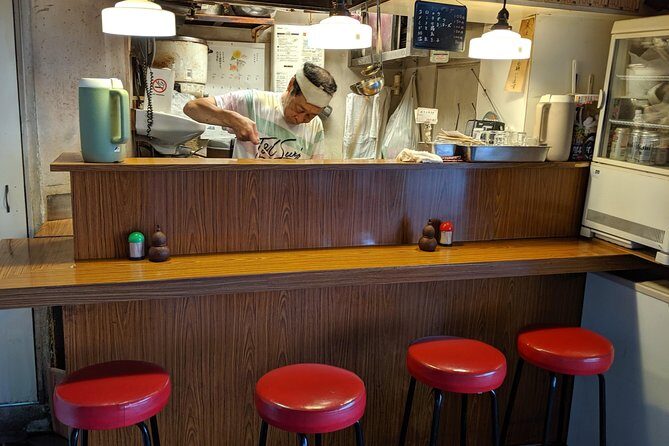
From Ginza/Yurakucho, you stroll toward Tokyo Station, with stops that mark the modern skyline. One key moment is at the Tokyo International Forum area—about 15 minutes—where the tour connects the rail-and-street geography to the way Tokyo’s institutions and gathering places took shape.
Then you move to Kitte Marunouchi (about 10 minutes). This kind of stop matters because it shows how Tokyo’s “food everywhere” culture now runs through big hubs. In the old story, food was tied to neighborhood networks. In the modern story, food is tied to stations, buildings, and flows of people.
This section is a bridge: less about a single dish and more about the setting that makes different food styles possible. It’s also a breather compared with the more constant tasting rhythm.
Tokyo Station lunch snacks: tamagoyaki and fruits sando for the commute home
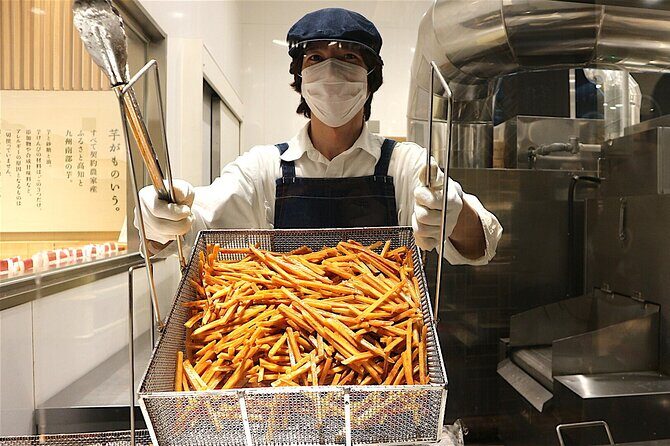
Now you get to the practical Tokyo stuff: what people eat because they’re rushing. At Tokyo Station Marunouchi Ekimae Hiroba you try commuting favorites like tamagoyaki and a fruits sando (Japanese milk bread sandwich with fresh fruit and whipped cream). This stop runs about 20 minutes.
Then you repeat the idea one more time at Daimaru Tokyo (also 20 minutes), again trying tamagoyaki and a fruits sando style treat. You might notice this pattern: the tour uses Tokyo Station’s “food you actually buy” logic as an anchor. It’s how modern Japan turns comfort into a quick, repeatable habit.
I like this choice because it’s not just dessert glamor. Tamagoyaki is simple, savory, and very Japanese in method—rolled omelette that’s all about texture and sweetness balance. The fruits sando is a modern sweetness hit, showing how Japanese bakeries and department stores turned attention to detail into something portable.
If you’re worried you’ll leave without enough food: between these station items and the included lunch block, you shouldn’t.
Akihabara future food: Pokemon taiyaki, matcha bubbles, and playful desserts
The last district is Akihabara, with about 45 minutes focused on the future of Japanese food. You’re in electronics and anime territory, but the tour doesn’t treat food as an afterthought. It treats it as a cultural product—how brands, characters, and snack formats shape what people want now.
This is where the included snacks really pop:
- Pokemon taiyaki
- Matcha (green tea) bubble tea or ice-cream
- Daifuku or dorayaki
- Plus other small sweets mentioned through the tour’s snack set
Even if you’re not into anime, Akihabara still makes sense for a food timeline. The point isn’t fandom. The point is how Japan sells creativity in edible form, and how traditional flavors like matcha can show up in modern, Instagram-friendly formats.
One extra plus from past groups: some guides weave in extra sweets and snack references beyond the label names you’ll see. For example, items like kelp-based candies, mochi, and taiyaki come up in guide storytelling. That doesn’t replace what you’ll taste, but it adds color to the “future” idea.
Guides matter: Yasu, Keiko, Miko, Paiva, Sidney, and how they run the story
The tour’s reviews heavily credit the guides, and that’s not surprising. When you mix food with history, the person holding the thread is everything.
I’ve seen multiple guide names linked to excellent outcomes, including Yasu, Keiko, Miko, Paiva, and Sidney. Across these experiences, the common strengths are:
- clear history explanations tied directly to what you’re tasting
- friendly group management in small numbers
- a sense of pacing that keeps the day moving without feeling like a sprint
There are also practical details that make a difference. One guide handled a moment where someone forgot a Suica pass and the group got stuck exiting, then found a solution without turning it into drama. Another guide provided a presentation-style booklet with ingredient and dish context, and shared a follow-up email with photos and dish names after the tour. That kind of follow-through helps you remember what you ate and why it mattered.
If you care about learning and not only eating, the guide’s tone is a big reason this tour earns such strong ratings.
What you’ll actually eat and drink (a practical expectations list)
Food tours can be vague. This one is clearer, because the included items are listed. Here’s what you can expect in categories:
Savory foundations and snacks
- Dashi, with ingredient highlights like katsuobushi and kombu
- Small bites that fit the “traditional-to-modern” theme, including things like satsuma-age and imo kenpi
- Sweet accents along the way, such as amazake and Japanese sweets like daifuku or dorayaki
Lunch
- Yakitori
- Tempura soba
- Plus station sweets like tamagoyaki and fruits sando
Drinks
- A lemon sour is included as the alcoholic option (if you drink it)
A useful reality check: portion sizes are still small by design. You’re tasting a range, not eating one massive meal at every stop. The included lunch and the station bites should keep you from leaving hungry, but it’s still a “taste-and-learn” format, not an all-you-can-eat marathon.
Who should book this Tokyo food tour, and who should skip it
This tour is a great match if you want more than a checklist of foods. If you like the idea of learning how ingredients like dashi connect to later dishes and how work culture shapes snack habits, you’ll enjoy the structure. The small-group size (maximum 9) also helps if you prefer questions and conversation over standing in a big line.
It’s also a good fit if you want a smart mix of old downtown, office-district history, and a final stop that’s unmistakably modern in spirit. Nihonbashi gives you the base. Ginza/Yurakucho gives you the social changes. Akihabara gives you the future flavor vibe.
Skip it if stairs and longer walking days are tough for you. The tour expects reasonable walking pace and includes lots of subway steps. Also, this experience requires good weather, so if you’re traveling in a season with frequent rain and you hate getting wet, plan accordingly.
Should you book Flavours of Tokyo: A Journey Through Time?
I’d book it if you want a Tokyo food experience that teaches you how the city learned to eat: starting with ingredient logic, then moving into postwar work-life habits, then ending with playful, character-led sweets in Akihabara. The combination of about 14 tastings, a full lunch, and a lemon sour makes the $176 feel justified for a small-group format that doesn’t rush you.
I’d think twice if you’re looking for a short food crawl with minimal walking. This is still a full afternoon with stairs, and transport between neighborhoods is partly on you. If that sounds fine, this is one of the better ways to turn Tokyo street snacking into something you’ll remember.
FAQ
How long is the Flavours of Tokyo food tour?
It runs about 5 hours 30 minutes.
What is the group size for this tour?
The tour is limited to a maximum of 9 travelers.
What kind of food and drinks are included?
You’ll get snacks and a lunch, including items such as dashi-related tasting, sweets like daifuku or dorayaki, lunch with yakitori and tempura soba, plus tamagoyaki and fruits sando. Alcoholic drinks include a lemon sour.
Which areas of Tokyo does the tour visit?
You’ll spend time in Nihonbashi, Ginza/Yurakucho, and Akihabara, with walking stops that connect the route through central landmarks near Tokyo Station.
Is public transport included in the price?
Transport isn’t fully included. The tour uses two short subway rides, and those costs are payable by you.
Is the tour physically demanding?
You should expect to walk about 6.5 km total and deal with many subway stairs. A moderate fitness level is required, and you need to be able to walk at a reasonable pace with the group.
What ticket method do I receive?
You get a mobile ticket.