REVIEW · TOKYO
Tokyo: Nikko World Heritage Private Day Trip Hotel Pick-up
Book on GetYourGuide →Operated by Travel Cottage · Bookable on GetYourGuide
Nikko feels calmer when you skip the logistics. This private day trip turns the drive from Tokyo into part of the experience, with door-to-door pickup and a chauffeur-led route to Nikko’s biggest hits, from Toshogu Shrine to Kegon Falls and Lake Chūzenji.
I really like the practical comfort: you get a luxury vehicle, Wi‑Fi, and free coffee/tea/bottled water along the way. I also like that the guide helps you with photos and keeps the day feeling intentional, not rushed.
One thing to plan for: it’s a long 11-hour day with a lot of stops, so if you hate walking or want lots of slow wandering, you’ll need to manage your expectations.
In This Review
- Key Highlights I’d Plan Around
- Nikko in One Day: Why This Route Works
- Door-to-Door Pickup: The Real Luxury Is Losing Less Time
- Toshogu Shrine: The Main Event You Don’t Want to Rush
- Shinkyo Bridge and Narabi Jizō: Sacred Stops With a Different Feel
- Tamozawa Imperial Villa and Akechidaira: Culture Meets Mountain Views
- Kegon Falls and Lake Chūzenji: Water, Then the Sea of Happiness
- Edo Wonderland: Worth It, But Time Is Tight
- Pace, Crowds, and the Guides Who Make It Feel Effortless
- What’s Included (and What You’ll Need to Cover Yourself)
- Price and Value: Is $390 per Group Actually Fair?
- Who This Trip Is Best For
- Should You Book It? My Honest Take
- FAQ
- What is the total length of the trip?
- Where do you pick me up in Tokyo?
- Is pickup available from the airport or port?
- How many people are in the group?
- What languages will the driver speak?
- What’s included in the price?
- Are meals included?
- What should I bring?
- Is the tour wheelchair accessible?
- How long will the driver wait if I’m late for pickup?
Key Highlights I’d Plan Around
- Private, door-to-door transfers in Tokyo’s 23 wards, so you avoid train/bus stress on a long day.
- Toshogu Shrine first-class wow with close-up carvings and big cultural meaning behind the scenes.
- Scenic photo stops that actually matter—Shinkyo Bridge, Akechidaira views, and the falls/lake area.
- A chauffeur who can fine-tune timing (often helpful for crowds, traffic, and weather).
- Seasonal surprises may be possible if your driver can adjust and the timing works.
Nikko in One Day: Why This Route Works
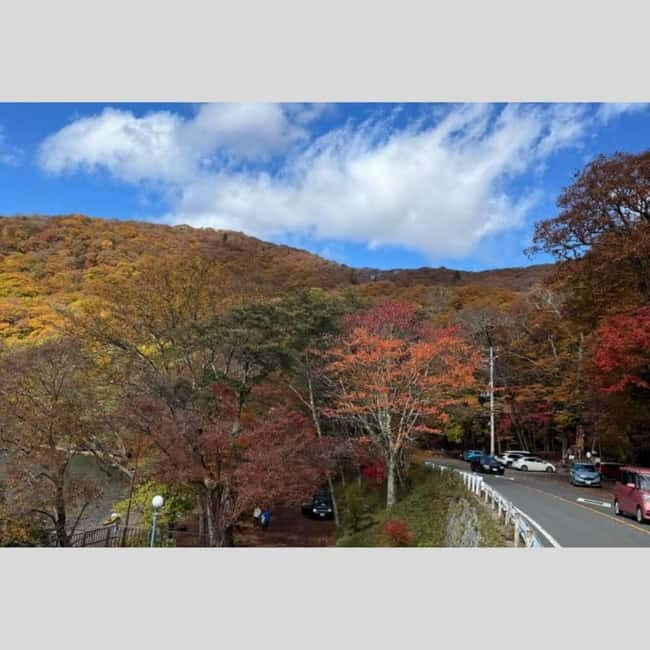
Nikko is one of those places that can feel either magical or overwhelming, depending on how you get there. By taking a private trip, you avoid the most annoying parts of the day: figuring out connections, waiting around, and losing time to routing changes.
What makes this plan smart is that it’s built around Nikko’s three big “moods.” First you get the temple/shrine world at Toshogu. Then you shift to the sacred scenery—Shinkyo Bridge, Narabi Jizō, and the valley views. Finally you end in nature mode with Kegon Falls and Lake Chūzenji, where the pace slows down naturally.
If it helps, think of the day like a movie in chapters: culture, then icons, then water and sky. It’s a good structure for first-timers.
You can also read our reviews of more private tours in Tokyo

Door-to-Door Pickup: The Real Luxury Is Losing Less Time
The headline is simple: you’ll be picked up from your accommodation in Tokyo’s 23 wards and dropped back at the end of the day. That means you can start where you actually are, not where you can find a public-transport connection.
The transfer process is also set up to be manageable:
- You should wait in the hotel lobby about 10 minutes before pickup.
- The driver will wait no longer than 60 minutes after the scheduled time.
In practice, that’s a big deal. Nikko is far enough from central Tokyo that small delays stack up fast, especially on weekends and around peak travel periods.
You’ll ride in a private vehicle such as a Toyota Vellfire/Crown or Land Cruiser (comfort-focused, air-conditioned). A few guides have been praised for being steady and confident on mountain roads, and you can expect a similar focus on safe, smooth driving.
Also, yes, this is a private group—only your party rides together—so you’re not stuck syncing your pace to strangers who want to sprint and then stop for 20 minutes.
Toshogu Shrine: The Main Event You Don’t Want to Rush
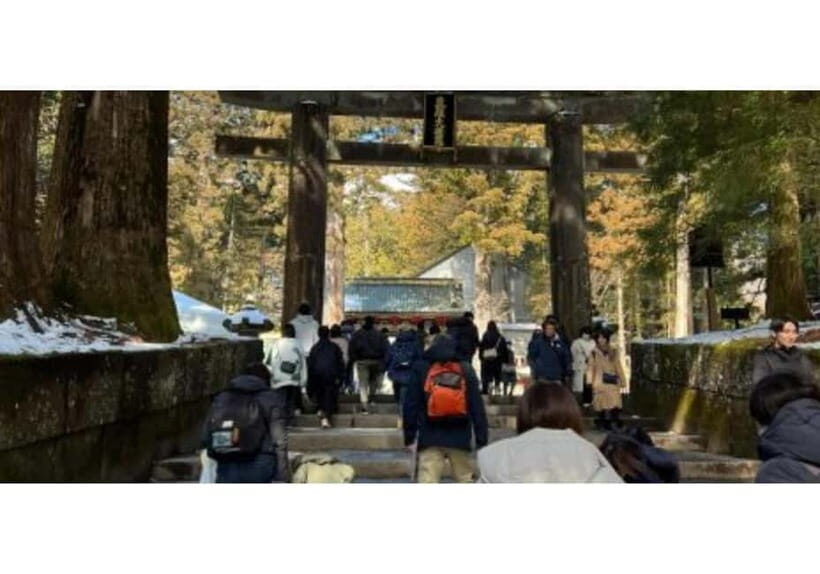
Toshogu Shrine is the kind of place where your brain has to reboot. It’s not just “pretty.” It’s crowded with detail—carvings, color, and symbolism that feel like they were made to be examined slowly.
On this trip, you get a guided visit and time to walk around, with a focus on seeing the key structures without wasting time trying to map it all out. The shrine is dedicated to Tokugawa Ieyasu, the shogun, and it’s also where he’s buried—so the site carries serious historical weight.
Here’s how to make it work for you:
- Wear shoes you can stand in for a while.
- Take a breath and pick 2–3 areas to linger on rather than trying to photo everything.
If you’re prone to rushing, this is the stop where a good guide matters most. People often get trapped by long lines or crowd flow when they DIY it. With a chauffeur-led plan, you’re more likely to keep your day moving with purpose.
Shinkyo Bridge and Narabi Jizō: Sacred Stops With a Different Feel
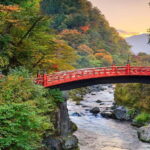
Right after Toshogu, you hit Shinkyo Bridge—Nikko’s iconic red-and-black crossing over the Daiya-gawa River. It’s not just scenic; it’s sacred, officially connected with the nearby Futarasan Jinja Shrine.
This stop is often short, which is exactly why it’s helpful on a day trip. You get the classic photo moment without turning the whole day into waiting outdoors.
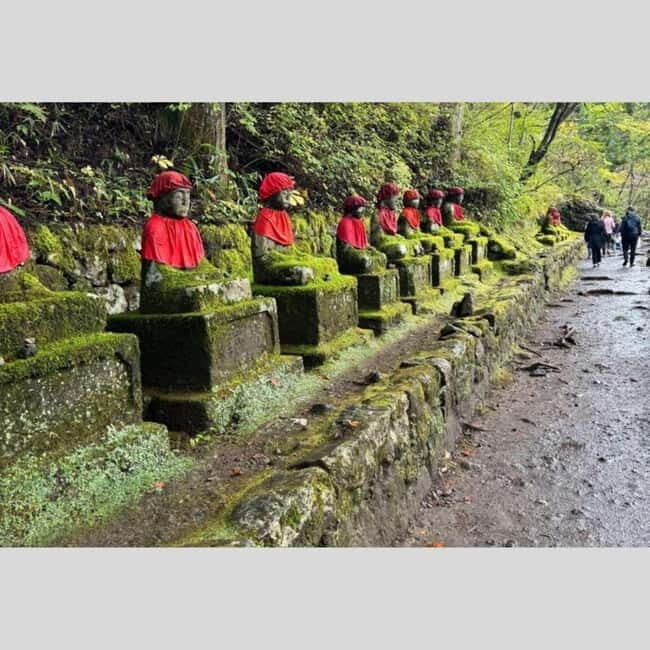
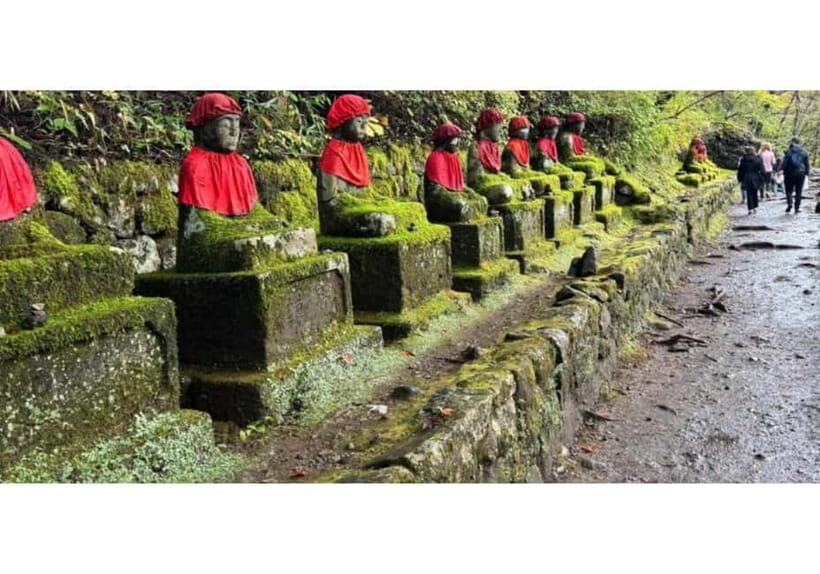
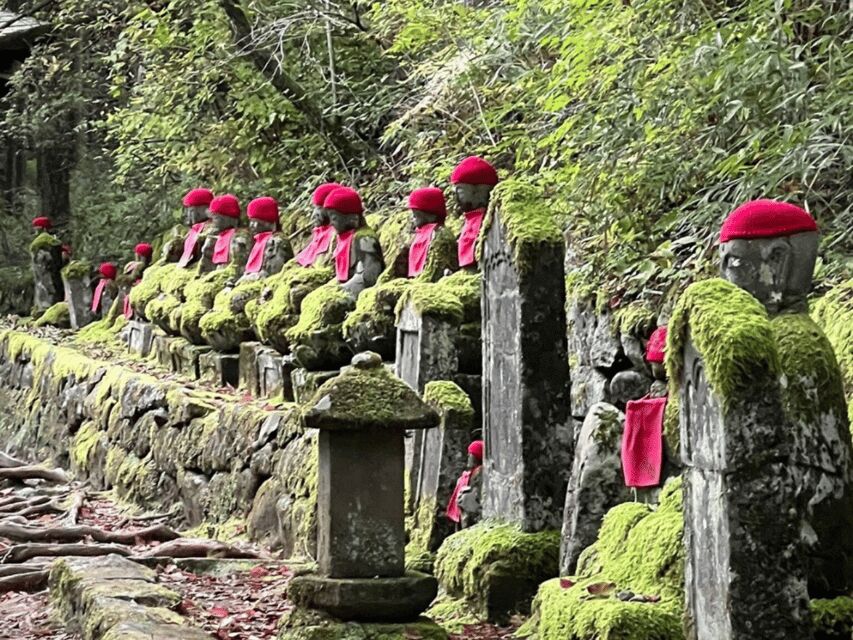
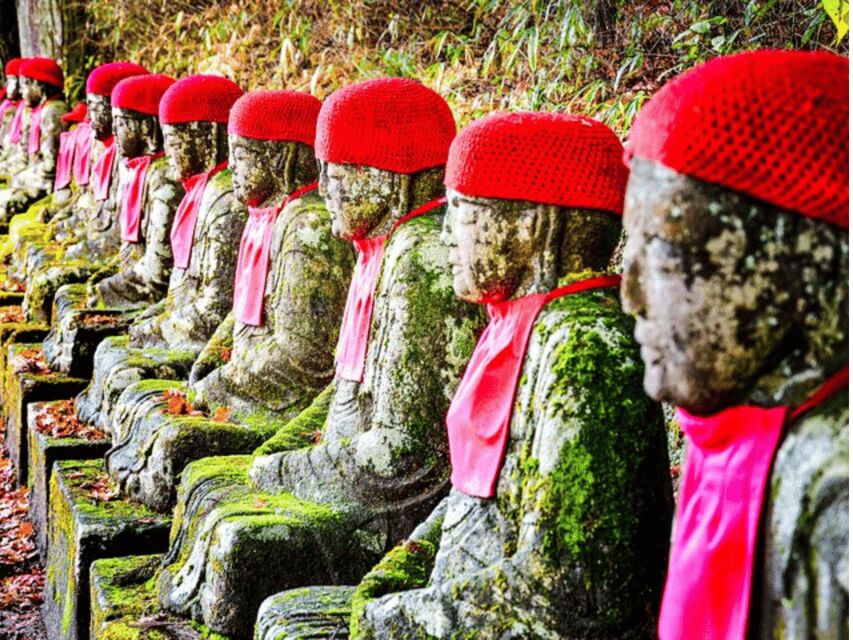
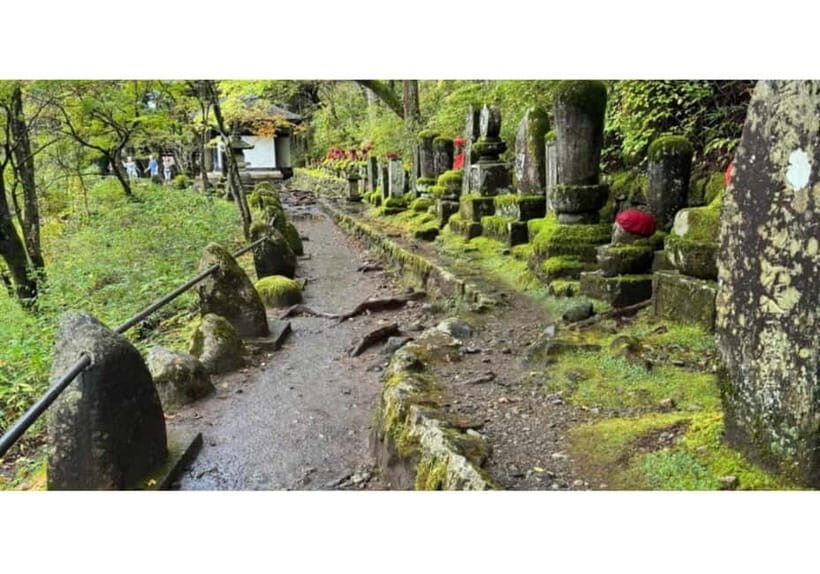
Then comes Narabi Jizō, a collection of stone Jizō statues. These are made in the image of Jizō Bosatsu, seen as a guardian of children and travelers. The statues are also associated with the idea of protection and longevity—an interesting reminder that Nikko isn’t only about architecture and views. It’s also about everyday spiritual practices.
Practical tip: treat this stop like a slow pause. The walking is lighter, and you’ll enjoy it more if you let the statues “settle” before you move on.
Tamozawa Imperial Villa and Akechidaira: Culture Meets Mountain Views
Next you visit Nikkō Tamozawa Imperial Villa, a retreat built for Emperor Taishō. What I like here is the blend of eras—late Edo, Meiji, and Taishō influences in one complex. You get a sense of how power and comfort coexisted in a place like Nikko.
The gardens and building styles help you understand Nikko as more than a tourist site. It becomes a living landscape of design choices—paths, viewing angles, and spaces shaped by Japan’s seasonal rhythm.
After that, you head to Akechidaira Observation Deck. This is where the day shifts into scenery mode: views toward Kegon Falls, Lake Chuzenji, and Mt. Nantai. The deck is especially famous in autumn for fall color, but it’s still a great “big picture” stop in other seasons too.
How to enjoy Akechidaira:
- Give yourself 10 minutes without looking through your screen.
- Then go back for photos once you know where the main views land.
That small habit makes your photos better and your memory stronger.
You can also read our reviews of more historical tours in Tokyo

Kegon Falls and Lake Chūzenji: Water, Then the Sea of Happiness
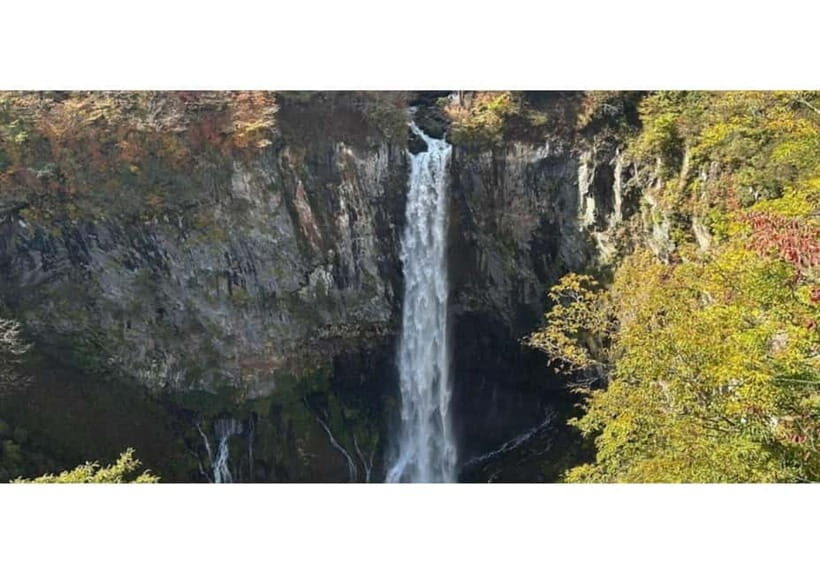
Kegon Falls sits in Nikkō National Park near Lake Chūzenji. The falls form from lava flows that rerouted the Daiya River, which is a fascinating geological detail because it reminds you the scenery has a cause, not just a look.
Historically, Kegon Falls have been known as one of Japan’s top three greatest waterfalls. In real life, the impact hits differently depending on the season, weather, and light. On a day trip, you’ll appreciate it most if you’re ready for quick-changing conditions.
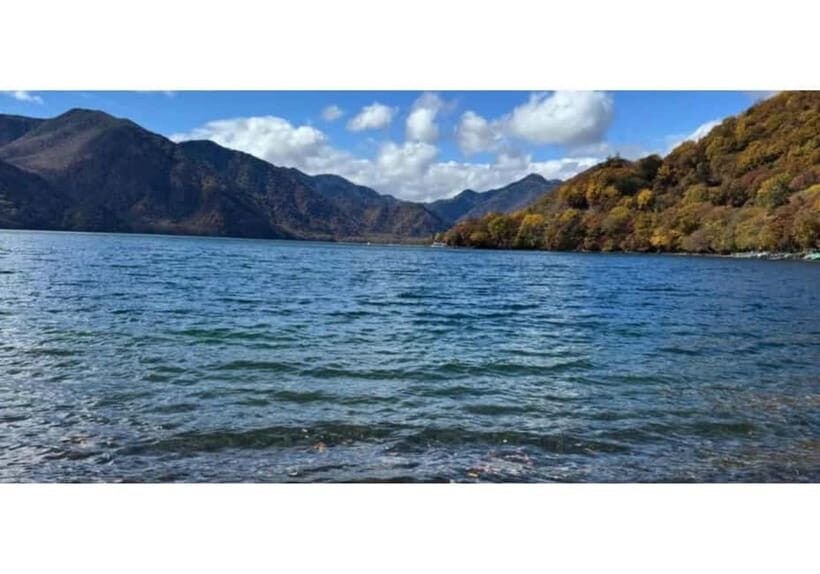
Then you end at Lake Chūzenji, which is also called the Sea of Happiness. The lake formed around 20,000 years ago after Mt. Nantai erupted and blocked the river. It’s huge enough to feel open and calm, with a “breathing room” quality that’s perfect for the last part of your day.
If you’re deciding how to spend your energy:
- Save your “slowest stroll” for Lake Chūzenji.
- Keep Toshogu for your most focused walking.
That sequencing tends to match how people feel at hour 9–11.
Edo Wonderland: Worth It, But Time Is Tight
The itinerary includes a stop at Edo Wonderland. This is one of those places where your enjoyment depends on what you actually want from it—photo ops, themed streets, shows, or simply wandering.
The scheduled time is about an hour. That’s enough to see the basics, but it can feel short if you love exploring props, sets, or show schedules. If you’re the type who wants to soak it in, plan to move quickly in your first 20 minutes, then choose your favorite zone to repeat.
The upside is that it adds variety. After shrines and natural scenery, Edo Wonderland gives you something playful and visual before the long ride back to Tokyo.
Pace, Crowds, and the Guides Who Make It Feel Effortless
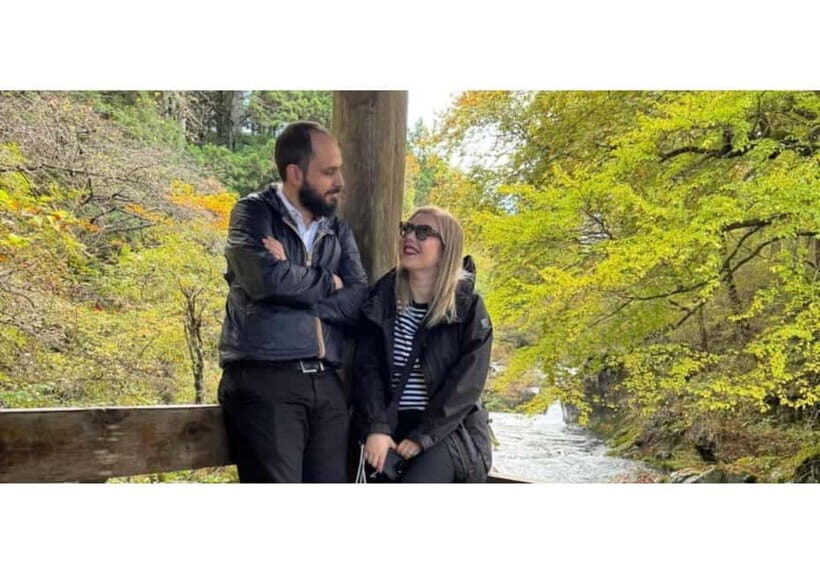
This is where private touring really pays off. The day is structured with photo stops and guided visits, but what makes it feel smooth is the timing between them—getting from one place to the next without chaos.
A few guides have been praised for things like:
- route planning that reduces traffic delays,
- knowing where to position for photos,
- adding flexibility if your group wants a different pace.
Guides you might run into include Sarfraz, Suffraz, Hamza Ali, Malik, Cheema, Waqas, and Bilal. The names change by booking, but the pattern is consistent: being communicative, staying patient, and helping you use the day well.
One small thing to remember: you’ll be walking in multiple areas. Bring comfortable shoes. If your back is sensitive, note that the tour is not suitable for people with back problems—long car time plus walking and uneven outdoor areas can be the wrong combo.
What’s Included (and What You’ll Need to Cover Yourself)
Included items make the first half of the day feel easy:
- Hotel pickup and drop-off
- Air-conditioned private transportation
- Wi‑Fi in the vehicle
- Coffee, tea, and bottled water
- Parking, fuel, and tolls
- Free picture-taking/video-making assistance if needed
Not included:
- Meals
- Any paid tickets
That means you’ll want to plan a lunch option in advance—or be ready to choose one based on what your guide recommends when you’re in the area. Your guide may suggest restaurant types, and that can save time when hunger hits.
Also bring:
- a camera
- comfortable walking shoes
Price and Value: Is $390 per Group Actually Fair?
At $390 per group up to 6, you’re not paying per person. You’re paying for convenience, time saved, and a private route.
Here’s how I’d judge value:
- If you’re 4–6 people traveling together, the cost tends to feel reasonable because you spread the vehicle/driver across the group.
- If you’re solo or a couple, it’s pricier per person than public transit. In that case, the “value” comes from avoiding delays, simplifying decisions, and getting a full day’s highlights done without stress.
Some families have said this private option can land close to the cost of public transport when you factor in time, tickets, and the hassle of coordinating transfers. Even if you don’t compare it dollar-for-dollar, this trip is built for your time to feel protected.
Who This Trip Is Best For
This private Nikko day trip is ideal if you want:
- a structured route with major highlights handled for you,
- less waiting and fewer logistical headaches,
- a comfortable, direct way to get out of Tokyo and into nature quickly.
It’s also a great fit for mixed-age groups, since you can often pace the day without arguing about who has to keep up.
It’s probably not the best match if:
- you have back issues,
- you want zero walking at outdoor stops,
- you love spending hours in museums or themed parks without time limits.
Should You Book It? My Honest Take
If you want Nikko’s icons—Toshogu, Shinkyo Bridge, Kegon Falls, and Lake Chūzenji—without turning your day into a transportation project, I think this is a smart booking. The private pickup alone saves energy, and the guided visits help you get more meaning out of each stop instead of just collecting photos.
I’d especially book this if you’re traveling as a group (up to 6) and you want comfort plus a tight, efficient route. It’s also a good move if you’re short on time in Tokyo and don’t want to spend half your day figuring out trains and bus schedules.
The only real reason not to book: if you’re sensitive to long days and prefer deep, slow wandering over a packed highlight schedule.
FAQ
What is the total length of the trip?
The tour lasts about 11 hours for the full day, including commuting time.
Where do you pick me up in Tokyo?
Pickup is provided from accommodations in Tokyo’s 23 Wards (including areas like Chuo, Chiyoda, Minato, Shibuya, Shinjuku, and others listed by the provider).
Is pickup available from the airport or port?
No. Pickup is not provided at airports or ports.
How many people are in the group?
This is a private group, so only your group participates. The tour is priced per group up to 6 people.
What languages will the driver speak?
The driver may speak English, Urdu, Japanese, Javanese, or Hindi.
What’s included in the price?
Included are hotel pickup and drop-off, a private air-conditioned vehicle, Wi‑Fi in the vehicle, coffee/tea/bottled water, and fuel/parking/toll charges. The guide can also help with picture-taking/video-making.
Are meals included?
No. Meals are not included, and paid tickets are also not included.
What should I bring?
Bring comfortable shoes and a camera.
Is the tour wheelchair accessible?
Yes, the tour is listed as wheelchair accessible.
How long will the driver wait if I’m late for pickup?
The driver will wait no longer than 60 minutes after the scheduled pickup time, and you’re asked to wait in the lobby about 10 minutes before pickup.