REVIEW · TOKYO
Mt. Fuji Heritage Tour: Traditional Villages, Lakes & Shrine
Book on GetYourGuide →Operated by TAIHOU CO,LTD · Bookable on GetYourGuide
Fuji views are the main event. This Mt. Fuji Heritage Tour strings together classic photo stops with Saiko Iyashi no Sato Nenba and Lake Kawaguchi scenery, plus shrine-and-pagoda framing you’ll recognize from postcards. You’re moving fast, but it still feels human.
I really like the focus on photo timing at each stop, from the thatched houses to the iconic pagoda view. I also like how the day follows the seasons at Lake Kawaguchi, swapping in the Maple Corridor when fall peaks.
One consideration: it’s a long shared-bus day and lunch isn’t included, and Mt. Fuji can be shy if clouds roll in.
In This Review
- Key highlights worth planning for
- A 10-hour Fuji circuit that works even when the weather is mixed
- Tokyo pickup, shared bus pace, and why timing matters
- Saiko Iyashi no Sato Nenba: thatched houses, Fuji backdrops, and snack fuel
- Lake Kawaguchi stops: Oishi Park in the warm months and Maple Corridor in peak fall
- Arakurayama Sengen Park and the Chureito Pagoda: the iconic Fuji frame
- Lunch break strategy: plan for food costs you control
- Oshino Hakkai: eight spring ponds and a slower finish
- Practical tips that make the day smoother
- Who should book this Mt. Fuji Heritage Tour
- Should you book it
- FAQ
- FAQ
- Is lunch included on this tour?
- How long is the tour?
- Where does the tour start and end?
- What is included in the price?
- What is not included?
- What language is the tour guide?
- What should I bring?
- Can I use credit cards everywhere?
- When is the Maple Corridor peak season?
- Is Mt. Fuji guaranteed to be visible?
- Is this tour suitable for wheelchair users?
Key highlights worth planning for
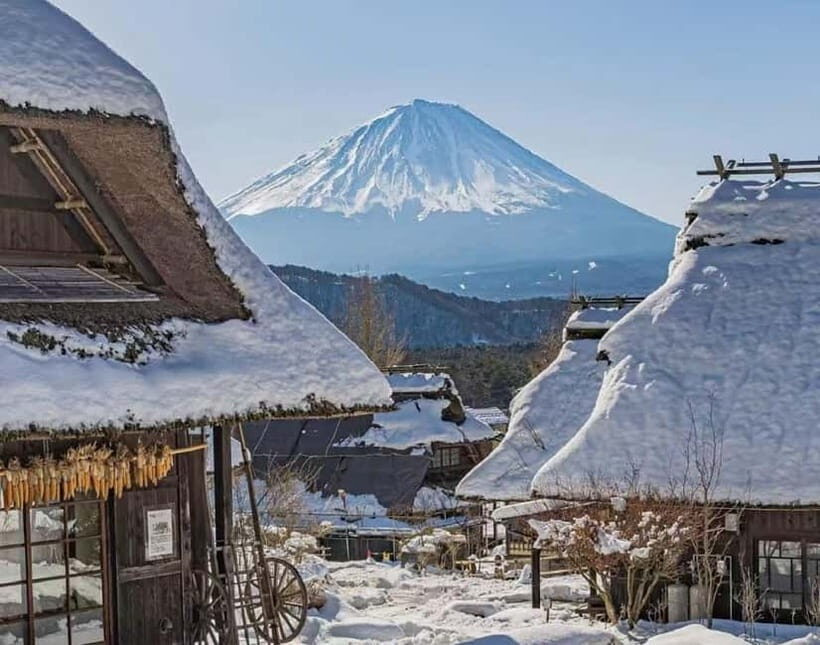
- Saiko Iyashi no Sato Nenba: thatched-roof village with Mt. Fuji backdrops and quick snack access
- Oishi Park vs Maple Corridor: seasonal color shows, with an autumn date switch (Oct 26–Nov 20)
- Arakurayama Sengen Park + Chureito Pagoda: the famous Fuji framing view, plus steps for a better angle
- Oshino Hakkai: eight spring ponds fed by Mt. Fuji meltwater, ideal for calm reflections
- Cash-friendly stops: credit cards may not work everywhere, so plan ahead
A 10-hour Fuji circuit that works even when the weather is mixed
Mt. Fuji is a weather-dependent star. This tour is built around that reality: you get several chances to see the mountain from different viewpoints, instead of betting everything on one location. That’s the core value here—you’re not just visiting “spots,” you’re stacking photo opportunities across the Fuji area.
The day runs about 10 hours with a big chunk of road time. You start in Tokyo (one common meeting option is Tokyo MODE學園 in Marunouchi) and you return to Tokyo at the end. The ride time matters because your best memories will depend on how you handle the long bus stretches: bring water, wear comfortable shoes, and keep your camera ready.
You can also read our reviews of more historical tours in Tokyo
Tokyo pickup, shared bus pace, and why timing matters
You’ll meet at one of two designated meeting points and board a coach for the ride out to the Fuji region. The day is organized with clear stop-and-go timing between sights, so it doesn’t feel like an endless drive with random detours.
A practical plus: the tour guide is there to keep the group together and to set expectations before you arrive at each location. In good weather, you’ll get the clean “Fuji postcard” look. In cloudy weather, you’ll still get the villages, parks, shrines, and ponds—the tour isn’t only about the mountain showing itself.
One logistics note you should respect: arrive at the meeting point about 15 minutes early. Late arrivals aren’t refunded, and Japan’s traffic can already stretch return times on weekends and holidays. If your schedule outside the tour is tight, leave breathing room.
Saiko Iyashi no Sato Nenba: thatched houses, Fuji backdrops, and snack fuel
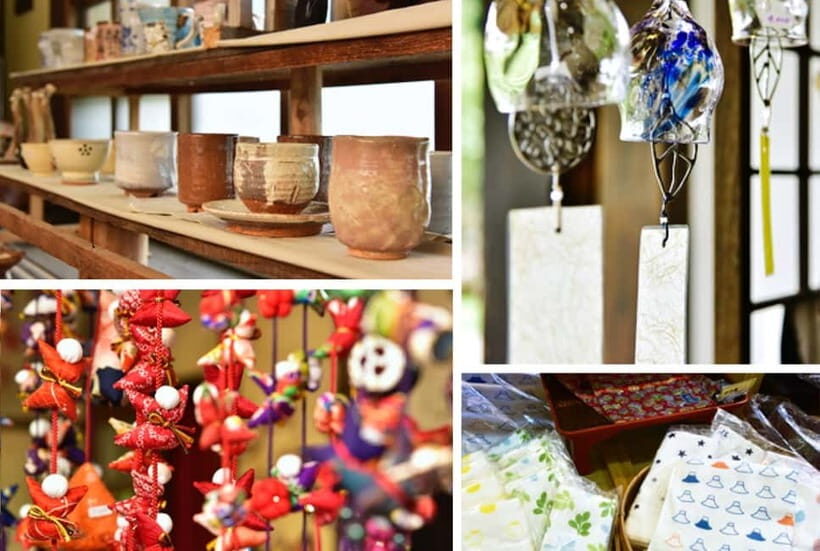
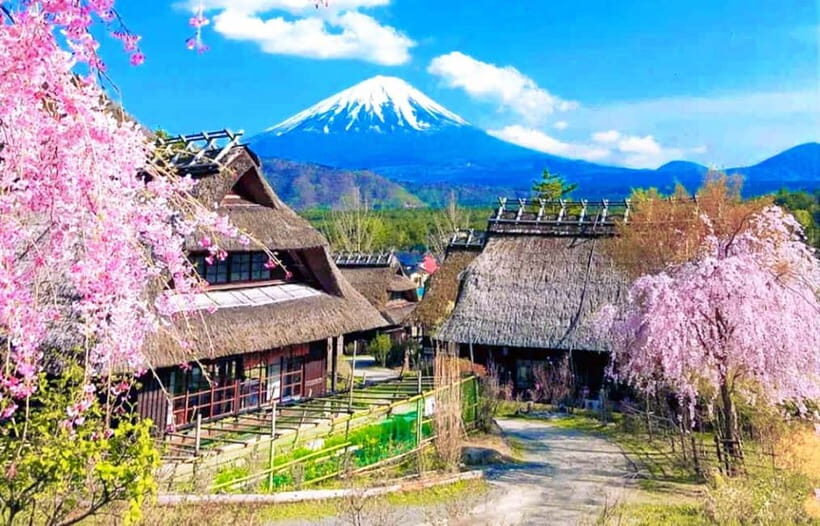
This is where the day starts feeling like Japan, not just photos. Saiko Iyashi no Sato Nenba is a traditional thatched village, and the whole point is the visual contrast: rustic homes in the foreground with Mt. Fuji in the background when conditions allow.
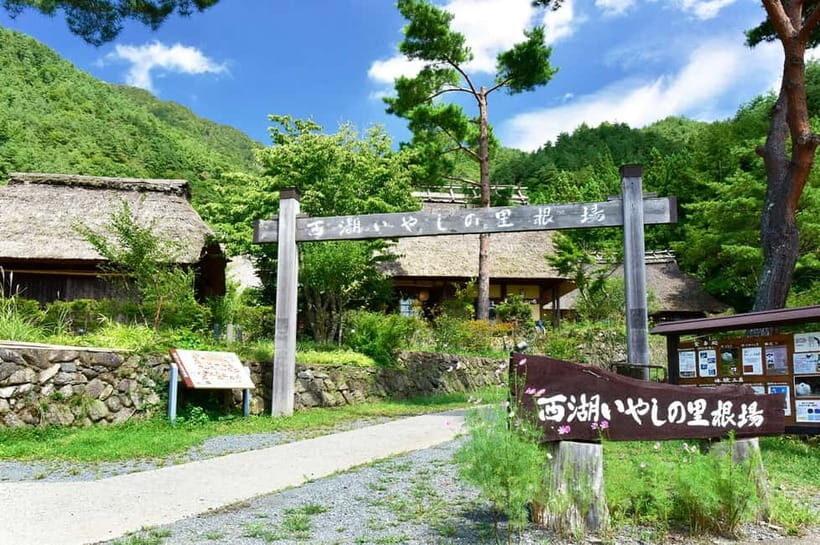
You’ll get admission included and a guided look during the stop (about an hour total for this part). That guided time is useful because it helps you move through the village efficiently and understand what you’re seeing, instead of wandering for answers.
Two extra details make this stop fun:
- There are Japanese street snacks right at the village entrance, so you can grab something small before you leave.
- You can rent a ninja costume for extra cost if you want a silly-photo moment. It’s the kind of optional add-on that doesn’t change the tour, but it can make your photos more playful.
If you care about photography, this is also the place to set your rhythm for the rest of the day. Find a good angle, shoot your “standard view,” then wander for the slightly off-center shots that look more personal.
Lake Kawaguchi stops: Oishi Park in the warm months and Maple Corridor in peak fall
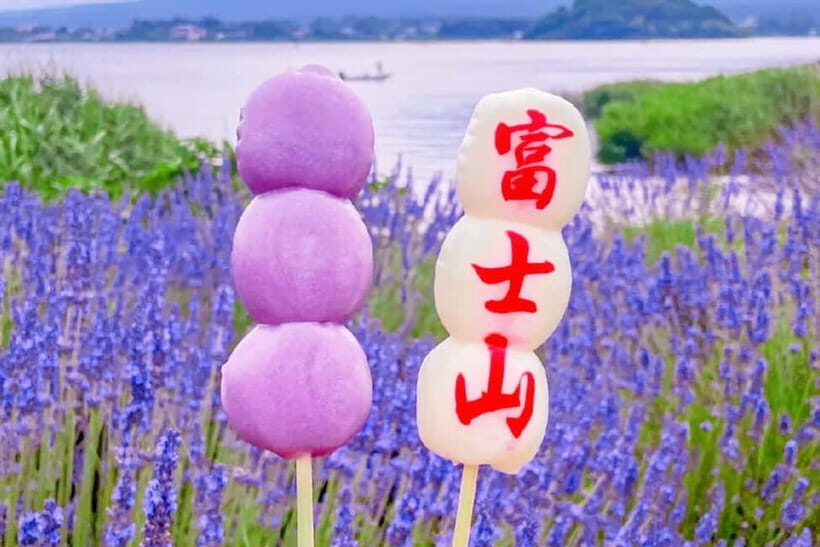
Once you’re around Lake Kawaguchi, the tour shifts from village charm to scenery parks. The big idea is seasonal color. This matters because Lake Kawaguchi is famous for how quickly the scenery changes through the year.
Oishi Park is the summer-to-early-fall option, where you can see lavender fields in summer and broom grass in autumn. The key word for planning is timing: you’re there for a specific seasonal effect, not a “generic view.”
Then there’s the Maple Corridor. In peak autumn, especially from Oct 26 to Nov 20, the tour recommendation changes because the Maple Corridor is the star and Oishi Park may be skipped during that period. The reason is simple: if the goal is fall color framing Fuji, this is where the payoff usually happens.
If you’re trying to maximize your chances for a dramatic Fuji view, arrive mentally ready to shoot quickly. These stops are scenic, but they aren’t huge time bubbles. You’ll want to get your first good shots early, then relax for the second pass when you know where the best sight lines are.
Arakurayama Sengen Park and the Chureito Pagoda: the iconic Fuji frame
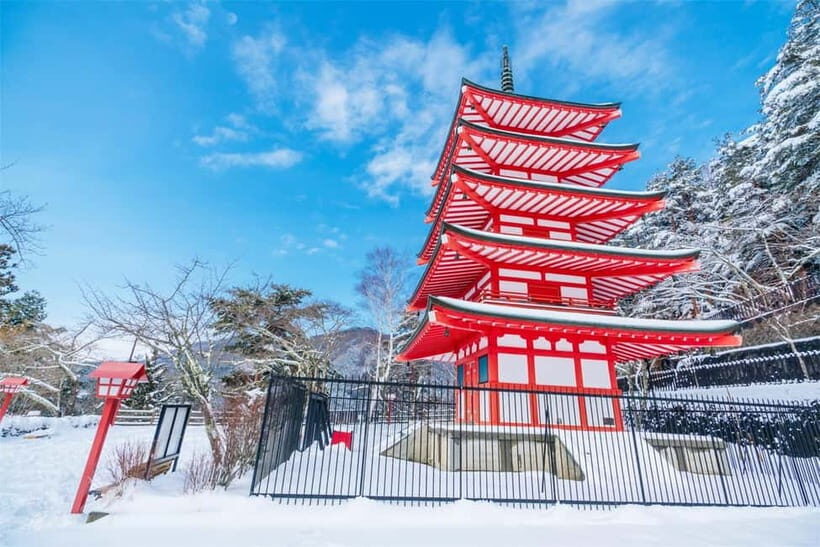
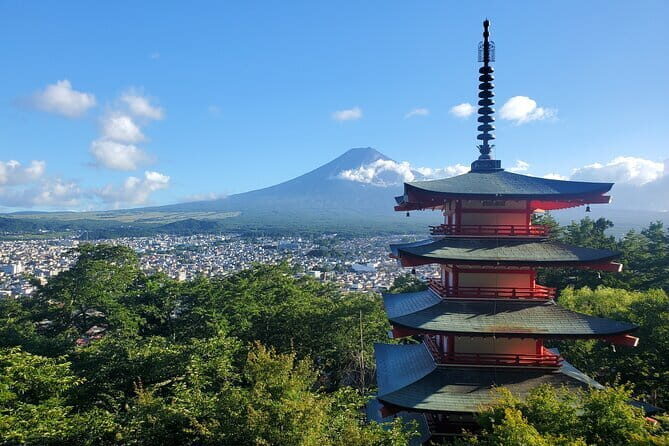
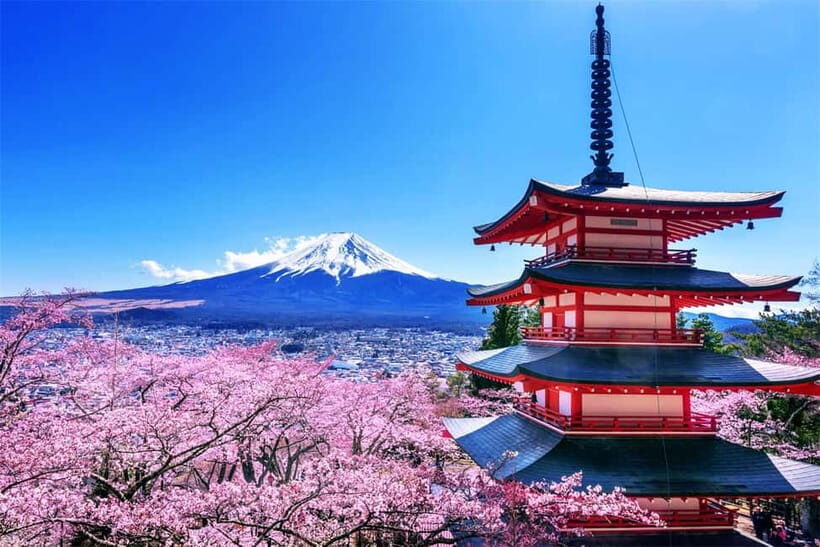
This is the world-famous part of the tour. Arakurayama Sengen Park (and the nearby Arakura Fuji Sengen Shrine area) is built for one thing: getting you to a vantage point where Mt. Fuji appears behind the pagoda.
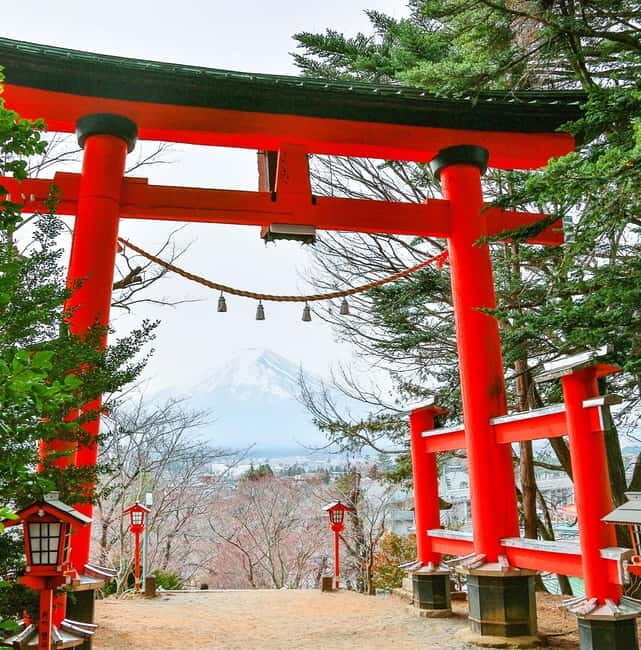
You’ll spend about 40 minutes at the park area, then continue with shorter shrine and photo time nearby. The famous Chureito Pagoda view is the quick target, but don’t skip the walk and steps. The higher you go, the more likely you are to get the clean framing.
Here’s a practical tip if you want a goshuin (a shrine stamp/booklet): plan for a wait. It’s smart to hand your goshuin book over before climbing if you’re trying to do it that day, since the waiting time can eat into your top-of-the-view window.
Also, this stop is a good “human check” for the day. If Fuji is visible here, it often bodes well for the other viewpoints. If it’s hidden, at least you’ll still leave with the shrine experience and the pagoda photos at whatever level of visibility you get.





Lunch break strategy: plan for food costs you control
Lunch is not included. The tour includes a break time at a local restaurant area (about 40 minutes), but you’ll be paying your own way.
This is why bringing a little cash helps even if you think you’ll skip snacks. Some places on the route may not take credit cards, and souvenir shops operate independently at each attraction (so don’t assume the tour payment method works the same everywhere).
My advice: decide your lunch approach before you’re standing hungry and stressed.
- If you like flexibility, buy lunch at the restaurant break.
- If you want predictable timing, bring something simple to eat so you can snack quickly while keeping your photos on schedule.
- If your guide suggests a place, follow the suggestion for easiest logistics.
The best tour days feel calm. Food planning is how you prevent the “hangry minutes” spiral.
Oshino Hakkai: eight spring ponds and a slower finish
The final cultural nature stop is Oshino Hakkai, a set of eight spring ponds fed by Mt. Fuji meltwater. The vibe here is different from the pagoda viewpoint. It’s quieter, more reflective, and great for photos that aren’t trying to shout.
You’ll have about 70 minutes here, giving you time to walk around, find reflections, and enjoy the calm. This stop is also a nice “reset” after a day of steps, crowds of camera users, and moving between locations.
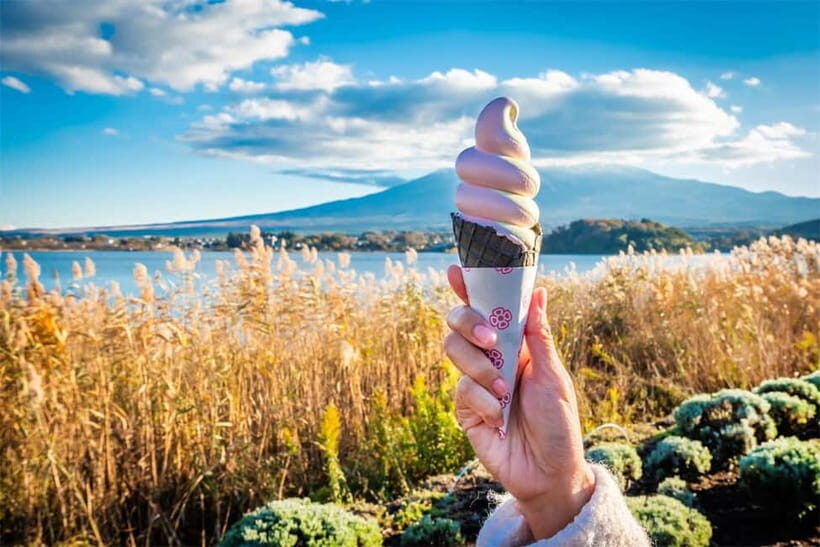
There are local treats nearby too—rice crackers and wasabi ice cream are specifically mentioned as things you can try. If you want a small food souvenir that doesn’t require suitcase space, this is the type of place to do it.
When Fuji is visible, you’ll often get softer reflections. When it isn’t, Oshino Hakkai still works because the ponds and water surfaces are their own attraction.
Practical tips that make the day smoother
A few details can make or break your experience with a structured day trip like this.
Bring comfortable shoes and water. You’ll be walking enough to notice it, especially around the shrine area with steps.
Bring cash. Credit cards may not work at certain locations, and you’ll likely want snacks and small purchases along the way.
Check the weather forecast. Mt. Fuji views can be blocked by cloud. The tour can’t control that, but you can at least plan your expectations and photography strategy.
Souvenir shopping is independent. Shops at each stop aren’t connected to the tour, so hours and payment options can vary.
Who should book this Mt. Fuji Heritage Tour
This tour is a great fit if you want a straightforward way to see the main Fuji-area highlights in one day without figuring out bus transfers and timing yourself. It’s also a good choice if you like structured photo stops, because the route is built around recognizable viewpoints.
It may not fit you if you’re depending on wheelchair access. This tour isn’t suitable for wheelchair users.
It’s also best for people who can handle a long day. The total time includes substantial bus travel, and weekend/holiday traffic can push return times later.
Should you book it
If your goal is the classic Fuji checklist—a traditional thatched village, Lake Kawaguchi parks, the Chureito Pagoda framing, and Oshino Hakkai ponds—this tour is good value at $50 per person because the main “work” is handled for you: transport logistics, a guide, and admission to Saiko Iyashi no Sato Nenba.
If you hate structured schedules or you want a slow, independent day with lots of extra time at fewer places, you might feel rushed. And if you’re traveling strictly for the mountain itself, remember: weather decides what you’ll see.
FAQ
FAQ
Is lunch included on this tour?
No. Lunch is not included. You can bring something to eat, buy lunch at the attractions, or choose to eat at a restaurant suggested by the guide.
How long is the tour?
The duration is 10 hours.
Where does the tour start and end?
Pickup and drop-off happen at two designated meeting points. One commonly listed pickup location is Tokyo MODE學園 in Marunouchi, and drop-off is also at Tokyo MODE學園.
What is included in the price?
Included items are admission to Saiko Iyashi no Sato Nenba, a tour guide, the driver, pickup and drop-off, and the parking fee.
What is not included?
Personal expenses are not included. Lunch is also not included.
What language is the tour guide?
The live tour guide can speak English, Japanese, and Traditional Chinese.
What should I bring?
Bring comfortable shoes, water, and cash.
Can I use credit cards everywhere?
Credit cards may not be accepted at certain locations, so cash is recommended.
When is the Maple Corridor peak season?
Peak autumn foliage at the Maple Corridor is from Oct 26 to Nov 20. During this time, the tour may not go to Oishi Park.
Is Mt. Fuji guaranteed to be visible?
No. Weather conditions can prevent a clear view, so check the forecast before you go.
Is this tour suitable for wheelchair users?
No. It is not suitable for wheelchair users.