REVIEW · TOKYO
Casual Japanese sake tasting and snack experience, Kabukicho
Book on GetYourGuide →Operated by Bancre Inc. · Bookable on GetYourGuide
Eight pours, one clear lesson about sake. In Kabukicho, I like that you can do side-by-side comparisons of 8 carefully selected sake types, instead of just taking a few sips and hoping it sticks. I also love the way the tasting is paired with traditional Japanese snacks, so you taste the sake and see how food shifts the flavors. One consideration: the experience happens on the 2nd floor of a bar and there’s no elevator, so it’s not wheelchair accessible.
This is a friendly session even if you’re new to sake. You’ll be in a small group limited to 6, and the guide is listed as English and Japanese (a translator machine may be used if some staff have limited English). At $38 per person for a guided sampling with snacks and dessert, it’s a solid way to get value without doing a whole day of bar-hopping.
In This Review
- Quick highlights
- Kabukicho Sake Tasting: the real point isn’t drinking more
- Finding the meeting spot near Shinjuku Station (and why the sign matters)
- How the 8-sake tasting usually flows: from easy to learn to fun to remember
- Why the alcohol step-by-step makes sense for first-timers
- Snack pairings: the fastest way to understand Japanese taste balance
- Cold, hot, and cocktail-style pours: how service changes flavor
- Group size, guide help, and the language reality
- Price and value: $38 isn’t just a drink ticket
- Who this Kabukicho sake tasting is best for
- What to do before and after so you enjoy the flight
- Should you book the Kabukicho sake tasting?
- FAQ
- What is the meeting point?
- Where is it located?
- How long is the experience?
- How many people are in the group?
- What does the price include?
- Is it good for first-time sake drinkers?
- What languages are offered?
- Is it wheelchair accessible?
- Is it suitable for everyone age-wise and for pregnancy?
Quick highlights
- 8 types of sake to compare in a casual, easy format
- Start with lower alcohol so you can learn the differences without overwhelm
- Snack pairings that change what you taste in a good way
- Served in different styles (you may try cold, hot, and even a cocktail-style pour)
- Amazake as dessert to end on something sweet
- Just 5 minutes from Shinjuku Station along Kabukicho Central Road, near Karaoke 747
Kabukicho Sake Tasting: the real point isn’t drinking more
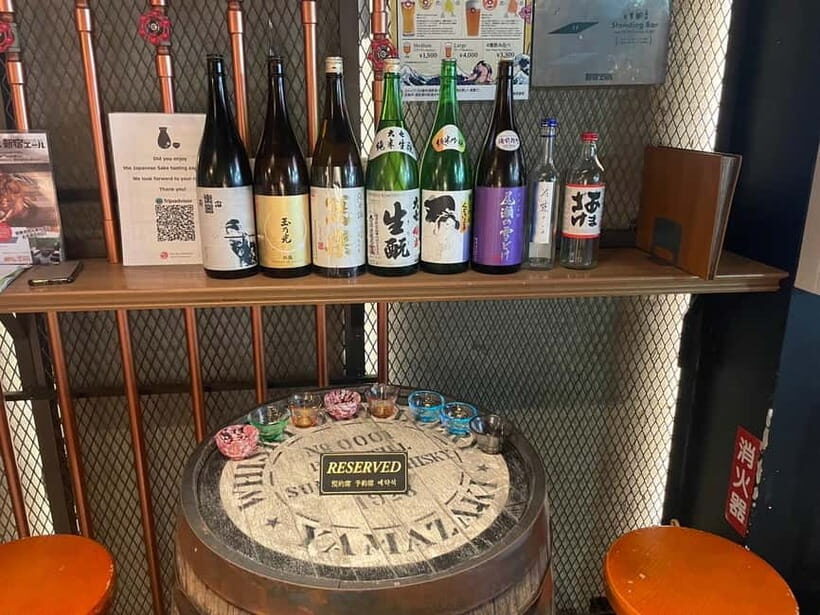
Kabukicho can feel like sensory overload when you first arrive. Neon, crowds, late-night energy. What I like about this sake experience is that it gives you structure. You’re not wandering through a bar maze trying to figure out what to order. You’re guided through a set of tastings meant to teach you how sake differs—and how food makes those differences easier to notice.
The standout format is comparison. Instead of one random pour, you’ll taste multiple varieties and learn what changes when you go from lower to higher alcohol levels (the average sake alcohol content is around 15–16%). That progression matters. When you’re new, high-alcohol pours can feel harsh. Starting calmer helps your palate catch the details.
And because it’s paired with traditional Japanese snacks, you get a practical lesson in pairing. Some sakes taste sweeter or more rounded with the right bite. Others feel sharper until you try them with something salty or savory. You finish thinking, Okay, I understand why this works—not just, That was tasty.
You can also read our reviews of more food & drink experiences in Tokyo

Finding the meeting spot near Shinjuku Station (and why the sign matters)
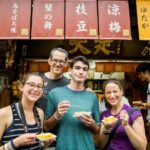
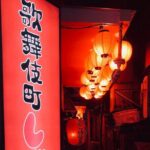
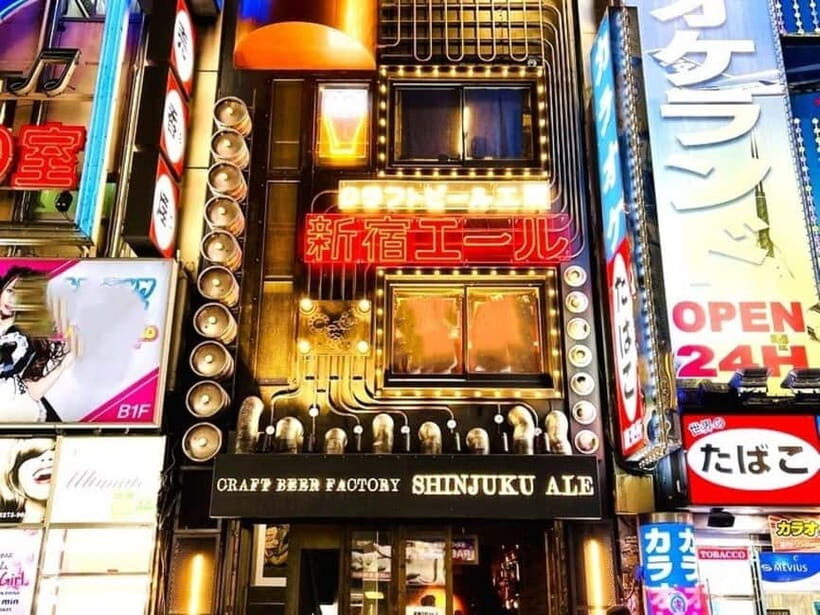
Your meeting point is about a 5-minute walk from Shinjuku Station on the JR Yamanote Line. From there, walk along Kabukicho Central Road toward TOHO Cinemas. You’re looking for Shinjuku Ale next to Karaoke 747 on your right.
A quick reality check: a review noted the event location sign could be easier to spot. So don’t treat the meeting spot like a mystery game. Walk with purpose, and if you’re unsure, double-check the corner near Karaoke 747 and TOHO Cinemas direction before you commit.
Google Plus Code for the area is MPV2+VR. Once you arrive, remember this is a bar setting and the activity is on the 2nd floor. Even if you’re totally fine with stairs, plan a little time for the building part.
How the 8-sake tasting usually flows: from easy to learn to fun to remember
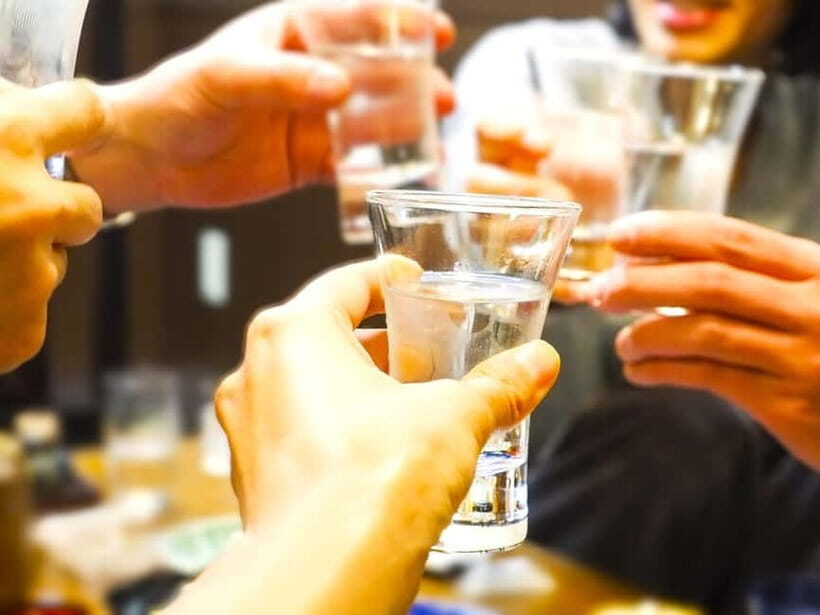
The experience is designed around a simple path: learn basics, compare carefully selected sake, then wrap up with dessert.
You’ll start with some context about sake as an alcoholic beverage, including the fact that sake alcohol content varies. The info provided says the average is 15–16%, and some bottles are lower while others are higher. That doesn’t sound like much on paper, but in your glass it changes texture, heat, and how quickly flavors roll out.
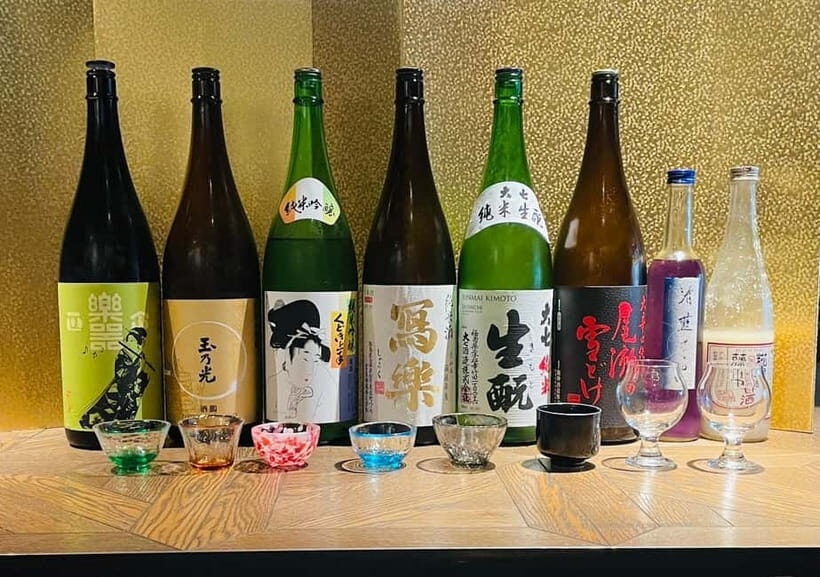
From there, the tasting moves through 8 carefully selected varieties. The goal is comparison, so expect the guide to encourage you to focus on specific differences rather than only rating what you liked. This is especially helpful if it’s your first time tasting sake, because you’ll stop relying on guesswork like Fruity means good or Dry means bad. You’ll start noticing things like finish length and how the sip behaves with food.
One review specifically mentioned you might try a mix of cold, hot, and even a cocktail-style presentation. That’s a big deal if you only think sake is served one way. Tasting in different styles helps you learn that sake flavor can shift with temperature and how it’s prepared. It also makes the session feel more varied and less repetitive.
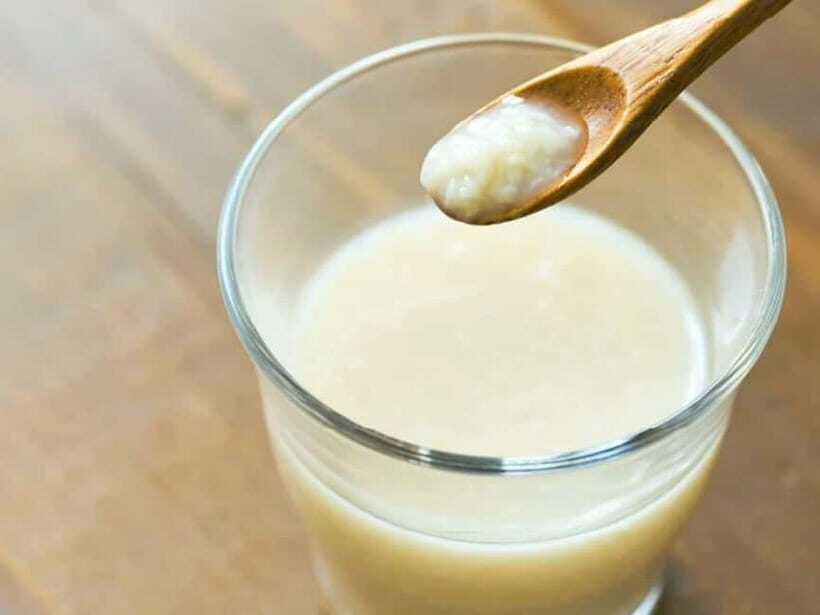
Finally, the experience ends with amazake as dessert. Amazake is a sweet, fermented rice drink made from rice malt. If the sake portion leans dry or complex, the amazake gives your palate a reset and helps you leave with a clearer overall memory of the tasting flight.
Why the alcohol step-by-step makes sense for first-timers
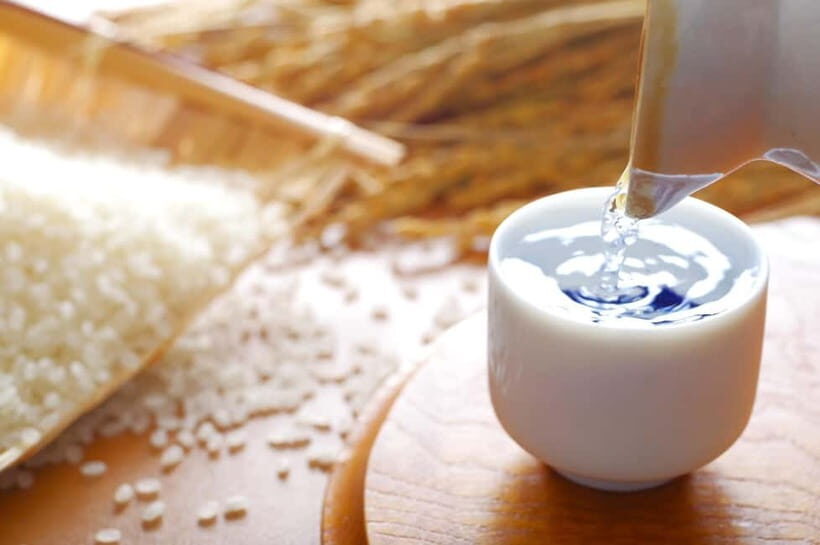
If you’ve ever tasted alcohol and felt like your mouth went numb, you already understand why the order matters. This experience starts you with lower alcohol sake, then moves toward higher. The average is roughly 15–16%, but the point isn’t the exact percentage. The point is your palate’s comfort and your ability to compare.
Starting lower alcohol means:
- fewer harsh, burn-like sensations
- more time to detect aroma and subtle sweetness
- a clearer contrast when something stronger comes next
It also makes it easier to decide what you actually like. When you jump straight into high-ABV pours, you can end up liking the strength rather than the flavor. Here, the progression supports learning.
Snack pairings: the fastest way to understand Japanese taste balance
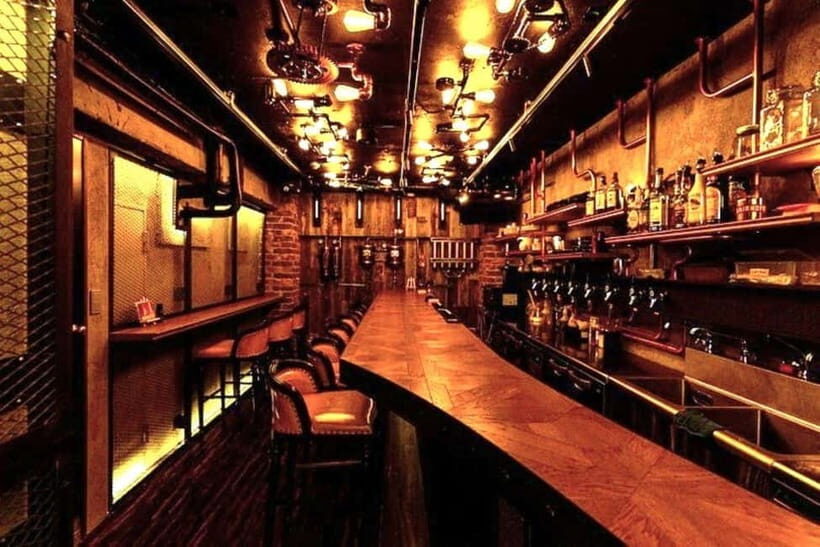
Sake is only half the story. The other half is what you eat between sips. The tasting includes traditional Japanese snacks, and the pairing is part of how the flavors “click.”
Here’s what you should pay attention to while you snack:
- When a sip suddenly feels smoother after a bite, that’s pairing working.
- When the same sip tastes sharper after a different snack, that’s also pairing working.
- If you keep a steady rhythm—sip, bite, sip—you’ll make comparisons naturally without overthinking.
The practical value is this: once you understand pairings, you can order sake later with confidence. You won’t just say, This one is nice. You’ll have a mental map of which styles work with savory snacks, which ones feel better with something salty, and what to choose if you want sweetness.
And yes, the snacks make the whole thing feel like an evening in Japan, not a lecture.
You can also read our reviews of more drinking tours in Tokyo

Cold, hot, and cocktail-style pours: how service changes flavor
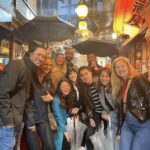
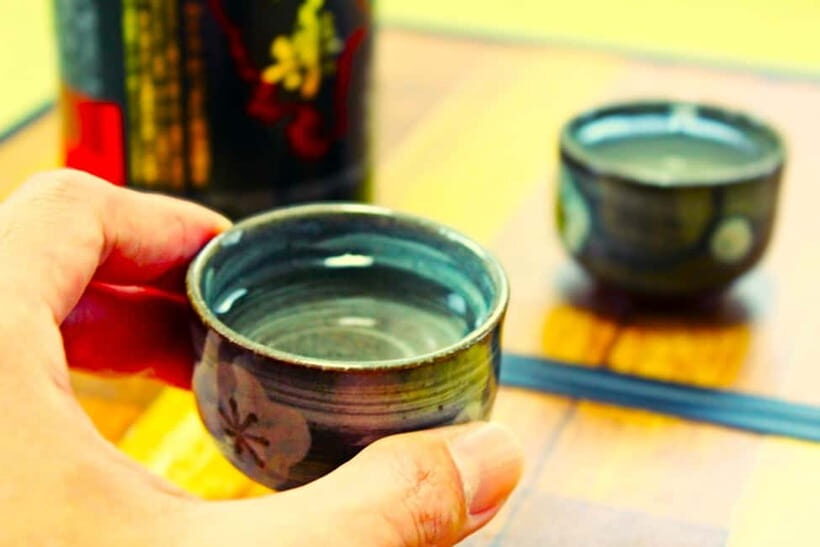
You might see different serving styles across the 8 tastings. One review mentioned a mix of cold, hot, and cocktail-style pours. If that matches your session, take advantage of it.
Temperature changes aroma and perceived sweetness. Hot sake can feel rounder and more comforting, while cold sake often highlights crispness. A cocktail-style presentation (if included in your group’s flight) shows that sake can play well with mix-like flavors rather than only acting like a straight spirit.
Even if you don’t become a sake expert by the end, you’ll leave with a useful takeaway: sake isn’t one fixed taste. It’s flexible, and service choices shape what you experience.
Group size, guide help, and the language reality
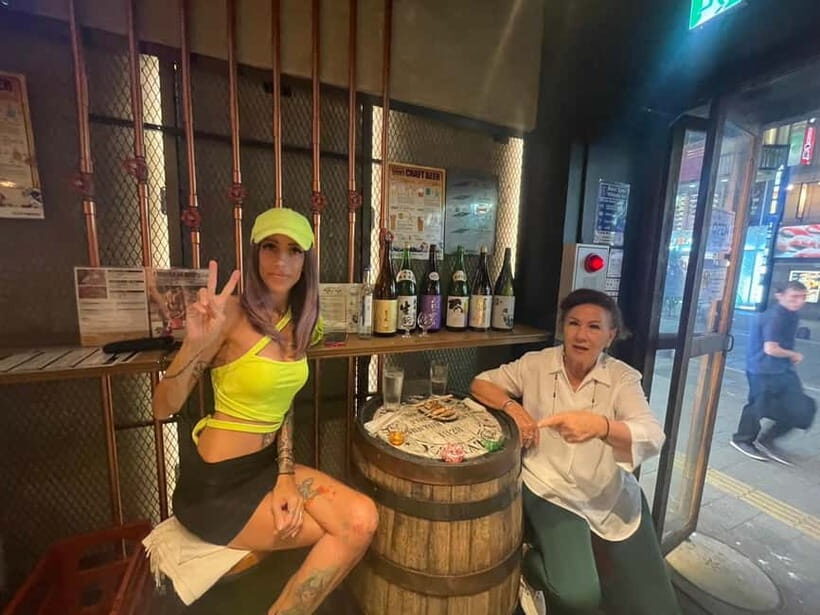
This is a small group limited to 6 participants. That matters more than it sounds. In a larger group, you spend time waiting. In a small one, you can ask questions and actually get answers that fit your taste.
Guides are listed as English and Japanese. Still, one practical note is included: some staff may not be strong in English, and a translator machine may be used. That’s normal for Japan-based small operators. For you, it just means you’ll get clearer explanations if you speak simply and ask direct questions. You’ll get farther asking what a style is like than trying to describe complex tasting notes on the fly.
One review mentioned a guide named Mai and described the staff as friendly and welcoming. That’s the kind of vibe you should look for—casual, supportive, and focused on helping you compare without pressure.
Price and value: $38 isn’t just a drink ticket
At $38 per person, you’re paying for more than a few sips. The info says all fees and taxes are included. You’re getting:
- 8 types of drinks to taste
- snack pairings included in the experience
- amazake as dessert
- a guide-led comparison approach
- a small-group format (max 6)
If you think of it as a tasting flight, it’s easier to judge value. You’re essentially paying for the teaching and the organized sampling, not just alcohol. In a city like Tokyo, where you can easily drop money on single drinks and snacks one by one, a guided flight with pairing tends to be better value—especially for your first sake experience.
Not included is also clearly listed: additional meals and drinks, transport to the meeting place, and hotel pick-up/drop-off. So you’ll want to plan to eat on your own before or after if you get hungry. But for the sake session itself, it’s a pretty direct package.
Who this Kabukicho sake tasting is best for
This experience is a smart fit if:
- you like trying local drinks and want a real introduction to sake
- you’re new and want comparisons that feel manageable
- you enjoy food pairings and want to learn what makes them work
- you’d rather do a short guided activity than spend a long evening figuring things out
It’s also well matched to solo travelers because the small group keeps it social but not chaotic.
It’s not suitable for:
- people under 20
- pregnant women
- anyone who needs wheelchair access (no elevator)
If you already know a lot about sake, you may still enjoy it for the structured comparison and the pairing element. If you want advanced brewing details, you might find it more approachable than technical.
What to do before and after so you enjoy the flight
Because you’re tasting 8 types plus snacks and amazake, treat the session like a meal-adjacent event.
Before you go:
- Eat something light earlier if you tend to get tipsy quickly.
- Drink water so you can taste clearly through the progression.
After you finish:
- Kabukicho is close to Shinjuku Station, so it’s easy to continue your evening elsewhere.
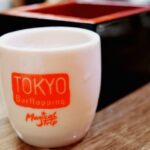
- If you want a souvenir, a review noted that people purchased a glass as a souvenir. If that option exists during your date, it can be a fun way to remember what you liked.
Should you book the Kabukicho sake tasting?
Book it if you want an easy entry into Japanese sake with the right support: a small group, guided comparisons, and snack pairings that help you taste the differences instead of guessing.
Skip it if:
- stairs are a problem for you (2nd floor, no elevator)
- you’re looking for a totally technical, brewing-focused class
- you don’t want to be in a bar setting in Kabukicho
For most visitors, this is one of those short Tokyo experiences that gives you more than a drink. You leave with a clearer palate and a better sense of what sake style you actually enjoy.
FAQ
What is the meeting point?
The meeting point is about 5 minutes on foot from Shinjuku Station on the JR Yamanote Line. Walk along Kabukicho Central Road toward TOHO Cinemas, and look for Shinjuku Ale next to Karaoke 747 on your right.
Where is it located?
It’s in the Kabukicho area of Shinjuku, Tokyo. The Google Plus Code given is MPV2+VR Shinjuku City, Tokyo.
How long is the experience?
It’s listed as a 1-day experience, with starting times depending on availability.
How many people are in the group?
The group is small and limited to 6 participants.
What does the price include?
All fees and taxes are included. The experience includes the sake tastings, snacks, and amazake dessert as described.
Is it good for first-time sake drinkers?
Yes. The experience is described as enjoyable even if it’s your first time drinking sake, and it starts by tasting sake with lower alcohol content.
What languages are offered?
The instructor is listed as English and Japanese. If some staff have limited English, a translator machine may be used.
Is it wheelchair accessible?
No. It is not wheelchair accessible because there is no elevator.
Is it suitable for everyone age-wise and for pregnancy?
No. It is not suitable for people under 20 years old or for pregnant women.