REVIEW · TOKYO
Tokyo: Sumo Morning Practice with journalists. Not fake show
Book on GetYourGuide →Operated by Japan Shine Tour · Bookable on GetYourGuide
Sumo, without the tourist script. This Tokyo experience gets you special permission to watch real morning practice at Takasago-beya, explained by a sumo specialist and national newspaper journalist. I especially like the ritual + technique focus, and you get the kind of Q&A that turns random sumo clips into a sport you can actually read.
One thing to factor in: you’ll be sitting on the floor, and the stable setup is traditional. If you want stadium-style comfort, this isn’t that.
In This Review
- Key Things to Know Before You Go
- Real Sumo Morning Practice in Ryogoku: what makes it worth $103
- Timing and meeting point: the day runs tight, so start ready
- Takasago-beya Sumo Stable: 2 hours of rituals and work you can actually see
- Floor seating and quiet rules
- What you’ll notice once the guide points it out
- Photo moment: cameras are welcome, but rules are strict
- The journalist-style Q&A: ask anything about ranking, routine, and etiquette
- Ryōgoku Edo NORen: the 30-minute context stop that helps it all click
- Price and value: why this cost is about access, not just talking
- Who should book this tour (and who should skip)
- Practical tips so you enjoy it instead of just tolerating it
- Should you book this Tokyo sumo morning practice with journalists?
- FAQ
- How long is the Tokyo Sumo Morning Practice tour?
- Where do I meet for the tour?
- What’s included in the tour?
- Is flash photography allowed during the practice?
- Is food provided or allowed?
- What should I bring?
- What should I wear during the practice?
- Are shoes allowed indoors at the stable?
- Is the tour wheelchair accessible?
- How much does the tour cost?
Key Things to Know Before You Go
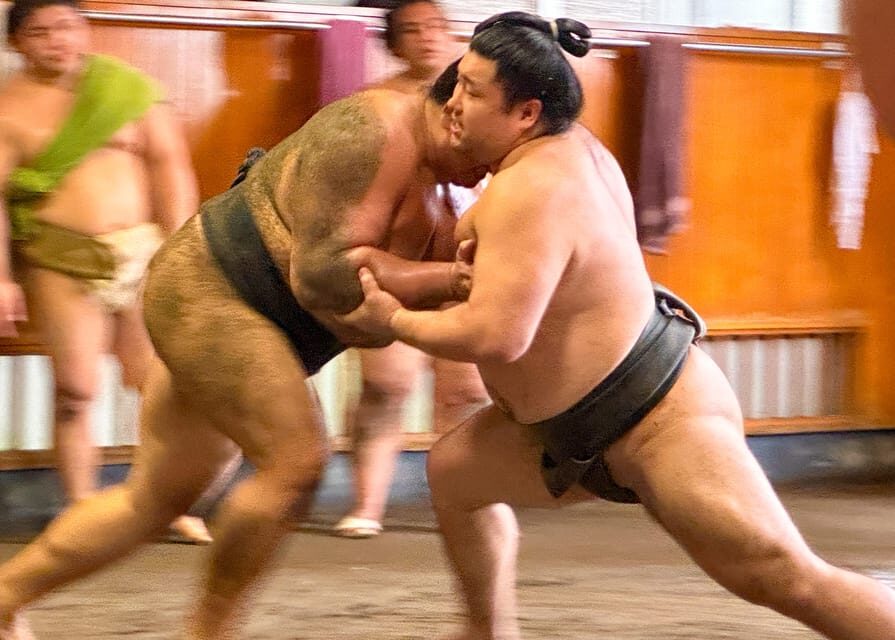
- Special-permission stable access: you’re not watching a staged show
- Morning practice, not just highlights: you see how training actually works
- English guidance from a national journalist: history, rules, and daily life in plain language
- Flash-free photo time: bring a camera and follow the rules closely
- Ryogoku context stop: a short guided add-on that helps the day click into place
Real Sumo Morning Practice in Ryogoku: what makes it worth $103
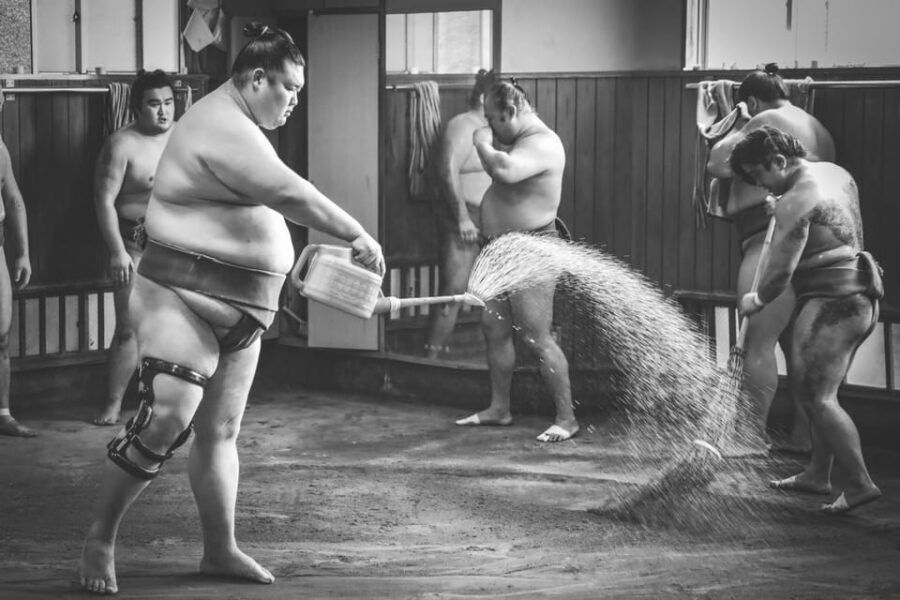
Tokyo has plenty of sumo-themed tours, but this one is built around the real thing: a sumo stable morning practice, attended with special permission. That difference matters because sumo is more than the match moment. The discipline you notice during training is the same discipline you’re later watching on TV, just in its quieter, grittier form.
The other big win is the guide’s angle. You’re not getting a generic talk; you’re getting an English-speaking guide who’s also a national newspaper journalist and sumo specialist. That background shows in how they explain hierarchy, routine, and why certain rituals matter. You’ll come away understanding what you’re looking at, not just admiring it from a distance.
The third reason I think the price makes sense is simple: stable access usually isn’t easy, and permission isn’t cheap. If you’ve tried to get tournament tickets in Tokyo, you already know how much hoops you may need to jump through. This tour offers a different path—daily training instead of match-day only.
A few more Tokyo tours and experiences worth a look
Timing and meeting point: the day runs tight, so start ready
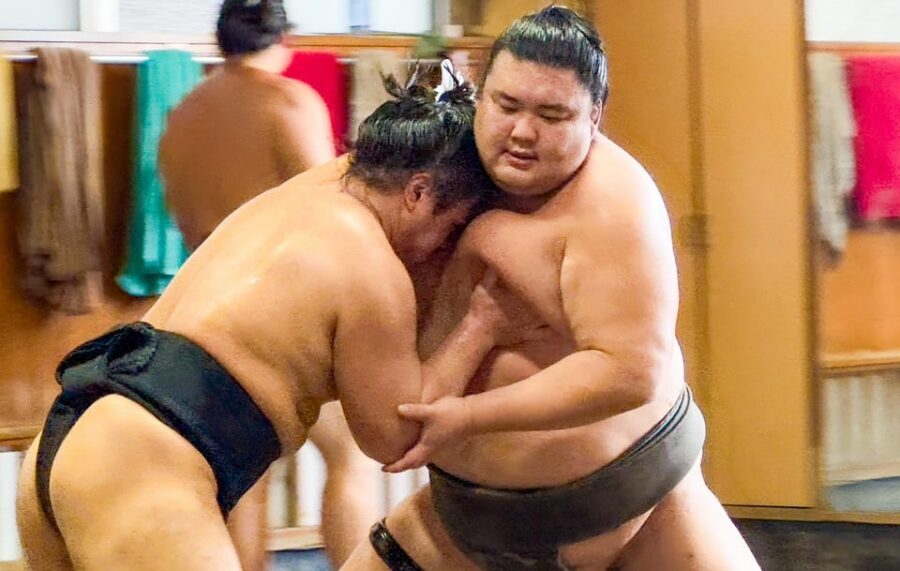
This is a 3-hour tour, and it moves on purpose. You meet at 両国HANA WAビル (Ryogoku area), then there are short transfers before you settle into the stable viewing.
Your best anchor point is the transit meeting spot: Toei Oedo Line Ryogoku Station (E12), Exit A2, ground level. It’s about a 5-minute walk from the east exit of JR Ryogoku Station. The operator contacts you with the details before the tour date, but I’d still plan to arrive early. The experience starts on time, and you don’t want stress to eat into your focus.
Because you’re going to be sitting on the floor during practice, the “be early” rule is more than etiquette. It helps you get comfortable before the viewing begins.
Takasago-beya Sumo Stable: 2 hours of rituals and work you can actually see
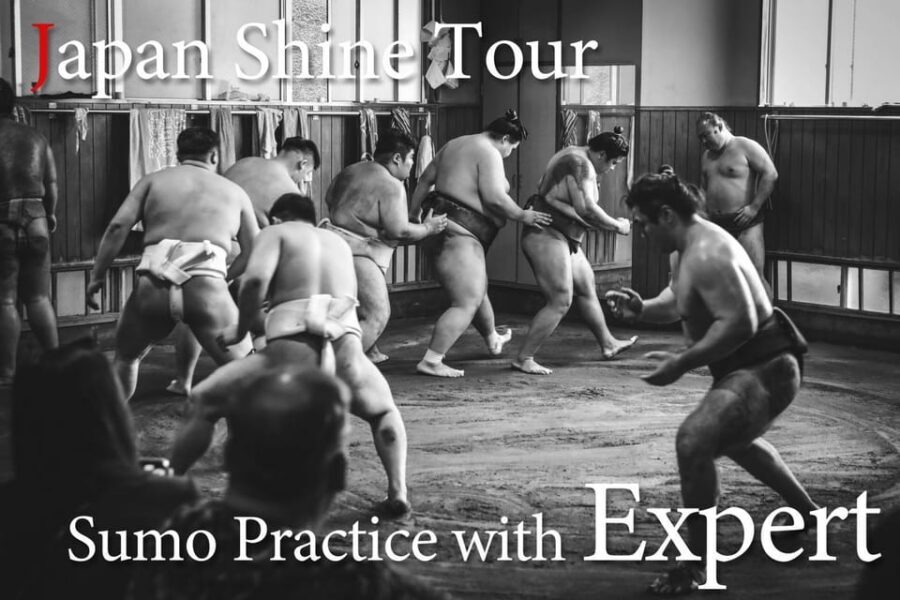
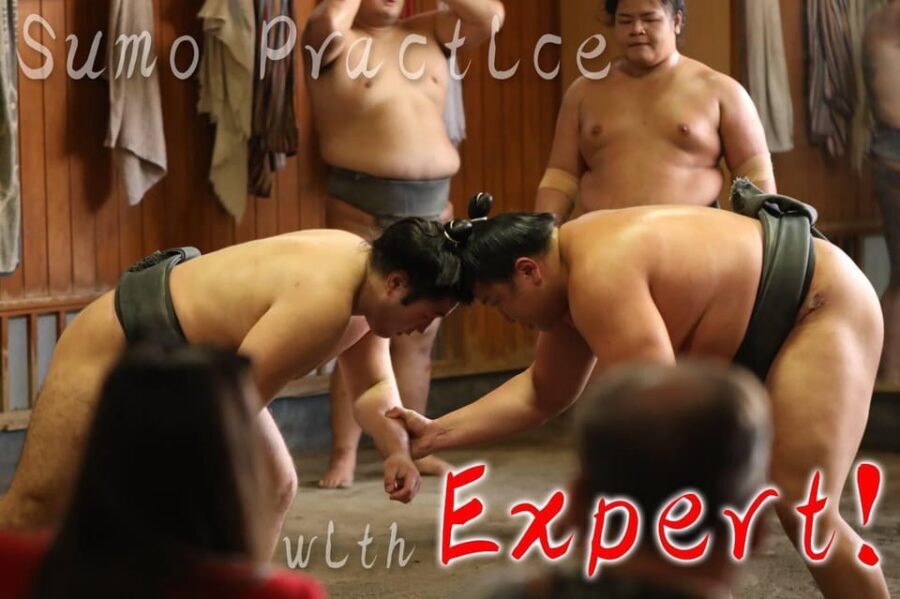
The heart of the tour is the Takasago-beya stable visit, with 2 hours of guided access. This is where the tour earns its reputation for authenticity: you’re watching a morning practice in a working stable environment, not a performance crafted for photos.
Expect a lot of explanation, but not in a lecture-heavy way. The guide’s job is to help you read the practice. They’ll walk you through sumo’s history and rituals, then connect those traditions to what you see happening during training—how wrestlers move, how the routine flows, and what respect and discipline look like day to day.
Floor seating and quiet rules
You’ll sit on the floor, in comfortable clothes, and you’ll follow stable rules. Flash photography is not allowed. That’s a good rule for you too: it keeps the environment calm and makes the viewing feel respectful rather than like a theme park.
During the practice, you’ll want to keep your movements controlled. Follow the guide’s instructions closely, because small disruptions can matter in a traditional training space.
What you’ll notice once the guide points it out
Even if you think you already “know sumo,” the training session tends to change your perspective fast. You start noticing:
- how structured the routine is
- how technique and timing matter, not only brute strength
- how the rituals shape the mindset before the action
A few more Tokyo tours and experiences worth a look
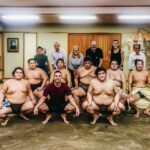
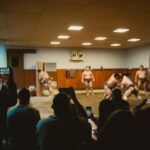
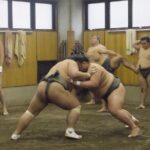
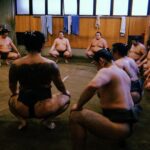
Photo moment: cameras are welcome, but rules are strict
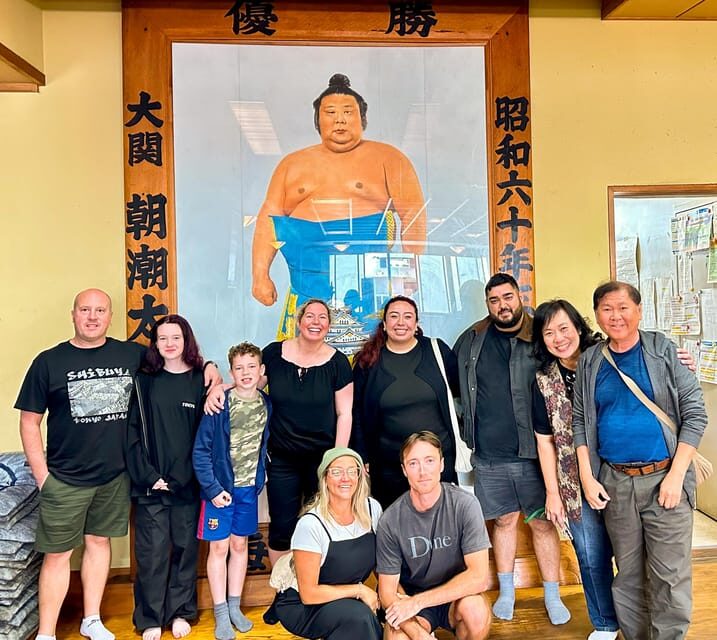
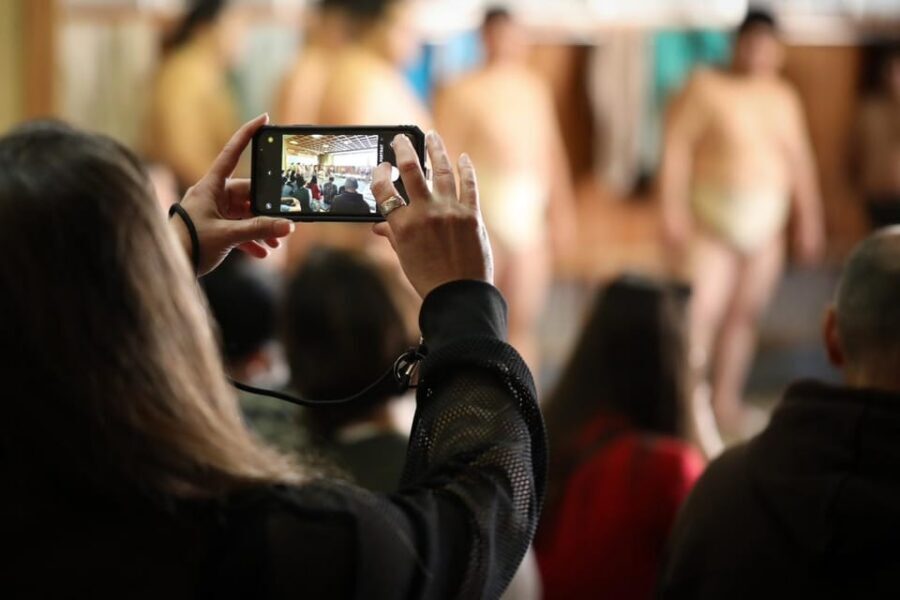
You’ll get commemorative photos as part of the experience. You’re also encouraged to bring a camera—just remember flash photography is not allowed during the practice.
That combo is smart. A lot of sumo viewing tours feel awkward for cameras: either you can’t shoot at all, or you can shoot but it turns into chaos. Here, the stable rules protect the atmosphere, while the commemorative photo gives you a clean, memorable shot without needing to break the rules.
Quick practical tip: set your camera settings beforehand so you’re not fumbling when the action starts. If your camera has a loud shutter, consider using silent mode if available.
The journalist-style Q&A: ask anything about ranking, routine, and etiquette
One of the most loved parts of this tour is that you get time to ask all the questions you want. This isn’t a scripted “customer questions, done in 30 seconds” format. The guide’s professional background makes the conversation flow, because they’re used to explaining sumo’s details clearly.
And it’s not just match rules. You’ll hear about day-to-day life in the stable world—how hierarchy works, why certain habits exist, and what you’re seeing during training. This is where sumo turns from a sport you watch into a system you understand.
If you’re the kind of fan who wants specifics—terms, routines, why certain rituals come first—this tour is built for you. If you want a casual overview only, you can still enjoy it, but you’ll get more out of it if you come ready to ask follow-ups.
Ryōgoku Edo NORen: the 30-minute context stop that helps it all click
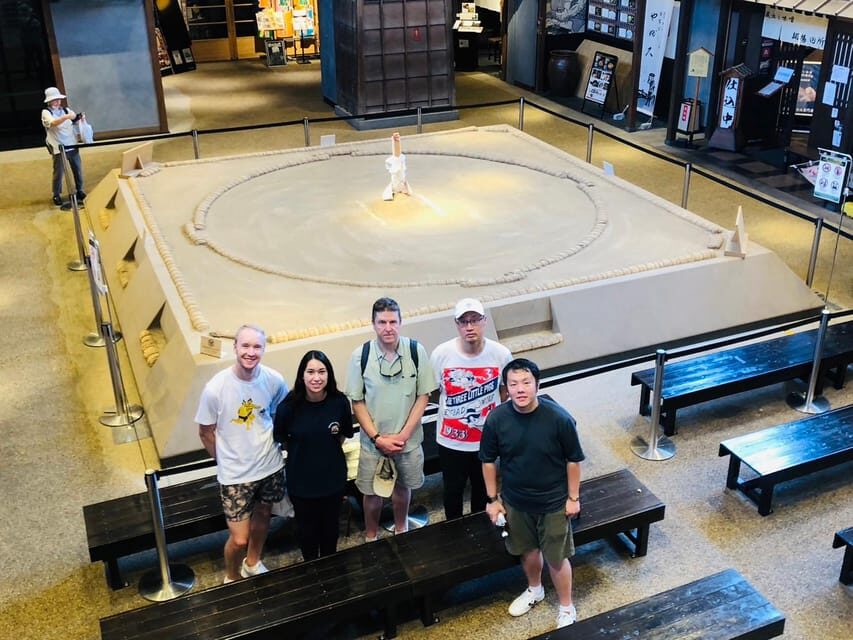
After the stable time, you move to Ryōgoku Edo NOREN for a 30-minute guided stop. This portion is shorter, but it matters. It gives you context around sumo’s place in the Ryogoku area—helping you connect the stable world you just watched with the public-facing side of sumo.
Think of it as the “now I get it” bridge. Without that, you can leave the stable impressed but a bit unsure how everything fits together historically and culturally.
Also, it keeps the day balanced. You get deep access to the wrestlers first, then a guided walk through the broader sumo atmosphere of Ryogoku right after.
Price and value: why this cost is about access, not just talking
At $103 per person for 3 hours, this is not the cheapest thing you can book in Tokyo. But you’re paying for three high-value ingredients:
- Stable permission
Special access is the expensive part. Without it, you’d be outside looking in.
- Time with a journalist-sumo specialist
This is a structured experience: history and rituals explained in a way that actually helps your viewing.
- A real morning practice
You’re not buying a highlight reel. You’re watching training—the hard, repetitive work that makes match-day possible.
If you love sports culture, you’ll likely feel the value quickly because you’ll understand what’s happening while it happens. If you only care about the final bout moment, it can feel pricey compared to other entertainment options. But sumo fans usually leave with the sense that training access is the missing piece they couldn’t get elsewhere.
Who should book this tour (and who should skip)
This tour is a great fit if you:
- want authentic sumo you can’t replicate by watching on TV
- care about culture, rituals, and how traditions shape behavior
- travel during a time when tournament tickets aren’t available
- enjoy photography but are willing to follow strict rules (especially no flash)
It’s not a great fit if:
- you need wheelchair accessibility in practice (the tour notes traditional stable setup issues, even though it also lists wheelchair accessible—so treat this as a real caution)
- you’re bringing a baby under 1 year
Also, if you’re expecting indoor seating like a museum, plan for floor sitting instead.
Practical tips so you enjoy it instead of just tolerating it
Before you go, do these and you’ll have a smoother experience:
- Wear comfortable clothes you can sit in for a while.
- Bring a camera and be ready for flash-free rules.
- Don’t plan on snacking: food is not allowed.
- Remember shoes indoors are not allowed in the stable setting.
- Skip anything that makes noise. If the guide asks for quiet, take it seriously.
- Bring patience for small transfers. The schedule is tight, with short walks and brief moves between stops.
If you’re picky about photos, arrive early with your camera ready. The best viewing time comes fast once practice starts.
Should you book this Tokyo sumo morning practice with journalists?
I’d book it if you want the real sumo world—the training pace, the rituals, and the explanations from someone who treats sumo like more than a hobby. The strongest reason to choose this over a generic experience is simple: stable permission plus a journalist’s clarity.
Skip it if you can’t handle floor seating or if you’re only interested in match-day drama. This tour is about the behind-the-scenes side of sumo, and it’s best appreciated with that mindset.
If you’re a first-time sumo fan, you’ll leave with real understanding. If you’re already watching matches on NHK or elsewhere, this is the missing context that makes the sport feel more human and less mechanical.
FAQ
How long is the Tokyo Sumo Morning Practice tour?
The tour lasts 3 hours.
Where do I meet for the tour?
Meet at 両国HANAWAビル. For transit, you’ll meet near Toei Oedo Line Ryogoku Station (E12), Exit A2 (ground level), about a 5-minute walk from the east exit of JR Ryogoku Station.
What’s included in the tour?
Included are the live sumo morning practice viewing, commemorative photos, and guidance by a sumo specialist and national newspaper journalist, plus access granted by special permission from the sumo stable.
Is flash photography allowed during the practice?
No. Flash photography is not allowed.
Is food provided or allowed?
No meals are included, and food is not allowed during the experience.
What should I bring?
Bring a camera and wear comfortable clothes.
What should I wear during the practice?
Wear comfortable clothing because you’ll be sitting on the floor during the practice.
Are shoes allowed indoors at the stable?
No. Shoes indoors are not allowed.
Is the tour wheelchair accessible?
The activity information lists wheelchair accessible, but it also states the tour is not suitable for wheelchair users due to the traditional setup of the sumo stable. You should treat that as a practical limitation.
How much does the tour cost?
The price is $103 per person.