REVIEW · SAPPORO
Mondo’s most popular plan! Experience making soba noodles and the king of Japanese cuisine, tempura, in Sapporo!
Book on Viator →Operated by もんど · Bookable on Viator
Soba class in Sapporo feels oddly intimate. You’ll mix buckwheat dough, stretch and cut soba, then sit down to eat what you made with tempura in a tiny handmade shop. It’s set up like a real food moment, not a performance.
I love two things most: first, the step-by-step instruction that helps you go from plain flour and water to real noodles, led by the friendly teacher Taku. Second, you get to taste your soba properly, including the cold and warm dipping options and the traditional end step with soba-yu.
One consideration: this experience focuses on making the dough and cutting the noodles. The tempura is part of the meal, but it’s not always taught as a hands-on cooking skill, so go in knowing you’re signing up mainly for soba-making.
In This Review
- Key Points You’ll Care About
- A Handmade Soba Workshop Just Steps From Miyanosawa
- The Main Event: Turning Buckwheat Flour Into Real Soba Noodles
- Tempura Pairing: The Crunch That Changes Your Soba
- How You Eat Soba Like the Class Wants You To
- Price, Duration, and Real-World Value
- Timing, Location, and What “Arrive On Time” Really Means
- Group Size and the “Small Shop” Feeling
- Food Requirements: Halal, Vegan Options, and Kids Under 2
- Practical Tips Before You Go
- Should You Book This Soba-and-Tempura Class?
- FAQ
- FAQ
- How long does the soba-and-tempura experience take?
- Do I need to bring anything or prepare in advance?
- Is the class taught in English?
- Where do I meet for the experience in Sapporo?
- What food options are available for halal or vegan diets?
- What is the cancellation window for a full refund?
Key Points You’ll Care About
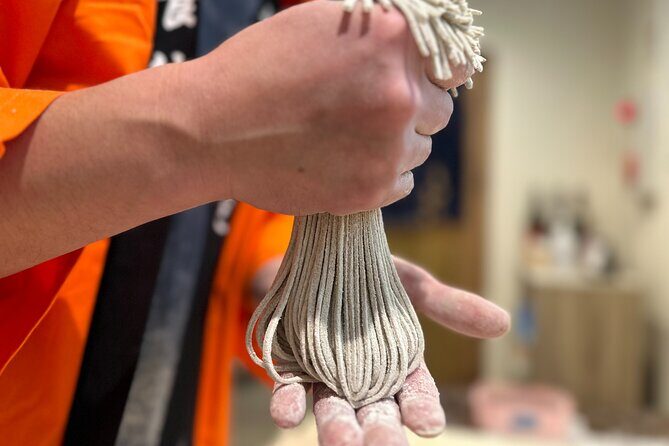
- 30 minutes of hands-on soba steps: mixing, stretching, and cutting
- Cold and warm soba sauce options to change how your noodles taste
- Tempura is paired with soba using classic Japanese eating habits
- English-led experience with clear guidance, plus quick start-to-finish pacing
- Close to Miyanosawa Station with an easy-to-walk meeting point
- Small, private group format means you won’t disappear into a crowd
A Handmade Soba Workshop Just Steps From Miyanosawa
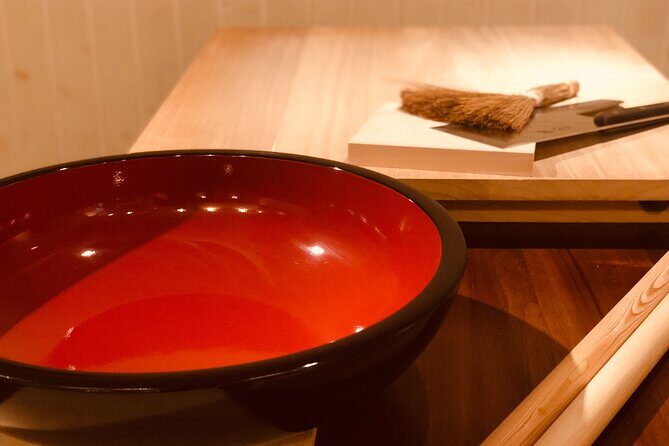
If you’re staying in Sapporo and want something that feels more local than another “check off a site” outing, this works. The meeting point is a short walk from Miyanosawa Station (Sapporo Subway Tozai Line), and you’re starting in a real handmade soba restaurant that operates for lunch too. That matters because you’re not learning in a staged demo space.
The setup is built around two Japanese staples that go together on purpose: soba and tempura. Soba comes from buckwheat flour, and in Hokkaido the quality is a big deal. The region is known for excellent soba-growing conditions, including areas like Tokachi and Furano, so your meal has that “this place grows its own” vibe even though you’re in a restaurant class setting.
You also get a bit of cultural framing while you work. The class explains how Japanese people eat soba and how the pairing works, so your noodles and your tempura aren’t just food on a plate. They’re part of a small routine.
One more thing to know: the experience is a private tour/activity, meaning only your group participates. For me, that usually translates into less waiting, more attention, and a smoother experience when you’re learning something hands-on like dough handling.
You can also read our reviews of more tours and experiences in Sapporo.


The Main Event: Turning Buckwheat Flour Into Real Soba Noodles
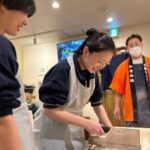
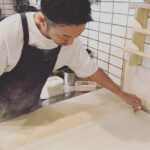
Here’s the core reason to book: you’ll do the work. The process breaks into clear steps, and it takes about 30 minutes to complete the soba-making portion.
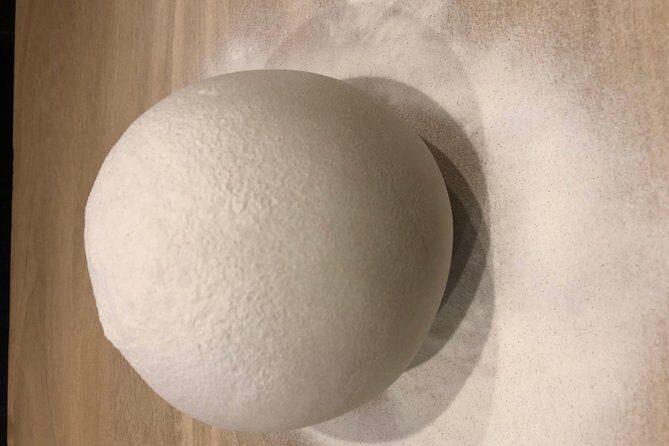
You start by mixing buckwheat flour with water. Then comes the dough work—stretching the soba so it becomes workable noodles, and cutting them into your portion. That tactile part is where you learn the real lesson: soba dough isn’t like wheat pasta. Buckwheat has its own behavior, and getting the right feel is half the fun.
After you cut the noodles, you eat them. That timing is important. Since you’re tasting what you created soon after the work, you’ll understand the payoff of each step while it’s still fresh in your hands.
The class flow also includes the structured meal component, which makes it more satisfying than typical “hands-only” cooking demos. Your own soba and tempura show up together so you can actually compare textures and flavors the way they’re meant to be eaten.
Also, this is designed for multiple ages. The information says even small children can enjoy the process. You’re not doing anything dangerous; it’s food craft, not a kitchen marathon. If you have kids who get bored with long lectures, this kind of short, active format usually lands well.
Tempura Pairing: The Crunch That Changes Your Soba
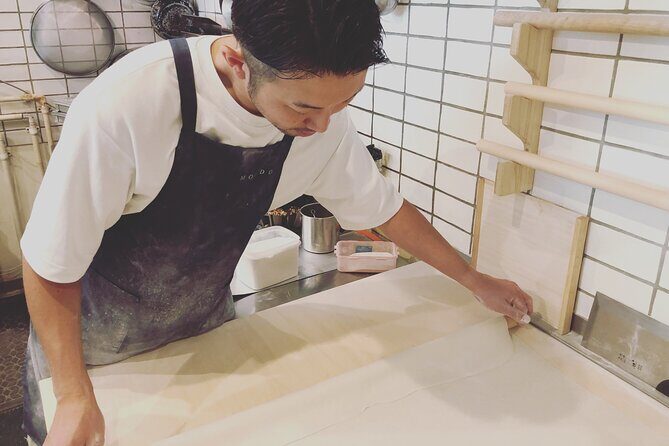
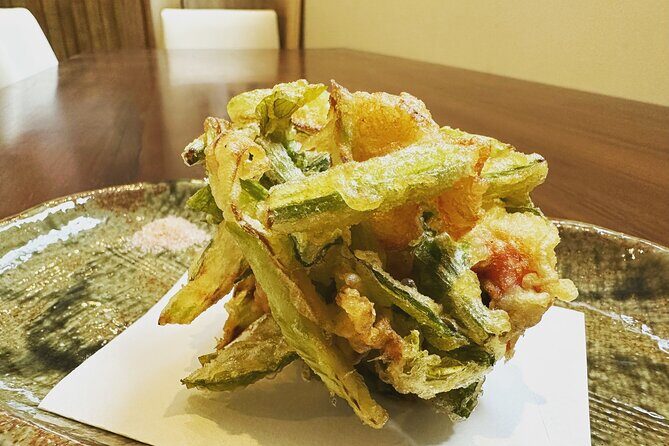
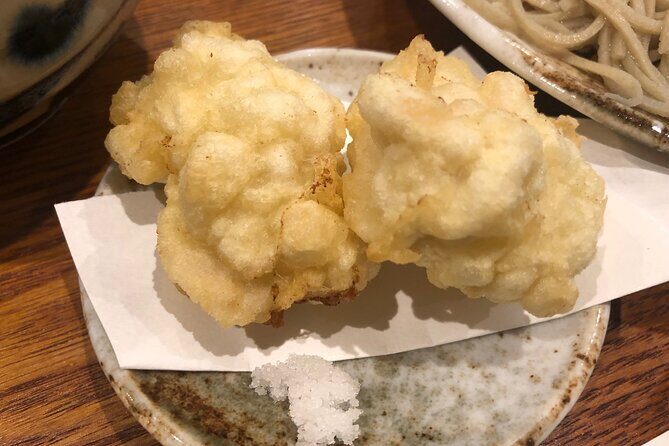
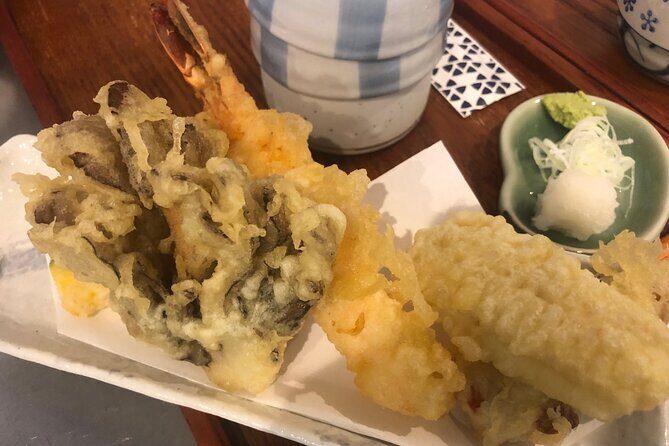
Tempura is the other star here, and the pairing isn’t accidental. Tempura is battered and deep-fried vegetables and seafood, and it’s built for contrast: crispy batter against the chew and savory bite of soba.
In this experience, tempura shows up with your meal, and the food is tied to classic Japanese habits—people commonly eat tempura with soba. In practical terms, that means you’re not choosing between two different dishes. You get a combined experience with spoon-and-chop rhythm: noodle bites, then bites of whatever tempura you’re pairing.
A realistic expectation: while soba-making is clearly hands-on, tempura isn’t described as the main “learn to cook” target in the steps. The flow focuses on mixing, stretching, cutting, and then tasting what you made. So if you came specifically hoping for a full batter-and-fry tutorial, you might feel more like you’re learning soba craftsmanship with tempura on the side as part of the meal.
Still, that doesn’t make it less valuable. Tempura adds a whole texture layer you can’t get from plain broth noodles. It also gives you a sensory anchor while you’re learning the soba process—when you know what you’re tasting, your brain keeps the lesson.
And in a small shop setting, tempura often feels fresher and more “restaurant-made” than the kind you’d pick up from a supermarket box. You get a legit sit-down finish to the class, not just a snack at the end.
How You Eat Soba Like the Class Wants You To
The best part of a food class is when it changes how you eat the food afterward. This one does that with soba etiquette and clear eating guidance.
You’ll get help learning how to eat soba, including:
- dipping choices: two sauces, one cold and one warm
- finishing step: soba-yu, the traditional water used to wrap up the meal
That last part is a surprisingly important detail. Soba-yu is a Japanese finishing habit that helps you end the meal in a way that feels complete, not just “eat noodles, done.” Even if you don’t remember the name afterward, you’ll remember the routine.
The class also spends time explaining the relationship between soba and tempura. Soba has its own character—savory, chewy, and buckwheat-forward. Tempura brings crunch and fried flavor. Together, they make each bite feel a little different than eating noodles alone.
When you leave with a better sense of dipping and finishing, your next soba meal in Sapporo (or anywhere) gets easier. You’ll order with intention, not guesswork.
Price, Duration, and Real-World Value
The price is $85.79 per person, and the activity runs about 1 hour but is described as finishing in roughly 1 hour 15 minutes total. That extra time makes sense: the soba-making is around 30 minutes, and the tasting part takes longer than you’d expect because you’re eating and learning how to eat.
Is it good value? For me, the answer is mostly yes if you want hands-on craft plus a sit-down meal. You’re paying for:
1) guided technique to turn buckwheat flour into noodles
2) a structured tasting that includes your portion and tempura pairing
3) the cultural explanation—how to eat it like locals
Could it be poor value if you want to cook everything yourself? Possibly. Since tempura isn’t clearly taught as a full making lesson in the flow, the “I want to fry everything I eat” crowd might feel slightly shortchanged.
But if you’re happy to focus on soba craft and enjoy tempura as part of the meal, then the math works. You’re not paying for a long restaurant dinner—you’re paying for a short class experience that ends with food you can’t replicate at home without a specific setup and practice.
Also, the experience is noted as booked fairly in advance, around 33 days on average. That’s a good sign. It usually means the class is popular and you’ll want to lock in your slot earlier rather than waiting for a last-minute free afternoon.



Timing, Location, and What “Arrive On Time” Really Means
Logistics matter here because the shop is running during lunch. The experience has a start time, and lateness can affect others. If you can’t arrive before the start time, the info says it can be treated as a no-show, which is the kind of policy that’s common when multiple groups are scheduled.
The meeting point is very specific: 9-chōme-17-28 Hassamu 6 Jō, Nishi Ward, Sapporo. It’s also described as a five-minute walk from Miyanosawa Station, which is great if you can follow station exits carefully.
If you’re driving, there are 4 parking spaces in front of the store. So if you’re renting a car, you’ll likely be fine, but don’t count on extra overflow parking being right next door.
What to bring? You don’t need to bring or prepare anything according to the info. That’s one of those small travel wins: less packing mental load.
Finally, the tour is conducted in English, but phone support isn’t available. That means if you have questions, you’ll want to send them by email through the platform. In practice, this is usually fine, but it does mean you shouldn’t plan on last-minute verbal clarifications.
Group Size and the “Small Shop” Feeling
This experience being private is more important than it looks. In many food workshops, you end up watching more than you do. Here, you’re working the dough steps: mixing, stretching, cutting, then eating your finished noodles.
The reviews’ overall pattern points to a friendly, patient teaching style. The teacher name Taku comes up in the feedback, and that’s consistent with the idea that you’re in a small restaurant where the staff can actually guide you. When a shop staff can keep track of who’s doing what, you get fewer bottlenecks.
You should also know that some people find the place a bit tricky to locate. The solution is simple: use the meeting instructions, give yourself extra walking time, and don’t “wing it” when you’re carrying a tired kid or trying to match a tight schedule.
If you like experiences where you feel involved—hands getting messy (in a food-safe way), questions answered, and then a meal that feels like it belongs to what you just learned—this one fits your style.
Food Requirements: Halal, Vegan Options, and Kids Under 2
If you need dietary accommodations, you’re told that halal, vegan, etc. can be accommodated if you contact in advance. That’s helpful, because soba involves buckwheat, and many meals around it assume a default that might not work for everyone.
One thing to keep in mind: the class flow doesn’t list every ingredient detail for the tempura or sauces, so for vegan diners, it’s worth confirming what can be swapped. The information tells you to contact ahead, so do that rather than hoping.
For kids, the policy notes children under 2 are free. That’s a nice perk for families who want a short activity that doesn’t require a sitter or a full day plan.
The hands-on nature also makes it easier to keep kids engaged. Mixing and cutting noodles is concrete work. It’s not like listening to a long talk, so it tends to hold attention better.
Practical Tips Before You Go
A few things to make this class smoother:
- Be early enough to settle in. Because the restaurant runs lunch, late arrivals can disrupt other start times.
- Wear comfortable shoes. You’re in a short walking neighborhood from Miyanosawa Station, but you’ll likely stand during parts of the noodle work.
- Don’t expect a full tempura cooking lesson. The experience is clearly structured around soba-making, with tempura served as part of the pairing meal.
- Use the cold/warm sauce options as a tasting lesson. Try both. If you’re curious about how the same noodle changes with temperature and dip style, this is your chance.
- Ask about dietary needs early. Vegan and halal accommodations are mentioned, but you’ll get better results by confirming ahead of time.
If you do those basics, you’ll get the main benefit: learning enough soba technique and eating habits that you can order and eat soba with confidence afterward.
Should You Book This Soba-and-Tempura Class?
Book it if you want a short, hands-on food activity in Sapporo that ends with a real meal. You’ll get your own soba-making results, plus a classic pairing with tempura and clear guidance on how to eat it—cold and warm sauces and the soba-yu finish included. It’s also a strong choice for families thanks to the short format and kid-friendly approach.
Skip or shop around if you’re mainly looking to learn how to fry and make tempura from scratch. This experience is set up so soba is the craft you practice, while tempura is part of your tasting and pairing rather than a step-by-step cooking lesson.
FAQ
FAQ
How long does the soba-and-tempura experience take?
It takes about 1 hour total, with the full experience described as finishing in roughly 1 hour and 15 minutes. The soba-making portion is around 30 minutes, followed by tasting.
Do I need to bring anything or prepare in advance?
No. The experience says you do not need to bring or prepare anything.
Is the class taught in English?
Yes, the experience is conducted in English. Phone support is not provided, but you can ask questions by email through the platform.
Where do I meet for the experience in Sapporo?
The meeting point is at 9-chōme-17-28 Hassamu 6 Jō, Nishi Ward, Sapporo, Hokkaido 063-0826, Japan. It’s described as a five-minute walk from Miyanosawa Station on the Sapporo Subway Tozai Line.
What food options are available for halal or vegan diets?
The experience states that halal, vegan, and other dietary needs can be accommodated if you contact in advance.
What is the cancellation window for a full refund?
Free cancellation is allowed up to 24 hours before the experience start time for a full refund. Canceling less than 24 hours before does not receive a refund.