REVIEW · SAPPORO
Hokkaido Seasonal: Lake Toya & Noboribetsu Jigokudani Valley
Book on GetYourGuide →Operated by JRT Group · Bookable on GetYourGuide
Sulfur steam meets crisp winter air. This one-day Hokkaido loop links Lake Toya views, a snowy farm break, and Noboribetsu Jigokudani’s steaming basin, and I especially like the sulfur foot onsen moment plus how the whole day feels paced between big nature hits. One thing to factor in: the Hell Valley boardwalks can get slippery in cold weather.
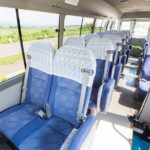
I also like that the tour is built for people who don’t want to wrestle transfers across snowy distances. You ride with a driver and guide (Chinese and English), and the plan keeps momentum so you’re not burning hours commuting.
The possible downside is simple: your $55 price covers the guided day with transportation, but meals and attraction tickets are on you, and the optional snowmobile is an extra fee. If you’re picky about lunch timing, it helps to carry snacks.
In This Review
- Key things that make this winter day trip work
- A One-Day Hokkaido Winter Route That Saves You Planning
- Lake Toya Observation Deck: Frozen Shorelines and Mount Yotei in the Distance
- Optional Snowmobile on Lake Toya: Fun, Fast, and Not Always Available
- Lake Hill Farm in Winter: Calm Snow Scenery and Warm Dairy Treats
- Showa Shinzan Free Time: A Volcanic Scene Without the Rush
- Noboribetsu Jigokudani Hell Valley: Steam, Boardwalks, and a Sulfur Foot Onsen
- Price and Value: What Your $55 Covers (and What It Doesn’t)
- Timing, Footwear, and Weather Reality in Hokkaido Winter
- Who This Tour Suits Best (And Who Should Skip It)
- Which Guide Style You Might Encounter
- Should You Book This Lake Toya and Hell Valley Day Trip?
- FAQ
- How long is the Lake Toya & Noboribetsu Hell Valley tour?
- What language is the tour guide?
- What’s included in the $55 price?
- Is the snowmobile ride included?
- Where do I meet the tour?
- What should I bring for winter?
- Is this tour suitable for young children or people with mobility limits?
Key things that make this winter day trip work
- Lake Toya’s full winter frame: observation views with Mount Yotei often in the distance, plus a dramatic frozen-lake feel
- Optional snowmobile, when conditions allow: late March and late-season snow can affect availability, and the day may switch to easier Lake Toya sightseeing
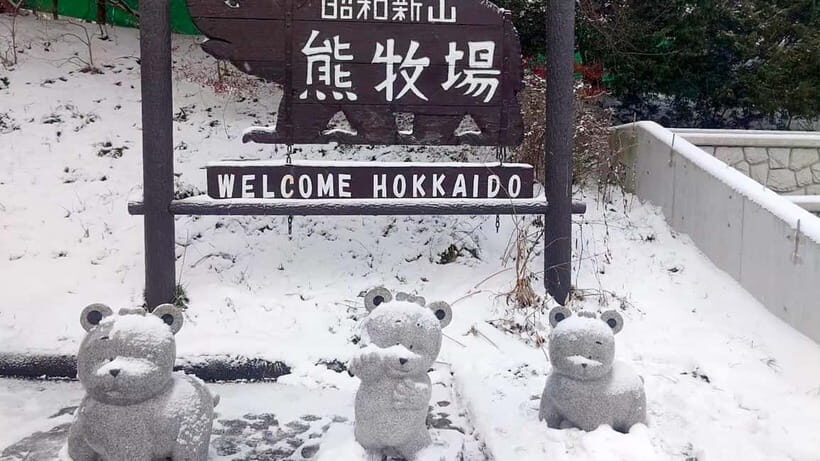
- A farm stop that feels like a movie set: Lake Hill Farm gives you snow-country calm and a chance for warm dairy treats
- Showa Shinzan free time: you get breathing room to look at a volcanic scene without feeling rushed
- Hell Valley’s steam + sulfur foot onsen: boardwalk views and that instantly warming sulfur sensation
- Guides who go beyond facts: multiple guides named in standout days, with clear instructions and help with photos
A One-Day Hokkaido Winter Route That Saves You Planning
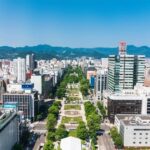
This is a classic Sapporo-to-the-wilds day trip. You start in the city, then swing out to Lake Toya first, move through winter scenery and volcanic landforms in the middle of the day, and end with Noboribetsu Jigokudani (Hell Valley). It’s a “big views, then bigger drama” kind of itinerary.
What makes it especially practical is that you’re not juggling train schedules or trying to time buses in deep winter. The tour includes roundtrip transportation, and it also covers the cost items like parking, tolls, and fuel. In other words, your main budget choices are basically food and optional add-ons.
One more practical note: your guide may also act as the driver on small-group days, and commentary doesn’t happen while driving. So expect a bus ride that’s quiet-ish compared to city tours, then clearer commentary when you’re stopped.
You can also read our reviews of more tours and experiences in Sapporo.
Lake Toya Observation Deck: Frozen Shorelines and Mount Yotei in the Distance
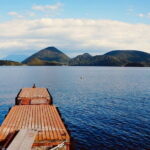
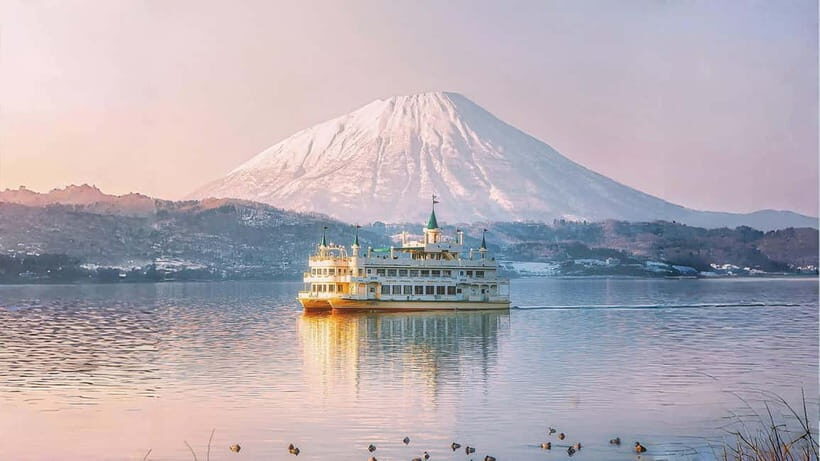
Lake Toya is the anchor stop. You’ll head to the Lake Toya Observation Deck for panoramic winter views of the third-largest caldera lake in Japan, with volcanic islands and surrounding forests framing the water.
In winter, the lake doesn’t look like a postcard pond. It looks like a whole system: frozen shorelines, pale snow fields, and that distant vertical line of Mount Yotei that can make the scene feel extra “Hokkaido.”
This stop matters because it sets the mood. You’re not just looking at water—you’re looking at a volcanic landscape that makes sense of everything that comes later at Noboribetsu. Take your time here. If the sky clears, you’ll want to linger.
If you skip the snowmobile, you may get free time at this observation area, and no alternate activity is arranged for that portion. So if you’re planning for photos, this is your main window at Lake Toya.
Optional Snowmobile on Lake Toya: Fun, Fast, and Not Always Available
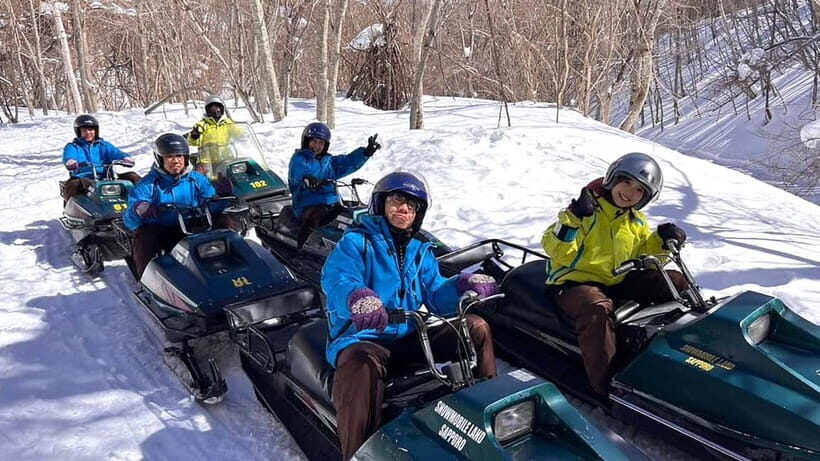
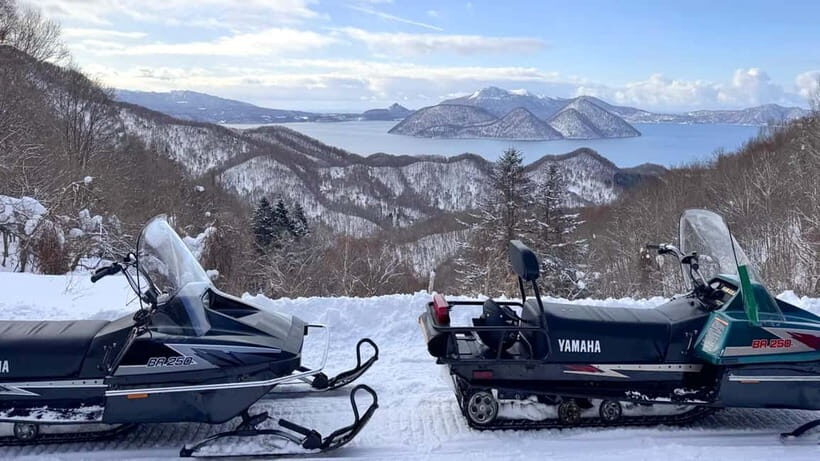
The optional snowmobile is one of the biggest decision points of the day. Some versions include a ride led by professional instructors. You glide across snowy lakeside fields, which is the closest thing on this itinerary to feeling like you’re in a winter action movie.
From what I can see in the experiences people shared, the snowmobile experience tends to be a highlight when snow conditions are good. A few guides also help you with individual photos and video during the snowmobile break, which can turn a cold ride into something you actually remember visually.
Two reality checks before you say yes:
- Snow and timing matter. The tour notes that from late March onward, snow conditions may not be suitable for snowmobiling, and the itinerary adjusts to more relaxed sightseeing around Lake Toya.
- It’s an extra fee. The ride itself is not included, and at least one person felt the cost didn’t match the value if the weather limited how much you could really see or move.
My practical advice: if your trip dates fall in mid-winter and the forecast looks promising, the snowmobile is often worth considering. If you’re near the edges of the season, be ready for the day to shift.
Lake Hill Farm in Winter: Calm Snow Scenery and Warm Dairy Treats
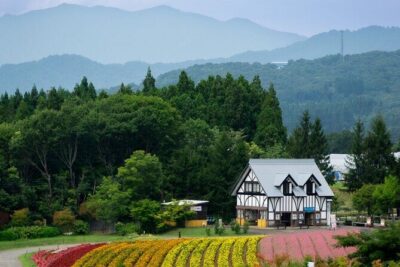
Next comes Lake Hill Farm, where the winter vibe changes from dramatic geology to soft countryside stillness. In the cold season, this hillside farm becomes a fairy-tale scene under snow.
This stop is valuable because it’s a break from volcanic intensity. You get time to walk around, take photos, and warm up. People often mention doing it casually—just wandering, looking at the snowfields, and grabbing simple treats.
If you want something comforting, you may be able to enjoy fresh milk or ice cream at your own discretion. It’s a good spot to refuel before the day’s last big push to Hell Valley.
Showa Shinzan Free Time: A Volcanic Scene Without the Rush
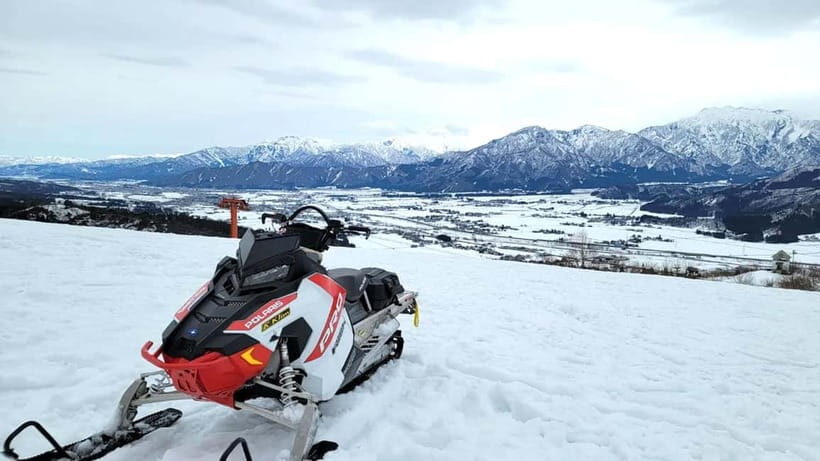
After Lake Hill Farm, the day slows just a little with a visit to Showa Shinzan. You’ll get free time arranged to admire the volcanic landscape and the surrounding winter scenery.
Showa Shinzan is important on this itinerary because it bridges the story. Lake Toya shows you the caldera bowl. Showa Shinzan gives you a different volcanic angle—another piece of the same geologic puzzle.
Since lunch is at your own expense around this area, this is also the moment to decide how you want to handle food. One person found that lunch timing and restaurant hours can make it tricky when you arrive late in the window, so bringing along snack backups like grilled sweets can save stress. If you’re traveling with people who get cranky when hungry, pack a small emergency stash.

Noboribetsu Jigokudani Hell Valley: Steam, Boardwalks, and a Sulfur Foot Onsen
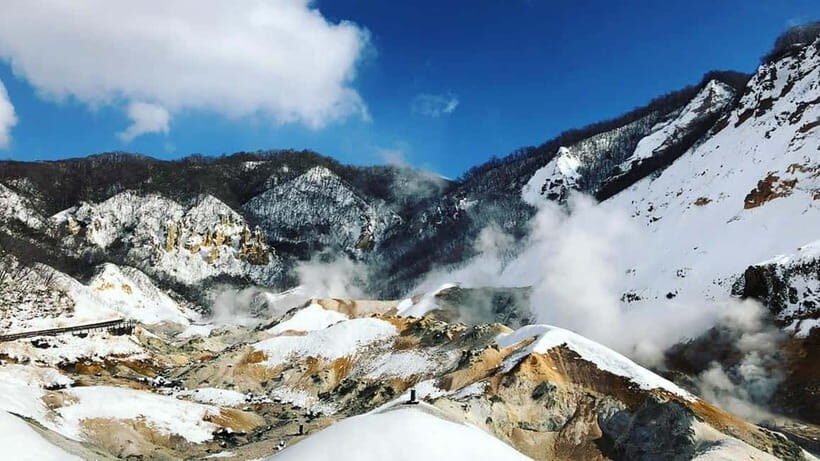
Now for the emotional climax of the day. Noboribetsu Jigokudani is a dramatic volcanic basin filled with steaming vents and geothermal activity. In winter snow, it looks even more unreal because the white world contrasts hard with the fiery, steaming ground.
You’ll walk along wooden boardwalks. This is where the practical preparation matters most. Some boardwalk sections can get slippery, so wear comfortable shoes with good traction. Don’t wear slick fashion boots and hope for the best.
The highlight is not just what you see, but what you feel. The tour emphasizes a sulfur foot onsen where warmth rises up from the sulfur as steam drifts into the cold air. That kind of hands-on contrast—hot sensation in freezing weather—is exactly what makes winter in Hokkaido memorable.
If you like photography, Hell Valley is often where your best shots come from: steam columns, glowing earth tones against snow, and strong winter silhouettes.
Price and Value: What Your $55 Covers (and What It Doesn’t)
At about $55 per person for a one-day tour from Sapporo, the value mostly comes from the work the tour handles for you:
- guided interpretation
- roundtrip transportation
- driver, parking, tolls, and fuel surcharge
That means you aren’t paying separately for private transfers across multiple sites.
What’s not included is also clear, and it affects your budget planning:
- food and drinks
- attraction tickets (if any apply at specific stops)
- personal expenses
- travel or accident insurance beyond basic coverage
- snowmobile fee (optional)
So the real “all-in” cost depends on whether you ride the snowmobile and how you handle meals. If you skip the snowmobile and treat lunch as a flexible plan (plus snack backups), you’ll usually stay closer to the advertised price. If you ride the snowmobile and buy food at each stop, expect to add more.
Given how many people name the snowmobile as the day’s highlight, it’s the single add-on most likely to change whether you feel like the day was a bargain or an expensive splurge.
Timing, Footwear, and Weather Reality in Hokkaido Winter
This itinerary is built for one day, so everything is timed tightly enough to keep the day fun. That’s good. It also means you should dress for the worst moments, not the best moments.
Bring:
- comfortable shoes (traction matters for boardwalks)
- comfortable clothes for cold outdoor walking
Weather can change what you can do. The tour notes that weekend and public holiday routes and stop orders may adjust due to traffic or early closures. It also notes that snowmobiling may not run in late-season conditions. So plan for flexibility, not perfection.
If it’s raining or snowing hard, you’ll want layers. At least one person described getting soaked during a cold snowmobile hour, so think about waterproof outer layers and quick-dry options.
Who This Tour Suits Best (And Who Should Skip It)

This day trip is a strong fit if you want a guided winter overview of Hokkaido without doing the logistics yourself. It’s especially appealing if you love:
- volcanic scenery
- winter photo walks
- hands-on moments like the sulfur foot onsen
- the thrill factor of snow travel (if you add snowmobiling)
It’s not suitable for:
- children under 3
- pregnant women
- wheelchair users and people with mobility impairments
- people with high blood pressure
- people over 70
So if you’re traveling with someone who has mobility limits or a health concern, check the walking demands carefully. The boardwalk at Hell Valley and outdoor farm time are not “sit only” experiences.
Which Guide Style You Might Encounter
Guides vary by day, and the tour operates with Chinese and English support. Some days are led by full guides; other days the driver may also provide limited English commentary, with no commentary during driving.
From the experiences shared, certain names came up repeatedly for strong pacing and clear explanations, including Mila, Sunny, Lin, Mr Hong, Max, and Hong guides in general. What that tells you is that this is not just a bus-to-stops transfer. You’ll likely get context about what you’re seeing and helpful photo moments.
Even better: some guides took time to capture photos and videos of individuals during the snowmobile portion and shared them later. That can be a lifesaver if you don’t want to keep asking strangers to take your picture.
Should You Book This Lake Toya and Hell Valley Day Trip?
Book it if you want a single day that hits three different kinds of winter magic: frozen caldera views at Lake Toya, quiet snow-country calm at Lake Hill Farm, and volcanic drama at Noboribetsu Jigokudani with that sulfur foot onsen.
Think twice if:
- you’re near the edge of winter season and want snowmobiling guaranteed
- you’re very budget-tight on food and attraction add-ons
- slipping on wooden boardwalks would be a concern for you (choose footwear carefully)
If you’re coming to Hokkaido for winter scenery and you don’t want to plan a complex self-guided route, this is one of the most straightforward ways to pack in big nature without turning your day into a commute marathon.
FAQ
How long is the Lake Toya & Noboribetsu Hell Valley tour?
It’s a one-day experience, designed to run within a single day from Sapporo and return you in the evening for dismissal.
What language is the tour guide?
Guides provide live interpretation in Chinese and English.
What’s included in the $55 price?
The tour includes a guided experience, roundtrip transportation, fuel surcharge, driver, parking, and toll charges.
Is the snowmobile ride included?
No. The snowmobile fee is not included, and you can optionally choose to take the ride when conditions allow.
Where do I meet the tour?
The meeting point may vary depending on the option you booked, so you’ll receive details by email before departure.
What should I bring for winter?
Wear comfortable shoes and comfortable clothes, since you’ll be walking around several outdoor stops.
Is this tour suitable for young children or people with mobility limits?
No. It’s not suitable for children under 3, wheelchair users, people with mobility impairments, and also not recommended for people with high blood pressure or pregnant women.