REVIEW · TOKYO
Tokyo Shinjuku Sumo Show & Experience with Photo
Book on Viator →Operated by SHINJUKU SUMO CLUB · Bookable on Viator
Sumo in Shinjuku is serious fun. In about 1 hour 30 minutes, you’ll watch two real pro wrestlers put on matches and demonstrations while a bilingual MC explains the key traditions like salt throwing, ring stomping, and the pre-match routine. I love the ritual-by-ritual walkthrough and the chance for you to step onto the dohyō for a friendly challenge plus photos with the wrestlers. One thing to consider: this is a performance with lots of audience interaction, so it won’t feel like official tournament bouts if you’re chasing strict competition.
The venue at Shinjuku Sumo Club is near public transportation, and you’ll use a mobile ticket. It’s an easy add-on to a Tokyo day, and it tends to work well for families, couples, and first-time sumo fans.
In This Review
- Key highlights you’ll care about
- A Shinjuku Sumo Show You Can Understand Fast
- Getting to Shinjuku Sumo Club Without Stress
- What Happens in the Ring: Matches Plus Big-Character Demonstrations
- Rituals That Make Sense: Salt, Stomps, and Pre-Match Ceremonies
- Stepping on the Dohyō: Your Friendly Challenge
- Photos With Wrestlers: How to Get the Moments You’ll Actually Keep
- The MC Factor: How Bilingual Hosting Changes Everything
- Two Performers, One Crowd: Audience Interaction Without Feeling Chaotic
- Price and Value at $79.59: What You’re Paying For
- Who This Shinjuku Sumo Experience Fits Best
- Small Practical Tips That Make It Go Smoother
- Should You Book This Sumo Show?
- FAQ
- FAQ
- How long is the Shinjuku sumo show?
- How much does the tour cost?
- Where does the experience take place?
- Is admission included?
- Is a photo included?
- Will there be English support?
- Can I participate if I’m new to sumo?
- Will I get to step onto the sumo ring?
- How do I get the ticket?
- What is the cancellation policy?
Key highlights you’ll care about
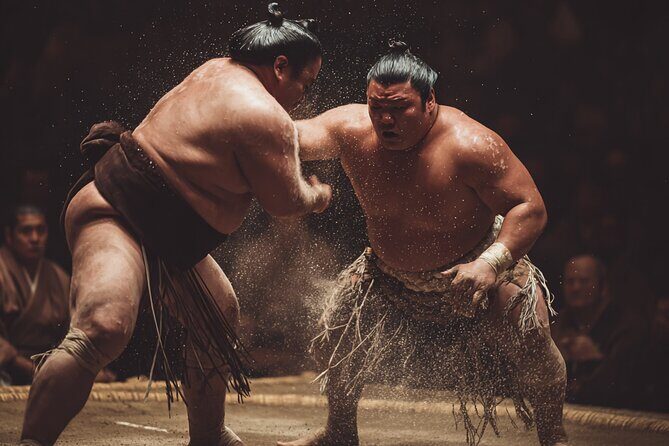
- Two pro wrestlers, live demonstrations: you’re not watching a video; you’re watching athletes perform and explain their art.
- Rituals made simple: salt throwing, ring stomping, and pre-match ceremonies are explained so it clicks fast.
- Try the dohyō yourself: step into the ring for a friendly sumo challenge.
- Bilingual MC with humor and clarity: expect clear explanations you can follow even if sumo is new to you.
- Photo moments included: you’ll get memorable photos with the wrestlers as part of the experience.
- Built for mixed groups: most people can participate, so it’s not just a sit-and-watch show.
A Shinjuku Sumo Show You Can Understand Fast
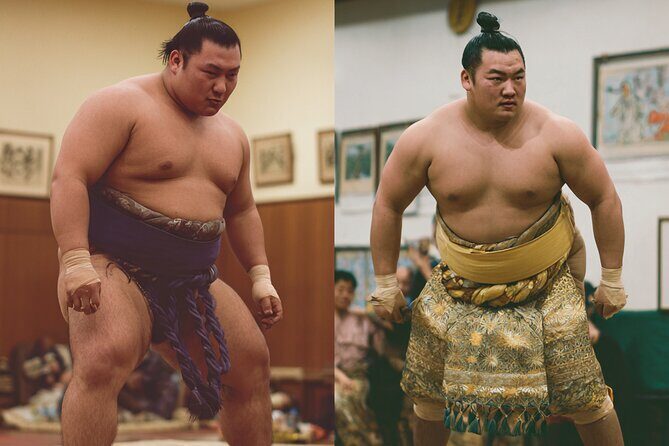
Tokyo has lots of ways to experience culture. This one is direct. You come to a small venue, you watch two professional wrestlers up close, and you leave knowing what you just saw.
What makes the experience work is that it doesn’t assume you already know the rules. The MC talks you through what matters—why salt is used, what the stomp means, and what the pre-match routine signals. That matters because sumo can look like a blur of power unless someone gives you the map.
You’ll also get an interactive slice, including a dohyō challenge and a photo session. So yes, it’s entertaining. But it’s also a quick education you can feel in your body.
A few more Tokyo tours and experiences worth a look
Getting to Shinjuku Sumo Club Without Stress
This experience runs about 1 hour 30 minutes, and it uses a mobile ticket. That’s great for one simple reason: you don’t need to hunt for will-call counters or print anything.
The venue is in Shinjuku and near public transportation. Shinjuku is busy and sometimes slow around peak times, so I’d plan for a little extra buffer rather than assuming Tokyo will be perfectly on schedule. One review flagged that heavy traffic can make you arrive close to start time—so give yourself breathing room.
If you’re building this into a night plan, keep it as a primary event, not a last-minute add-on. The show is short, and you want to be settled when it starts.
What Happens in the Ring: Matches Plus Big-Character Demonstrations
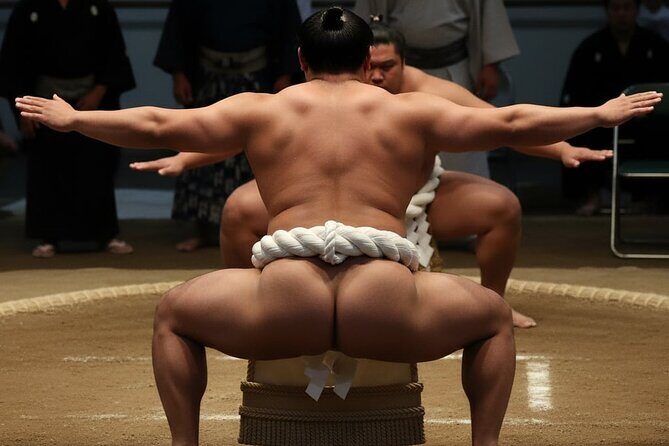
At Shinjuku Sumo Club, you’ll watch live performances from two professional wrestlers. The format is part match, part demonstration, part explanation—so the time doesn’t drag even if you don’t catch every term.
The best part is the mix of skills and showmanship. Sumo isn’t just strength. It’s balance, timing, and technique. When the wrestlers demonstrate moves and then explain what you should notice, you start seeing patterns—how they position their feet, how they create space, and how they use the ring.
And because this is a crowd-facing show, the energy stays friendly. You might see plenty of humor and audience play, which helps if you’re bringing kids or you’re traveling as a couple and want something lively.
Rituals That Make Sense: Salt, Stomps, and Pre-Match Ceremonies
Here’s the thing about sumo rituals: from a distance they can look random. Close up, they’re loaded with meaning. The MC helps you understand that meaning in real time.
You’ll learn about sacred elements like:
- Salt throwing: a symbolic cleansing step tied to the sport’s tradition.
- Ring stomping: the stomp that signals readiness and respect.
- Pre-match ceremonies: the routine before the action, with meaning behind the movements.
What I like about this approach is that it turns spectatorship into comprehension. Instead of watching isolated gestures, you know what they’re communicating. And when you understand the purpose, the theatrics stop being noise and start being context.
The show also keeps explanations practical—so you’re not stuck with a long lecture. The MC pacing helps you stay oriented the whole time.
Stepping on the Dohyō: Your Friendly Challenge
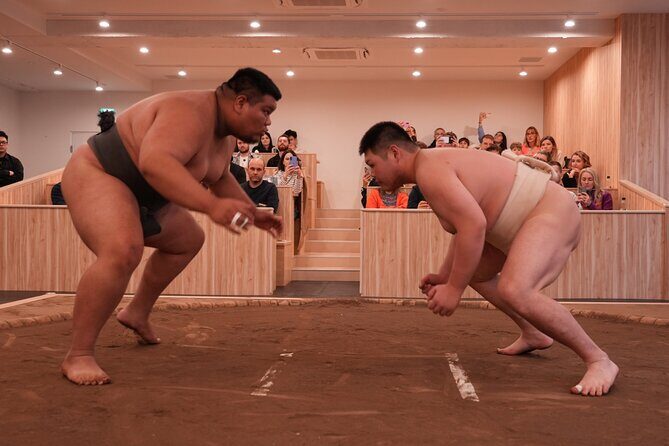
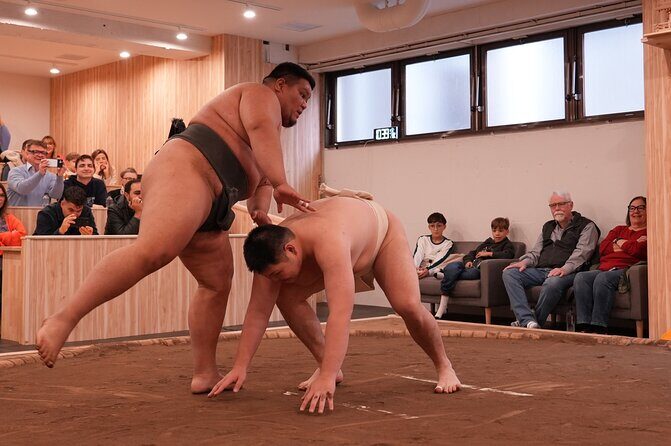
One of the biggest reasons to book this is the chance to participate. After the main demonstrations, you’ll be able to step into the dohyō (the sumo ring) and take part in a friendly challenge.
This is the kind of activity that turns a cultural show into a personal memory. You get to experience the ring space and feel how different it is from a normal stage—lower, tighter, and built for movement and balance.
Also, it’s not just you standing around. The point is to try, laugh a little, and learn. This is especially valuable for families, because kids can see sumo as something human and reachable, not just an abstract TV sport.






Photos With Wrestlers: How to Get the Moments You’ll Actually Keep
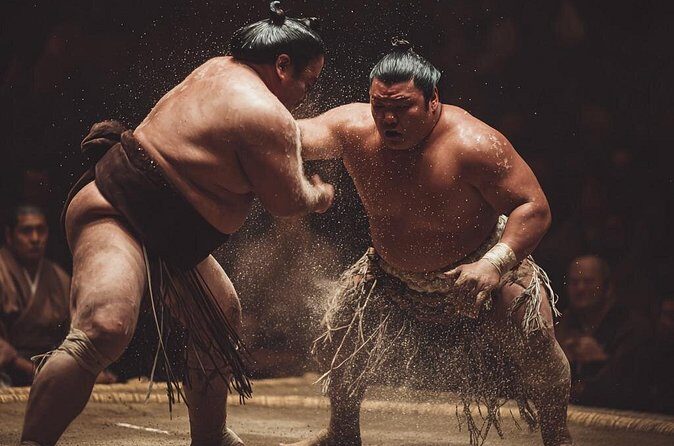
The experience includes a photo session with the wrestlers. That sounds simple, but it’s a smart value-add because it saves you from trying to coordinate photos while the show is in motion.
The key tip here is to treat the photo moment as part of the program. Don’t wander off early. When the time comes, be ready so you don’t feel rushed when the staff is moving the line along.
If you’re traveling with friends or family, it’s also helpful to stand where you can capture everyone in the frame. The show space is a performance venue, so follow the guidance from staff and the MC.
The MC Factor: How Bilingual Hosting Changes Everything
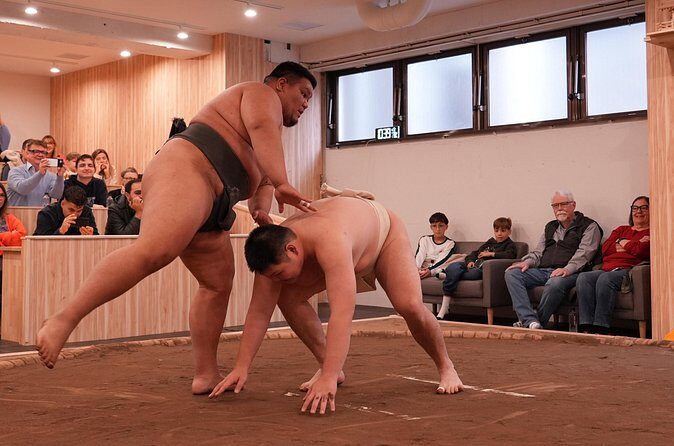
A bilingual MC is a huge part of why this show works for a wide range of people. The MC explains what’s happening and why it matters, and the delivery stays fun and approachable.
In past show accounts, the hosting has included MC names like Shane, Manny, and Mr. So. That tells you something useful: the staff tends to handle the room confidently and with humor, not just textbook facts.
In practice, the difference is that you won’t sit there translating in your head. You’ll follow the flow—rituals, demonstrations, audience interaction—without feeling left out.
Two Performers, One Crowd: Audience Interaction Without Feeling Chaotic
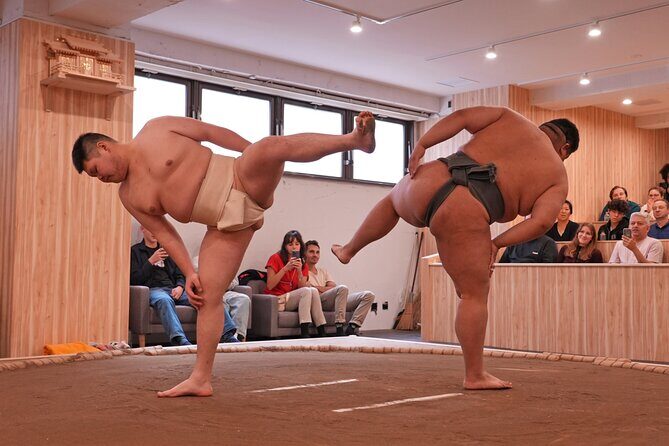
This show is audience-involved. That’s clear. The question is whether that interaction feels awkward or chaotic.
Based on what the experience is like, the interaction is structured. You get calls to participate, you learn what you need to do, and then you move into the next segment. It stays light but respectful.
In fact, one review noted that the vibe can be upbeat rather than strictly serious. That’s ideal for first-timers. It also means the show focuses on explaining the sport, not just proving who’s the strongest.
If you’re visiting and you want an official tournament feel—more rounds, more pure wrestling intensity—this won’t replace that. But as a first taste of sumo culture, it’s a strong way to start.
Price and Value at $79.59: What You’re Paying For
At $79.59 per person, you’re paying for several things at once:
- live pro performers
- a 1 hour 30 minute guided show in English-friendly format via bilingual hosting
- a structured explanation of key sumo rituals
- an audience participation component on the dohyō
- included photos
So the price isn’t just for seats. It’s for a small, high-touch experience where you’re seeing athletes up close and getting interaction. For many people, the dohyō challenge and the photo are the deciding value points.
Is it expensive compared to walking into a free neighborhood attraction? Sure. But for a timed show where you also get hands-on participation, it’s a reasonable spend. And if you’re only in Tokyo for a short time, paying for an organized cultural activity can actually save you time and effort.
Who This Shinjuku Sumo Experience Fits Best
This is a good match if you want:
- a family-friendly Tokyo activity with audience participation
- a first introduction to sumo without needing any prior knowledge
- something lively that isn’t just sitting in a theater for passive entertainment
- an easy Shinjuku stop near public transportation
It’s also a solid option for couples. It’s cultural, but it’s not stuffy. You get clear explanations, comedy in the mix, and shared memories.
If you’re a sumo hardcore who only wants official competition, you might feel the show’s playful tone isn’t what you expected. But if your goal is to understand sumo culture and enjoy the athletes, this lands well.
Small Practical Tips That Make It Go Smoother
Here are a few things I’d do to make your night feel effortless:
- Arrive with buffer time. Shinjuku traffic can be unpredictable, and being late cuts into your experience.
- Wear comfortable shoes. You may move around more than you expect for a seated show.
- Listen for the MC cues. The fun audience parts depend on understanding what’s next.
- Treat the dohyō moment like the main event. Don’t rush off when the demonstrations end.
- Have your photo positioning planned. Lines move, so be ready.
If you like learning by doing, this kind of activity is exactly your lane.
Should You Book This Sumo Show?
I’d book it if you want a short, structured, and entertaining introduction to sumo in Tokyo. The best reasons to say yes are simple: you’ll see real pro wrestlers, you’ll learn what the rituals mean, and you’ll get a hands-on dohyō challenge plus included photos.
Skip it only if your main goal is strict, tournament-style wrestling intensity. This experience is built to be welcoming, interactive, and easy to follow—so it works best as a first taste, not as a replacement for major competition.
FAQ
FAQ
How long is the Shinjuku sumo show?
It runs for about 1 hour 30 minutes.
How much does the tour cost?
The price is $79.59 per person.
Where does the experience take place?
It takes place in Shinjuku, Tokyo at the Shinjuku Sumo Club.
Is admission included?
Yes. An admission ticket is included.
Is a photo included?
Yes, there is a playful photo session included.
Will there be English support?
A bilingual MC guides you through the experience and explains what’s happening.
Can I participate if I’m new to sumo?
Yes. Most people can participate, and the experience includes a friendly sumo challenge.
Will I get to step onto the sumo ring?
Yes. You’ll have the chance to step onto the dohyō for a friendly challenge.
How do I get the ticket?
You’ll receive a mobile ticket.
What is the cancellation policy?
You can cancel for a full refund up to 24 hours in advance. If you cancel less than 24 hours before the start time, the amount paid will not be refunded.