REVIEW · TOKYO
Tokyo: Sumo Show and Experience in Shinjuku
Book on GetYourGuide →Operated by Traveling Tokyo · Bookable on GetYourGuide
Sumo in Tokyo can be either big and distant or small and interactive. This Shinjuku experience is the latter, with an English-speaking MC that makes the rituals easy to follow and live sparring that lets you feel the sport’s real intensity. Best of all, you get the chance to step into the ring in a traditional outfit and challenge a sumo wrestler.
The main thing to keep in mind is that this is not a tournament, so don’t expect bracket-style competition. Also, the show runs on a tight schedule, so plan to arrive on time because late entry may not be accepted at the front desk.
In This Review
- Key highlights in Shinjuku sumo
- Why this Shinjuku sumo experience feels different from a typical show
- Inside the 90-minute program: rituals, technique, then live sparring
- The dohyo moment: wearing the outfit and challenging a wrestler
- Meet the English-speaking MC: history, rules, and crowd energy
- What live sparring teaches you (and what it doesn’t)
- Price and value: why $69 can work well for first-timers
- Getting there in Shinjuku: the meeting point and entry rule that matters
- Who this experience is best for (and who may want something else)
- Potential drawbacks to think about before you book
- Should you book this Shinjuku sumo experience?
- FAQ
- How long is the Tokyo Shinjuku sumo experience?
- What does the $69 price include?
- Is this a sumo tournament?
- Where do I meet for the show?
- What language is the tour guide?
- Is food included?
- What is the entry rule for the building?
- Can I get a refund if I cancel?
- Can I reserve first and pay later?
Key highlights in Shinjuku sumo
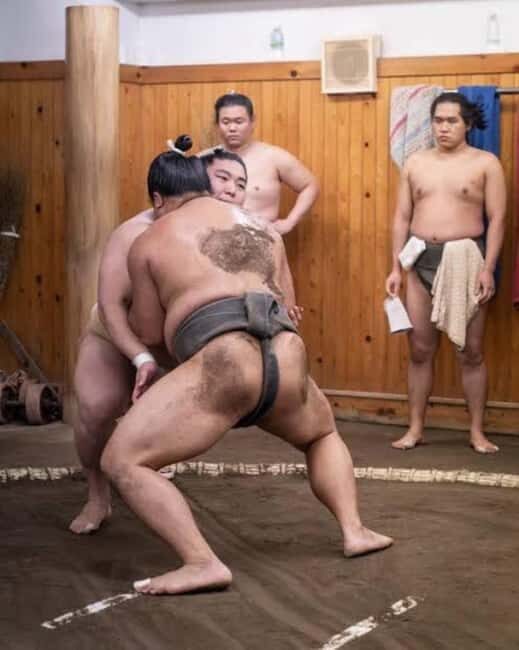
- Live sparring matches that show what sumo actually looks like in motion
- Rituals explained in English, including shiko (foot stomping) and salt throwing
- English-speaking MC hosting the program, with crowd interaction built in
- Traditional sumo outfit time, so you’re part of the experience, not just watching
- Challenge a wrestler in the ring, the moment most people remember later
Why this Shinjuku sumo experience feels different from a typical show
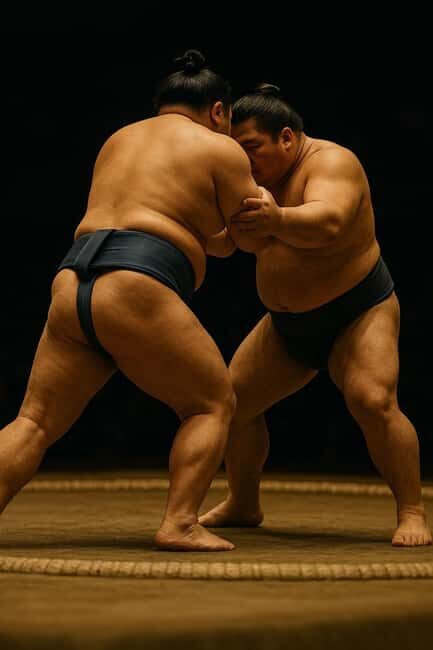
This isn’t just a performance where you sit, watch, and leave. The structure is built for first-timers: a quick education on what you’re seeing, followed by actual ring action. That matters in sumo, because the sport rewards attention to small signals like foot placement, hand positions, and who’s trying to control the space.
What I like most is the way the event treats sumo as both sport and ritual. You get to watch things like shiko and the salt ceremony, but with explanations that connect them to discipline and mindset. And when the event shifts into live sparring, you’re not guessing anymore.
The Shinjuku setting also helps. You’re in one of Tokyo’s most convenient neighborhoods, not off in a hard-to-reach corner of the city, which makes it easier to fit into a day of sightseeing and dinner plans.
A few more Tokyo tours and experiences worth a look
Inside the 90-minute program: rituals, technique, then live sparring
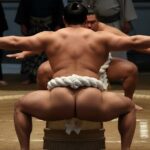
The whole event runs about 90 minutes, and it moves with purpose. Expect a guided flow that starts with context, then moves into demonstrations, and finally lands on live matches. The goal is simple: help you understand sumo fast, then enjoy it fully.
Early on, the MC explains what’s happening before it happens. You’ll learn the basics of how matches are decided, what techniques are trying to accomplish, and why certain behaviors show up inside the ring. This is one of the best parts for beginners, because sumo can look like chaos until you know what to watch.
Then come the signature moments. You’ll see shiko (the foot-stomping) and the dramatic salt throwing, plus techniques that show how wrestlers create leverage. One of the recurring impressions from the experience is that the explanations don’t feel like a lecture. They’re interactive, paced, and aimed at helping you connect the ritual to the mechanics.
After that, you get the live sparring component. This is the moment where the sport’s physical reality shows up: speed, weight, and pressure in a way that TV just can’t match. You can also expect the crowd to be part of the energy, since the event format is designed to keep people engaged.
The dohyo moment: wearing the outfit and challenging a wrestler
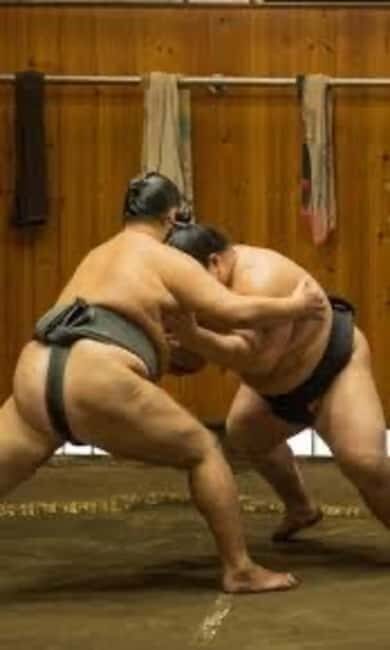
The headline experience is the participation piece. After the demonstrations and matches, you’ll have the chance to wear a traditional sumo outfit and step into the ring area. This is usually the part that turns a good show into a memorable story you can tell later.
Challenging a wrestler is the big payoff. You’re not expected to “win” in any serious sense. The point is to experience the scale of a rikishi and the feeling of being in that space, even briefly. Reviews consistently point out that people end up laughing, learning, and gaining respect for the craft the second they’re in position.
If you’re thinking about timing and nerves, plan to move from audience mode to performance mode without overthinking it. You’ll have staff support and the MC will guide the flow, but you’ll still want to be present. Simple things like loosening your stance and listening closely to instructions matter here.
And yes, photos happen. Some participants mention getting photo opportunities with the wrestlers, which is a nice bonus if you’re traveling with family or friends and want a keepsake.
Meet the English-speaking MC: history, rules, and crowd energy
A huge strength of this event is that the host keeps the pace lively while still teaching real content. Multiple English-speaking MCs are named in participant feedback, including Dai and Paula, and you may also see hosts such as Ali or Ari depending on the day. Whoever runs your session, the theme is the same: clear explanations plus humor that keeps the room loose.
This matters because sumo has a lot of “why” built in. You’re not only learning how wrestlers move; you’re learning why rituals exist, how rules affect strategy, and what seriousness sits underneath the smiles. When the MC explains technique and then you see it right away, the information sticks.
You’ll also likely get chances to interact with the crowd. Many people highlight how involved the audience feels during the program, from call-and-response moments to getting the room engaged before the live sparring segment.
Practical tip: if you’re traveling with kids or anyone who gets bored easily in museums, this kind of pacing helps. You’re not waiting for long explanations before something happens in the ring.
What live sparring teaches you (and what it doesn’t)
Live sparring is the perfect middle ground between a short demo and a full tournament. You get enough action to understand how sumo works under pressure, but the event stays short and accessible. It also avoids the complexity of following long tournament timelines, which can be confusing on your first trip to sumo.
What it doesn’t give you is tournament stakes. This is not a tournament, so there isn’t a full competition bracket or round-by-round progression. If you’re hoping to see a specific ranked match outcome in a formal tournament setting, you’ll need a different kind of ticket.
The upside is that you leave understanding more than you would after a generic spectacle. By the time the show ends, you can usually explain how matches end, why certain moves are attempted, and what the wrestlers are doing mentally. That’s a big part of the value.






Price and value: why $69 can work well for first-timers
At $69 per person for about 90 minutes, this isn’t the cheapest activity in Tokyo. But it’s also not trying to be. The value comes from what’s included: professional sumo sparring, an English-speaking MC, a welcome drink (bottled water), the chance to wear a sumo outfit, and the opportunity to challenge a wrestler.
For first-timers, the included guidance is often what makes the price feel fair. A raw performance ticket only works if you already know what you’re watching. Here, you get the explanations in the same session, so you’re not spending your time Googling rules on your phone.
Another point: you’re paying for access and participation. That ring challenge is not common at standard shows, and it’s the kind of hands-on moment that sticks.
One catch: food is not included. If you’re doing this in the evening, plan to eat before or after. Bottled water is provided, so you’re covered for hydration, but you’ll still want a meal on your schedule.
Getting there in Shinjuku: the meeting point and entry rule that matters
You’ll meet at the second floor of Sekisaku Building in Shinjuku. From there, pay attention to the entry rule: you’re only permitted through the front of the building facing the main door next to Daiso. That detail sounds minor until you’re standing outside at show time.
Also, the event follows a strict schedule. Late entry may not be accepted by the front desk, so build in buffer time. Shinjuku is easy to get lost in when you’re rushing, even if you know the area well.
If you’re coordinating with friends, set a meet plan that doesn’t rely on perfect timing. It’s smarter to be early than to gamble on getting in at the last minute.
Who this experience is best for (and who may want something else)
This works especially well if you:
- want a first taste of sumo without studying rules for days
- care about an English-guided explanation, not just a silent show
- are traveling with family, including kids who need action and interaction
- enjoy cultural experiences where you can participate briefly, not only watch
It may be less ideal if you:
- want a full tournament experience with formal match progression
- only want spectatorship and would rather skip the participation element
- are hoping for a meal-included package
The sweet spot is first-timers and mixed groups. The event is designed to keep adults informed while still being fun and approachable.
Potential drawbacks to think about before you book
The biggest limitation is that it’s not a tournament. If your goal is tournament-style competition, this show won’t match that expectation.
The second consideration is schedule sensitivity. Since entry can be refused for late arrivals, you need to treat show start time as real, not flexible. Build in extra time for finding the building entrance next to Daiso.
Finally, remember that food isn’t included, so plan a dining stop around your 90-minute window. The bottled water welcome helps, but it won’t replace an actual meal.
Should you book this Shinjuku sumo experience?
I’d book it if you’re a first-time visitor to sumo and you want to understand what you’re seeing in real time. The mix of rituals + technique + live sparring, plus the English MC and the ring participation, gives you a complete arc in a short window.
Skip it if you’re specifically chasing tournament stakes or you’re not interested in participating at all. For everyone else, this is a strong Shinjuku choice because it turns a cultural tradition into something you can actually follow, feel, and remember.
If you’re deciding between “watching sumo” and “learning sumo fast,” this is built for learning without killing the fun.
FAQ
How long is the Tokyo Shinjuku sumo experience?
The experience lasts 90 minutes.
What does the $69 price include?
It includes professional sumo wrestling matches, an English-speaking MC, a welcome drink (bottled water), the opportunity to wear a traditional sumo outfit, and the chance to challenge sumo wrestlers.
Is this a sumo tournament?
No. This is not a tournament.
Where do I meet for the show?
You meet at the second floor of Sekisaku Building in Shinjuku.
What language is the tour guide?
The show is guided in English.
Is food included?
No, food is not included.
What is the entry rule for the building?
Entry is permitted only through the front of the building facing the main door next to Daiso, and the show follows a time schedule.
Can I get a refund if I cancel?
Yes. You can cancel up to 24 hours in advance for a full refund.
Can I reserve first and pay later?
Yes. You can reserve now and pay later.