Sapporo clicks into place with a local guide. This private walking experience is designed to save you time and keep you from fumbling with maps, while still letting you shape the day around your interests. You get a guide who builds a plan after a short questionnaire, then walks you through key Sapporo highlights and the quieter spots people actually use.
I especially like the flexibility: on a good day you can lean more food, more history, or more views, and your guide can pivot when plans meet reality (like weather or energy levels). Names that came up in real experiences include Ryo (Leo), Shiunn, Emilio, Akihiro, and Zarina, and the common thread is that they take time to tailor the route and pace to you.
The main drawback to consider is that this is not a rigid checklist tour, so the day can feel uneven if your guide and itinerary don’t match your expectations—one guest described a rainy afternoon that became aimless wandering. If you care a lot about history only, or you want minimal shopping time, it helps to say so early.
In This Review
- Why This Sapporo Private Tour Works So Well
- Meeting Point at Sapporo Station: Start Easy, Not Stressful
- The “Private” Part: How You Actually Customize the Route
- Maruyama Park: The Seasonal Stop That Feels Like Sapporo’s Mood Ring
- Sapporo Clock Tower and the Wooden Past
- Sapporo Beer Museum: Beer Culture Without the Tourist Trap
- Nijo Fish Market: Where Hokkaido Seafood Becomes Real
- Hokkaido Jingu and a Quiet Park Walk in the Trees
- Optional Views and Side Quests: Ski Lift, JR Tower, and More
- Price and Logistics: What $109.98 Buys You in Real Terms
- How to Get a Great Day: Small Messages That Matter
- Who Should Book This Sapporo Walking Tour
- Should You Book This Sapporo Private Tour?
- FAQ
- How long is the Sapporo private tour?
- Is this tour mostly walking?
- Where does the tour start and end?
- What’s included in the tour price?
- Are food, drinks, and attraction tickets included?
- Can I customize the itinerary?
- Is there a refund if I need to cancel?
Why This Sapporo Private Tour Works So Well
- Local planning, not a scripted route: you answer a pre-tour questionnaire, and your host adjusts the day around your likes.
- A practical walking-based format: you get orientation and context on foot, with public transit or taxi used when it saves time.
- Seasonal Sapporo in one pass: the park stop is chosen for what’s happening right now (flowers, winter scenery, and festival energy).
- Big “Sapporo” icons plus everyday food stops: Clock Tower and the beer museum sit next to markets where you can actually taste the city.
- Serious flexibility when weather changes: several guides were praised for adapting, including reworking plans around snow festival days.
Meeting Point at Sapporo Station: Start Easy, Not Stressful
You begin at the Hokkaido-Sapporo Tourist Information Centre on the west side of JR Sapporo Station (Kita 6 Jōnishi area). It’s a helpful choice: you’re already in the city’s transport hub, so you can get there without guesswork.
This tour ends back at the meeting point. That’s convenient if you’re hopping to dinner afterward, but it also means your guide will manage the loop—so ask if you’d prefer to finish near your hotel if that matters to you.
One small detail that makes a difference: your host can communicate directly with you after booking, and guests reported using WhatsApp to coordinate pace and walking level. That kind of back-and-forth tends to produce a smoother day, especially if you’re jet-lagged or traveling with anyone who needs gentler pacing.
You can also read our reviews of more private tours in Sapporo


The “Private” Part: How You Actually Customize the Route
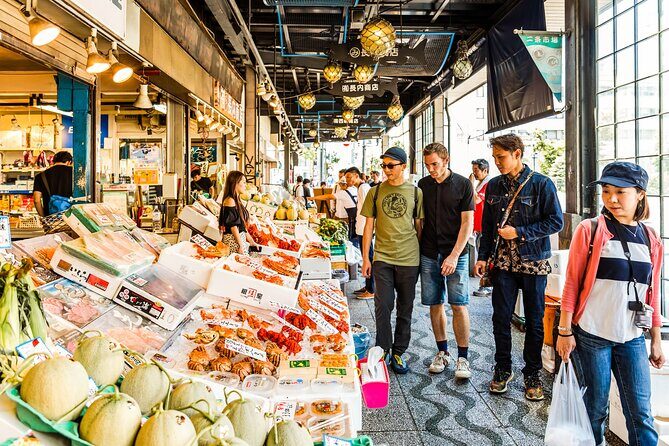
This is a private experience, meaning it’s just your group. That matters in Sapporo because the “right” plan depends on your style: some people want food first, others want temples and history, and others want views and photo stops.
The tour includes a pre-tour questionnaire, and your guide contacts you to craft the day based on your must-sees. In practice, that’s what turns a handful of attractions into a coherent storyline—Sapporo’s neighborhoods, food habits, and seasonal rhythms.
You should know one more thing: the tour is mainly walking, and there’s no private vehicle included. Transfers by subway/bus (sometimes taxis) may happen, and the exact costs can be discussed with your host after reservation details are finalized. If you have mobility concerns, talk about pace and transit early so you don’t end up stuck with more walking than expected.
Maruyama Park: The Seasonal Stop That Feels Like Sapporo’s Mood Ring
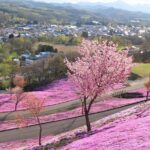
A central green space is part of the plan, and it changes dramatically by season. Think snow festival sculptures in winter, then spring/summer flowering and color when the weather turns.
Why this works: it’s a natural buffer between busy districts. You get a breather, your guide can explain what locals do there at different times of year, and you start collecting the little “Sapporo details” that you’d miss if you only hit buildings.
In real experiences, Maruyama Park showed up as a highlight, often paired with nearby shrine time or a meal stop. If you’re traveling at a time when Sapporo feels extra alive—winter lights, festival crowds, or just pleasant summer walks—this park is a smart anchor.
Watch-outs: the park walk can be longer depending on your route. If you prefer minimal walking, tell your guide early so the park experience doesn’t turn into a marathon.
Sapporo Clock Tower and the Wooden Past

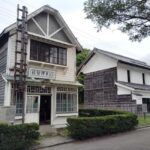
Next comes one of the city’s most recognizable landmarks: a 19th-century wooden building that tells you how Sapporo grew from early development into a modern city. Your host shares the history and how that old architecture connects to what you see today.
This is where the tour can be either a great history hit or a mild overview—depending on what you request. Several guides were praised for knowledge and storytelling, but one guest did note that they didn’t get much historical content. So if history is a top priority, say that clearly when you message your guide.
How to get the best out of this stop: ask for context that matches your curiosity. For example, don’t just ask what a building is—ask how it influenced the city’s early identity, or what Sapporo looked like around that era.
Sapporo Beer Museum: Beer Culture Without the Tourist Trap
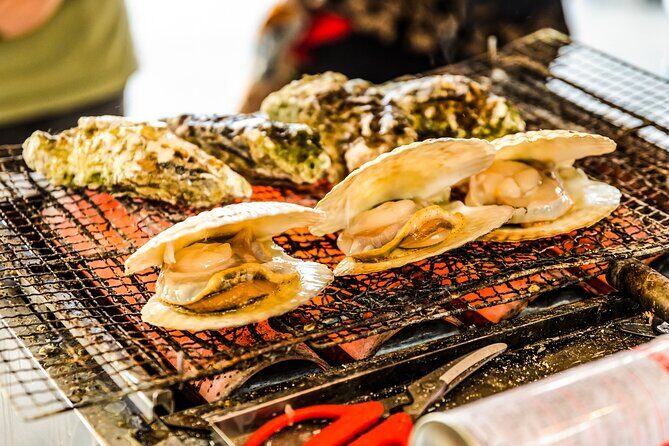
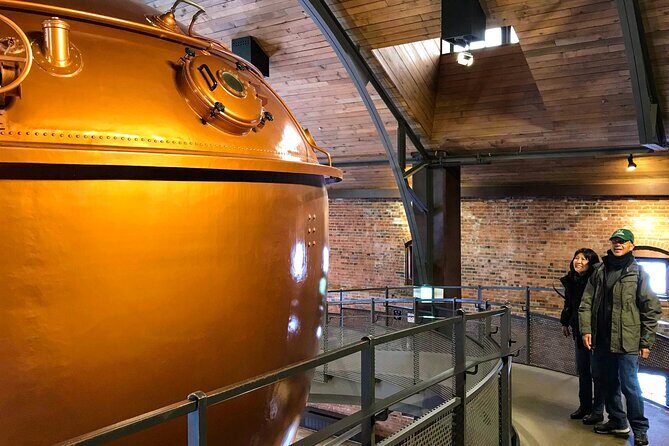
The tour includes a visit to Japan’s only beer museum. Even if you don’t consider yourself a beer person, this stop often works because it’s part museum, part cultural story, and part Sapporo identity.
Your host can guide you through the history of Sapporo beer, and you may also have options for a tasting guided by local recommendations. That’s a nice way to turn “I heard of Sapporo beer” into an actual experience with flavor and context.
Value angle: you’re not just paying for “a building visit.” A museum stop plus a possible tasting is often a better use of paid guide time than just adding another photo spot.
One consideration: if you strongly prefer non-food activities, you can still enjoy this as a cultural stop. Just tell your guide you’d rather keep tastings optional or skip them.


Nijo Fish Market: Where Hokkaido Seafood Becomes Real
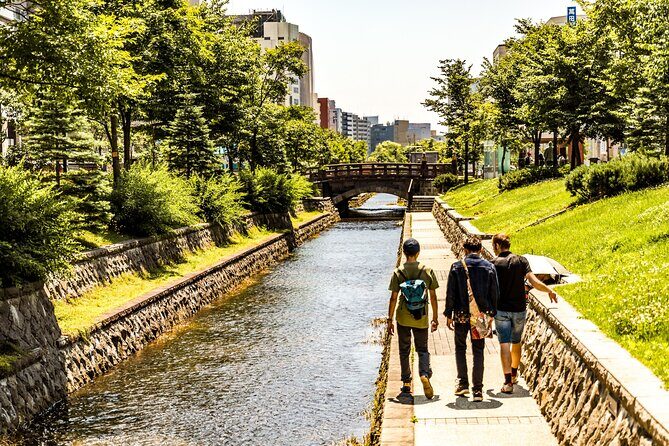
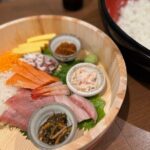
A seafood market is on the list, and it’s the kind of place that instantly explains why Hokkaido food tastes the way it does. This is the part where you can sample items like crab and sea urchin, while your guide connects the dots between the ingredients and Sapporo’s culinary culture.
The payoff here is direct: markets are made for curiosity. You can ask questions, see how vendors display products, and get suggestions that match what you actually like—whether that’s something rich and briny or something lighter.
In real tour experiences, people highlighted local seafood, ice cream, curry soup noodles, and general food guidance. That’s the hidden value of bringing a host: you don’t have to decode menus or figure out what’s worth paying for.
What to plan for: markets can be busy and time can move fast. If you’re sensitive to crowds or prefer a slower pace, ask your guide to schedule more browsing time rather than rushing through.
Hokkaido Jingu and a Quiet Park Walk in the Trees
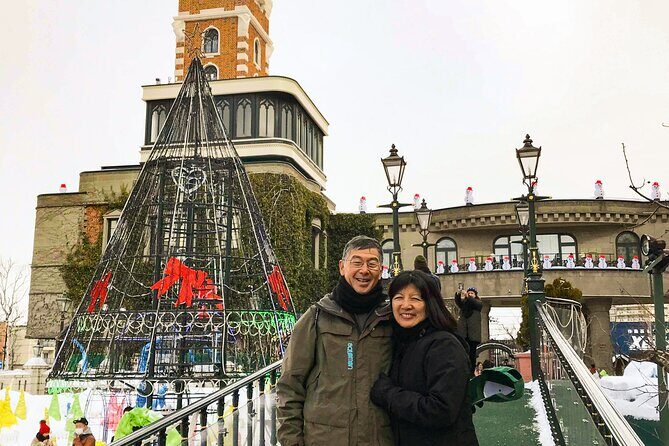
After the food intensity, the tour shifts to calm. The itinerary includes a tranquil park and spiritual site beloved by locals, known for walking paths, seasonal blossoms, and a serene forest setting.
Why it’s a smart contrast: Sapporo can feel intense in winter crowds or around station areas. Adding quiet nature and a shrine stop gives your brain a reset and helps you understand how locals balance city life.
This stop is often remembered as part of an easy, scenic walk paired with other major landmarks. One guest specifically mentioned the Hokkaido Jingu shrine as a satisfying component of a highlights-focused day.
Practical note: if weather is rough, this can still be a good stop because it’s generally easier to adjust time inside/outside than it is at places that depend on specific outdoor timing. Still, ask how your guide handles rain so you don’t lose momentum.
Optional Views and Side Quests: Ski Lift, JR Tower, and More
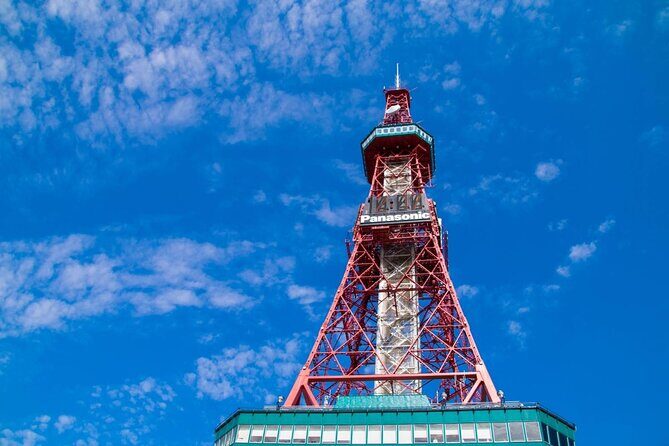
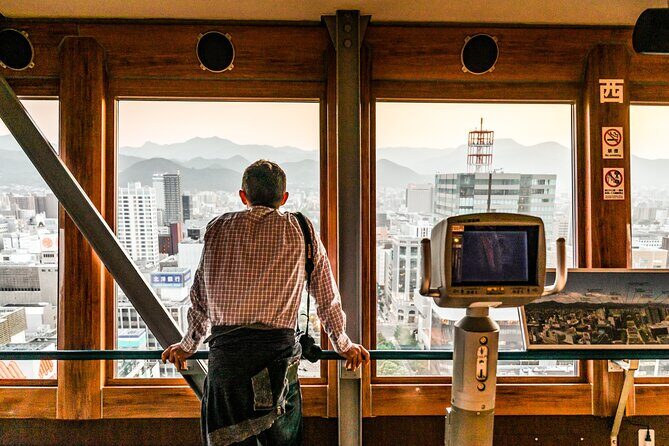
Depending on how much time you book (3 to 8 hours) and what you like, your guide may add city views. Examples mentioned in real experiences include Okurayama Ski Jump views via a lift and the view from the JR Tower.
These add-on style moments are valuable for one simple reason: you get Sapporo’s scale. You see how the city spreads out and where neighborhoods sit, which makes your later sightseeing feel more connected rather than random.
If you’re traveling with family, or you want something that feels fun without being complicated, a lift or viewpoint can be a strong choice. One family experience also noted snow-related fun when conditions were right, which is exactly the kind of “timing matters” benefit you get with a flexible guide.
Caution: viewpoints are weather-dependent. If skies are flat and gray, ask your guide how they’ll handle the plan—whether they’ll shift to more sheltered stops or swap in an indoor option.
Price and Logistics: What $109.98 Buys You in Real Terms
At about $109.98 per person, this isn’t a bargain bus tour. But you’re paying for a private local host, personalized route planning, and a guide who helps with navigation and recommendations on the ground.
Here’s how to judge value fairly:
- If you have only a short time in Sapporo, this can save you hours of planning and indecision.
- If you want food guidance, a market visit plus restaurant tips often feels like the best return on guide time.
- If you’re the kind of traveler who enjoys stories and context, a human guide beats a phone screen.
Logistics to keep in mind:
- It’s primarily walking, not a vehicle tour.
- Public transport or taxis may be used between sites.
- The tour ends where it started, which is convenient but can limit your ability to finish near a different part of town.
Based on the overall ratings and feedback, most people feel it’s worth it—especially when the guide listens and adjusts. The one clear caution is that quality can vary if planning doesn’t handle bad weather well or if the itinerary drifts away from your interests.
How to Get a Great Day: Small Messages That Matter
If you want to avoid the kind of disappointment that comes from an unfocused rainy afternoon, you can set your guide up for success fast.
Before the tour, be specific about:
- Top 2 priorities (food, history, parks, views)
- Anything you want to avoid (heavy shopping time, long indoor-only days, very long walks)
- Your ideal pace (casual, moderate, or slow)
A helpful trick: ask your guide to propose two versions of the day—one for clear weather and one for rain. That small step tends to prevent the “we’ll see” chaos that can happen when skies turn.
Also, if you’re traveling during the snow festival or a busy seasonal window, don’t assume you can move through everything at the same speed. Ask for realistic timing and whether you’ll prioritize the areas with the best atmosphere.
Who Should Book This Sapporo Walking Tour
This works best if you:
- Want a high-signal orientation to Sapporo in limited time
- Like a mix of landmarks and local food moments
- Prefer walking with guidance over DIY navigation
- Value someone tailoring the day to your interests
It may be less ideal if:
- You only want strict historical sights and don’t want any flexibility toward food/parks/markets
- You expect a fully scripted route regardless of weather
- Your group wants lots of transport by vehicle, since this is mainly a walking experience
On balance, it’s a good fit for most travelers because it combines major Sapporo touchpoints with choices that feel personal.
Should You Book This Sapporo Private Tour?
I’d book it if you want an efficient, human-led day and you’re open to letting the guide shape the route. The strong pattern in feedback is that guides like Ryo (Leo), Shiunn, Emilio, Akihiro, and Zarina often made the experience feel custom, especially when food and seasonal experiences mattered.
I’d think twice only if you’re the type who needs a fixed itinerary no matter what the weather does, or if you’re traveling with strict limits and you can’t walk much. In those cases, message the guide very clearly about pace and preferences before you go.
If you do book, send those priorities up front. You’ll get more out of the same stops, and your guide will have the chance to steer the day where you’ll enjoy it most.
FAQ
How long is the Sapporo private tour?
The experience runs for about 3 to 8 hours, depending on the option you choose and how your guide structures the day.
Is this tour mostly walking?
Yes. It’s primarily a walking experience, and a private vehicle is not included. Public transport or local taxis may be used between stops, depending on your route and timing.
Where does the tour start and end?
It starts at the Hokkaido-Sapporo Tourist Information Centre near Sapporo Station’s west side. The tour ends back at the same meeting point.
What’s included in the tour price?
You get a private, personalized walking experience with insider tips from a local host, plus a pre-tour questionnaire and direct communication to plan your itinerary and recommendations.
Are food, drinks, and attraction tickets included?
No. Food, drinks, and tickets to attractions are not included, though your guide can recommend local options.
Can I customize the itinerary?
Yes. After booking, you’ll answer a short questionnaire, and your host will reach out to tailor the day to your interests and must-sees.
Is there a refund if I need to cancel?
The tour offers free cancellation up to 24 hours in advance for a full refund. If you cancel within 24 hours, you don’t receive a refund.