REVIEW · SAPPORO
Wagashi traditional japanese sweets class
Book on Viator →Operated by Sushi Roll DESIGN Workshop · Bookable on Viator
Wagashi class beats typical Sapporo stops. You’re in the one place in Sapporo where you can learn traditional wagashi-making in a local home setting, led by Yuki, who’s been featured on TV, radio, and in newspapers. The star lesson is making nerikiri, those jewel-like sweets that use color and texture to match the seasons.
What I really like is the small-group feel (it caps at 12) and the calm, focused way the class is run, not a rushed factory-tour vibe. You also get practical support—English instructions and written steps—so you can actually follow along instead of guessing at techniques.
One thing to plan for: the class is in the Makomanai area, and the drive out to the home is part of the deal. If you’re trying to keep every hour in the city center, this commute can feel like a lot.
In This Review
- Quick, high-value takeaways
- Getting There: Makomanai Station to Yuki’s Home (and why it matters)
- What Wagashi Teaches You: Nerikiri and the Seasonal Art of Sweets
- How the Class Runs: Tea, Calm Focus, and Clear English Steps
- Your Actual Wagashi Journey: From Paste Work to Finishing Touches
- Pairing This With a Sapporo Day: When to Book and What to Skip
- Price and Value: Is $59.31 a Good Deal?
- Who Should Book This Wagashi Class (and who might not)
- Should You Book This Wagashi Class in Sapporo?
- FAQ
- Where does the wagashi class start and end?
- How long is the experience?
- How much does it cost?
- Is pickup available?
- How many people are in the class?
- What wagashi will you learn to make?
- Is Yuki the only instructor for this class in Sapporo?
- Does the class support English speakers?
- Will there be tea and sweets to eat?
- What is the cancellation policy for a full refund?
Quick, high-value takeaways
- Only-Yuki wagashi instruction in Sapporo: this is the only class of its kind there.
- Small group size (max 12): more one-on-one help at your table.
- Nerikiri-focused technique: you learn one of wagashi’s most delicate styles.
- English support plus written instructions: you can keep the steps after class.
- Tea and tasting right in the lesson: it’s not just hands-on making.
- A real local-home setting: quieter surroundings, away from Sapporo’s main tourist lanes.
Getting There: Makomanai Station to Yuki’s Home (and why it matters)
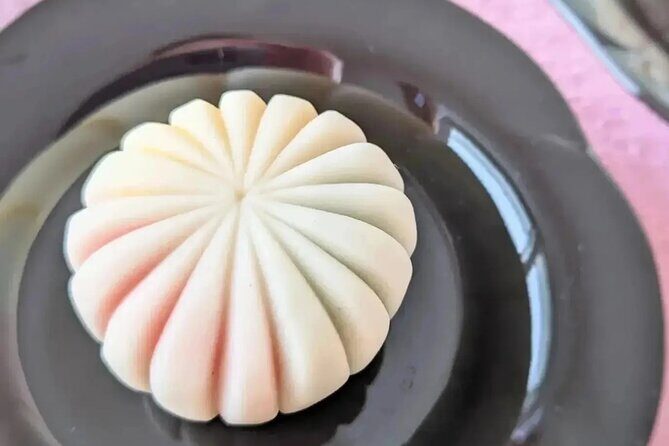
This starts at Makomanai Station in Sapporo. Your day’s pacing changes right away, because you’re not staying locked into the downtown loop. In practice, you meet, then you’re taken out to Yuki’s home by pickup service.
Why I like this setup for you: wagashi is partly about patience and attention. Doing the class in a calmer neighborhood makes it easier to slow down and focus on details like shape, thickness, and how the paste behaves. Several people also describe the ride to the house as scenic—through mountain-region views—so you’re not just commuting. You’re switching environments.
The main drawback is simple: it’s not a quick hop from Odori Park. If your sightseeing style is sprint-sprint-sprint, this may feel like you’re spending time getting there. But if you want a break from the city crowds, the location is part of the charm.
Also note the format: the class ends back at the meeting point. So you’re not stuck figuring out your return.
You can also read our reviews of more tours and experiences in Sapporo.



What Wagashi Teaches You: Nerikiri and the Seasonal Art of Sweets
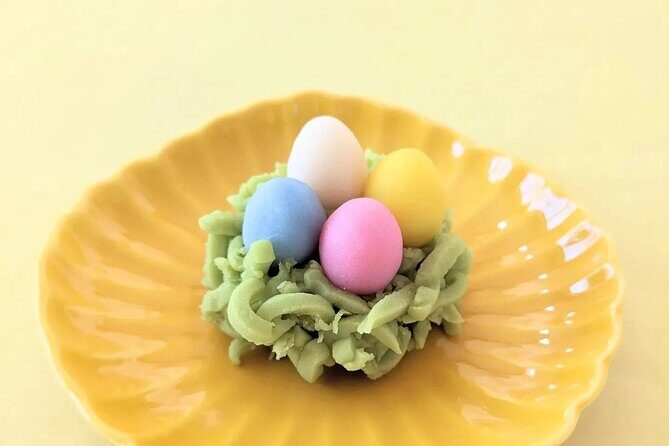
Wagashi is traditional Japanese sweets with roots more than 1,000 years old. The class frames it in the way it’s meant to be understood: wagashi isn’t only about taste. It’s about season, look, and an elegant sweetness that isn’t heavy.
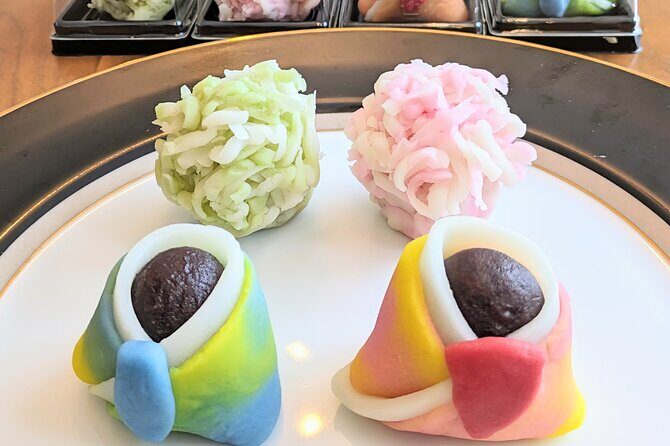
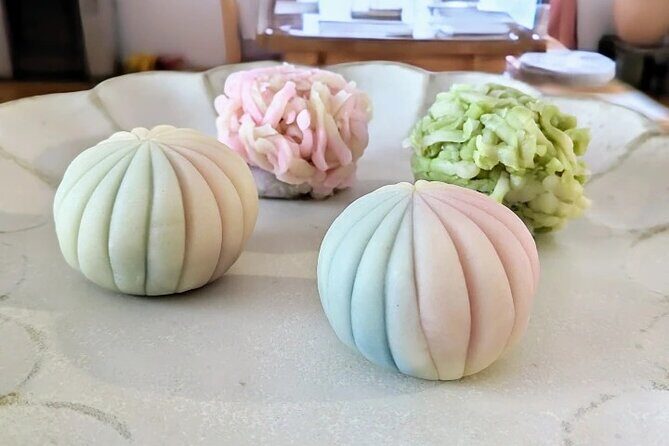
The practical highlight here is learning nerikiri. Nerikiri is known for being one of the most delicate and beautiful wagashi styles. In a short, two-hour experience, you’re not becoming a master artisan—but you are learning the core moves that make nerikiri different from simpler sweets. That’s the real value: you leave with an understanding of why it looks like living artwork, not just dessert.
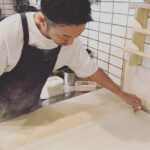
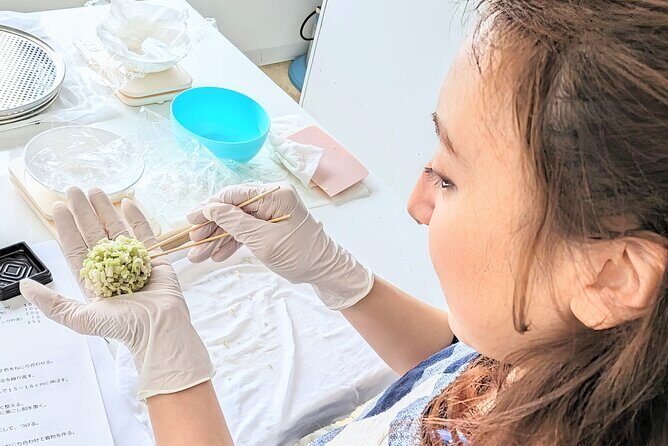
In the class setting, you’ll shape, work the paste, and create sweets you can eat during or after making. People also describe the result as cute, beautiful, and tasty—which matters because wagashi is often shared for special occasions. This is a make-and-taste moment, not a demo where you watch and move on.
How the Class Runs: Tea, Calm Focus, and Clear English Steps
The overall vibe is warm and peaceful. This is the kind of experience where you can hear yourself think while you work with fine textures. One repeat theme from past participants is that Yuki keeps the room orderly and runs a highly organized setup—so you spend less time figuring out what to do and more time practicing the technique.
You’ll also get tea. Several people mention hot match tea served in Japanese teacups. It’s a small detail, but it helps anchor the cultural side of the class. You’re not just cooking sugar; you’re following a ritual pacing that fits the sweets.
On the instruction side, you’re not left to language guesswork. Yuki speaks English well, and you get clear explanations plus written English instructions you can keep. That matters if you want to remember the steps later—or try something similar back home.
A few other practical wins people mention:
- Hygiene is taken seriously during preparation and handling.
- Yuki explains background, including history of the sweets you’re making.
- The atmosphere encourages questions, not just quiet compliance.
And yes, the class is small—maximum 12—so you’re more likely to get hands-on correction when your shaping looks off.
Your Actual Wagashi Journey: From Paste Work to Finishing Touches
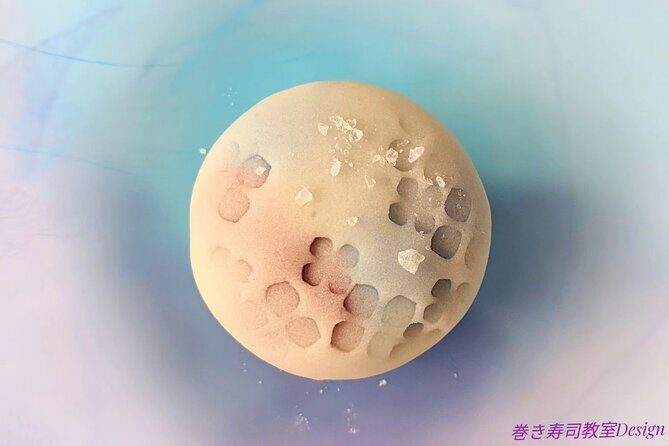
With two hours, the class has to be efficient. That’s not a bad thing. It keeps the energy up and prevents that awkward middle-time where you’re tired but still waiting for instructions.
Here’s what the experience generally feels like, step by step:
- Arrive at the home table and get settled with tea.
- Learn the technique for nerikiri—how to handle the paste, shape carefully, and refine the final look.
- Make your sweets with Yuki guiding the process.
- Taste your creations as part of the experience.
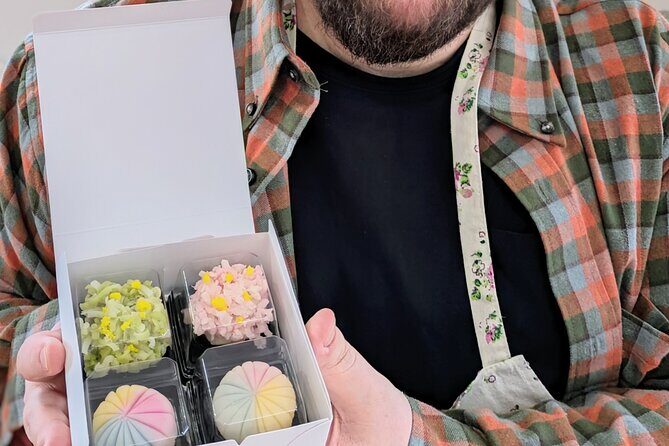
- Pack up your wagashi in nice containers before you head back.
A couple of participants specifically describe making two kinds of sweets, with multiple pieces each. Even if your exact set differs slightly, the structure is consistent: you’re actively shaping, not passively observing.
Take-home packaging is also a real practical win. If you’re traveling around Hokkaido, you want something that won’t turn into a sticky mess in your bag. People mention sweets being packed nicely, and that you’re brought back to the station afterward.
If you’re nervous about technique, don’t overthink it. Wagashi rewards careful attention more than speed. The class format is designed for learning, and Yuki’s instruction style is described as patient and deliberate.
Pairing This With a Sapporo Day: When to Book and What to Skip
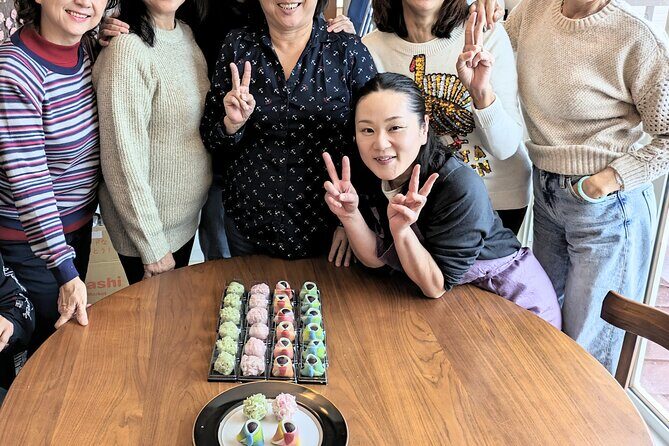
This class is about quality, not checklist completion. I’d place it on a day when you don’t have 10 other “must-do” items stacked. You’re going to leave with sweets and a new skill focus—so plan your next meal and your timing accordingly.
Because the location is away from the city center, I think it works especially well if you:
- want a break from the main tourist corridors,
- enjoy workshops that feel like a window into daily life,
- like food culture that’s detailed rather than flashy.
What to skip: don’t schedule this as the first thing you do after a long flight if you know you’ll be dragging. The commuting time plus the fine-motor work can be a lot when you’re jet-lagged. Instead, treat it like a mid-day reset or an afternoon cultural stop.
One more tip: if you also like sushi, the provider notes a separate flower sushi roll class option. They say that sushi roll making is easier than this wagashi class, and besides Yuki there are three other sushi roll instructors. If you’re trying to fit both, wagashi is the one that will demand the most concentration.
A few more Sapporo tours and experiences worth a look


Price and Value: Is $59.31 a Good Deal?
At $59.31 per person, this isn’t the cheapest food activity in Sapporo. But it’s also not a generic tasting.
Here’s why the value can be strong for you:
- You’re learning a technique, not just sampling sweets. Nerikiri is complex, and getting step-by-step guidance is the point.
- Small group size (max 12) improves your odds of real help.
- You get cultural context, including explanations about the sweets and tradition.
- Tea and tasting are part of the flow, and the experience ends with sweets packed to take home.
- Pickup is offered, which reduces the stress of getting to a suburban home base.
If your main goal is only to eat something delicious, you could probably find cheaper desserts around Sapporo. But if you want an experience that leaves you with a skill, a story, and something you made yourself, this price starts to look fair.
Who Should Book This Wagashi Class (and who might not)
This is a great match if you want:
- an authentic, local-home feel (not a showroom),
- a calm workshop with clear English guidance,
- a chance to learn nerikiri, a signature wagashi style.
It may be less ideal if:
- you hate commuting time and want everything within walking distance of Sapporo’s center,
- you’re looking for a high-energy, big-group show,
- you’d rather watch than make (this class is built for hands-on work).
The upside is that the pace is friendly. People describe it as relaxing and fun—especially because it’s focused. Even if the technique feels tricky at first, the structure helps you succeed by the end.
Should You Book This Wagashi Class in Sapporo?
If you’re spending time in Sapporo and you’re even mildly curious about traditional Japanese sweets, I’d book this. The biggest reason is simple: it’s the only wagashi class in Sapporo taught by Yuki, and the format is small, structured, and supported with English instructions plus written steps.
Book it when you can give it your attention, not when you’re racing through the city. And if you’re the type who loves learning one craft deeply—rather than collecting 20 quick souvenirs—this is a strong use of your time and money.
FAQ
Where does the wagashi class start and end?
The class starts at Makomanai Station and ends back at the same meeting point.
How long is the experience?
It lasts about 2 hours.
How much does it cost?
The price is $59.31 per person.
Is pickup available?
Yes. Pickup is offered.
How many people are in the class?
There is a maximum of 12 travelers.
What wagashi will you learn to make?
You learn how to make nerikiri, a delicate and beautiful traditional Japanese sweet.
Is Yuki the only instructor for this class in Sapporo?
Yes. The class is described as the only one in Sapporo, and only Yuki can teach you in Sapporo.
Does the class support English speakers?
Yuki speaks English, and you receive clear instructions along with written English instructions you can keep.
Will there be tea and sweets to eat?
Yes. The class includes hot match tea served in Japanese teacups, and you make sweets that you can enjoy as part of the experience.
What is the cancellation policy for a full refund?
You can cancel for a full refund if you cancel at least 24 hours in advance. If you cancel less than 24 hours before, you won’t get a refund. Free cancellation is available.