REVIEW · SAPPORO
Sapporo: Sumo Show Experience with Japanese food & Photo
Book on GetYourGuide →Operated by Kronosgaia Co.,Ltd. · Bookable on GetYourGuide
One word: fun. This Sapporo show turns sumo rules and rituals into a dinner-and-a-performance evening that adults and kids can actually follow, thanks to bilingual commentary and a host who keeps things moving.
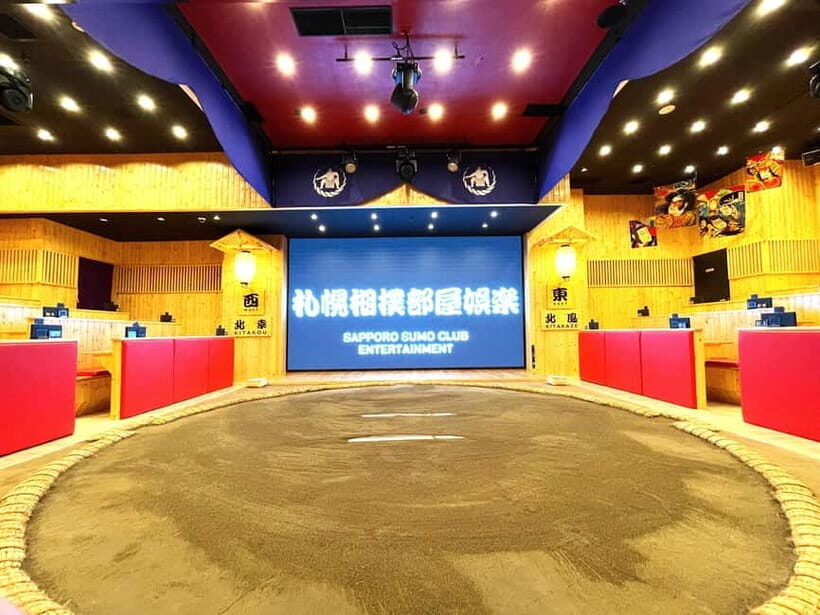
I love how close you sit to the dohyo (the ring). Even without front-row upgrades, the layout is designed so you’re not watching from far away—you feel the strikes, the stomps, and the tension of the big moments.
My only real caution: the show is entertainment-first. If you’re hoping for a long sequence of tons of competitive bouts like a real tournament day, you may wish you saw a bit more match time.
In This Review
- Key Points I’d Prioritize
- Sapporo’s Retired-Rikishi Show: What Makes It Work
- Getting There: Minami 4-Nishi 2 Basement and a Smooth Start
- The Meal: Chicken Hot Pot and Your Sumo-Style Dinner Choice
- From History to Rules: Bilingual Commentary That Actually Helps
- The Show in Motion: Maiko Dance, Mochi Pounding, Then Competition
- Getting Into the Ring: The Sumo Challenge (Lottery or Representative)
- Seating and View: Dohyo Close-Up Without the Stress
- Photo Moment and Gift Bag: The Part You’ll Actually Keep
- Price and Value: Is $77 Per Person Fair?
- Who Should Book This Sumo Show in Sapporo
- Should You Book It or Skip It?
- FAQ
- FAQ
- How long is the Sapporo sumo show experience?
- Where do I meet for the show?
- What’s included in the price?
- Can I participate in sumo wrestling?
- What food options are available?
- Is gluten-free or halal food available?
- Is the venue accessible for wheelchairs or for babies?
Key Points I’d Prioritize
Bilingual guidance makes the rules and rituals easy to grasp
Intimate ring view helps you see what matters in sumo
Interactive parts can put you in the ring (limited slots, lottery if needed)
Food is built in: chicken hot pot plus a Japanese set meal option
You leave with keepsakes: framed photo with former wrestlers plus a souvenir gift bag
Sapporo’s Retired-Rikishi Show: What Makes It Work
Sapporo is a great base for Hokkaido food and winter sightseeing, but it’s also full of indoor activities when the weather turns. This sumo experience is one of the easiest “yes” picks because it’s not just a show—you get the context first, then the action, then the food, then the photo.
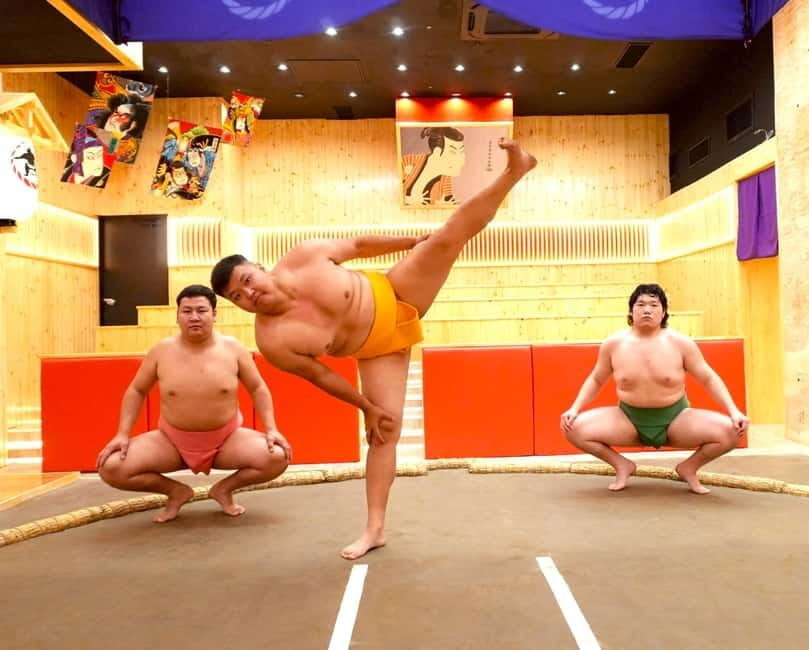
The format is family-friendly without being dumbed down. You learn why sumo looks the way it does: the routines, the etiquette, and the rhythm of matchups. Then retired former wrestlers step into the ring for serious bouts that give the performance credibility. It’s a smart balance.
And the tone matters. The host and staff don’t treat this like a stiff lesson. They treat it like an evening you’ll remember—especially because the ring seating is designed for real viewing, not back-row “guessing what happened.”
You can also read our reviews of more food & drink experiences in Sapporo

Getting There: Minami 4-Nishi 2 Basement and a Smooth Start
The meeting point is simple: it’s on the basement floor of the Minami 4-Nishi 2 building. There’s no hotel pickup, so you’ll want to find it on your own or with help from your hotel front desk.
Timing is also straightforward. The whole experience runs about 2 hours, and you’ll see the schedule when you check available start times. In practice, that means you’re not committing to a huge chunk of the day—ideal if you’re trying to fit in a Sapporo dinner and still keep energy for the rest of your trip.
One practical note: the event isn’t set up for wheelchair users, and babies under 1 year aren’t included. If you fall into either of those categories, plan a different activity.
The Meal: Chicken Hot Pot and Your Sumo-Style Dinner Choice
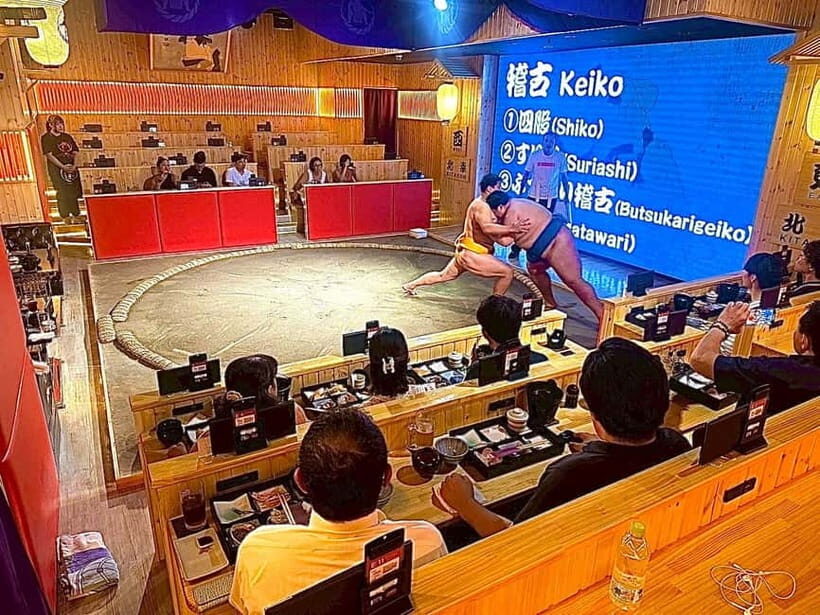
Food is a major part of why this is good value at the stated price. You’re not just buying a ticket to watch fights; you sit down to a Japanese meal included with your show.
Depending on the option you reserve, you can see a setup like this:
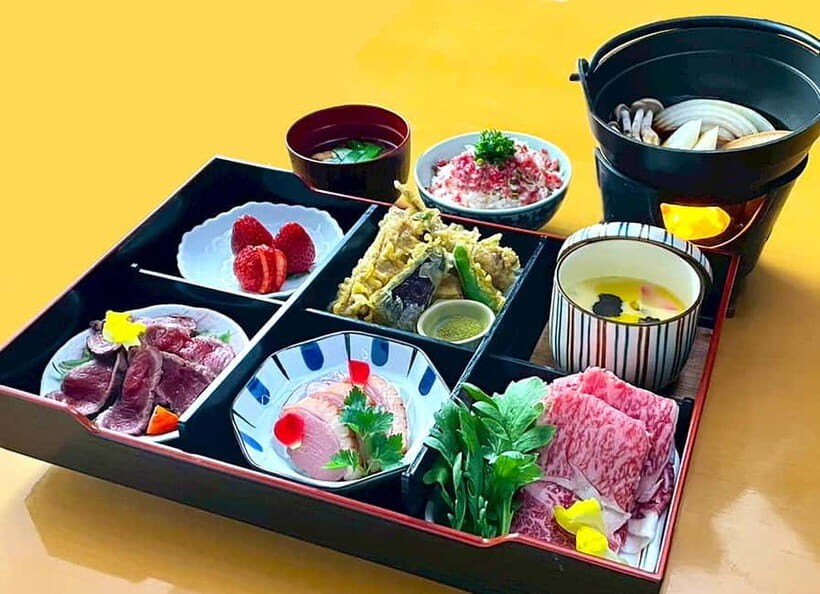
- Chicken hot pot is included as part of the meal experience.
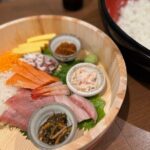
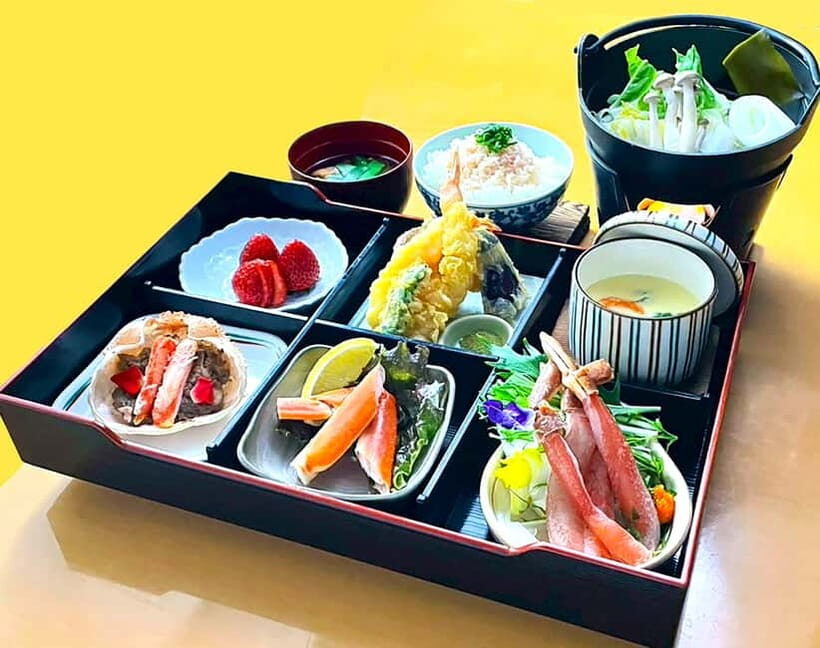
- A Japanese set meal follows, with options such as wagyu beef sukiyaki and tempura (the typical default) or alternatives you can choose when booking, like crab shabu-shabu, plus vegetarian options.
If you want vegetarian or vegan, request it at least 2 days prior. Also, if you follow a strict diet like gluten-free or halal: the data here says gluten-free and halal meals aren’t provided, but you’re welcome to bring your own food. That’s not the most convenient detail, but it’s clear enough that you can plan ahead.
One more tip from real-world feedback: most people rate the food highly, but a smaller number mention dishes weren’t served as hot as they expected. If “temperature matters to you,” it’s worth knowing that this is the one area where the experience can vary.
From History to Rules: Bilingual Commentary That Actually Helps
Sapporo’s show leans into teaching. You’ll get a moderator leading bilingual commentary (English and Japanese), and the staff explain sumo through:
- rules and rituals
- what the audience should watch for
- the logic behind techniques
You don’t need prior sumo knowledge. The commentary is built for people who are seeing sumo in person for the first time. That’s a big deal because sumo has a lot going on in a very short time. Without guidance, you’d miss what makes a moment important.
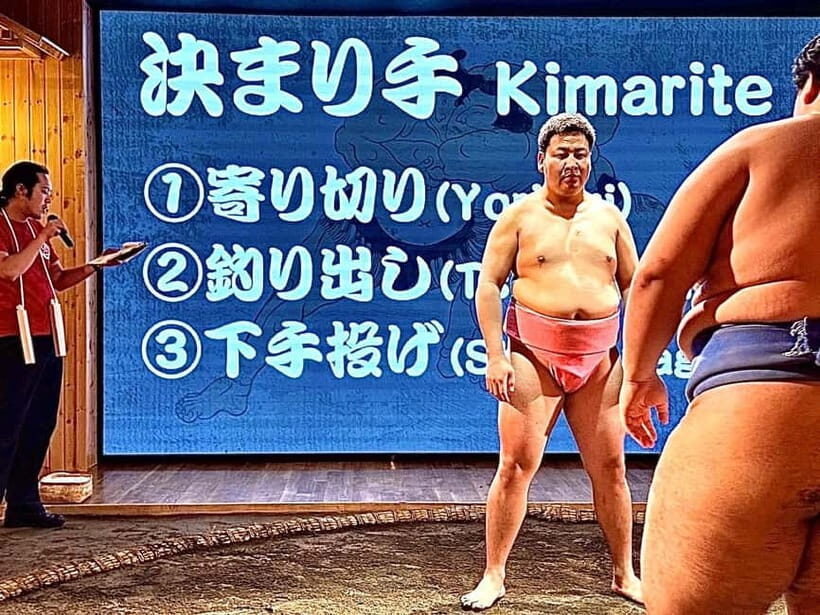
A helpful detail: the show includes demonstrations of key elements like asa geiko (morning exercises) and kimarite (techniques), plus the do’s and don’ts of match conduct. You’ll see these as “what to look for” tools, not just trivia.
And yes, it’s structured for kids too. That doesn’t mean it skips the meaningful stuff—it means it explains it in a way people can follow while they’re watching action.
The Show in Motion: Maiko Dance, Mochi Pounding, Then Competition
Most of the best parts come after the meal starts. You’ll usually begin with videos and explanations, then cultural moments and hands-on segments.
Common opening elements include:
- Maiko or geisha-style dance on stage
- mochi pounding (the crowd gets involved)
- sometimes a playful experience like trying sumo in a costume-style setup (the details can vary by run)
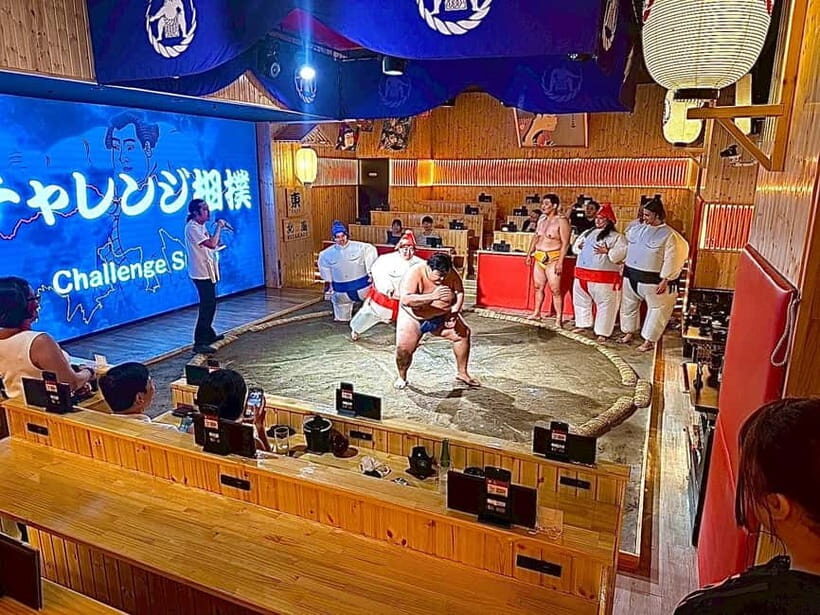
Then the sumo portion kicks in. The competitive segment is described as a best-of-three style matchup called tachiai, and you’ll watch former wrestlers go head-to-head. This is where the mood changes from “entertainment” to “okay, this is real.”
What I like about this structure is pacing. You don’t go straight into conflict. You warm up first with culture and explanation, and then you get the intensity when everyone understands the basic flow.


Getting Into the Ring: The Sumo Challenge (Lottery or Representative)
This is one of the headline features, and it’s also where you’ll feel the show’s family-friendly design most clearly.
You may be able to challenge the wrestlers in the ring. The event is explicit that participation is limited—so not everyone can do it in each show. If there are too many applicants, your group might get one representative, or it may come down to a lottery.
Still, even without participating, you’ll benefit. Why? Because the interactive moments teach you sumo basics in a way watching alone can’t.
If you want a better chance at personal interaction, your best move is to pick a time slot that’s likely less packed. One run shared that a 5:00 p.m. showing felt more direct because there were fewer people. You can’t guarantee that on every date, but it’s a good strategy: choose a less busy slot if you see that option.
Seating and View: Dohyo Close-Up Without the Stress
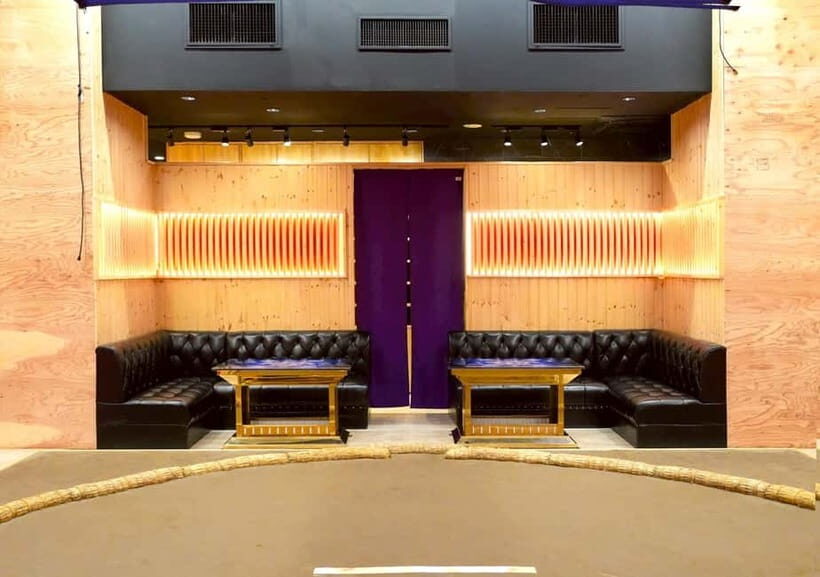
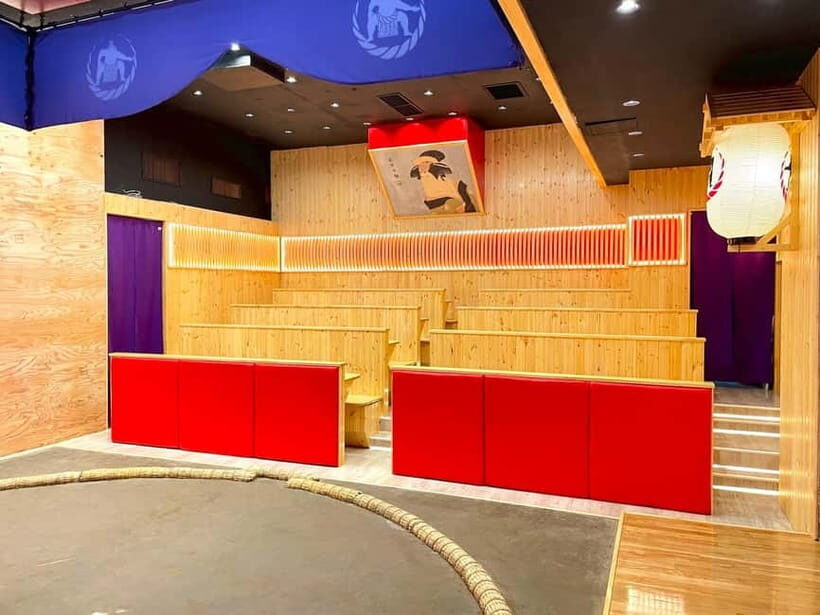
The venue is set up so you get a clear view from all seats, which is rare for event spaces. If you want the best possible angle, there’s an upgrade for front row seating, and that upgrade is easy to justify if you care about seeing footwork and hand placement.
The reason seating matters here is simple: sumo isn’t just about the final hit. It’s about positioning. When you sit close, you notice the pre-match tension, the pacing, and the small movements that lead to the push or throw.
From the feedback, people also appreciate that the staff create a lively atmosphere without chaotic crowd control. You’re part of the action, but it doesn’t feel unsafe or overly frantic.
Photo Moment and Gift Bag: The Part You’ll Actually Keep
The ending is one of the strongest value boosters. You don’t just get a digital memory—you get physical keepsakes.
You receive:
- a framed photo with you (and your group) alongside former wrestlers
- a printed souvenir photo included for adults
- a souvenir gift bag with additional items
People love the gift bag detail. It’s the kind of souvenir that feels like it belongs to the event, not a generic trinket. If you’re traveling with kids, this is also where you’ll see the excitement peak again.
Even if you’re not a “souvenir person,” the photo matters because the sumo experience is the full point. Having a framed group shot makes it feel like a milestone.
Price and Value: Is $77 Per Person Fair?
At $77 per person for about 2 hours, the value depends on what you want from your evening.
If you’re choosing between:
- a dinner alone
- or a show alone
this bundle makes sense. Here, you’re paying for an experience that includes food, a drink, and the photo + gift bag. That turns the math into something more realistic than “just a performance.”
Also, the bilingual element is a practical value. In events like this, explanation is the difference between watching random wrestling and understanding why the rituals and techniques matter. You’re not just paying to sit in the dark—you’re paying to learn something while you watch.
The one thing that could affect perceived value is if your expectations are more tournament-style serious than entertainment-style serious. Since this is explicitly positioned as entertainment for adults and children alike, some people end up wanting a longer run of matches. If that’s you, adjust your expectations going in.
Who Should Book This Sumo Show in Sapporo
This is ideal if you want:
- an indoor cultural evening that isn’t hard to follow
- an easy way to learn sumo basics without homework
- a hands-on or audience-participation style event
- a bundled meal and memorable keepsakes
It’s also great for families. You’ll see age-friendly pacing, playful moments, and a host who keeps the energy up without losing the sumo seriousness during the match segment.
If you’re a hardcore sumo fan who wants to see how a modern stable (beya) runs, this may not be your top pick. The show is built for performance and explanation, not a deep look into daily stable life.
Should You Book It or Skip It?
Book it if you want a fun, structured night in Sapporo where you learn sumo while you eat and end with a photo you’ll hang onto. The bilingual guidance, close ring view, and interactive challenge are the big reasons this hits.
Skip it only if you’re chasing a long, tournament-length competition experience or you’re very sensitive to food temperature consistency. Otherwise, this is a strong buy for a 2-hour “I’m in Japan” moment that doesn’t require insider knowledge to enjoy.
FAQ
FAQ
How long is the Sapporo sumo show experience?
It runs about 2 hours. The exact start time depends on availability.
Where do I meet for the show?
You meet on the basement floor of the Minami 4-Nishi 2 building.
What’s included in the price?
Included are bilingual commentary, serious matches between former sumo wrestlers, a chicken hot pot and a Japanese set meal (based on your selected option), one drink, and a printed souvenir photo taken with a former sumo wrestler for adults.
Can I participate in sumo wrestling?
You can participate in a sumo challenge if selected, and participation is limited. If there are too many applicants, selection may be handled by lottery or by assigning a representative for each group.
What food options are available?
Options include beef sukiyaki and crab shabu-shabu, plus vegetarian meals. Vegetarian and vegan meals must be requested at least 2 days prior to the reservation date.
Is gluten-free or halal food available?
Gluten-free and halal meals aren’t provided. You can bring your own food if needed.
Is the venue accessible for wheelchairs or for babies?
Wheelchair users aren’t suitable for this activity. Babies under 1 year are not included.