REVIEW · TOKYO
Tokyo: Tsukiji Market and Hama-rikyu Gardens Guided Tour
Book on GetYourGuide →Operated by Reelu inc · Bookable on GetYourGuide
Tokyo can feel loud. Then this tour slows it down.
You get two very different Tokyo moods in about 150 minutes to 3 hours: the Tsukiji Outer Market side with its seafood-and-produce scale (480 seafood types, 270 produce types), and then Hama-rikyu’s Edo-era gardens with views that put the skyline right beside the calm. I also like that the flow is structured, starting at a real landmark (Tsukiji Hongwanji Temple) before you’re dropped into the action of snack stops and shopping time. One thing to consider: it’s a walking experience, so comfortable shoes matter, especially in crowded market lanes.
You’ll also see how Japanese food culture connects to places of worship and everyday etiquette. The optional matcha and wagashi tasting in the gardens can add a cultural layer for about 1,000 yen, and the guide helps make sense of what you’re looking at. The only potential drawback is that the timing is tight for big appetites, since meals aren’t included and you’ll likely snack your way through the market.
In This Review
- Key Things I’d Bet You’ll Enjoy Most
- Tsukiji Market Meets Hama-rikyu’s Edo-Era Calm
- Your Starting Point: Starbucks by Tsukiji Station
- Tsukiji Hongwanji Temple: A Quiet Reset Before the Snacks
- Tsukiji Outer Market: 480 Seafood Types and 270 Produce Types
- The Walk to Hama-rikyu: When to Catch Your Breath
- Hama-rikyū Gardens: Edo-Era Grounds with Tokyo Skyline in View
- Optional Matcha and Wagashi: Etiquette as a Small Add-On
- Timing and Logistics: What the Short Duration Means
- Value for Money: Why $31 Can Work (If You Budget for Snacks)
- Who This Tour Suits Best (and Who Should Think Twice)
- Should You Book This Tsukiji + Hama-rikyu Guided Tour?
- FAQ
- How long is the Tsukiji Market and Hama-rikyu Gardens guided tour?
- How much does the tour cost?
- What is included in the price?
- Are meals included?
- Where do we meet the guide?
- Is the matcha and wagashi tasting included?
- What languages are available for the live guide?
- Is this tour wheelchair accessible?
Key Things I’d Bet You’ll Enjoy Most
- Tsukiji Hongwanji Temple first, for quiet context before the market noise
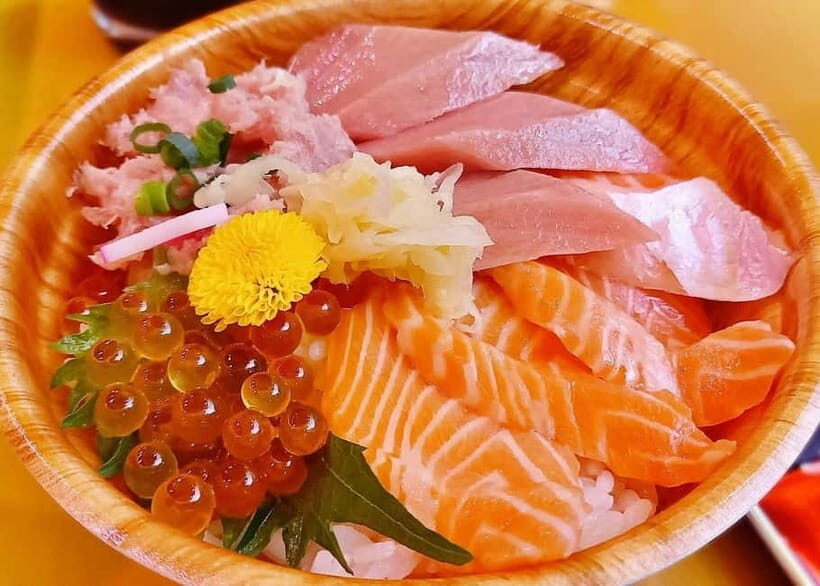
- Outer Market scale, with 480 seafood and 270 produce types to spot
- Food-culture walk, with guided tips on what to try and how to navigate stalls
- Edo-period Hama-rikyu Gardens, created over 370 years ago
- Seasonal flowers and skyline contrast, garden calm beside modern Tokyo views
- Optional matcha and wagashi etiquette tasting for about 1,000 yen
Tsukiji Market Meets Hama-rikyu’s Edo-Era Calm
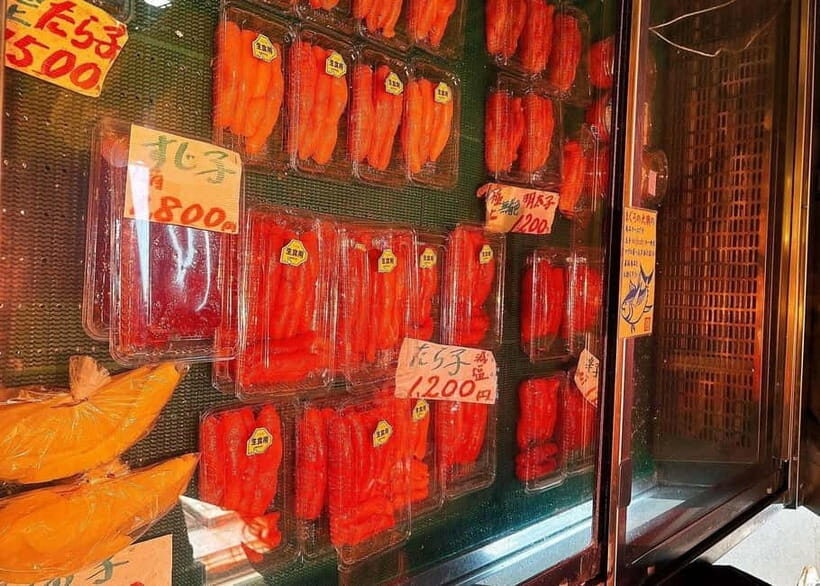
This is a clever Tokyo combo because it matches what the city does best: it shifts gears fast. You start with the food-and-commerce energy of Tsukiji’s outer area, then switch to a landscaped garden built in the Edo period, where your senses reset. If you like seeing the real everyday side of Tokyo without spending an entire day on trains, this format works.
I also like the variety of sensory experiences. In the market, it’s bright, loud, and focused on what’s fresh now. In Hama-rikyu, it’s more about walking slower, noticing water and plants, and watching the skyline frame the background.
And yes, you’ll probably leave with your camera full. This tour is the kind that makes photos easy because both settings have strong visuals: stalls and close-ups in Tsukiji, then big composition views in the garden.
You can also read our reviews of more guided tours in Tokyo

Your Starting Point: Starbucks by Tsukiji Station

Your guide meets you in front of Starbucks at スターバックス コーヒー 築地駅前店. That’s a practical pick, because you can orient quickly—no complicated meeting-point guessing, and it’s easy to find before you go into the market streets.
You should plan to arrive a few minutes early. Even if you’re confident with directions, market areas can be confusing at the start, and you’ll feel better if you’re not rushing to find your group.
If you’re coming by transit, keep your route simple and build a little buffer. The tour is short enough that lost time adds up quickly.
Tsukiji Hongwanji Temple: A Quiet Reset Before the Snacks
The tour begins with a guided visit at Tsukiji Hongwanji Temple for about 15 minutes. The focus here is not long sightseeing time—it’s a brief, grounded introduction to the space, including its unique architecture and serene atmosphere.
This stop matters because it changes how you experience the market. Food in Japan isn’t just about eating; it’s also about routine, respect, and place. Getting a little spiritual context first helps you slow down and pay attention instead of treating the market like an endless food court.
In a small time window, you’ll want to do two things. First, look at the building details the guide points out. Second, take a moment to actually stand in the calm—this part is short on purpose, and if you rush it you miss the payoff.
Tsukiji Outer Market: 480 Seafood Types and 270 Produce Types
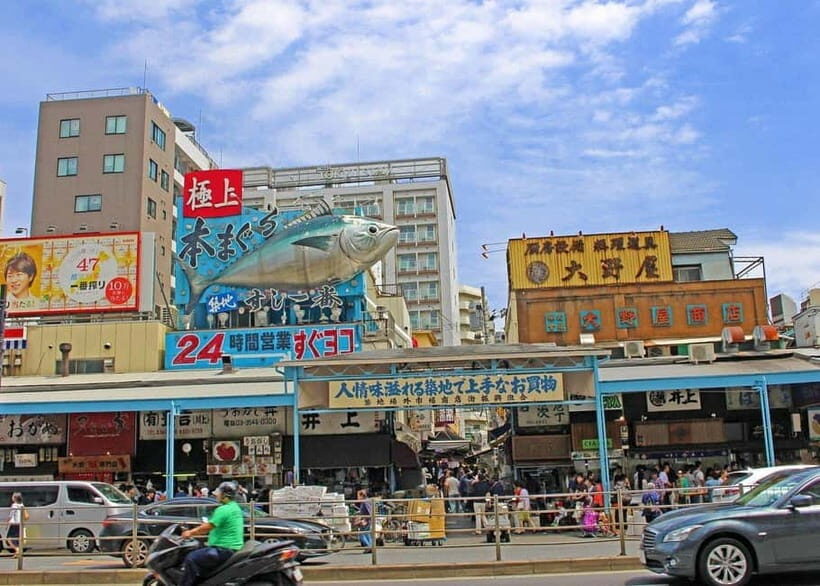
After the temple, you head to the Tsukiji Outer Market area. The guided portion is about 45 minutes, followed by free time for shopping and your own pace.
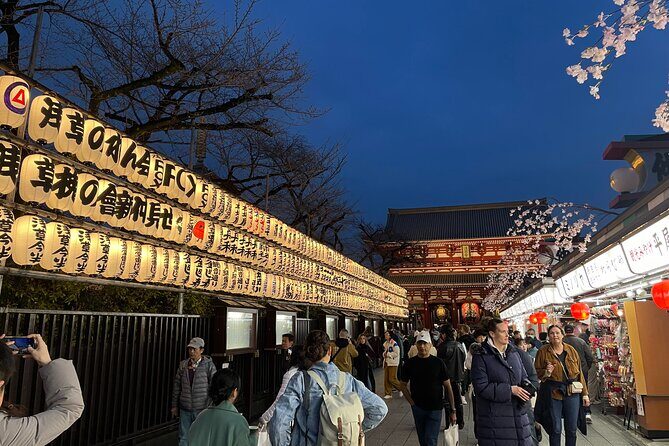
Here’s the big picture: this area is a central wholesale-style ecosystem, with roughly 480 types of seafood and 270 types of produce. That number doesn’t mean much until you’re standing in the lanes and seeing variety in real life—different cuts, different preparations, and foods you only recognize because you’ve seen them in Japanese restaurants back home.
What you can expect to do
- Walk narrow alleys with a guide helping you read what you’re seeing
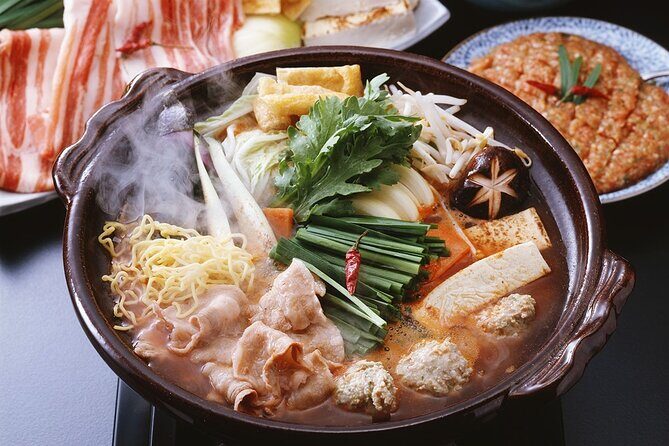
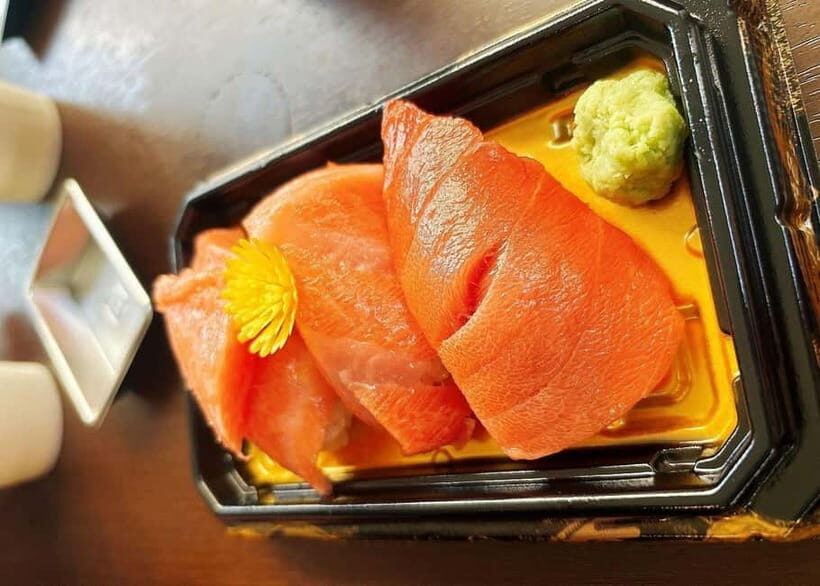
- Sample items during the tour, which may include things like grilled scallops, tamagoyaki, sushi, wagyu skewers, and matcha sweets
- Use the free time to shop for snacks, ingredients, or gifts
A key detail: you’ll likely pay as you go for what you eat. Meals aren’t included, and foods from stall holders are optional and cost extra on-site. This is normal for market tours, but you should set your expectations and budget for it.
Potential drawback to plan for: it can get crowded and it’s easy to overbuy. If you’re prone to impulse shopping, try eating first—then decide what’s worth taking home.
The Walk to Hama-rikyu: When to Catch Your Breath
Between the market and the gardens, you’ll do an on-foot transition of about 15 minutes. That walk is short, but it’s still part of the total effort of the tour.
Use this stretch smartly. Drink some water if you need it, and take a breath before the garden. You’ll get more enjoyment in Hama-rikyu if you arrive feeling rested rather than overheated.
Also, keep an eye on your footing. Market days can mean uneven sidewalk patches, curb steps, and crowds moving in every direction.
If you have any mobility concerns, this part is one reason to think carefully. The tour is described as a walking tour, and the market lanes are not designed for leisurely strolling with heavy luggage or complicated mobility needs.
You can also read our reviews of more shopping tours in Tokyo





Hama-rikyū Gardens: Edo-Era Grounds with Tokyo Skyline in View
Next comes the main visual reward: Hama-rikyu Gardens. You’ll get guided time plus about 1 hour of free time in the gardens.
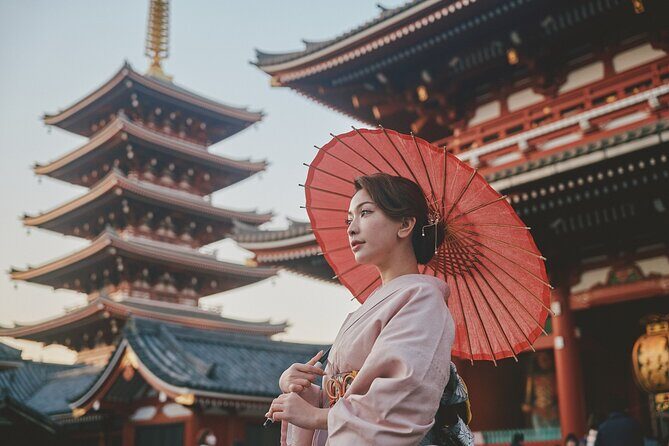
This garden was created during the Edo period, and the timeline is real—over 370 years ago. That’s part of the appeal: you’re not just visiting a park. You’re walking inside a design philosophy that’s been preserved long enough to feel lived-in rather than staged.
What stands out here is contrast. You get tranquil garden scenery, but you’re also in Tokyo, so the skyline appears in the background. That mix can surprise you in a good way. It’s a reminder that modern city life is right next to tradition, not miles away.
What to do during your hour
- Follow the guide’s route first, so you see the highlights
- After that, wander with purpose: pause at view points, look for seasonal plantings, and take your time near water areas
- Use your free time to slow down and frame photos the way the garden wants you to
Seasonal flowers are part of the deal. Depending on when you go, the garden highlights may change as colorful blooms reach full bloom. If you care about flowers specifically, try to align your visit with your travel dates and whatever seasonal cues you can find closer to departure.
Optional Matcha and Wagashi: Etiquette as a Small Add-On
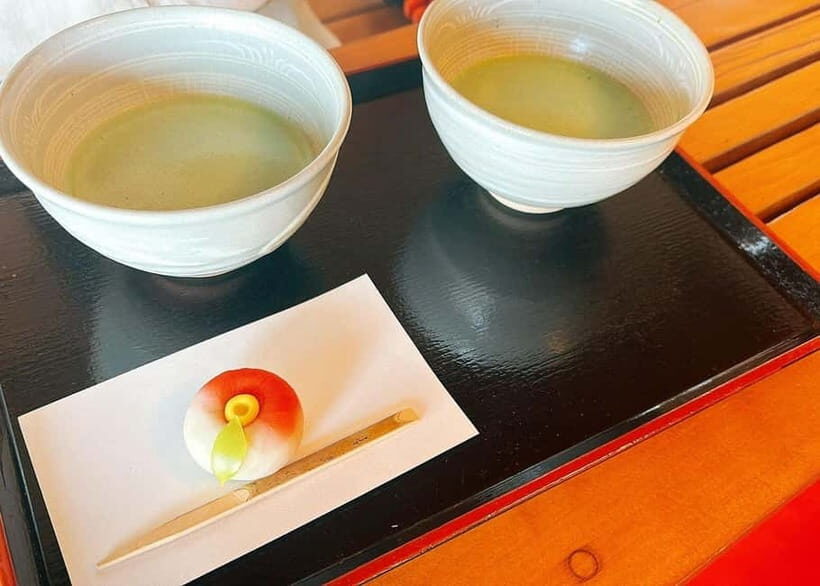
If you want to add a cultural moment, you can do an optional tasting in the gardens: matcha and wagashi. It also includes a chance to learn a bit of Japanese etiquette while you taste.
This is optional, costs about 1,000 yen, and is payable on-site. So you’re not locked in, but it’s the kind of add-on that can make the garden feel more human and less like a scenery stop.
Should you do it? If you enjoy tea culture or you want a structured activity inside the gardens, it’s worth considering. If you’d rather spend your time walking at your own pace and saving your budget, it’s easy to skip.
Timing and Logistics: What the Short Duration Means
The full experience runs 150 minutes to 3 hours. That’s a sweet spot for Tokyo because it gives you a major neighborhood and a major attraction without turning the day into a marathon.
Still, short time means a few practical things:
- You’ll see the highlights, not everything possible
- You should expect shopping and snacks to take some of your free time
- You’ll want to decide early how hungry you are
Bring comfortable shoes, a camera, and water. That’s not “nice to have” here; it’s how you’ll stay comfortable during market lanes and garden paths.
Also, no smoking is allowed. It’s a good rule to remember in crowded areas anyway.
Value for Money: Why $31 Can Work (If You Budget for Snacks)
The price is listed at $31 per person. What you’re paying for isn’t just “entry to a site.” You’re getting a local guide, plus admission to Hama-rikyu Gardens.
That admission is meaningful because gardens typically charge entry fees. By bundling it with guidance, this tour keeps your planning simple. And the market portion adds value because the guide helps you make sense of what you’re seeing, plus you’ll get oriented quickly in a place where it’s easy to feel lost.
What’s not included
- Transportation to/from attractions (it’s walking)
- Meals
- Foods from stall holders during the market (optional, extra on-site)
So here’s the practical way to judge value: if you plan to snack a bit in Tsukiji and you want a guide to handle the “what am I looking at” part, you’ll likely feel good about the price. If you’re skipping all market purchases and you hate structured walks, you may feel the tour is more rigid than you want.
Who This Tour Suits Best (and Who Should Think Twice)
This works best for you if:
- You want both a major food district and a major garden in one outing
- You like guided context before you start sampling
- You enjoy short, focused experiences rather than full-day tours
- You’re the type to enjoy Japanese snacks, even if you don’t plan a full meal
Potential mismatch based on the provided guidance:
- The experience is listed as not suitable for pregnant women
- It’s also noted as not suitable for people with mobility impairments and wheelchair users
- At the same time, it’s marked wheelchair accessible, which creates a contradiction
So if you fall into any mobility category, don’t guess. Ask the provider specific questions about pace, walking surfaces, and whether the route can be adjusted. With market lanes and garden paths, the details matter more than the label.
Should You Book This Tsukiji + Hama-rikyu Guided Tour?
I’d say book it if you want an efficient Tokyo taste-and-scenery pairing: Tsukiji for food culture and variety, then Hama-rikyu for a calm break with classic Edo-era design and skyline views. The meeting point at Starbucks makes it easy to start, and the combination of guided temple time plus guided market time is a smart way to get oriented fast.
Skip or think twice if you’re looking for a sit-down meal experience—meals aren’t included, and market food is optional and extra. Also, if walking is hard for you, confirm route details carefully, because the tour is described as a walking route and the suitability notes aren’t fully consistent.
FAQ
How long is the Tsukiji Market and Hama-rikyu Gardens guided tour?
It lasts between 150 minutes and 3 hours.
How much does the tour cost?
The price is $31 per person.
What is included in the price?
You get a local guide and the admission fee for Hama-rikyu Gardens.
Are meals included?
No. Meals are not included, and foods from stall holders are optional and paid on-site.
Where do we meet the guide?
Meet the guide in front of Starbucks (スターバックス コーヒー 築地駅前店).
Is the matcha and wagashi tasting included?
It’s optional. If you want it, it costs about 1,000 yen and is payable on-site.
What languages are available for the live guide?
The live guide offers Chinese, English, French, Korean, and Spanish.
Is this tour wheelchair accessible?
The details show wheelchair accessible, but it also lists that it is not suitable for wheelchair users and people with mobility impairments. If you need mobility support, you should contact the provider to confirm what’s practical for your situation.