REVIEW · SAPPORO
Popular in SapporoExperience authentic hand-made soba at a real soba shop!
Book on Viator →Operated by もんど · Bookable on Viator
Sapporo puts flour in your hands. This hands-on soba experience happens inside a working soba restaurant, where you follow a full step-by-step process from dough to knife-cut noodles, with English explanations backed by visuals.
Two things I especially like: you learn proper technique using the same kind of tools a shop uses, and you get to taste the noodles you made on the spot.
One thing to plan around is timing. The experience starts at a set time, and being late can disrupt other start times, so it may be treated as a no-show.
If you want Hokkaido food culture that’s not a staged show, this is the kind of activity you’ll remember for the texture of the noodles and the fact you did it yourself.
In This Review
- Key highlights at a glance
- Why this soba workshop feels like the real Sapporo version
- Price and value: what $72.67 is really buying
- Getting there near Miyazawa Station (and why arriving early matters)
- Your soba-making timeline: mix, stretch, cut, sample
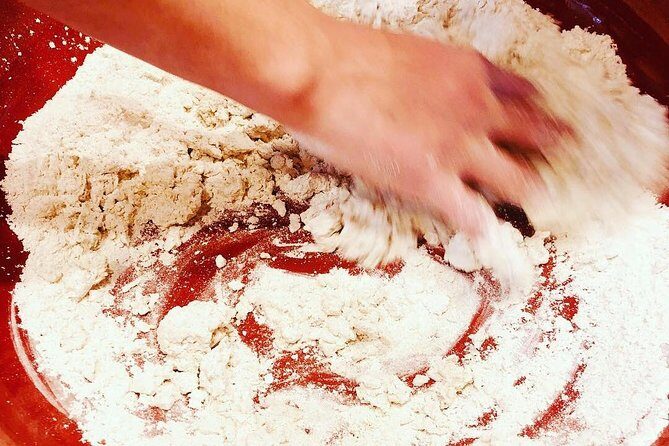
- Step 1: Mix buckwheat flour and water
- Step 2: Stretch the soba noodles
- Step 3: Cut the noodles with a kitchen knife
- Step 4: Sample your own soba
- Why Hokkaido buckwheat makes this craft taste better
- English support that doesn’t turn it into a lecture
- Meal pairing: tempura and duck soup as the usual upgrades
- Who this is perfect for (and who might feel out of place)
- Small-group feel: private means calmer learning
- A few practical tips to get the most out of it
- Should you book this Sapporo soba experience?
- FAQ
- What will I do during the soba-making experience?
- How long does the activity take?
- Is this a private experience?
- Is there English support?
- Do I need to bring anything or prepare in advance?
- Where do I meet the group?
- Is it easy to reach by public transportation?
- Is there parking available?
- Can children participate?
- Can I add tempura or other dishes?
Key highlights at a glance
- Real soba-shop setting: you’re learning inside a functioning restaurant, not in a classroom setup.
- Full process, not a demo: mixing, stretching, cutting, and tasting are all part of your time.
- English with visuals: concise explanations plus demonstrations to keep you moving step-by-step.
- You use shop tools and selected flour: the experience focuses on real materials, not substitutes.
- Optional add-ons with your meal: tempura (extra cost) and duck soup may be available for pairing.
- Easy access near Miyazawa Station: about a 3–5 minute walk from Miyazawa Station on the Tozai Line.
Why this soba workshop feels like the real Sapporo version
This isn’t the kind of “taste and watch” activity that mostly teaches you where to take photos. Instead, you’re treated like a short-term apprentice in a genuine soba operation that’s been serving customers for over 10 years in Sapporo.
The big difference is the atmosphere. A working shop has rhythm: utensils get used the way they always get used, the flour is the real stuff, and the chef’s instructions match what matters in daily production. That’s what makes the whole thing feel practical. You’re not just learning the idea of soba—you’re practicing the motions and decisions that shape the final texture.
And because it’s set up for people who want to learn seriously (originally designed for Japanese guests), the teaching style stays focused. You’ll get clear guidance for each step—mixing, stretching, cutting—so you’re not stuck guessing what to do next.
If you’re lucky, you’ll match with a teacher who’s especially patient and encouraging. In the feedback, Taku comes up by name as a friendly, careful instructor who makes room for small mistakes as you learn.
You can also read our reviews of more tours and experiences in Sapporo.


Price and value: what $72.67 is really buying
At $72.67 per person, this isn’t the cheapest activity in Sapporo. But it’s also not a generic cooking class where you pay for ingredients and a worksheet.
You’re paying for three value drivers:
- Time in a real soba restaurant environment
This is a working shop, not a pop-up studio. That alone changes the quality of the experience.
- Hands-on instruction through the full craft steps
You’re doing the work: mixing buckwheat flour and water, kneading, stretching, and knife-cutting small pieces. That takes skill on the teaching side and effort on your side.
- What you make becomes what you eat
After the making portion, you sample your own soba noodles. It’s not just a snack. It’s the payoff that ties the technique to real taste.
Extra food pairings like tempura (and duck soup, if available) are typically at extra cost, so think of the core experience as paying for the soba craft and the meal component that comes with it. If you love buckwheat noodles, the price makes more sense because you’re getting both knowledge and an edible result.
Getting there near Miyazawa Station (and why arriving early matters)
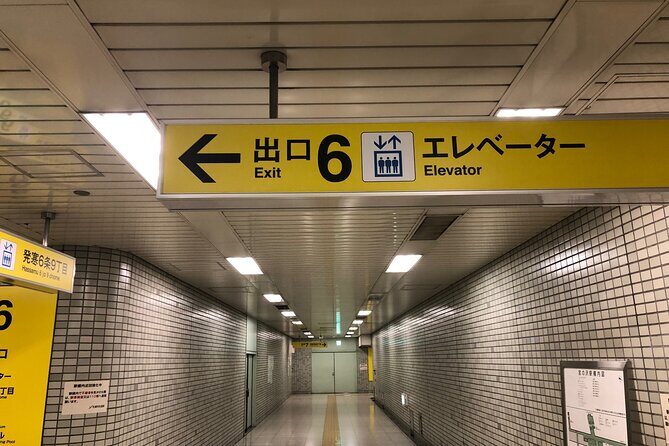
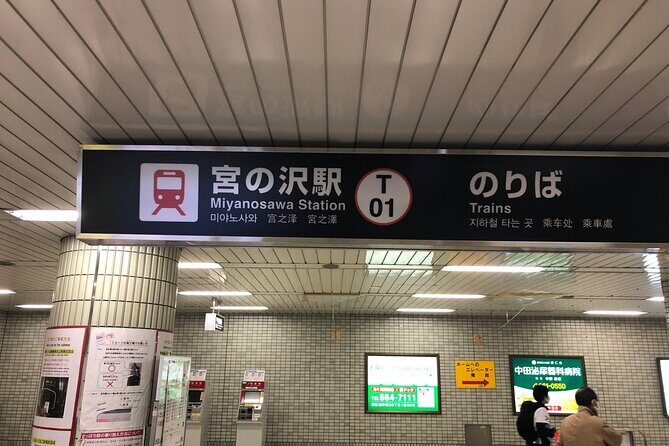
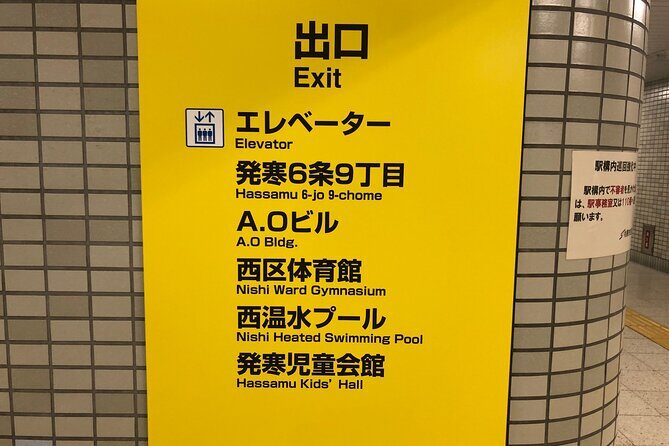
Meeting point is at 9-chōme-17-28 Hassamu 6 Jō, Nishi Ward, Sapporo, Hokkaido 063-0826, Japan. The shop is close to public transit—about 3 minutes walk from Miyazawa Station on the Tozai Line (it’s also described as around 5 minutes on foot).
There are 4 parking spaces in front of the store, which is useful if you’re traveling by car. For public transit users, the walk is short enough that you don’t need buffer time for a long trek—just give yourself a little extra because the start time is strict.
Here’s the practical part: the shop is open as a handmade soba restaurant during lunch hours. Your experience start time is your anchor, and late arrival can create problems for other scheduled groups. Plan to arrive early so you can settle in without rushing.
Your soba-making timeline: mix, stretch, cut, sample
The experience runs about 1 hour on the ticket, but the full flow is closer to 1 hour and 15 minutes once tasting is included. The actual “make” segment is around 30 minutes, then you taste and finish your meal.
You’ll go through four core steps:
Step 1: Mix buckwheat flour and water
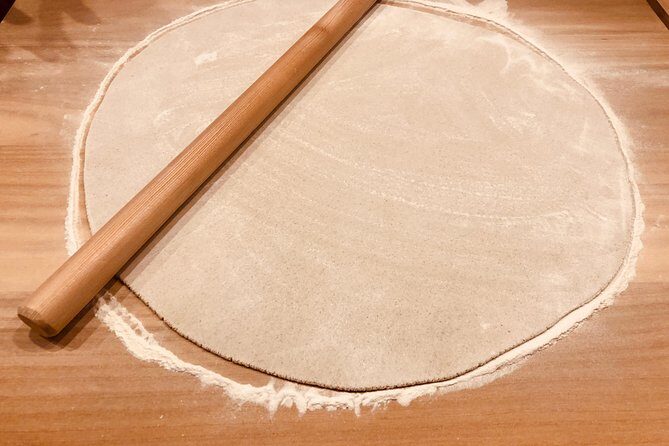
This is where you start to understand soba as craft, not just food. Buckwheat flour behaves differently from wheat flour, and the mixing stage affects how the dough comes together later.
You’ll be guided with concise English explanations and visual demonstrations. The point isn’t to memorize chemistry—it’s to learn the feel and timing for each step.



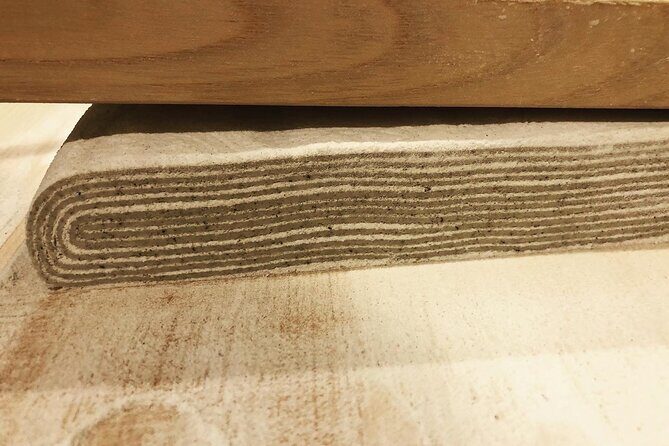
Step 2: Stretch the soba noodles
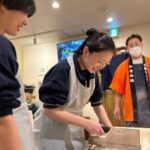
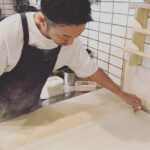
Stretching is where technique starts showing. If you’ve never handled dough before, don’t worry—the instruction is designed for novices. Children can participate too, with careful guidance from the craftsmen.
Expect the chef to show you what to aim for, then let you try. It’s the most rewarding part because you can feel your progress fast: you’re not just watching, you’re doing.
Step 3: Cut the noodles with a kitchen knife
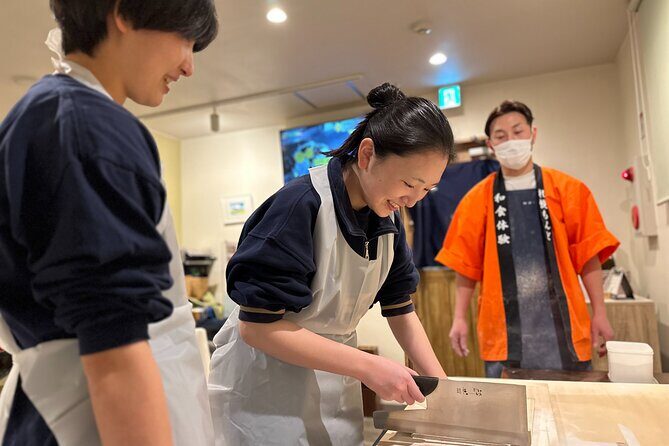
Knife-cutting is a real production skill. You’re not making a craft model—you’re preparing noodles that will actually be cooked and tasted. Using a kitchen knife in the way the shop uses it helps you understand why thickness and consistency matter.
This step is also the moment where you may feel a little clumsy at first. That’s normal. The teaching style is built to allow small mistakes while you get the hang of it.
Step 4: Sample your own soba
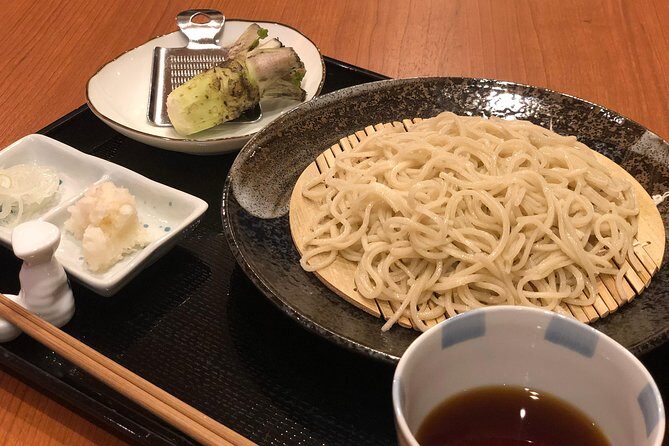
Then comes the payoff: you eat the soba you made. This is where the whole experience clicks, because you can connect the technique you practiced to the noodle texture.
In the descriptions, the goal is a taste of “soba made by yourself,” and the expectation is that it’s exceptional. The tastiness in the feedback is consistent: people specifically call the noodles delicious, and many recommend pairing with tempura.
Why Hokkaido buckwheat makes this craft taste better
You’re in Sapporo, and the soba story here is tied directly to Hokkaido conditions. Hokkaido is described as Japan’s top soba producer, with clean water and a cold climate that support high-quality buckwheat.
The environment matters because buckwheat grown in Hokkaido is linked to noodles with a firm crunch and a flavor/texture people notice right away. In other words, your homemade noodles aren’t happening in a vacuum. The ingredient story is part of the experience.
So even if your first batch isn’t perfect, you’re tasting something close to what you’d want to eat as a real soba customer. That makes your own effort feel more worthwhile.
English support that doesn’t turn it into a lecture
Some “English-friendly” experiences basically translate a script and leave you watching. This one is different. The explanations are described as concise and supported by visuals, which keeps the pace moving with the hands-on steps.
That matters because soba making is sequential. If explanations slow you down, the dough work gets harder. So the structure is designed to keep you comfortable while still teaching real technique.
The experience is also positioned as a true opportunity to experience Japanese craftsmanship with pro-level guidance. It’s not framed as a tourist show or a simplified demo. It’s a working craft lesson, just delivered in a way that tourists can follow without needing formal training.
Meal pairing: tempura and duck soup as the usual upgrades
After you sample your noodles, you can usually eat soba as a full meal. The data points to optional pairings like tempura (at extra cost) and duck soup as add-ons worth considering.
One review specifically recommends planning for tempura and duck soup. Another notes ordering tempura to eat with your noodles. If you’re the type who likes a complete Japanese meal rather than just a small tasting, these add-ons can turn your class into an actual lunch or light dinner.
Just keep in mind: since the extra items are not included in the base description, you’ll want to decide on the spot based on what’s available and what fits your budget.
Who this is perfect for (and who might feel out of place)
This works best if you fall into one of these groups:
- You like food that has a technique behind it. You want to understand why noodles feel the way they do.
- You want an activity that’s more hands-on than sightseeing.
- You’re traveling with family or friends and want something memorable that isn’t just eating.
- You’re okay with a focused schedule. This is about doing the craft, not wandering around.
It may be less ideal if you’re looking for a long, leisurely meal experience. The format is compact: about 30 minutes of making plus tasting, totaling about 1 hour and 15 minutes. Also, because the start time is important, you’ll want to plan your day so you can arrive promptly.
For families: children can participate with confidence, and kids under 2 are free of charge but can only visit. If you have a little one who can’t participate fully, you’ll still get the cultural experience, but check expectations based on your child’s ability to join.
Small-group feel: private means calmer learning
The experience is described as a private tour/activity, meaning only your group participates. That’s a meaningful detail because soba making needs attention and correction.
Even if you’re a small group, the private format can reduce the stress of waiting your turn or feeling rushed. And because it’s set up for real instruction, calmer group dynamics usually translate to better results—more time learning, less time waiting.
You’ll also receive a mobile ticket, which keeps the check-in process straightforward. (You still want to double-check the start time on your confirmation.)
A few practical tips to get the most out of it
- Arrive early for the start time. Lateness can inconvenience other start times, and it may be treated as a no-show.
- Plan your transportation in advance. The shop is near Miyazawa Station, but winter timing and station exits can still trip you up.
- Expect to do real work. You’re mixing, stretching, and cutting—so come ready to get involved, not just watch.
- Consider ordering tempura or duck soup if you want a fuller meal. If you like Japanese comfort-food pairings, this is where you can add variety.
- Bring a curiosity mindset. The experience is designed for learning craftsmanship step-by-step, not just eating noodles.
Should you book this Sapporo soba experience?
Book it if you want a hands-on craft experience in Sapporo that ends with a meal you helped create. The value is strongest for people who love noodles, appreciate technique, and want something more authentic than a tourist performance.
Skip it (or swap to something else) if your schedule is fragile or you hate punctual, structured start times. Also, if you’re hoping for a long cooking-school-style session with tons of downtime, this isn’t that. It’s efficient, guided, and focused on making and tasting.
If you do book, treat it like a real workshop: arrive early, follow the steps, and enjoy the moment when your cut noodles hit your bowl.
FAQ
What will I do during the soba-making experience?
You’ll follow a four-step flow: mix buckwheat flour and water, stretch the soba noodles, cut them into small pieces, and sample the noodles you made.
How long does the activity take?
The making portion is about 30 minutes, and the full experience—including tasting—takes around 1 hour and 15 minutes.
Is this a private experience?
Yes. It’s described as a private tour/activity, and only your group participates.
Is there English support?
Yes. English explanations are provided and supported by visual demonstrations.
Do I need to bring anything or prepare in advance?
No. You don’t need anything to bring or prepare.
Where do I meet the group?
Meet at 9-chōme-17-28 Hassamu 6 Jō, Nishi Ward, Sapporo, Hokkaido 063-0826, Japan. It’s near Miyazawa Station on the Tozai Line.
Is it easy to reach by public transportation?
Yes. It’s about a 3–5 minute walk from Miyazawa Station on the Tozai Line.
Is there parking available?
There are 4 parking spaces in front of the store.
Can children participate?
Yes. Novices and children can participate with guidance. Children under 2 are free of charge but can only visit.
Can I add tempura or other dishes?
Tempura is mentioned as an extra-cost pairing with the soba. Duck soup is also mentioned as a recommended pairing.