REVIEW · KYOTO
Kyoto: Early Morning Fushimi Inari Shrine – Beat the Crowds
Book on GetYourGuide →Operated by DeepExperience, Inc. · Bookable on GetYourGuide
Slip into Fushimi Inari before the rush. This early-morning Kyoto tour helps you enjoy the famous orange torii tunnels with far less crowd noise, plus a guide who connects what you’re seeing to what it means for locals. I like how it keeps the walk scenic and manageable at the start of the day, not a sweaty stampede.
My second favorite part is the photo strategy: you get time at key spots so the torii tunnel look works without hours of editing. The only real drawback is that it’s still a hillside walking route, and it isn’t a fit for everyone (especially if you have mobility, back, heart, respiratory issues, or low fitness).
Key points to know
- Early timing means quieter torii lanes and easier viewing than daytime rush hours
- Guided stops help you understand what you’re seeing, including fox-and-shrine themes
- Photo-friendly viewpoint time reduces the need to fight for angles
- A quieter “off-main-path” stop adds variety beyond the main torii stretch
- A special Inari souvenir is part of the experience
In This Review
- Why Early Fushimi Inari Feels Different Than Daytime Crowds
- Meeting at Inari Station and What 150 Minutes Actually Covers
- Fushimi Inari Taisha: Torii Etiquette and How Your Guide Makes It Make Sense
- The Viewpoint Stop: A Breather and the Best Angle for the Orange Tunnels
- The Quieter “Hidden Spot”: Legend, a Little Fountain, and More Variety
- Price and Value: Is $70 Worth It for Fushimi Inari?
- Who This Tour Fits Best (And Who Should Skip It)
- What to Wear, What to Bring, and What to Leave Out
- Should You Book This Early Morning Fushimi Inari Tour?
- FAQ
- Where is the meeting point for the Kyoto early morning Fushimi Inari tour?
- How long is the tour?
- What language is the tour guide speaking?
- Is it a private or small-group tour?
- What should I bring for the walk?
- Are baby strollers or large bags allowed?
- Is the tour suitable for children?
- Is it okay if I use a wheelchair or have mobility issues?
- Is free cancellation available?
- Do I get anything besides the tour itself?
Why Early Fushimi Inari Feels Different Than Daytime Crowds
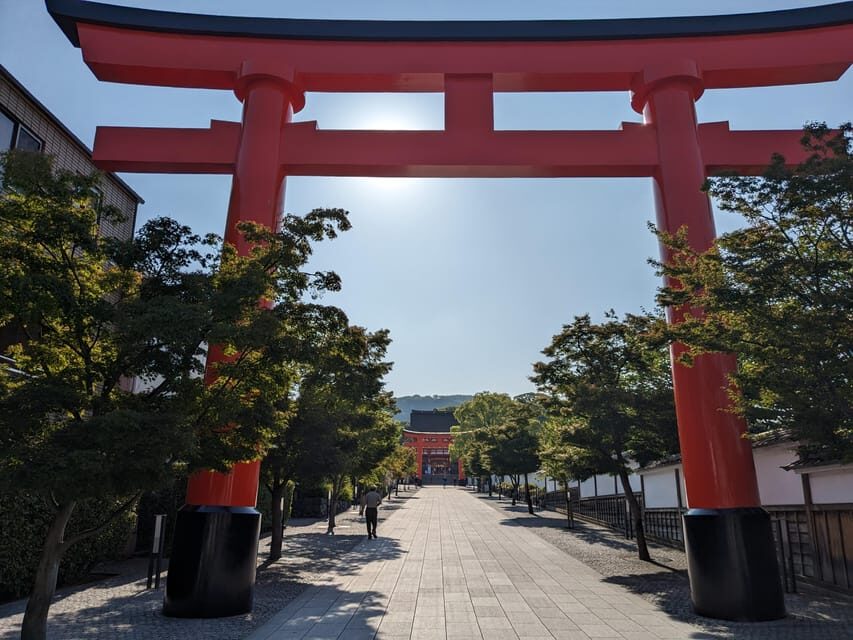
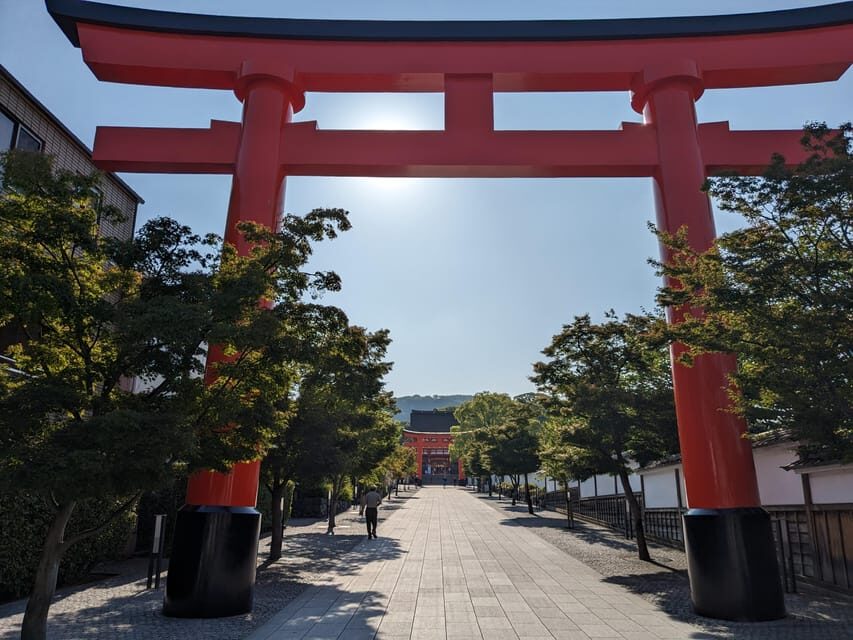
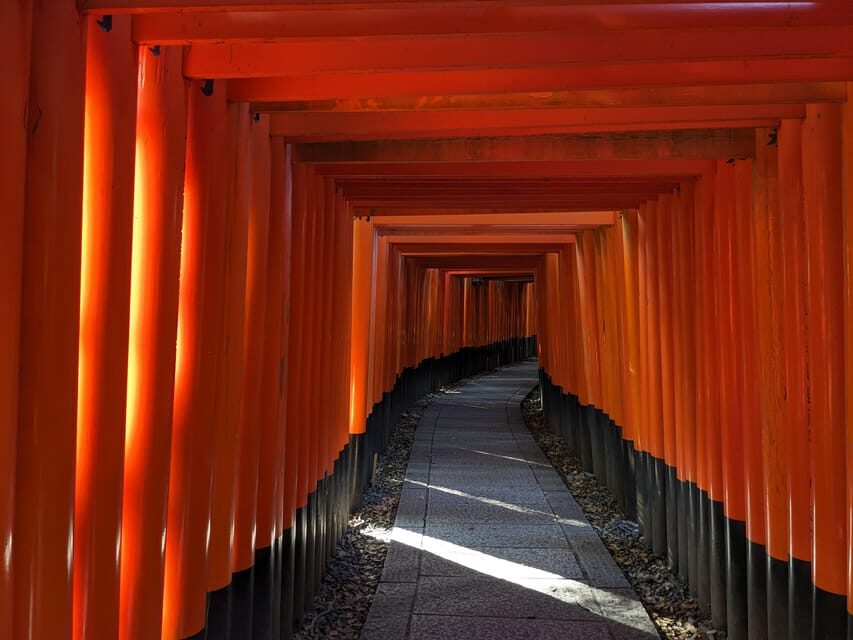
Fushimi Inari Taisha is one of Japan’s most photographed places for a reason. The whole hillside turns into a tunnel of orange torii gates, and every turn feels like you’re walking deeper into Kyoto’s spiritual world. The problem is simple: later in the morning, the crowds grow fast, and your day turns into a slow shuffle rather than a walk.
This tour is built for the early hours. Starting at Inari Station and heading out early gives you that calm first look at the shrine grounds—before tour buses and peak foot traffic take over the narrow lanes. You still get the full wow factor of the torii corridor, but with breathing room.
Two things make this early start extra valuable. First, it changes how the shrine feels. Instead of feeling like a photo stop, it becomes a place you can actually pay attention to. Second, the timing gives you better control of your experience, especially if your itinerary is tight and you want one “big sight” in Kyoto done well.
Meeting at Inari Station and What 150 Minutes Actually Covers
You meet your guide outside JR Inari Station, across from the main entrance. The guide will be holding a bright yellow DeepExperience signboard. That simple meeting point matters because Fushimi Inari is easy to mess up when you’re arriving on foot with no plan.
From there, the tour is designed to keep the day’s big moments in the first half. You’ll start with a guided portion at Fushimi Inari Taisha that runs about 1.5 hours. That’s enough time for you to see the main shrine area, understand how to move respectfully through the grounds, and get a sense of why the torii gates are such a big deal here.
Then you shift to shorter, focused segments: a 30-minute viewpoint stop for scenery and photos, plus another 30-minute guided stop at a quieter spot. Finally, you return to Inari Station. The format is important: it’s not just walking uphill. It’s “see, understand, pause, photograph, and move on” without wasting time.
Small or private groups are available, which is helpful on a crowded attraction. Even early morning, the roads and steps can get narrow, so smaller groups generally mean you spend more time experiencing the place and less time stuck behind someone stopping suddenly.
A few more Kyoto tours and experiences worth a look

Fushimi Inari Taisha: Torii Etiquette and How Your Guide Makes It Make Sense
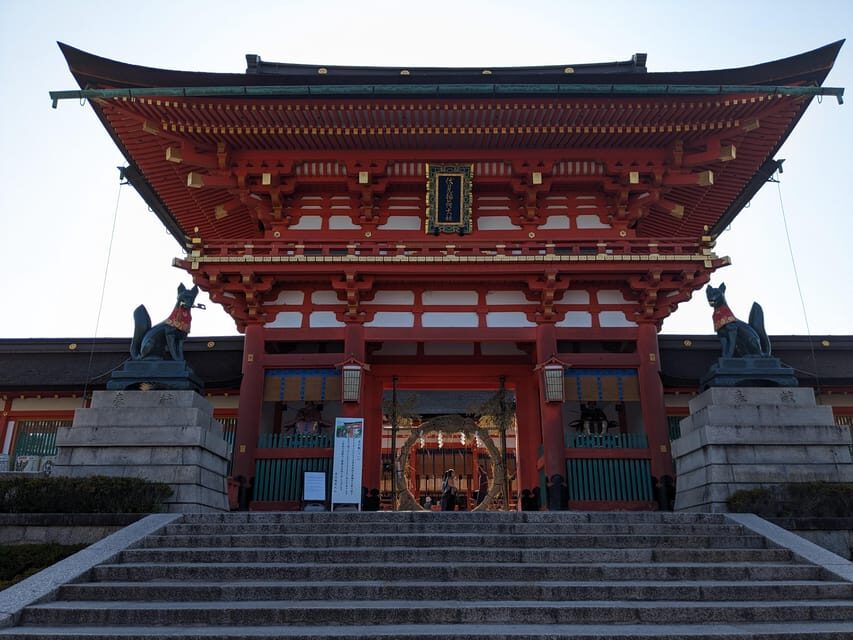
The heart of the tour is your time inside and around Fushimi Inari Taisha, where the shrine’s identity becomes crystal clear. You’ll walk the torii paths and see how the shrine’s world is built around movement—step by step, gate by gate, up the hillside.
One of the best parts of going with a guide here is how they frame what you see. Past guests have mentioned guides like Teppei and Hiro explaining the significance of the torii gates and how to pay respect before key torii moments. You don’t need to be religious to appreciate this. It simply turns your visit from sightseeing into something more grounded.
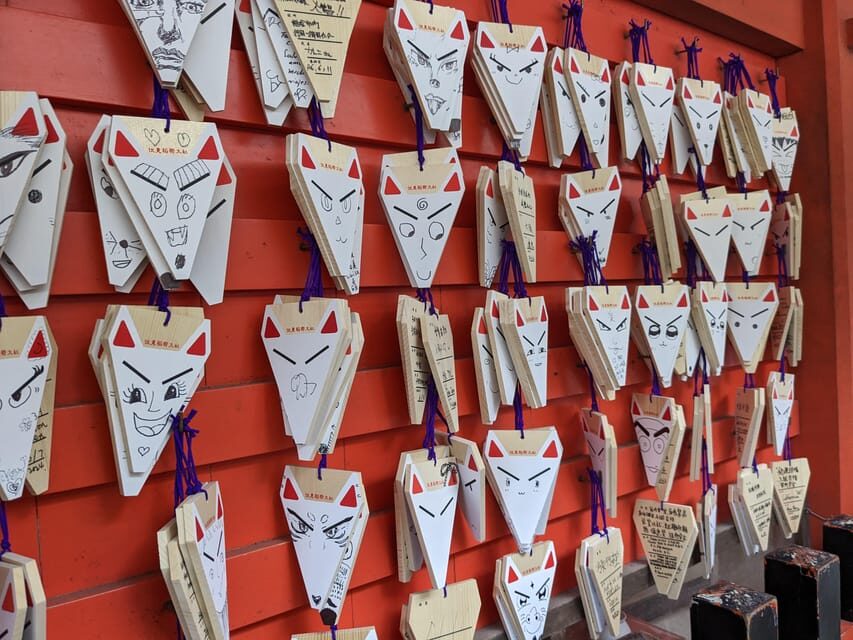
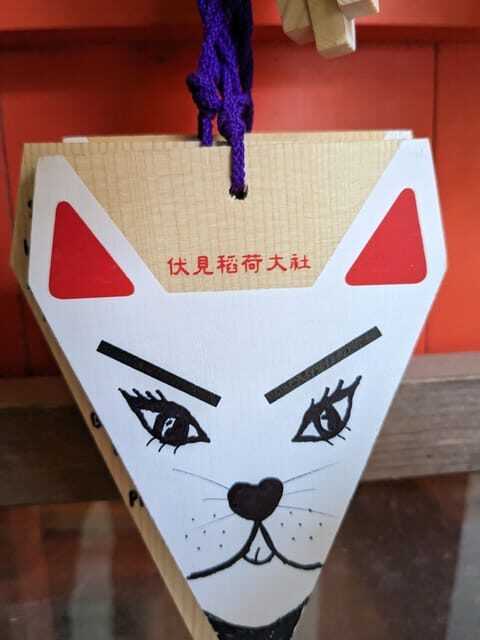
You’ll also get context about the themes tied to Inari. Reviews mention learning about deities and shrine elements (including the fox connection), so you’re not left wondering why certain areas look the way they do. That matters because at Fushimi Inari, the visuals are iconic—but the meaning is what makes it memorable.
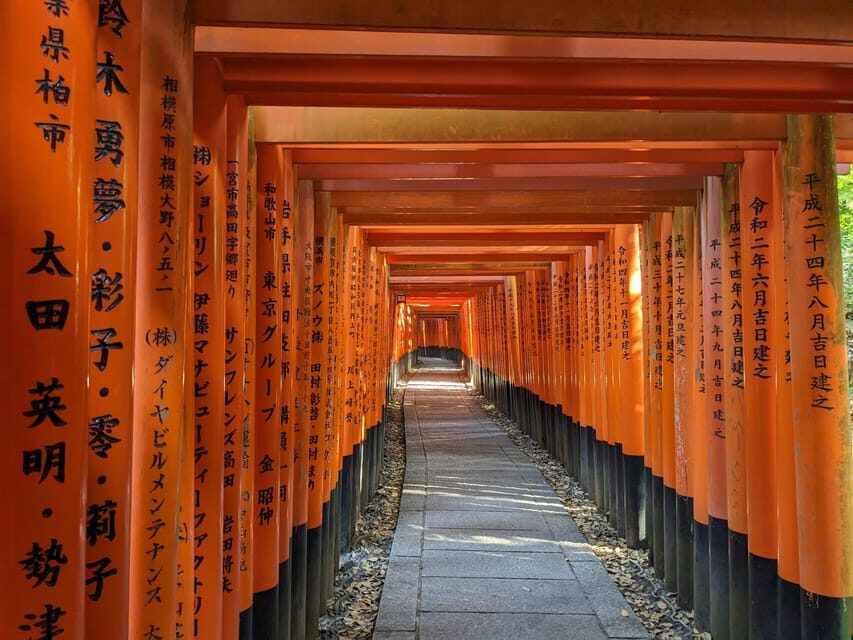
Practical photo tip: the guide’s job is timing and positioning. This tour is specifically aimed at helping you get that classic orange-tunnel shot without having to wrestle crowds out of the frame. You’ll have planned pauses so you can step into the right angle while foot traffic is still lighter.
The Viewpoint Stop: A Breather and the Best Angle for the Orange Tunnels
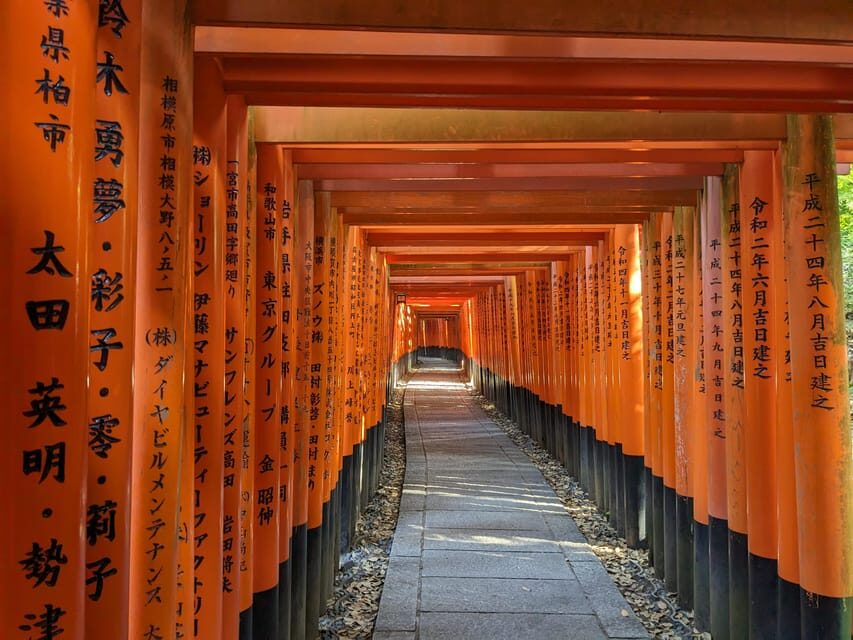
After you’ve worked your way through the main shrine area, you head to a viewpoint stop. This isn’t just a rest break. It’s where the shrine layout starts to snap into focus—how the torii gates climb and how the pathways guide your eye.
The time here is about 30 minutes, which is long enough to:
- take photos at an angle that shows depth
- catch your breath without feeling rushed
- slow down and actually look at the hillside, not just snap pictures
This is where early-morning timing pays off again. Viewpoints can still have people, but early hours keep things far calmer. If you’ve ever tried to photograph torii gates at midday, you know how quickly the scene turns into a crowd silhouette. This tour is designed to help you avoid that problem.
The Quieter “Hidden Spot”: Legend, a Little Fountain, and More Variety
The last guided segment is where the experience expands beyond the most obvious torii tunnel. It lasts 30 minutes and takes you to a quieter spot with something different to look at.
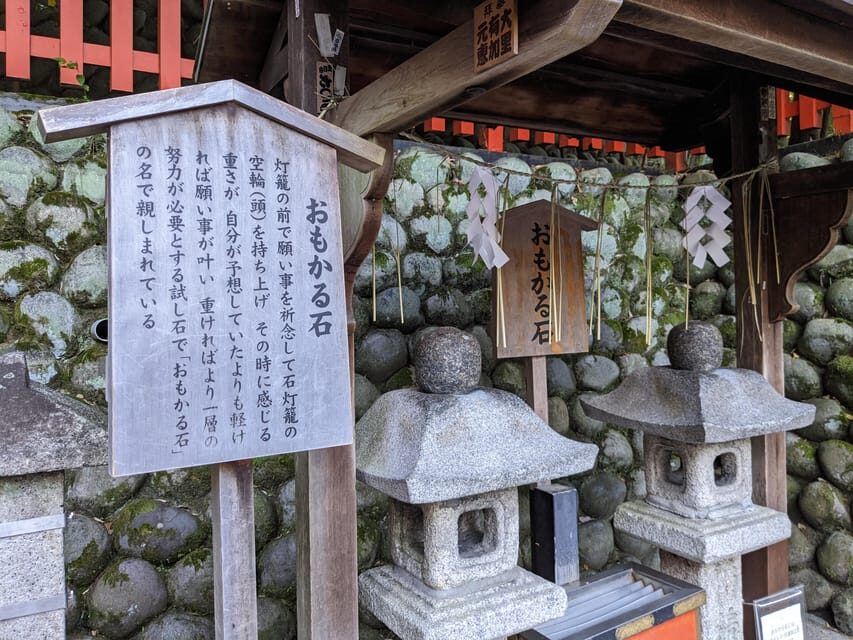
One detail that stuck with guests: a small fountain tied to a local legend about curing illness. You don’t have to buy into the story to appreciate the atmosphere it creates. It adds a human scale to all those gates and makes the visit feel less like a checklist.
This is also the segment where your guide’s storytelling tends to land. If you get Akino, Masa, Maru, or another guide, you’ll likely notice they don’t just point. They explain what you’re looking at and why the place feels important to locals. In past tours, guides have also helped with practical photo moments, like stepping in to take a few pictures of couples or families.
The “hidden” part here isn’t about secret access—it’s about staying off the busiest lines long enough to feel the shrine’s rhythm again.
Price and Value: Is $70 Worth It for Fushimi Inari?
At $70 per person, this isn’t a budget add-on. But the value isn’t only the guide time. It’s what you buy with that guide: better timing, better pacing, and a visit that’s easier to do well even if you don’t know the shrine etiquette.
Here’s what’s included based on the tour details:
- an English-speaking local expert guide
- a structured route that keeps the highlight moments early and timed for photos
- stops beyond the most crowded stretch
- an Inari-specific souvenir mentioned as part of the experience
The biggest value is avoiding wasted effort. If you show up on your own during peak times, you’ll likely spend more time waiting, sidestepping, and trying to find a workable photo angle. That time adds up fast in Kyoto, where your days are already packed.
That said, if you already love hiking alone and you don’t care about learning the meaning behind the gates, you could visit on your own. This tour makes more sense if you want the iconic experience plus context plus photo help—without spending your morning in a crowd.




Who This Tour Fits Best (And Who Should Skip It)
This is a strong match if:
- you want Fushimi Inari early and calmer
- you’d like explanations of torii and shrine meaning as you walk
- you care about photography and want help choosing angles
- you prefer a small group pace over a free-for-all
It’s not a match if you have health or mobility limits. The tour data says it isn’t suitable for people with:
- mobility impairments, wheelchair users, or significant back problems
- heart or respiratory issues
- respiratory issues or low fitness
- altitude sickness concerns
- kids under 10
- people over 70
And it’s also not a fit if you’re traveling heavy with stuff. Baby strollers, luggage, and large bags aren’t allowed, and that includes baby carriages. Comfortable shoes and clothes aren’t optional here. You’ll be walking on outdoor paths and stairs.
What to Wear, What to Bring, and What to Leave Out
Keep it simple. Bring:
- comfortable shoes
- comfortable clothes
That’s it, but make it count. In the early morning, you might start cool and warm up as you climb. Wear shoes you trust on steps. If you plan to take photos, consider bringing a strap you can adjust quickly—because you’ll likely be moving.
Leave behind:
- strollers and baby carriages
- luggage or large bags
- anything that could make the experience unsafe (the tour rules also prohibit intoxication)
If you’re sensitive to crowds, the rules here aren’t the point—timing is. The early schedule is the main crowd solution.
Should You Book This Early Morning Fushimi Inari Tour?
If your goal is the iconic torii tunnel experience with far less crowd stress, I’d book it. The combination of early timing, guided context, viewpoint time, and the quieter final stop gives you a complete visit in 150 minutes without feeling like you’re racing the clock.
Skip it if you’re seeking a totally independent walk with no guidance or if your mobility and health situation makes hillside walking risky. Also, if you’re bringing a lot of gear or need stroller access, this specific format won’t work.
If you’re on the fence, choose based on what you want from Kyoto: serenity and story, or just the photo. This tour is built for the first option.
FAQ
Where is the meeting point for the Kyoto early morning Fushimi Inari tour?
Meet your guide outside JR Inari Station, across the main entrance, holding a bright yellow DeepExperience signboard.
How long is the tour?
The duration is 150 minutes.
What language is the tour guide speaking?
The tour guide provides an English live guided experience.
Is it a private or small-group tour?
Private or small groups are available.
What should I bring for the walk?
Bring comfortable shoes and comfortable clothes.
Are baby strollers or large bags allowed?
No. Baby strollers and luggage or large bags are not allowed.
Is the tour suitable for children?
No. It is not suitable for children under 10 years old.
Is it okay if I use a wheelchair or have mobility issues?
No. It is not suitable for wheelchair users or people with mobility impairments.
Is free cancellation available?
Yes. You can cancel up to 24 hours in advance for a full refund.
Do I get anything besides the tour itself?
The experience includes taking home a special Inari souvenir unique to Inari.