REVIEW · SAPPORO
2 hours sushi class
Book on Viator →Operated by Sushi Roll DESIGN Workshop · Bookable on Viator
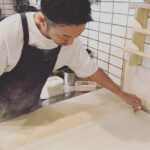
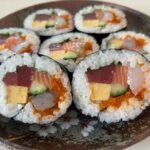
Sapporo turns sushi class into a small, friendly craft session. You’ll learn decorative sushi rolls from Yuki (a decorative sushi roll instructor with lots of TV appearances), and you’ll leave with rolls you made yourself.
What I like most is the hands-on coaching—patient step-by-step English instruction—and the fact that you can take your sushi home. One thing to consider: the class is not private, so you’ll be working alongside a small group (max 12), which can feel a bit social if you prefer quiet.
Expect a cozy start (including tea), then serious practice: sushi rice, shaping, and decorating until your rolls look like edible art. The school is set up for international visitors, with English recipes and ingredients included—plus free apron rental and optional pickup from Makomanai Station.
In This Review
- Key things to know before you go
- Meet Yuki in Sapporo’s cozy, real-life sushi setting
- Where you’ll start and end
- What you learn in 2 hours: sushi rice, flower shapes, and the why behind the steps
- Sushi rice basics (including the tricky parts)
- Decorative roll techniques (Sakura-style flowers)
- English instruction + recipes you can actually use
- What’s included: ingredients, apron rental, and the take-home payoff
- Dietary needs: tell them early
- The optional add-ons that let you go beyond sushi rolls
- Price and value: why around $20 can still feel like a win
- Who this class is best for (and who may want a different format)
- Practical tips so your class goes smoothly
- Should you book this sushi roll workshop in Sapporo?
- FAQ
- How long is the sushi class in Sapporo?
- What will I make during the class?
- Is English instruction provided?
- Do I need to arrange pickup?
- Are there add-on options besides sushi rolls?
- Is the class private?
Key things to know before you go
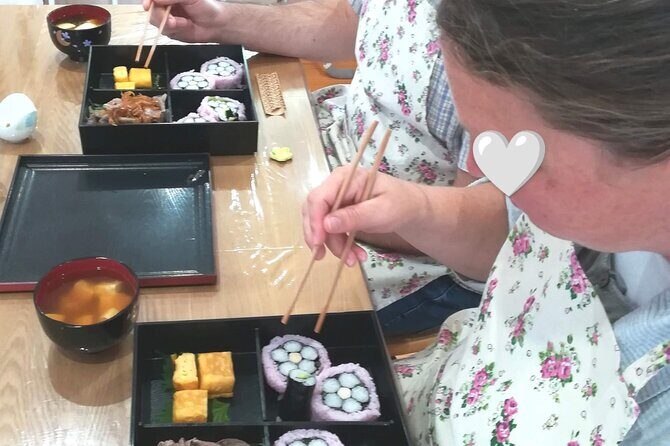
- Decorative sushi rolls with Yuki: expect flower-style designs like Sakura roll shapes
- Small group size (max 12): more attention than big “assembly line” tours
- Take-home sushi + English recipes: you can recreate the look after you get back home
- English instruction, ingredients included: you’re not translating in your head the whole time
- Optional add-ons: miso soup (dashi to homemade miso), rice balls, Bento, and more
- Pickup available at Makomanai Station (if required): helps if you’re juggling jet lag and trains
Meet Yuki in Sapporo’s cozy, real-life sushi setting
This class is in Sapporo, Japan, focused on Washoku (Japanese cuisine), which is recognized by UNESCO. What you’re signing up for is not a lecture or a quick tasting. It’s a chance to learn a specific Japanese skill—decorative sushi rolling—in a home-style workshop environment.
Yuki is the main instructor. She’s known locally and has appeared on TV multiple times, and she’s also tied to sister-city celebrations between Portland, Oregon and Sapporo. In practice, that matters because she’s comfortable teaching non-Japanese speakers and keeping the pace friendly.
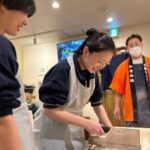
The group stays small. With a maximum of 12 people, you’re more likely to get individual checks rather than rushed “watch and copy” instructions. Many sessions also include conversation time, so the class can feel like a cultural exchange as much as a cooking lesson.
A few more Sapporo tours and experiences worth a look
Where you’ll start and end
You meet at 7 Chome Ishiyamahigashi, Minami Ward, Sapporo, Hokkaido 005-0850. The activity ends back at the same meeting point. If you need it, there’s also a free pickup from Makomanai subway station (if required).
What you learn in 2 hours: sushi rice, flower shapes, and the why behind the steps
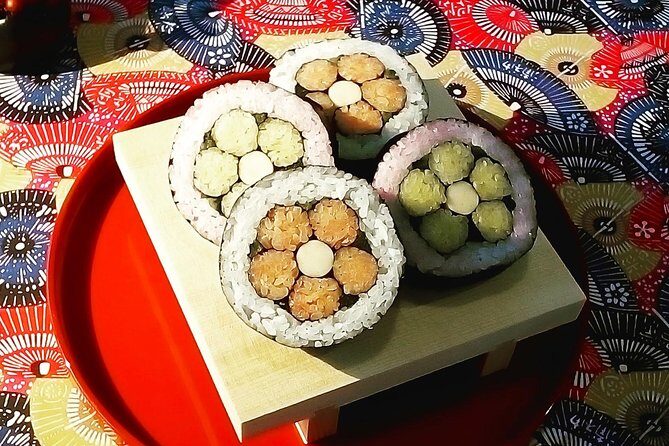
This is a 2-hour, hands-on class built around decorative sushi rolls. The focus isn’t just making something edible—it’s making something that looks intentionally designed.
Sushi rice basics (including the tricky parts)
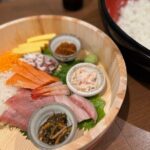
A big part of the skill is the rice. You’ll learn how to prepare sushi rice properly, and in some sessions you may even work with colored rice (including pink rice). That detail matters because decorative sushi is all about consistency: texture, shape, and even how the rice behaves when you press and roll.
Decorative roll techniques (Sakura-style flowers)
The centerpiece is decorative styling. You’re guided through shaping and decoration until you end up with rolls that resemble flower forms—often described as sushi flowers or Sakura-like designs. Once you see the steps demonstrated clearly, your job becomes replicating structure: tightness of the roll, placement of fillings, and the neat finishing touches that make it look intentional rather than accidental.
A few more Sapporo tours and experiences worth a look

English instruction + recipes you can actually use
You get English instruction, and you also receive recipes in English during the class. That’s a practical gift. Many cooking classes teach you a method you can’t fully repeat later because the instructions vanish into memory. Here, you’re leaving with a reference you can follow at home.
What’s included: ingredients, apron rental, and the take-home payoff
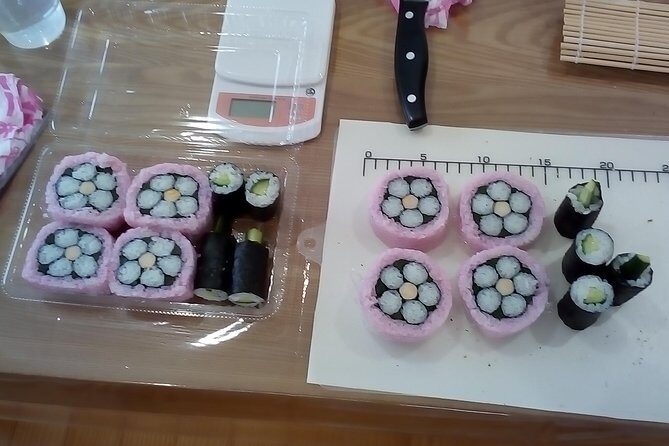
For the price, the inclusions are where the value hides.
You’ll get:
- English instruction
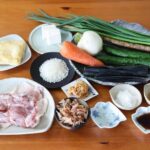
- Ingredients
- Apron rental (free)
- A way to take your sushi rolls home
- Recipes in English
That take-home part is more important than it sounds. It means you’re not leaving hungry with only photos. You’ll be able to taste your work again later, and you can show off the results without reinventing everything from scratch on the spot.
Dietary needs: tell them early
If you have food allergies or dietary restrictions (the class mentions vegan/vegetarian concerns), you need to inform them in advance. That’s the safest way to avoid last-minute surprises and to help the instructor adjust ingredients or choices where possible.
The optional add-ons that let you go beyond sushi rolls
If you want to turn your cooking time into a broader Hokkaido food lesson, there are options you can add. The key is that these are add-ons offered through the instructor.
Common options include:
- Miso soup, starting with how to make dashi (soup stock), then making soup with homemade miso
- Steam rice methods, including how to steam rice without using a rice cooker
- Hokkaido branded beef options such as Biratori Wagyu or Shiraoi Gyu
- Rice balls (and steam rice, if required)
- Miso soup plus additional dishes (choose from sets with different counts of other dishes)
There are also food-arts style options:
- Decorative Bento (Syokado style), then you enjoy your own Bento after the class
From what’s offered, this workshop isn’t trying to be a one-size-fits-all sampler. You can build the portion that matches your curiosity—either stay focused on sushi rolling, or add supporting dishes that make the meal feel complete.
Price and value: why around $20 can still feel like a win
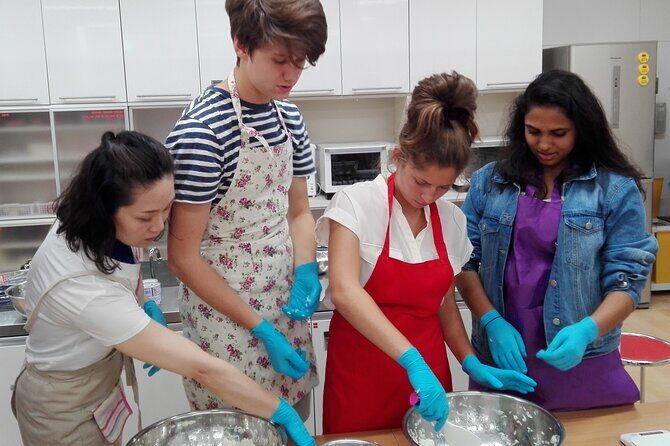
At $20.08 per person for about 2 hours, this class can be a strong value—mostly because it’s not a performance. You’re doing the work, with ingredients provided and English support built in.
A few value signals:
- Small group size (max 12) supports real instruction
- Apron rental free removes a common “hidden” snag
- Pickup available at Makomanai Station (if required) reduces friction
- You get take-home sushi, not just samples
- English recipes help you repeat the skill later
Also, the workshop includes group discounts, which can matter if you’re traveling with friends or family. Since you’re in a small class format, sharing the experience with others can multiply the fun without killing your personal attention.
Who this class is best for (and who may want a different format)
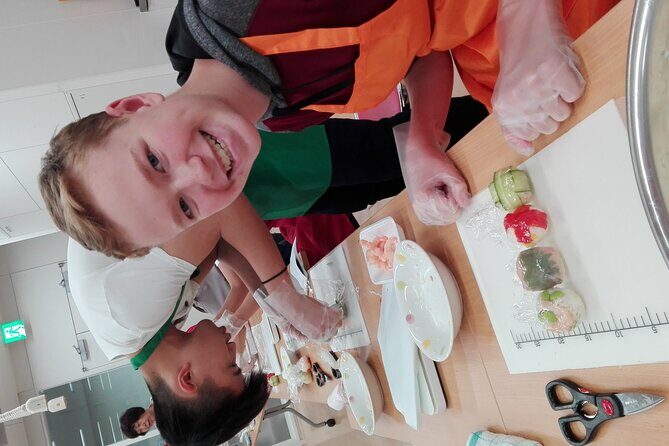
This workshop fits best if you’re:
- A first-time sushi maker who wants clear step-by-step guidance
- Someone who likes food art, not only food flavor
- Traveling in a small group and happy to learn alongside others
- Interested in Japanese cooking with English recipes and instruction
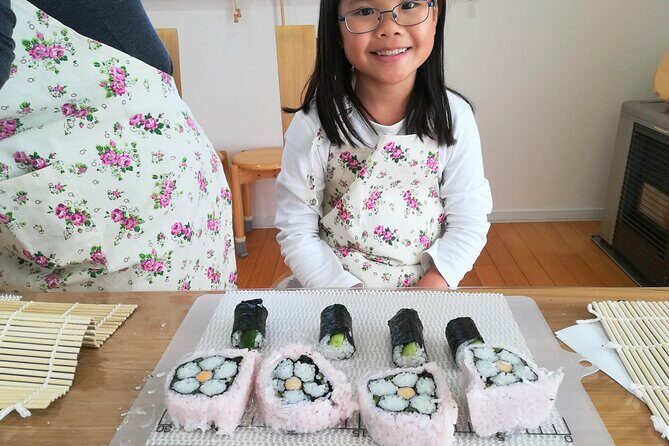
It’s also a solid option for families. In the experiences shared with this class, parents and kids found the pace patient and the results satisfying, which is exactly what you want from a hands-on food workshop.
One consideration: it’s not private by default. If you want quiet, full attention, or customized instruction that skips other participants, you’ll need to ask about private class options when available.
Practical tips so your class goes smoothly
This is one of those activities where small details decide whether you feel stressed or relaxed.
- Plan your arrival with the exact meeting point address in mind. The workshop is specific about where you should go.
- If you want pickup, make sure you request Makomanai Station pickup ahead of time.
- Think about your dietary needs before the day. The class specifically asks you to inform them about allergies and dietary preferences.
- Bring an appetite for tasting and learning. Decorative rolls can be fiddly, and you’ll want energy for the last steps.
Also, expect a social, friendly atmosphere. Many people mention tea at the start and a warm, patient teaching style. One review even noted time for conversation and attention to little details, which is a good sign if you’re the type who likes to understand why a step matters.
Should you book this sushi roll workshop in Sapporo?
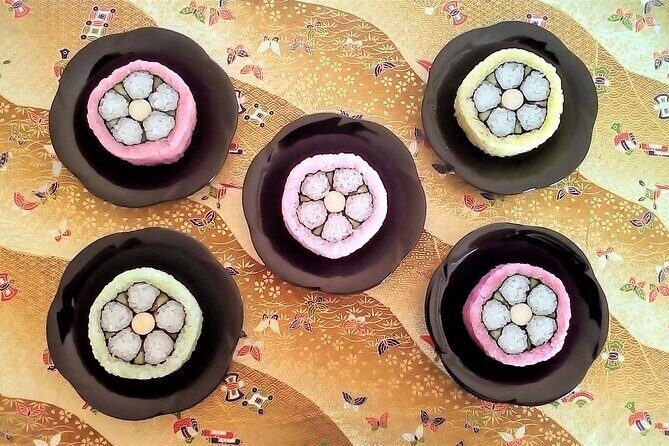
If you want an authentic how-to skill you can repeat later, book it. The strongest reasons are the hands-on teaching, the decorative results, and the take-home sushi that makes the class feel like real progress, not a quick photo stop.
You might skip it only if:
- You need a fully private, quiet lesson with no group dynamic
- You’re extremely sensitive to dietary handling and haven’t told the instructor in advance
- You hate situations where precision matters (decorative sushi is all about careful shaping)
For most visitors—especially first-timers—the workshop hits a sweet spot: small group size, English help, and a result that’s both tasty and beautiful.
FAQ
How long is the sushi class in Sapporo?
The class runs for about 2 hours.
What will I make during the class?
You’ll learn to cook decorative sushi rolls. You’ll also be able to take the sushi rolls you make with you.
Is English instruction provided?
Yes. You’ll receive English instruction, and you’ll also get recipes in English.
Do I need to arrange pickup?
Pickup is available: there is free pickup at Makomanai subway station if required. The activity also starts at 7 Chome Ishiyamahigashi, Minami Ward, Sapporo and ends back at the meeting point.
Are there add-on options besides sushi rolls?
Yes. The instructor offers options such as miso soup (including dashi and homemade miso), steam rice, rice balls, and choices involving Hokkaido branded beef, plus decorative Bento in a traditional Syokado style.
Is the class private?
No. The class is not private by default. The group size is up to 12 people, and private class requests are mentioned as possible if needed.