REVIEW · TOKYO
Tokyo: Daikoku: JDM and Tokyo Car Culture Experience
Book on GetYourGuide →Operated by Iconic Cars Tokyo · Bookable on GetYourGuide
Tokyo’s car world feels closer here.
This Daikoku run is built for people who want the real thing: lineup shots at one of Japan’s most famous parking areas, then a night drive that tracks the roads you’ve seen in movies. I like that it pairs big-name sights with actual car-scene context, and that you’re guided by the kind of enthusiasts who talk like they’ve been doing it for years.
What I really like is the chance to ride in JDM cars (or a more standard vehicle if you choose Executive Drive) while your driver points out why each stop matters. I also like that the route includes recognizable Tokyo infrastructure like the C1 Loop and Wangan Expressway, plus iconic skyline crossings like Rainbow Bridge. The main consideration: car availability can change due to maintenance, and Daikoku PA can be temporarily shut due to police activity, so you may get an alternate location instead of the exact same parking area.
In This Review
- Key things that make this experience work
- Daikoku PA: why this Yokohama stop matters for JDM fans
- Project Wangan’s route: Akihabara to the C1 Loop and Tokyo waterfront
- Two ways to ride: Street Racer Experience vs Executive Drive
- Street Racer Experience
- Executive Drive
- The JDM car lineup: what you might ride and what you’ll still enjoy
- A-PIT Autobacs and Minato City: where culture shows up between the highways
- Rainbow Bridge and Yokohama Bay Bridge: skyline views with car-scene context
- How the convoy ride works day-to-night (and why the meeting point matters)
- Photo stops and car-meet etiquette: what to do when you arrive
- Price and value: why $84 can be a bargain in Tokyo
- Who this tour suits best (and who should rethink it)
- Should you book Daikoku: JDM and Tokyo Car Culture Experience?
- FAQ
- Where do I meet for the tour?
- What does the tour cost?
- What ride options do I have?
- Will I always ride in the exact car I want?
- Is Daikoku PA guaranteed to be open?
- What’s included in the price?
- What do I need to bring?
- Is there any food or alcohol allowed in the vehicle?
Key things that make this experience work
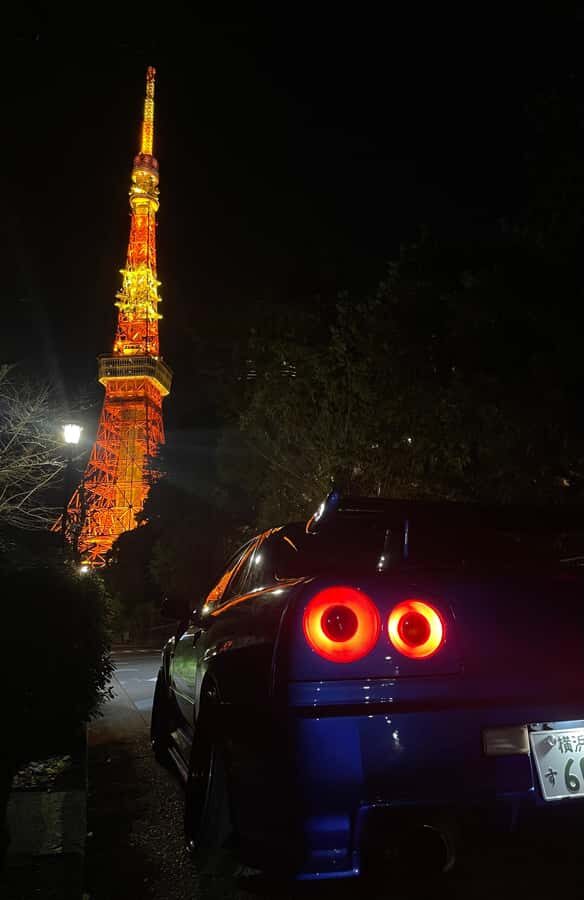
- Daikoku PA at peak energy: see the lineup up close and soak in the atmosphere where the scene shows up.
- An enthusiast-run convoy feel: guides like Nikhil and Ranul are picked out for their car stories and easy conversation.
- Real roads, not just photos: C1 Loop and Wangan Expressway are part of the drive.
- Two ride styles: Street Racer for tuned, high-energy driving; Executive Drive for a calmer way to enjoy the night.
- Iconic Tokyo waterfront views: Rainbow Bridge and Yokohama Bay Bridge are on the route.
- Practical value: highway tolls, fuel, and taxes are included, which matters in Tokyo traffic planning.
Daikoku PA: why this Yokohama stop matters for JDM fans
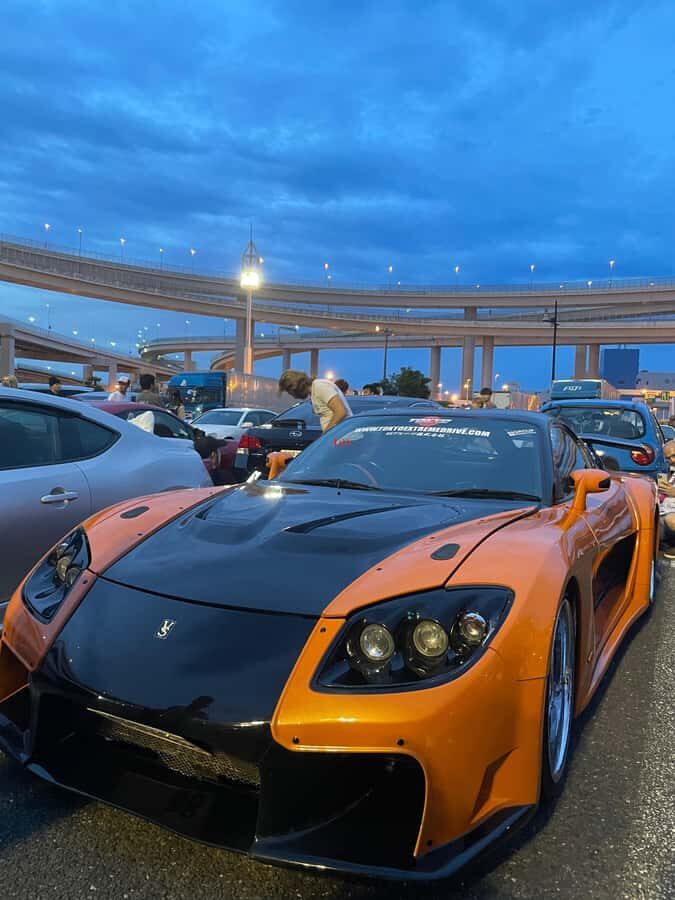
Daikoku Parking Area in Yokohama is the kind of place that makes car people stop talking and just watch. You’re not just passing by a landmark. You’re arriving when the scene is awake, and the whole experience is built around getting you close enough to read the vibe: the stance, the detailing, the sound in the air, and the way people move around their machines.
This tour is especially good if you’re a fan of the “car meet” culture, not only the cars. The night doesn’t feel like a bus stop. It feels like joining a group that knows where to go and when to show up. And because the day’s route is designed around Tokyo car hotspots, Daikoku doesn’t feel random. It’s the climax.
The biggest payoff for me is the mix of scale and access. You get to see a lineup of dream cars up close, but you’re also not stuck there in one spot the whole time. The crew keeps the night moving through other key stops, so you’re not paying to stand in place. You’re paying for the whole arc: show up, look around, then ride the roads that connect these parts of the scene.
You can also read our reviews of more tours and experiences in Tokyo.



Project Wangan’s route: Akihabara to the C1 Loop and Tokyo waterfront
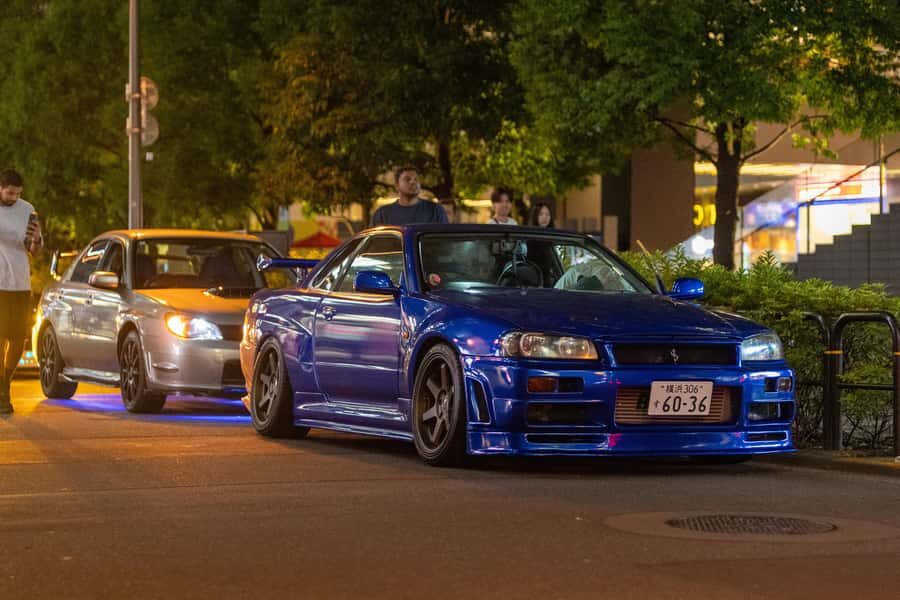
The rhythm of the night is where this experience earns its reputation. You start near Akihabara at Game Panic Akihabara, then the tour rolls through a set of car culture targets that make sense together rather than feeling like a random grab bag of photo ops.
A typical flow looks like this:
- Akihabara area to orient you, then on to car-focused spots
- A-PIT Autobacs, a key retail/enthusiast hub where you can often feel the scene energy even outside a formal meet
- Minato City, another anchor for where people actually hang out and drive through
- Then the big “movie roads” phase: C1 Loop and Wangan Expressway
- Rainbow Bridge and then toward Yokohama Bay Bridge
- Finish at Daikoku PA (or an alternative if the real one is temporarily closed)
Why that matters: Tokyo traffic and timing can make even serious sightseeing feel chaotic. Here, the route is structured around places that connect to each other, and you get photo stops built in. In practice, that means less time asking strangers where to go and more time looking at the right things at the right moments.
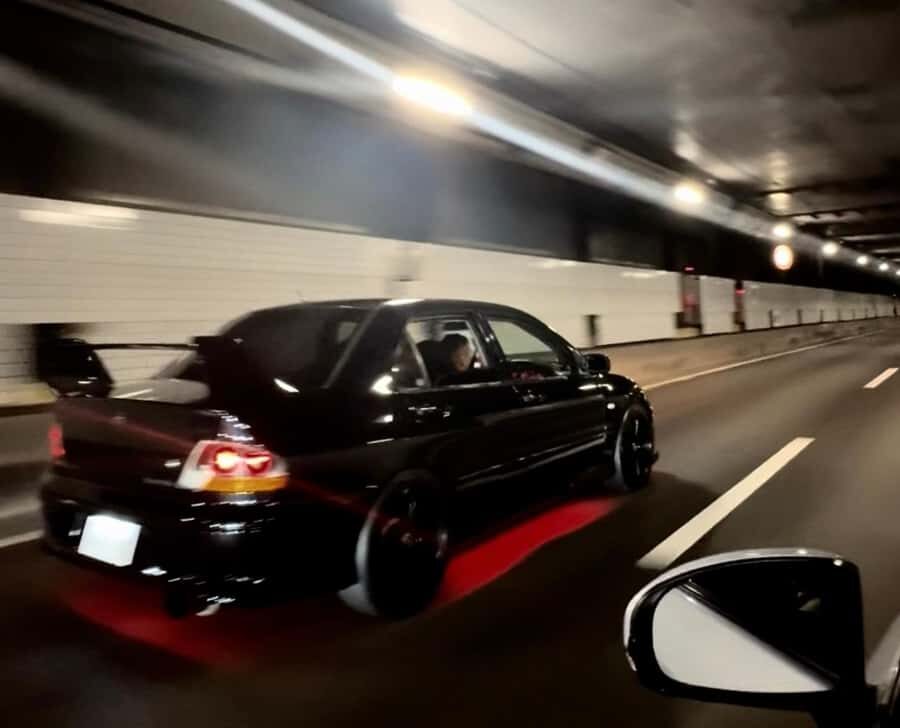
From the reviews, I also get a clear pattern: the drive between stops is part of the experience, not just transport. People describe the tunnels and night roads as the “Fast and Furious” moment, but the key detail is that you’re not riding blind. Your driver talks, explains what you’re seeing, and fills the gaps between the famous roads and the local culture that created them.
Two ways to ride: Street Racer Experience vs Executive Drive
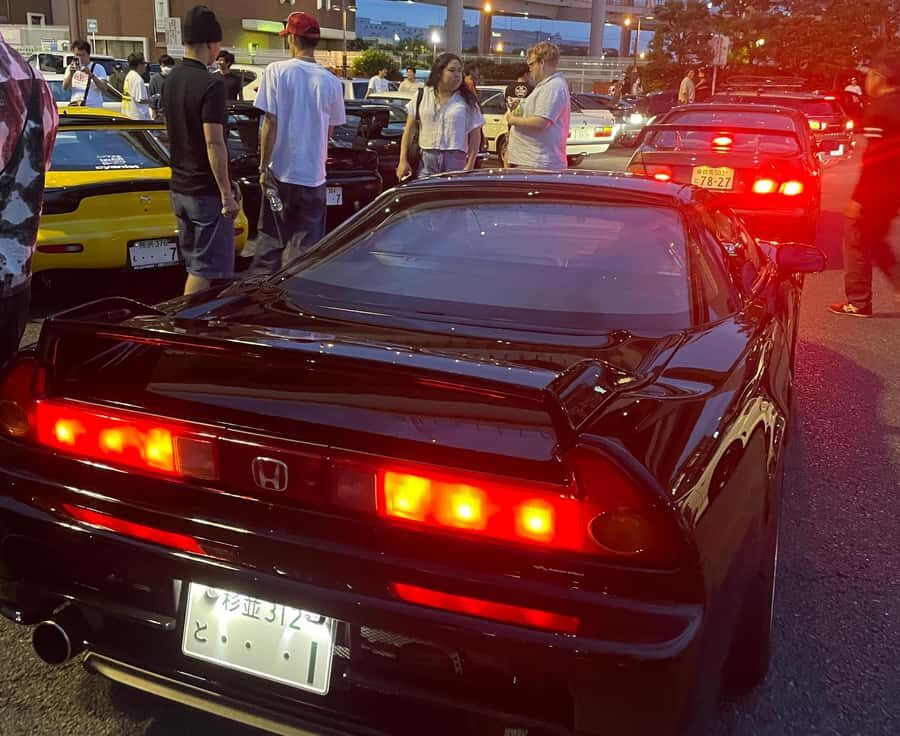
You have two styles of participation, and choosing the right one can make or break your enjoyment.
Street Racer Experience
If you want the full JDM vibe, you’ll ride in a tuned JDM car with an expert driver. The promise here is power you can feel, sound you can hear (think turbo spool), and a driving style that matches the roads on the itinerary. This is also the best fit if you care about staying mentally “in the scene,” where every turn and acceleration feels like part of the show.
Executive Drive
If you’d rather relax while still seeing the same night route and car culture hotspots, this option puts you in a standard vehicle. You still get the scenic stops and the drive through major Tokyo locations, but without the same emphasis on high-energy handling. It’s the smarter choice if you want the views and stories first, and the driving intensity second.
One practical note: the lineup of cars can vary. Some cars may be under maintenance on your selected date. If you have your heart set on a specific model, you’ll want to check availability by messaging the team via IG or through the booking channel.




The JDM car lineup: what you might ride and what you’ll still enjoy
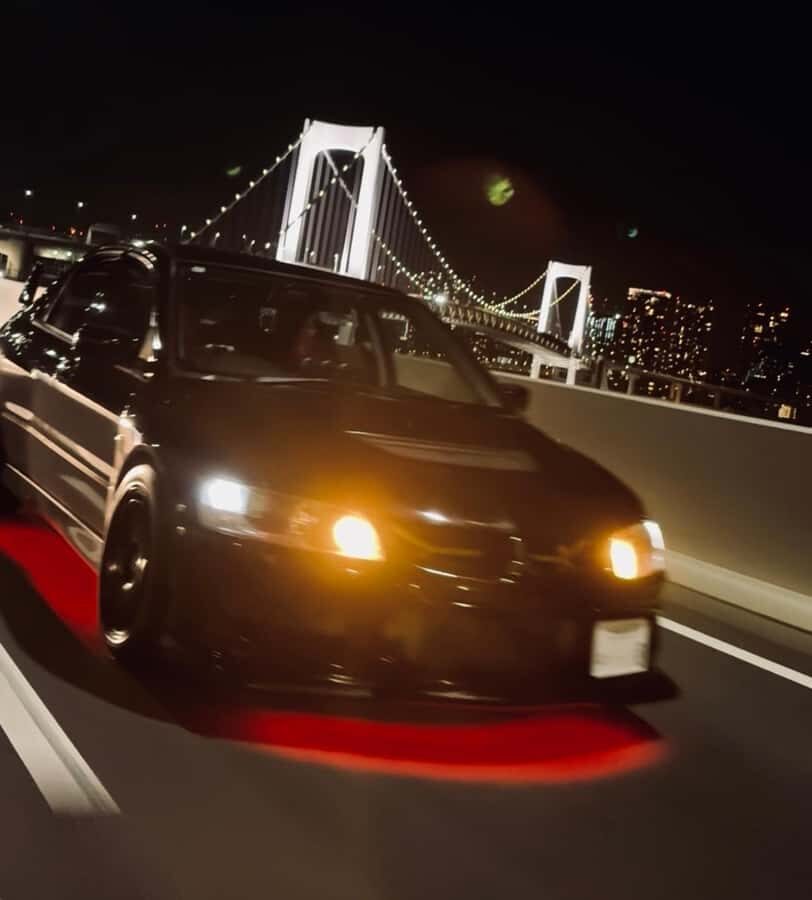
The experience is built around the idea that you’ll see real JDM icons, not generic versions of them. The tour description lists cars like:
- Toyota MK5 Supra
- Mitsubishi Lancer Evolution VIII
- Subaru WRXs (including Raptor eye and Hawk eye)
- plus additional models depending on what’s available
That “depending on what’s available” part is not a throwaway line. It’s one of the few reasons people end up disappointed on tours like this. If you go in expecting a single exact car and it’s temporarily unavailable, the night can feel less special. The fix is simple: pick a couple of models you’d be happy with, then message ahead if there’s one you truly want.
Even when you don’t get your absolute favorite, you still have one guaranteed win: you’re going to Daikoku, and the whole night is structured around places where the scene shows up. So your joy doesn’t hinge on one perfect car match. It hinges on the overall atmosphere, the convoy energy, and the route through the places that car fans talk about.
A-PIT Autobacs and Minato City: where culture shows up between the highways
Not every stop is about a famous bridge. Some are about the daily texture of the scene.
A-PIT Autobacs is one of those stops that works well even if you’re not a mechanic. It’s a place where you get to see the kind of car people that Tokyo produces: the owners, the styles, the interest in parts and setups, and the casual seriousness of the crowd.
Then Minato City adds another layer. It’s less about one parking-area spectacle and more about feeling how the scene fits into Tokyo’s geography. You’re not only chasing night-meet hype. You’re seeing how car culture moves through real neighborhoods and approaches.
The reason I think these stops matter for value is that they balance the night. If everything were just Daikoku and a couple of scenic shots, you’d lose the sense of “how the culture actually operates.” With A-PIT and Minato on the route, the night feels like a story with chapters.
Rainbow Bridge and Yokohama Bay Bridge: skyline views with car-scene context
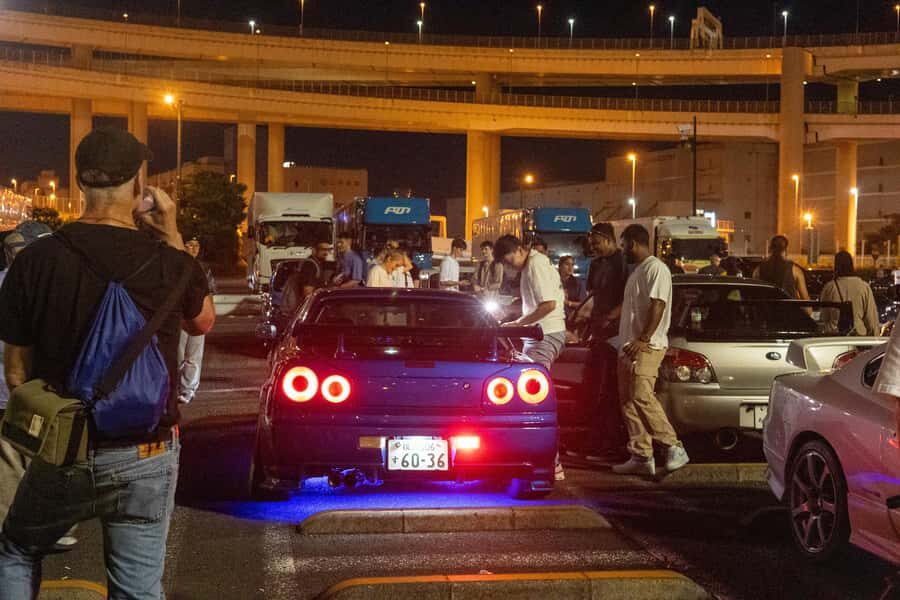
Yes, the skyline matters. But the real trick here is that you’re watching it while moving like a local car crew, not while standing in a tourist crowd holding a phone.
Crossings like Rainbow Bridge and Yokohama Bay Bridge can be pretty on any itinerary. What changes on this one is the framing. You’re learning the routes that car people use and the context around why those roads show up in stories and scene myths. The driver’s talk turns what could be generic sightseeing into something that feels personal.
Also, riding at night in Tokyo has a different energy. The roads can feel tight and fast, and the bridges give you that sense of speed plus city scale. If you’re hoping for the “you can’t get this on trains” feeling, this is where it happens.
How the convoy ride works day-to-night (and why the meeting point matters)
The tour is based on a fixed route, and it starts at the shop Game Panic Akihabara (find it by searching it on Google, then follow directions) with pickup instructions available via IG if needed. The activity ends back at the meeting point. That detail matters because it keeps the convoy coordinated and prevents the group from splitting up into half-finished mini-tours.
Your ride is also not set up like unlicensed taxi service. This is run as a cultural automotive event for car club participants, with expert drivers and guides, not random transport.
From a comfort standpoint, you should plan for a night activity with changing cars if your chosen machine is in maintenance. The crew tries to keep things smooth, and the bilingual guides (English and Japanese) help bridge the gap when you want to ask questions at stops.
Practical tip: bring a passport or ID card as requested. And if you’re sensitive to motion, understand that this is part-drive, part-night-road activity. The tour isn’t listed as suitable for motion sickness, heart problems, wheelchair users, or kids under 8.
Photo stops and car-meet etiquette: what to do when you arrive
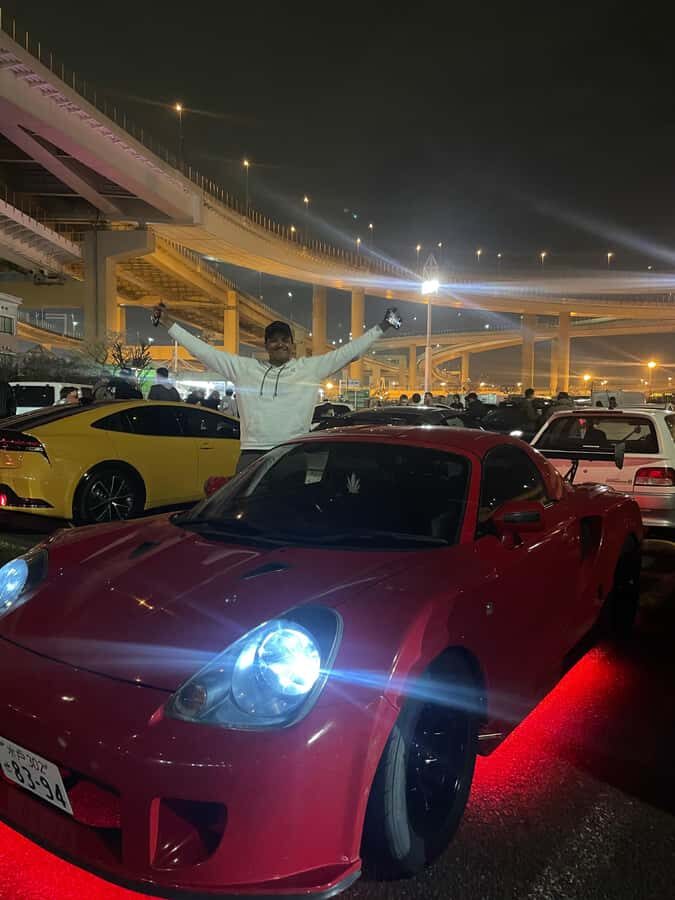
This tour includes photo stops at iconic car culture locations, and Daikoku is the big one. But how you handle yourself matters because these meets have real-life norms.
I’d treat it like this:
- Move with the group when needed, so you don’t separate from the convoy.
- Take photos, but keep a little distance from people and cars so it doesn’t turn into crowd chaos.
- Use the driver’s stops to ask what you’re looking at. That’s where the information comes from.
One more reason people rate this so highly is the guide conversation. When the driver is an enthusiast who talks like someone living the scene, you end up with better photos even if your camera skills are average. You know what you’re photographing and why.
Some guides have even brought small extras like snacks and drinks in certain runs, which helps on long late nights. That’s not guaranteed in the core inclusions, but it’s a nice sign that the crew thinks about keeping people comfortable.
Price and value: why $84 can be a bargain in Tokyo
$84 per person sounds simple, but the value comes from what’s wrapped into that number. The listed inclusions include:
- Ride along in a tuned JDM car or standard vehicle
- Expert local drivers and car enthusiasts
- Bilingual guidance (English and Japanese)
- Scenic driving through JDM hotspots
- All highway tolls, fuel & taxes included
- Photo stops
- Best price guaranteed, even on weekends
In Tokyo, highway tolls and the logistics of getting to the right spots can easily add up fast. Here, you’re paying for a structured route with the cost side handled for you. You’re not trying to piece together transport, reservations, and timing on your own.
You’re also paying for access to the “inner circle” vibe: the drivers and guides aren’t just reading off a script. The names that show up in the experience (like Nikhil and Ranul) are consistently tied to strong car knowledge and a friendly, talkable style that makes the drive feel personal instead of like a stiff guided bus.
The one cost trade-off is that the experience has boundaries: it’s not a hotel drop-off service, it’s a fixed route, and car availability may shift due to maintenance. If you’re flexible and you’re there for the culture and the roads, the price-to-experience ratio looks strong.
Who this tour suits best (and who should rethink it)
This is a great match if:
- You’re a JDM fan or you’ve been watching Tokyo and Wangan stories for years
- You want the Daikoku lineup experience without doing the hunt yourself
- You enjoy learning car culture from people who live it, not just a checklist guide
- You want the roads that inspired big legends: C1 Loop and Wangan Expressway
It’s not a great fit if:
- You have motion sickness or you know you don’t do well on night drives
- You have heart problems (listed as not suitable)
- You need wheelchair accessibility (listed as not suitable)
- You’re bringing kids under 8 (listed as not suitable)
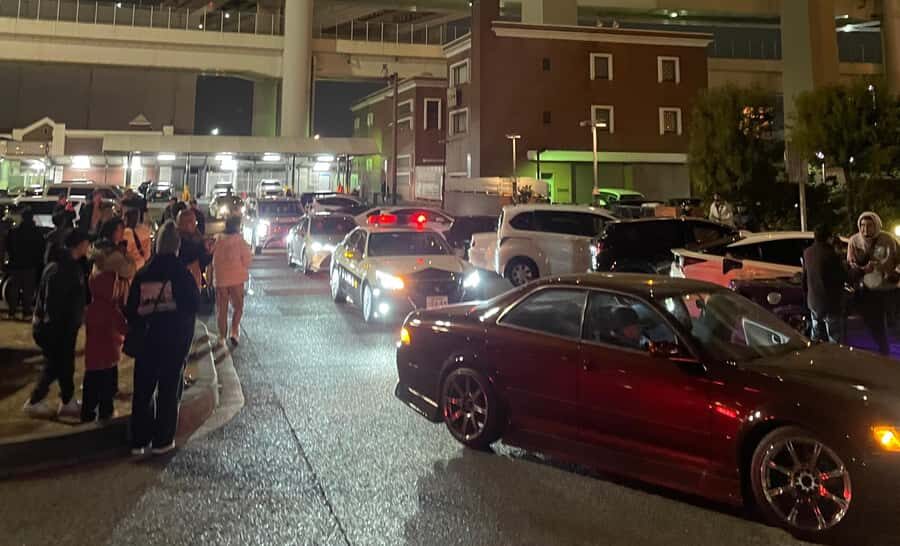
- You need reliable certainty that Daikoku PA will be open every time (it can be temporarily closed due to police activity)
Also, if you’re expecting a calm museum-style tour, you might prefer Executive Drive. If you want the “Fast and Furious” energy, go Street Racer.
Should you book Daikoku: JDM and Tokyo Car Culture Experience?
Book it if you want Tokyo car culture with real access: a night route built around the places that matter, a stop at Daikoku PA, and drivers who can talk cars while you ride the same style of roads people brag about online.
Skip it or choose another plan if you’re going only for classic sightseeing and you’d rather not focus on car culture. Also skip if you’re sensitive to motion or you don’t handle intense night driving well.
If your goal is to leave Tokyo with the kind of memory that feels specific—bridge lights, tunnel roads, and a real JDM lineup at the end of the night—this one is hard to beat for the money.
FAQ
Where do I meet for the tour?
You’ll start at Game Panic Akihabara. You can find it by searching the shop name on Google and following directions, or message the team on IG at projectwangan_jp for specific instructions.
What does the tour cost?
The price is $84 per person.
What ride options do I have?
You can choose either the Street Racer Experience (ride in a tuned JDM car with an expert driver) or Executive Drive (ride the same route in a standard vehicle).
Will I always ride in the exact car I want?
Not always. Some cars may be under maintenance on your date, so you might not get the specific model you hoped for. If you have a favorite, message via IG or through the booking channel to check availability.
Is Daikoku PA guaranteed to be open?
Daikoku PA can be temporarily closed due to police activity. When that happens, the team offers alternative locations.
What’s included in the price?
Included items are the ride (JDM or standard), expert local drivers and car enthusiasts, bilingual guides (English and Japanese), scenic drives through Tokyo JDM hotspots, photo stops, and all highway tolls, fuel, and taxes.
What do I need to bring?
Bring a passport or ID card.
Is there any food or alcohol allowed in the vehicle?
You should not smoke in the vehicle, and alcoholic drinks are not allowed in the vehicle.