REVIEW · ISHIGAKI
Okinawa Ishigaki Blue Cave Snorkeling Tour
Book on Viator →Operated by ISHIGAKI ADVENTURE PiPi · Bookable on Viator
One glance at Ishigaki’s clear water and you get it.
This Blue Cave snorkeling tour pairs guide-led safety with real reef time, and you’ll likely get that famous blue glow when conditions cooperate. I really like the patient instruction (names like Diego, Yuki, Ken, and Chloe show up in guide feedback), and I like that they build in chances to see fish and coral even if the cave can’t be done. One possible drawback: the cave visit depends on conditions, so you may snorkel nearby instead when the weather or sea state isn’t right.
The best part, in my view, is that this doesn’t feel like a drop-in activity. You get a structured experience: explore the cave area first, then move into snorkeling over a reef trench with plenty of wildlife. If you’re not a strong swimmer, that step-by-step support matters a lot.
Timing is the other thing to keep in mind. This runs about 1 hour 30 minutes, so you want to show up ready to swim, not changing on the fly.
In This Review
- Quick hits
- Blue Cave snorkeling in Ishigaki: what makes it special
- How the tour flows on the day (cave first, then reef)
- Reef time matters more than you think
- What gear you’ll get (and what you should double-check)
- Safety and comfort: the guide’s real job
- Your time in the water depends on weather (and that’s normal)
- Pickup, meeting point, and how to avoid awkward delays
- Price and value: what $45.76 buys you
- Who should book this Blue Cave tour
- Tips to get the most from your snorkel day
- Should you book the Okinawa Ishigaki Blue Cave Snorkeling Tour?
- FAQ
- Is snorkeling equipment and safety gear included?
- Do I need to be able to swim well?
- How long is the tour?
- Is pickup available?
- What languages do the guides speak?
- What happens if weather conditions aren’t safe?
Quick hits
- Blue Cave time first, then snorkeling where fish and coral are the main event
- Patient, step-by-step guiding (you’ll see lots of praise for encouragement and clear instruction)
- Weather-responsive plan: cave access may shift to an alternative snorkeling spot
- Gear and comfort help: life jacket, fins, mask, special shoes, and wetsuits in cooler seasons
- Shower + photo data included, which makes the whole outing feel more complete
- Small-group feel sometimes, even though the stated max is 100
Blue Cave snorkeling in Ishigaki: what makes it special
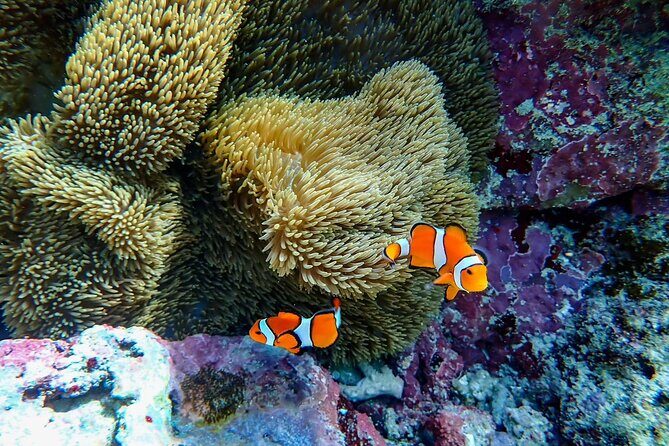
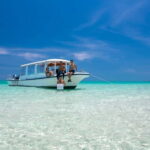
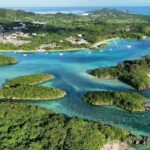
Ishigaki sits in Okinawa’s coral country, and that shows fast once you get in the water. The Blue Cave is known for that clean, sky-blue look—especially when the sunlight hits and the water inside looks almost too clear to be real. The tour’s core promise is simple: get you into that environment, then keep you in the ocean long enough to see what’s living there.
I also like that the experience isn’t only about the cave. You’re not just standing around looking at rock and hoping for fish. After the cave phase, you snorkel in an area described as a trench with corals and many fish, and that tends to be where the magic turns into lasting memories.
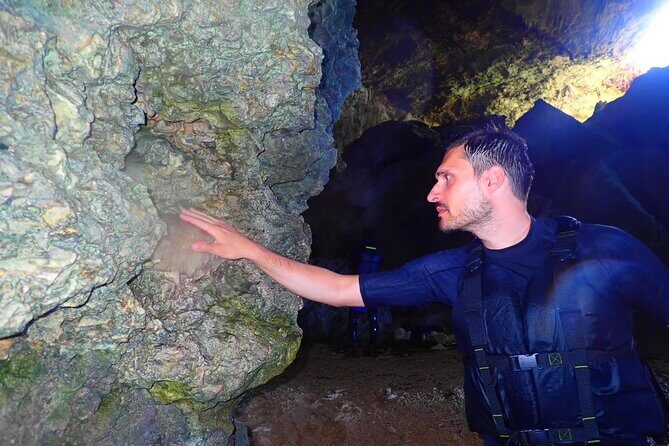
One more detail I appreciate: limestone cave exploration is part of the plan when conditions allow you to go ashore inside the cave area. That gives the outing a little variety—land texture first, then underwater life.
You can also read our reviews of more snorkeling tours in Ishigaki
How the tour flows on the day (cave first, then reef)
Your day runs on a two-stop rhythm. You start at Ishigaki-jima Blue Cave, then you move to another spot around Ishigaki-jima for snorkeling.
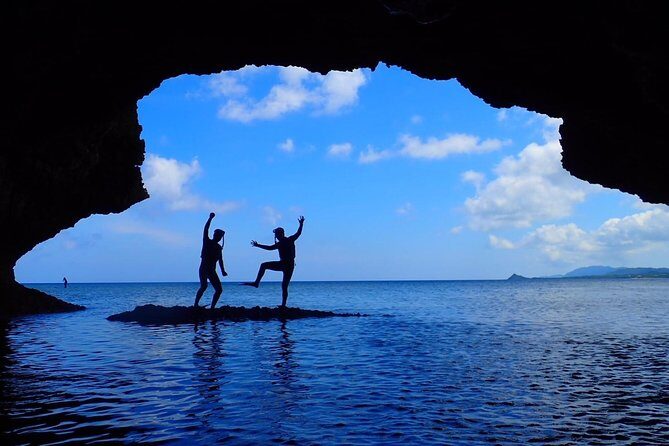
At the cave stop, you’re not just peeking. When conditions are right, you can explore the inside of the cave area and observe the natural limestone formations. This is the phase where lighting matters most; the clearer the sea and the steadier the skies, the more likely you’ll see that vivid blue effect that the cave is famous for.
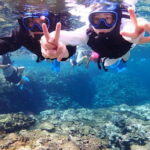
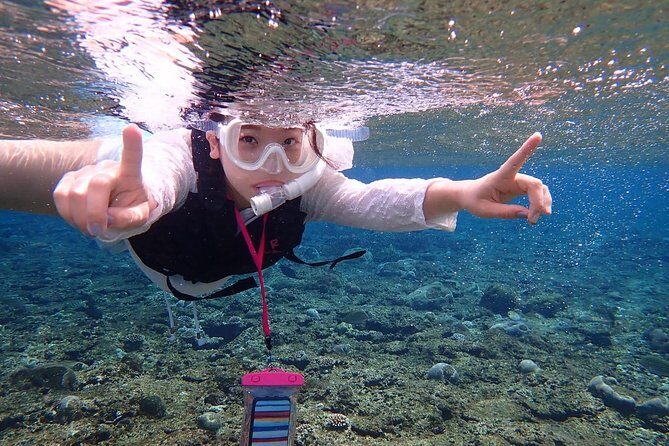
Then comes snorkeling. Expect the guide to set you up with the safety gear and help you get comfortable with masks and fins. You’ll swim over a reef trench area where fish and coral are present, and the water clarity is repeatedly highlighted as a real highlight. Even when cave access changes, you still get reef time.
A practical note: this runs in rain or shine, but it can be canceled if conditions are unsafe. On one day, that might mean cave access is limited; on another, it might mean a full cancellation or rescheduling.
Reef time matters more than you think
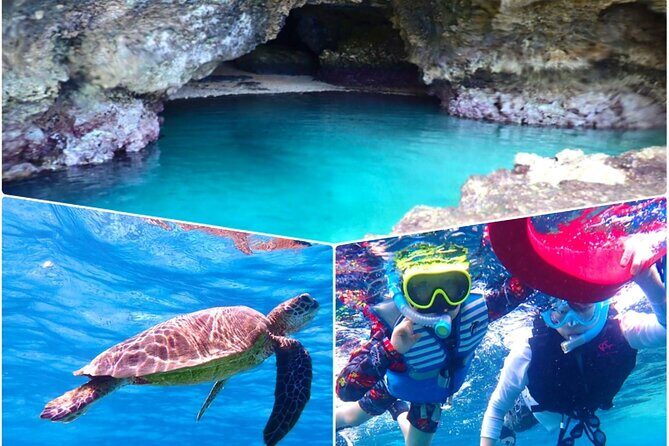
A lot of snorkeling tours sell a single headline. This one sells a headline, then supports it with actual underwater habitat time. The reef-trench setup is important because it tends to concentrate life—fish that notice movement, plus coral structures that give them places to hang out.
If you’ve never snorkeled before, this tour format is helpful. You start with a cave experience that feels like an easy win, then you shift to the water when you’re already mentally ready to swim. It also means you’re not spending the whole day chasing a cave photo opportunity while missing the best part—what’s living below the surface.
If you’re an experienced snorkeler, you’ll still benefit from the structure. The guide’s job is to manage spacing, keep you on the right track, and help you adjust if visibility changes.
What gear you’ll get (and what you should double-check)
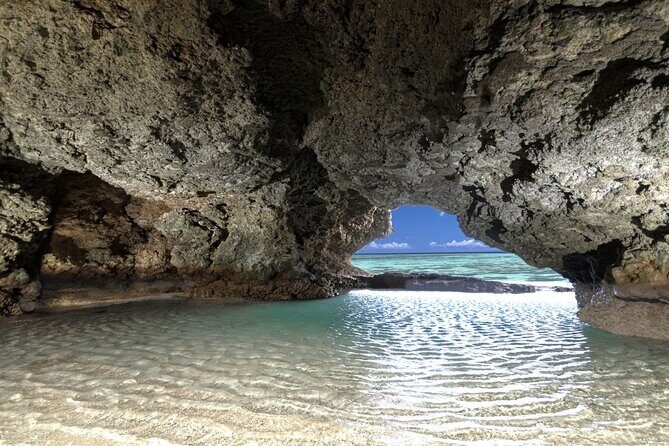
The tour includes snorkeling equipment, plus safety items like a life jacket. You’re also provided special shoes and a wetsuit in winter. That matters more than people think, because Ishigaki water can feel very different depending on season, wind, and timing. Wetsuits don’t just keep you warm; they also help you stay comfortable longer.
They require key items for safety and comfort: life jacket, fins, and mask. The inclusion of these pieces usually makes it easier to travel light. You don’t need to pack your own kit.
However, there’s one detail worth taking seriously: one part of the information says snorkeling equipment is included, but another line lists a snorkeling equipment fee of ¥1,000 per person. Since that conflicts on paper, I’d treat it as a “confirm before you pay” item. Ask the operator what is included for your specific booking date so you don’t get surprised when you arrive.
Also keep in mind the practical prep rule: wear swimwear ahead of time. There’s a shower near Ishigaki Port, and it’s available, but you’ll be happier if you’re already dressed for water.
Safety and comfort: the guide’s real job
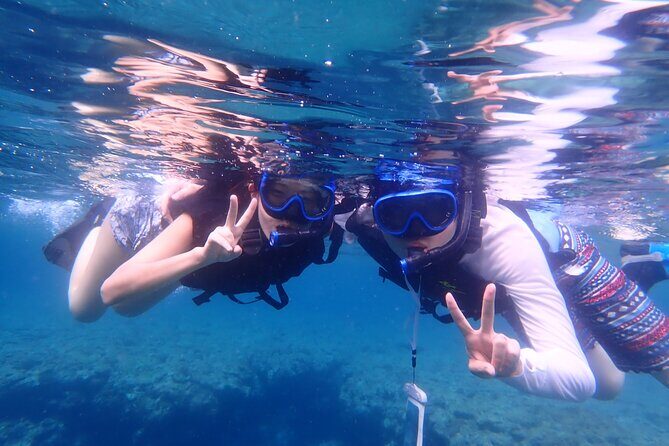
If you’re worried about swimming ability, this is one of the better kinds of tours to choose. Many guide feedback comments point to kindness, patience, and encouragement, especially for people who aren’t confident in the water. Guides like Diego and Yuki show up in that kind of praise, and names like Ken and Chloe appear in similar supportive stories.
What that usually means in real life: you’ll get clear instruction on how to breathe comfortably with your mask, how to pace your kicks, and how to stay calm if you feel a bit wobbly. You’ll also likely get help with gear adjustments—one example mentioned defogging solution for masks, which tells me they’re thinking about the small stuff that makes snorkeling easier.
The tour is also age- and condition-specific: participants must be ages 5–59. It’s not for pregnant guests or people with certain medical conditions, and it specifically says it’s not recommended after drinking. Those limits aren’t there to spoil the fun; they help the guide manage safety in a water environment where changing conditions can affect comfort.
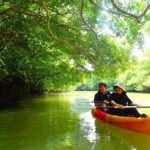

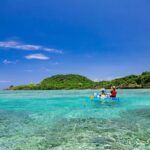
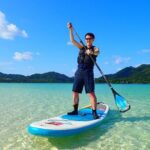
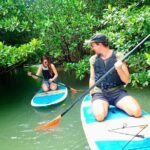
Your time in the water depends on weather (and that’s normal)
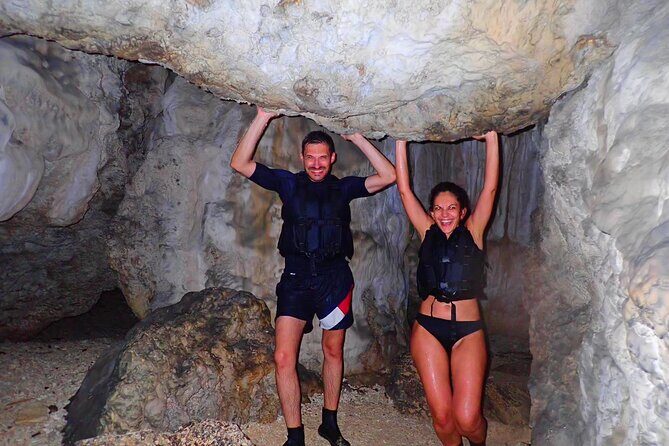
The plan is described as operating rain or shine, but it still needs conditions that keep it safe. When weather doesn’t cooperate, the cave part may shift. That’s not a failure—it’s the reality of snorkeling in open coastal water.
In practical terms, you might not get the full cave experience on every day. When cave access is limited, you can still snorkel at nearby spots with reefs and wildlife, which keeps the outing from feeling like a washout.
So if you’re the kind of traveler who hates uncertainty, you’ll want to mentally prepare for a “best available plan” approach. If you’re flexible, you’ll be glad they prioritize getting you into the water instead of canceling every time the forecast wobbles.
Pickup, meeting point, and how to avoid awkward delays
This tour offers pickup, which is a huge value add if you’re not based right near Ishigaki Port. Even if you prefer to meet at the site, you can arrange it by contacting the operator in advance.
Timing matters here because the total outing is about 1.5 hours. That’s not a full-day adventure, so missing the start can cut into your best window for clarity and calm water. The information also emphasizes punctuality, and late or no-shows can incur fees, which tells you the operation runs tightly.
If you’re cruising or visiting from another schedule, plan buffer time. One of the best parts of this tour is that it’s fairly quick from “meet” to “in the water,” but that only works if everyone shows up on time.
Price and value: what $45.76 buys you
At $45.76 per person, this sits in the “reasonable for a guided snorkeling outing” category—especially for Ishigaki, where the natural underwater scenery is the whole show. The value isn’t only the seafood-blue views. You’re paying for equipment, safety gear, guide time, and a structured experience.
Here’s what adds up on the included side:
- Snorkeling gear and safety equipment
- Life jacket, special shoes, and wetsuits in cooler conditions
- Hot shower after
- Photo data
- Liability insurance and sales tax
- A participant coupon page redeemable at restaurants
That shower and photo data are small but smart inclusions. After a salt-water session, a quick rinse makes you feel human again. Photo data also reduces friction—you don’t need to worry about breaking your phone case or getting perfect shots with cold hands.
One more value factor: photo data and organized instruction often matter most for first-timers. If you’re new to snorkeling, you’ll usually remember how easy it felt to follow the guide and see fish, not that you self-taught everything on the spot.
Who should book this Blue Cave tour
This tour is a good fit if you want:
- a guided snorkeling experience, not a DIY kit-and-go day
- time in clear water with coral and fish
- the chance to see the Blue Cave area when conditions allow
- a shorter outing (about 1.5 hours) that fits into a busy Ishigaki plan
It may not fit if you:
- are outside the age range (5–59)
- are pregnant
- have medical conditions that affect safe participation
- are very uncomfortable with ocean conditions and can’t follow instructions
If you’re a less confident swimmer, that doesn’t automatically disqualify you—but it does make it more important that you choose a tour with strong instruction. The guide feedback here leans toward patience and step-by-step encouragement, which is exactly what you want.
Tips to get the most from your snorkel day
A little prep makes the difference between a fun session and a mildly stressful one.
First, come ready. Wear swimwear, use the restroom before arrival, and plan to keep your schedule realistic. There’s a shower nearby, but there’s no “reset time” built into a short 1.5-hour tour.
Second, bring a calm mindset about cave access. Conditions can affect whether you get the cave portion in the way you imagined. If the cave is limited, focus on the snorkeling stop. That’s where the reef trench happens—and that’s where many people find the most consistent underwater action.
Third, protect your focus underwater. Even if you’re excited, listen to the guide about breathing, pacing, and where to swim. Clear instruction is the difference between “I can handle this” and “Why am I fighting my mask?”
Finally, plan for comfort after. A hot shower is included, and that makes it easier to keep going with your day in Ishigaki afterward.
Should you book the Okinawa Ishigaki Blue Cave Snorkeling Tour?
If you want a short, guided snorkeling experience that mixes the Blue Cave look with actual reef time, I think this is a strong pick. The value is better than it looks at first glance because you get equipment, safety gear, hot shower access, and photo data, all wrapped into a group format that’s capped at a maximum size.
Book it if you’re comfortable with the reality that cave conditions may change. You’ll still get snorkeling time, and the guide instruction is frequently praised for being patient and encouraging, including for people who aren’t strong swimmers.
Skip it only if your situation doesn’t match the stated participation limits, or if ocean conditions make you feel unsafe even with instruction. If you fall in the middle—curious, a bit nervous, but willing to listen—you’ll probably have a great day in Ishigaki’s clear water.
FAQ
Is snorkeling equipment and safety gear included?
The tour information indicates snorkeling equipment and safety equipment (including a life jacket) are provided, along with special shoes. It also lists a snorkeling equipment fee of ¥1,000 per person under not included items, so it’s smart to confirm what’s covered for your booking.
Do I need to be able to swim well?
You should be able to participate safely as instructed by the guide. The tour also notes that you can contact them if you have strength concerns or fear of the ocean, suggesting they can advise on suitability.
How long is the tour?
The duration is about 1 hour 30 minutes.
Is pickup available?
Pickup is offered.
What languages do the guides speak?
The tour is offered with guides speaking Japanese or English.
What happens if weather conditions aren’t safe?
The experience operates rain or shine, but it may cancel if conditions are unsafe. If it’s canceled due to poor weather, you’ll be offered a different date or a full refund.