REVIEW · ISHIGAKI
Ishigaki Island: Blue Cave Exploration & Snorkeling Tour
Book on GetYourGuide →Operated by ISHIGAKI ADVENTURE PiPi · Bookable on GetYourGuide
Blue light in a cave, then fish on cue. This Blue Cave trip is special because the cave can turn sunlight into a clear, electric blue glow, and the snorkeling afterward rewards you with excellent water clarity and close marine-life viewing. Still, be aware the tour isn’t for everyone: you need solid swimming ability, and the Blue Cave plan can change if conditions get unsafe.
I like the practical setup for real life: hotel pickup for people staying in Ishigaki’s southern area, plus provided snorkeling equipment, life jacket, and wetsuit (in cooler seasons). Guides matter here too, and names like Makoto, Akari, Tom, and Sebastian show up repeatedly in the way they lead, explain, and keep the group moving with calm, safety-first energy.
Plan smart so you don’t waste time. You’ll be asked to arrive ready (swimwear on), use the restroom before you meet, and note that ages and health limits apply, including no pregnancy and no non-swimmers.
In This Review
- Key things that make this Blue Cave snorkeling tour work
- Why Ishigaki’s Blue Cave looks different from normal snorkeling
- The 2-hour flow: from pickup to reef time without chaos
- Blue Cave time: limestone formations and simple cave etiquette
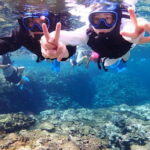
- Snorkeling the trench: what you’ll actually see in the water
- Gear and safety: what’s included, what you must do
- Guides make or break the experience (and the guide quality is obvious here)
- Weather reality: rain or shine, but safety decides the route
- Price and value: is $47 worth it?
- Who this tour fits well (and who should skip it)
- Practical tips to make your day smoother
- Should you book this Ishigaki Blue Cave snorkeling tour?
- FAQ
- Where do we meet for the tour?
- How long is the tour?
- Is hotel pickup included?
- What snorkeling and safety gear is included?
- Can I wear contact lenses?
- What should I bring?
- Does the tour run in bad weather?
- Is the Blue Cave stop guaranteed?
- What age and health restrictions apply?
- Is this tour okay for beginners?
Key things that make this Blue Cave snorkeling tour work
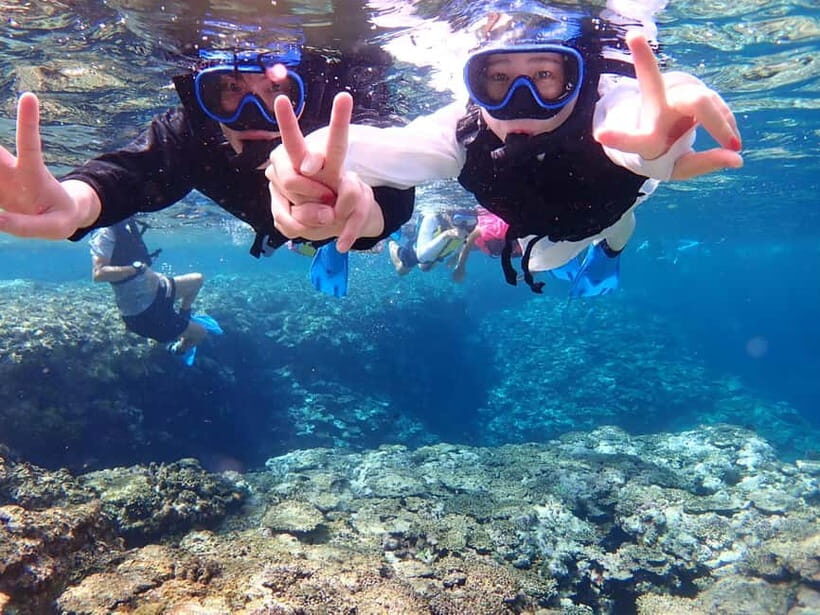
- Blue Cave light: When conditions cooperate, sunlight inside the cave looks almost unreal.
- Snorkel time over the trench: You swim where fish and coral habitat are close and easy to watch.
- Safety gear included: Life jacket, mask, fins, and special shoes come with the tour.
- Guides who stay on top of safety: Clear instructions and constant check-ins keep the experience comfortable.
- Photos as a bonus: Photo data is included, and many guides also share great underwater shots.
- Weather-flexible planning: If the cave isn’t safe, you may go to another snorkeling spot instead.
Why Ishigaki’s Blue Cave looks different from normal snorkeling
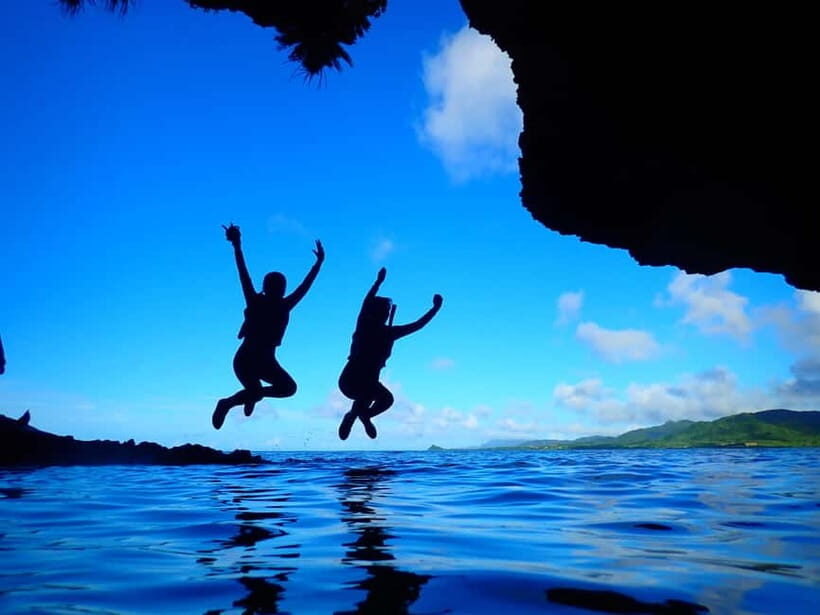
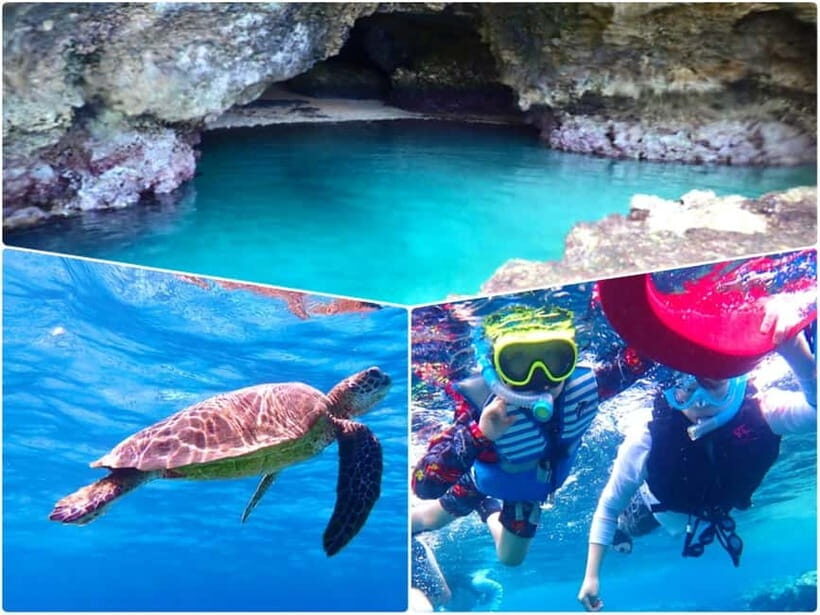
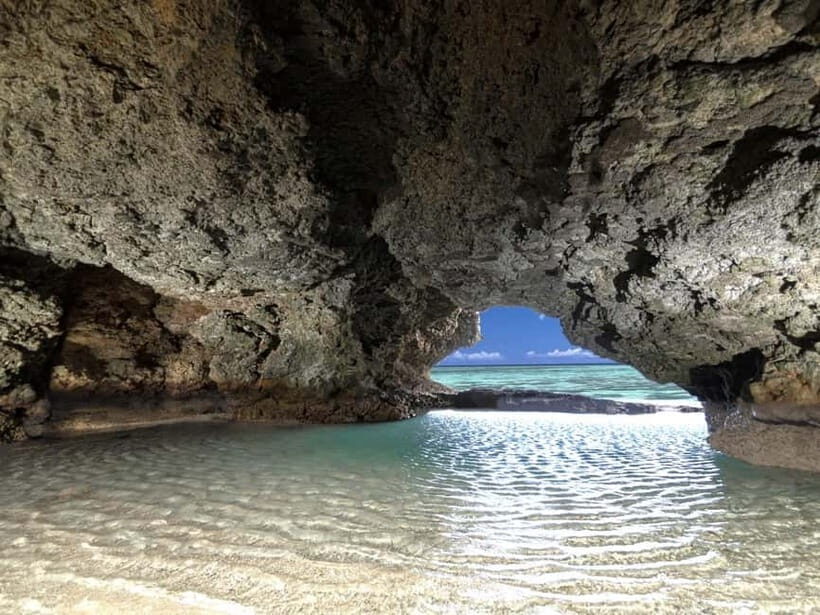
The Blue Cave isn’t just another “pretty spot.” The northern Ishigaki location can create a real light show, where the cave water turns that signature deep-blue tint when the sky and sea conditions cooperate. That effect is part of the reason people remember this tour so clearly, even after other Okinawa snorkeling days blur together.
Then you get the payoff right after. Instead of spending the whole time staring at a shoreline viewpoint, you go right into snorkeling water that’s clear enough to make fish and coral feel close. The timing matters too: you don’t rush to the reef and you don’t linger forever on the sand, which is a good balance for most skill levels.
One note that shapes your expectations: visibility and cave appearance depend on conditions. That’s not a downside so much as a reality check for any ocean tour.
You can also read our reviews of more snorkeling tours in Ishigaki
The 2-hour flow: from pickup to reef time without chaos
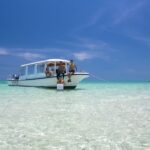
This tour is built around a tight schedule that still feels paced. You start at the ユーグレナ石垣港離島ターミナル (Euglena Ishigaki Ferry Terminal Remote Island Terminal) area, then you spend the bulk of the time in the water with snorkeling (about 1.5 hours), before you head back to the same meeting point.
If you’re staying in the southern part of Ishigaki, pickup is included from hotels in a defined range (from ANA InterContinental on the west side to Fusaki Resort on the east side). People not covered by that pickup area typically meet at a designated point at/near the ferry terminal, so it’s worth double-checking what applies to your exact hotel.
The big practical win: you’re not managing gear rentals or figuring out where to go. The tour handles the moving pieces so you can focus on the water.
Blue Cave time: limestone formations and simple cave etiquette
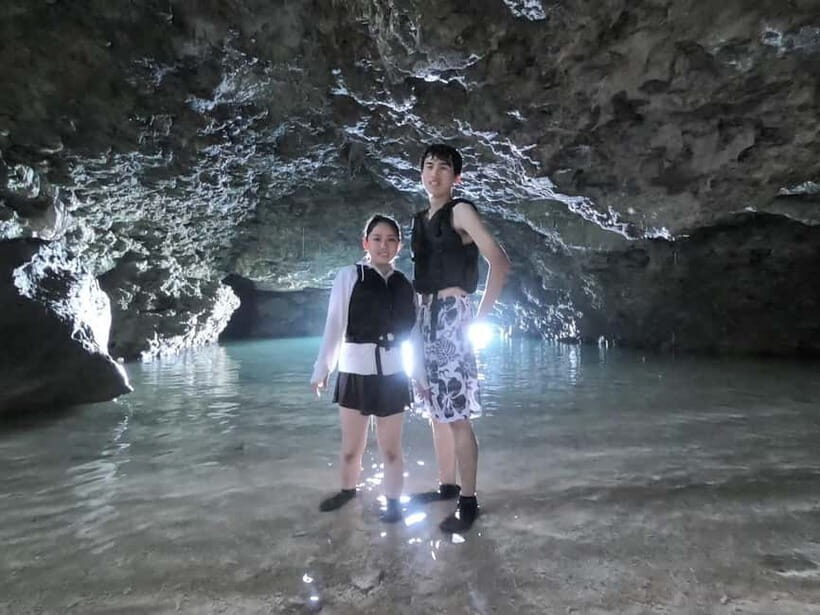
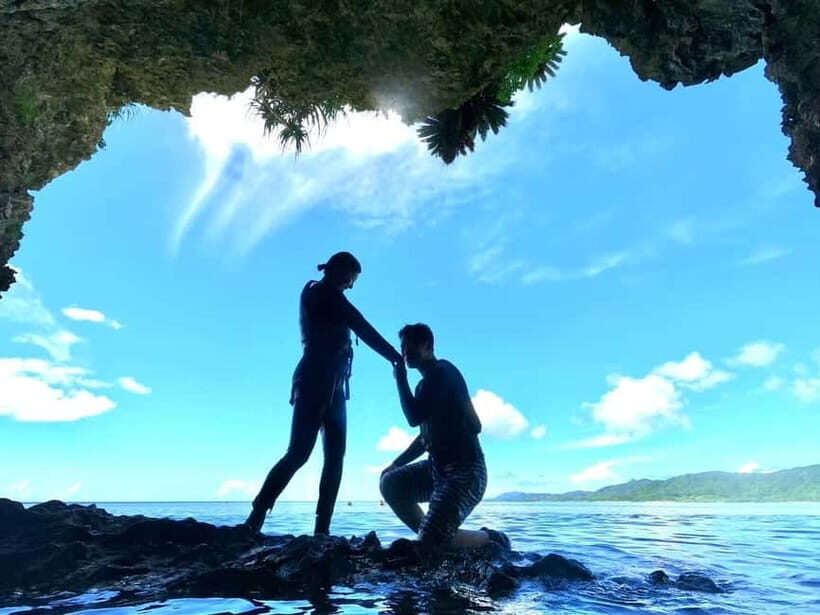
Before snorkeling, you head to the cave area and explore the inside. This part is more than walking around for a photo. You’re there to see the limestone cave environment and how the cave mouth affects the color and brightness of the water.
Because this is a natural space, keep it simple and follow the guide’s instructions. That includes basic cave manners like not touching anything in the water and staying aware of where others are moving. Even in a short visit, this kind of etiquette matters because the cave environment is part of the experience and should stay that way.
Expect a short window where the cave looks best when light hits at the right angle. If you’ve ever wondered why some Blue Cave shots look unreal and others look ordinary, this is the answer: it’s all about timing and conditions.
Snorkeling the trench: what you’ll actually see in the water
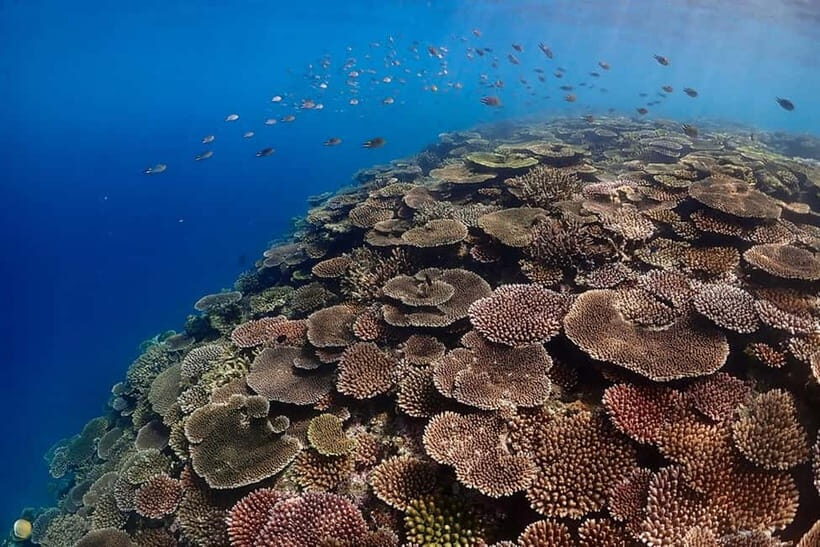
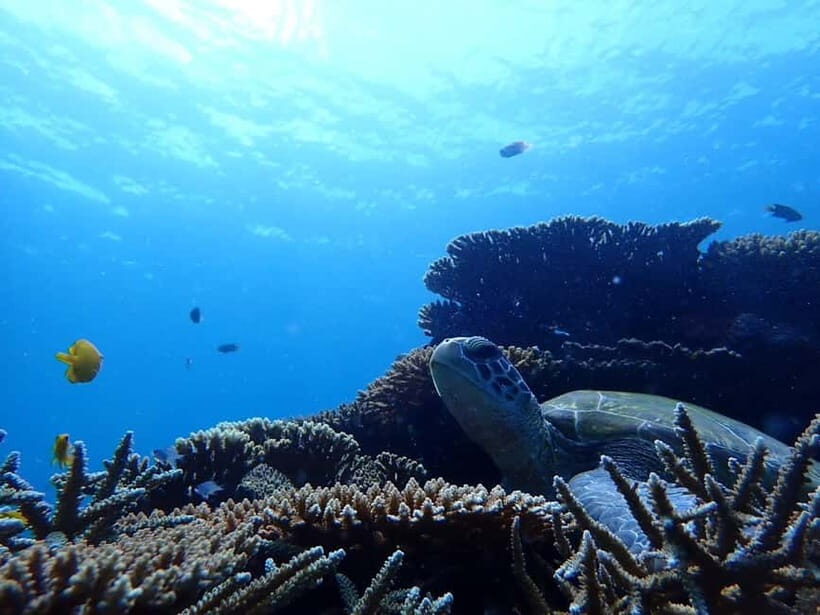
After the cave visit, you go snorkeling where fish and coral habitat are close enough to watch comfortably. The tour is designed around easy access and time in the water, so you’re not constantly standing up, walking around, and re-entering.
Here’s what you should look for while you float and kick gently:
- Colorful reef fish moving in and out of coral structure.
- Coral you can spot quickly because the guide positions the group over good viewing areas.
- If you’re lucky, sea turtles. Many guides aim to show them when they’re around, and several people specifically mention turtle sightings.
Also pay attention to your role in group safety. You need to follow the guide’s lead on where to swim, when to pause, and how to signal if you’re tired. The better you cooperate with the pacing, the better the experience feels—especially if it’s your first snorkeling trip.
Gear and safety: what’s included, what you must do
This tour includes snorkeling equipment plus safety gear like a life jacket. You also get fins and a mask, and the tour provides safety footwear (special shoes). In cooler seasons, you’ll wear a wetsuit.
That matters because snorkel comfort isn’t just about warmth. Good fit reduces the frantic “adjust, leak, slip” cycle that ruins the vibe. It’s also one reason people often rate this tour highly for first-timers: you’re not stuck improvising.
What you must handle:
- Wear swimwear before meeting your guide (there’s no on-site changing).
- Bring a towel and change of clothes for after.
- Use sunscreen and bring snacks and water since you’ll be out for about two hours.
- Bring a hat for the wait time and any walking between points.
Safety restrictions are real and specific. This activity isn’t suitable for people with several medical conditions, and pregnancy and non-swimmers are not allowed. If you have doubts about your swimming strength or ocean comfort, ask first. The guides can also help you match your plan to your comfort level.

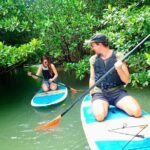
Guides make or break the experience (and the guide quality is obvious here)
I love how this tour leans on human skills, not just scenery. The guides don’t treat the group like a stopwatch. Names like Makoto and Akari show up with praise for calm, clear explanations and attentive safety check-ins. Tom and Sebastian also get credit for English communication and keeping the whole group comfortable in the water.
A few patterns repeat across guide feedback:
- Clear instructions before you enter the water.
- Regular checking that everyone is doing okay.
- Helpful encouragement for people with less snorkeling confidence.
- Photo support, including underwater shots sent as photo data and sometimes same-day sharing.
If you care about getting good photos, it helps that the guides know where to position you and when to pause for viewing. You’re not just thrashing around; you’re placed to see.
Weather reality: rain or shine, but safety decides the route
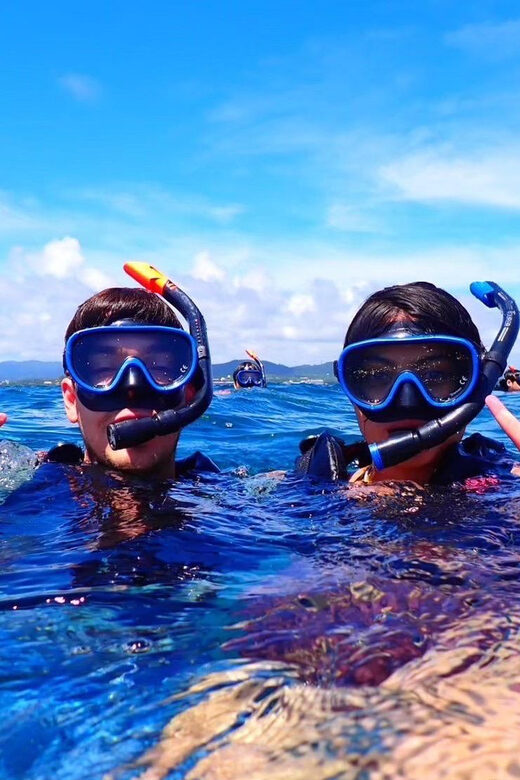
This tour runs in rain, and that’s often good news in Okinawa. Still, the ocean is the boss. If conditions make the cave unsafe, the plan can switch to a different snorkeling location.
That’s not a bait-and-switch so much as how snorkeling works in the real world. Water conditions control visibility, currents control safety, and the guide needs flexibility to keep everyone safe.
One practical tip: bring what you need for sun and shade even if the sky looks changeable. Then accept that the best “Blue Cave day” isn’t guaranteed every time. If you treat this tour like a chance to snorkel the area’s marine life—with the cave as a bonus when conditions allow—you’ll feel less frustrated and more grateful.
Price and value: is $47 worth it?
At about $47 per person, the price feels fair because the tour bundles the stuff that usually adds cost or hassle:
- snorkeling equipment and safety gear
- life jacket and fins/mask setup
- wetsuit (in winter conditions)
- liability insurance
- photo data
For many people, that’s the difference between a smooth half-day and a “where do I rent gear now” headache. The included guide attention also raises the value. When you’re in the water, a good guide who keeps you oriented and safe is worth real money.
Is it the cheapest option on Ishigaki? Maybe not. But it’s priced like a guided experience where you get both the Blue Cave visit and real snorkeling time with the right gear already handled.
If you’re traveling light and you don’t want to manage rentals, this is one of those tours that just saves effort.
Who this tour fits well (and who should skip it)
This tour is for people who can swim and feel comfortable in open-water conditions. The activity is also restricted to a specific age range (ages 5–59 only) and is not suited for non-swimmers.
It also excludes certain health conditions and pregnancy. If any of the listed issues apply to you—like heart conditions, asthma, epilepsy, or high blood pressure—don’t force it. This is exactly the kind of tour where safety rules are there for a reason.
It’s also not set up for wheelchair users, and you should expect some walking on uneven surfaces. If mobility is limited, this may not be your best choice.
If you’re a normal healthy traveler who can swim, enjoy snorkeling, and want a short, guided route to one of Ishigaki’s famous spots, this fits nicely.
Practical tips to make your day smoother
A few small choices make the experience feel effortless:
- Arrive early enough to change and use the restroom. There’s no changing on site.
- Bring a towel, sunscreen, hat, and water, plus a snack if you get hungry.
- Don’t plan on touching marine life or plants. Follow the rules and let the ecosystem do its thing.
- If you wear prescription snorkeling gear you may need an add-on (prescription mask is listed as optional for extra cost). Otherwise, regular participation is fine even with contact lenses.
Also: be punctual. The tour notes that late/no-show cases can lead to fees, so treat the meeting point like an actual departure.
Should you book this Ishigaki Blue Cave snorkeling tour?
Book it if you want a guided, gear-included way to see Blue Cave light plus a real snorkeling session with coral and fish. I think it’s especially worth it if it’s your first snorkeling trip or you want clear instructions and safety check-ins from guides like Makoto or Akari.
Skip it if you’re a non-swimmer, have major health constraints listed by the tour, or you’re expecting a fully carefree plan where the cave is guaranteed no matter the weather. In the ocean, conditions win.
If that sounds like your style—flexible, safety-minded, and excited to watch sea life up close—this is a solid use of time on Ishigaki.
FAQ
Where do we meet for the tour?
The starting point is the ユーグレナ石垣港離島ターミナル (Euglena Ishigaki Ferry Terminal Remote Island Terminal) area. Pickup is available for certain hotels in Ishigaki’s southern area, and other participants may meet at a designated point at/near the ferry terminal.
How long is the tour?
The experience runs about 2 hours, and the snorkeling portion is roughly 1.5 hours.
Is hotel pickup included?
Yes, complimentary shuttle service is available for people staying in the southern area of Ishigaki within the specified hotel range. If you’re outside that range, you’ll meet at the designated terminal area instead.
What snorkeling and safety gear is included?
You get snorkeling equipment, a life jacket, fins, and a mask. The tour also includes special shoes and a wetsuit in winter.
Can I wear contact lenses?
Yes. The tour states that people with contact lenses can participate as is.
What should I bring?
Bring swimwear, a hat, sunscreen, a towel, change of clothes, and water. Snacks are also recommended, and you should use the restroom before you arrive because there’s no restroom on site.
Does the tour run in bad weather?
It operates rain or shine, but it may cancel if conditions are unsafe.
Is the Blue Cave stop guaranteed?
It depends on safety conditions. If the Blue Cave can’t be done safely, the tour may switch to an alternative snorkeling location.
What age and health restrictions apply?
Participation is limited to ages 5–59. Pregnant people and people with certain medical conditions (such as high blood pressure, epilepsy, heart conditions, and asthma) are not allowed.
Is this tour okay for beginners?
You need to be able to swim, but it’s set up with clear instructions and safety gear, which makes it a workable choice for many first-time snorkelers who meet the swimming requirement.