REVIEW · KYOTO
Kyoto Ninenzaka : Japanese Calligraphy Class in Townhouse
Book on GetYourGuide →Operated by Kangetsu Kyoto · Bookable on GetYourGuide
Kyoto writes back with ink and patience. This Japanese calligraphy (shodō) class hits a sweet spot: it’s close to the sights around Ninenzaka and focused on doing real brushwork, not just watching. I like how hands-on it is, and I like the calm, respectful pace in a quiet Kyoto setting. One thing to consider: it’s only 50 minutes, so you’ll leave with basics and a few characters, not a long art session.
You’ll work in an English-led environment, learn tool basics, practice strokes and dots, and end with your own finished piece to keep. The class runs with experienced instructors and careful guidance, so beginners aren’t left to figure it out alone.
In This Review
- Kyoto Ninenzaka Calligraphy: What Makes This Class Feel Worth It
- Location by Kiyomizu Temple and Ninenzaka Alley
- Price and Value: Why $49 Works for a Take-Home Souvenir
- What You Learn in 50 Minutes of Real Shodō
- Calligraphy history and what shodō means in daily culture
- Tool basics: brush, ink stick, inkstone, and paper
- Brush handling: grip and pressure
- Preparing the writing paper like a ritual
- Core brush techniques: lines, strokes, and dots/sweeps
- Writing basic kanji with balance and placement
- Seasonal themes and expressions
- The Class Experience: Calm Guidance You Can Actually Use
- Tools and Technique Details That Make Your Kanji Look Right
- Preparing Yourself: What to Bring and Wear (So You Don’t Stress)
- Who This Kyoto Calligraphy Class Is Best For
- Pair It With a Kyoto Walk: Ninenzaka After Your Class
- What You Take Home: Souvenir, Booklet, and a Skill Starter
- Should You Book Kyoto Ninenzaka Japanese Calligraphy?
- FAQ
- FAQ
- How long is the Kyoto Ninenzaka calligraphy class?
- Where is the meeting point?
- How much does it cost?
- Do I need Japanese language skills or art experience?
- What language is the class taught in?
- What should I bring?
- What if I forget socks?
- What is included in the class price?
- Is transportation included?
- Is a kimono included?
- Is the class suitable for children?
Kyoto Ninenzaka Calligraphy: What Makes This Class Feel Worth It
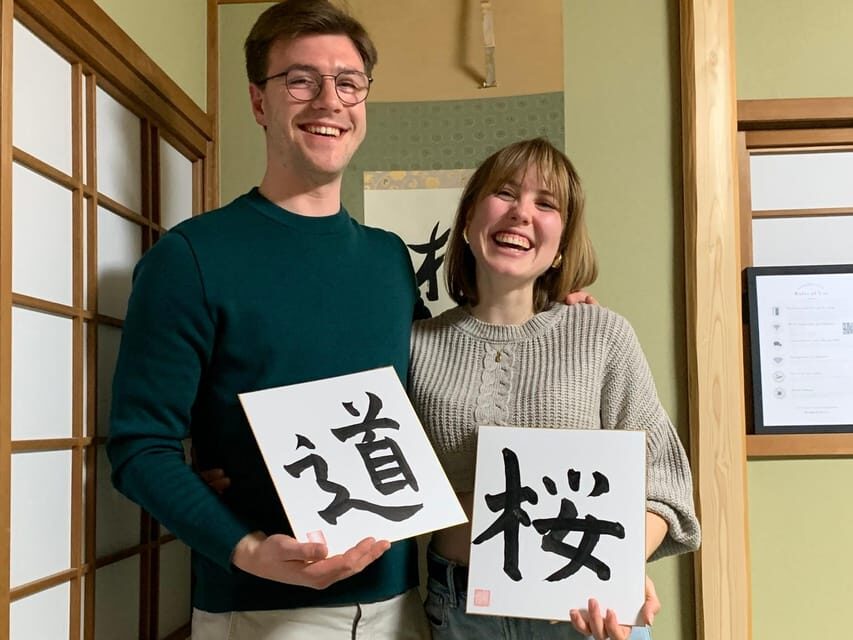
If you’re spending time near Kiyomizu Temple, this class is an easy cultural add-on that doesn’t eat your whole day. The location matters because you can pair it with a short walk through Ninenzaka afterward, letting the experience settle in while Kyoto is still doing its thing around you.
And yes, it’s beginner-friendly. You don’t need Japanese ability or prior art training. You just need to show up ready to learn grip, pressure, and rhythm with ink.
Location by Kiyomizu Temple and Ninenzaka Alley
The meeting point is end-of-alley convenient: near Kiyomizu Temple, by the alley next to the Starbucks on Ninenzaka. That’s useful because you’re not stuck planning a complicated commute. You can walk in from your sightseeing loop, drop your things, and get started without stress.
It also means you’ll feel the atmosphere right away. Even before you sit down, you’re in that Kyoto backstreet zone where people slow down. That vibe helps a hands-on activity like shodō, where calm focus is part of the process.
A few more Kyoto tours and experiences worth a look

Price and Value: Why $49 Works for a Take-Home Souvenir
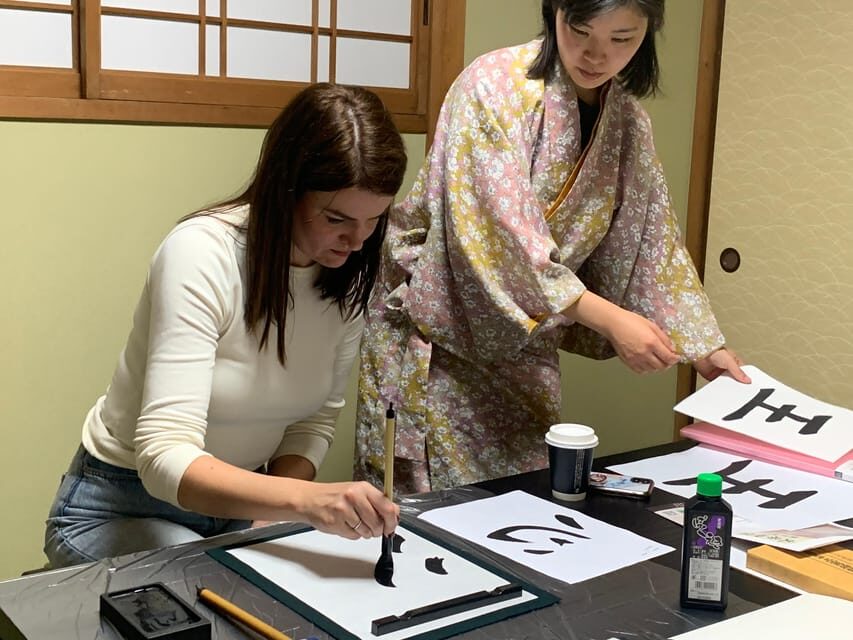
At $49 per person for 50 minutes, you’re paying for more than time at a desk. You’re buying instruction, structure, and feedback—plus an original booklet about calligraphy. You also end up with a take-home souvenir: your own calligraphy, which is the best part of craft classes like this.
Here’s how I think about value for this kind of workshop:
- It’s short, so your money goes to guided practice rather than a long performance.
- The included booklet gives you something to review after you’re home, so the memory sticks beyond the photo.
- You leave with an actual piece of art you made, which is harder to say about many “look and learn” experiences.
Kimono isn’t included. The option mentioned is a 2-piece type kimono for an extra pay, so if you want that look, plan on spending more. Still, you can enjoy the class fully without it.
What You Learn in 50 Minutes of Real Shodō
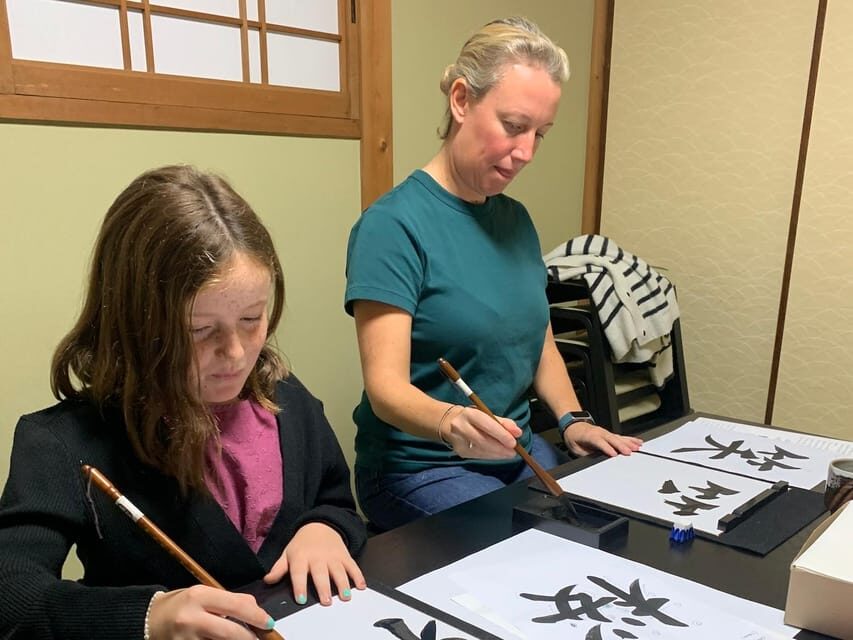
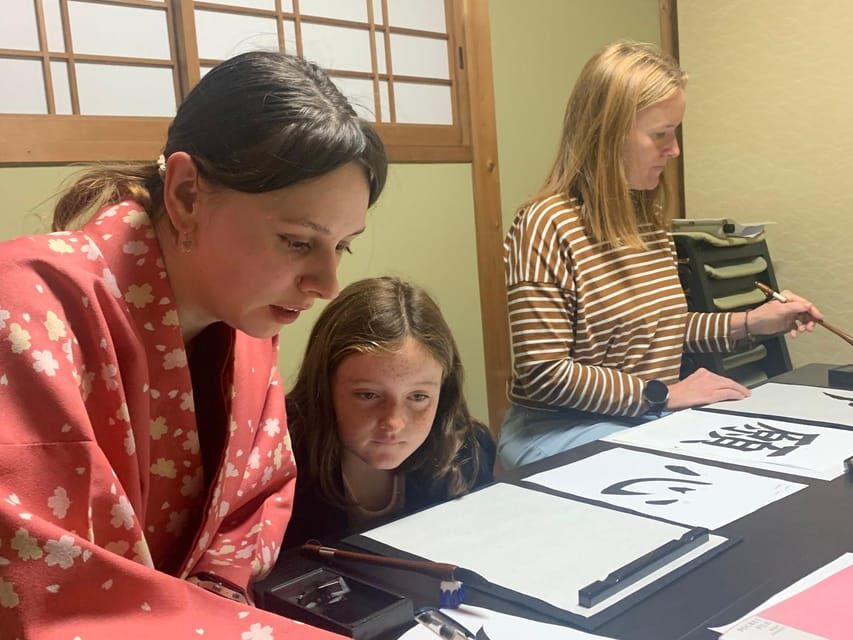
This is a structured mini-course, built to take you from basics to a finished kanji character. You’ll cover more than just copying shapes.
Calligraphy history and what shodō means in daily culture
You start with a simple introduction to calligraphy and its cultural background. The point isn’t academic trivia. It’s to help you understand why the strokes matter—because in shodō, the way you move the brush is part of the message.
Tool basics: brush, ink stick, inkstone, and paper
Next comes tools. You’ll learn what brushes are for, how ink works (including the ink stick and inkstone concept), and how to treat the writing paper. Understanding the tools changes everything: you stop seeing it as random lines and start seeing it as controlled movement.




Brush handling: grip and pressure
This is where beginners usually worry. Good news: you’ll receive detailed instruction on holding the brush correctly and adjusting brush pressure. That’s critical because calligraphy isn’t just shape-matching. It’s pressure, angle, and timing.
Preparing the writing paper like a ritual
You also practice the “prep” part: how to use writing paper and a paperweight, plus the meditative routine of setting up. Even if you’re busy while traveling, this step slows your hands down. That calm matters for clean strokes.
Core brush techniques: lines, strokes, and dots/sweeps
Then you move into the drills: drawing lines and strokes, plus dots or sweeps. These are the building blocks. When your dots look deliberate and your lines feel steady, your kanji suddenly looks like it belongs in Japan.
Writing basic kanji with balance and placement
Finally, you write simple kanji characters. The focus is vertical and horizontal balance and letter placement—so you learn what “good form” feels like, not just how to copy a diagram.
Seasonal themes and expressions
To deepen your connection to Japanese culture, you’ll work with seasonal themes and expressions in your calligraphy. It’s a small touch, but it’s a big deal when you’re trying to remember Kyoto by something you made—not just something you saw.
The Class Experience: Calm Guidance You Can Actually Use
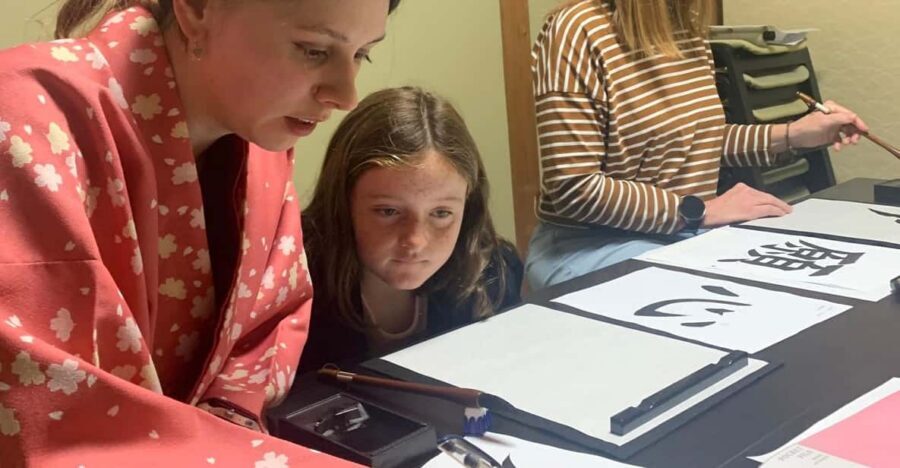
A lot of workshops say beginner-friendly, but they don’t all deliver. Here, the standout in the experience is the instruction style: kind, patient teaching with lots of chances to ask questions. One review mentioned a small class size that gave real room to interact, and that’s exactly what you want when you’re learning brush control.
You’ll also notice how fast this activity becomes personal. At first, you’re thinking about grip and pressure. Then you start thinking about spacing. Then you start thinking about how your stroke changes when you slow down. That progression is the real “wow.”
Practical note: the class asks you to keep noise down and follow the rules like no smoking indoors and no selfie sticks. It’s a quiet craft setting, and respecting that helps everyone.
Tools and Technique Details That Make Your Kanji Look Right
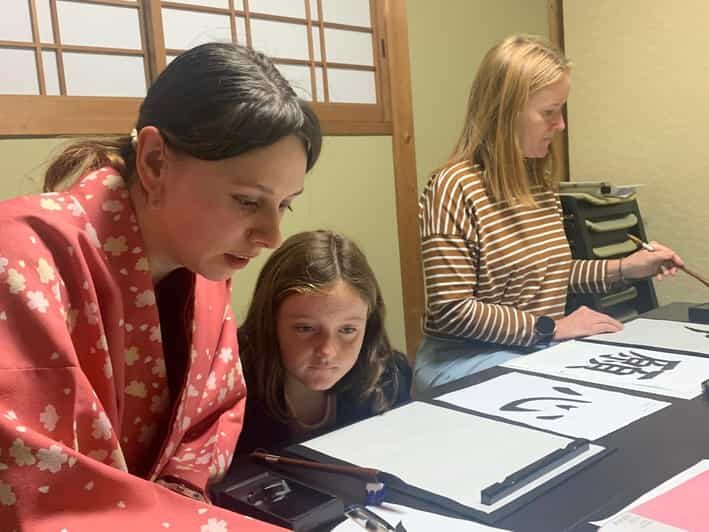
If you’ve never done calligraphy, you might think the goal is simply reproducing characters. In this class, the goal is how your brush behaves across the page.
Here are the technique themes you’ll feel during the lesson:
- Pressure control: too light and strokes look weak; too heavy and they lose elegance.
- Stroke timing: dots and sweeps need decisiveness. Half-hearted moves make them messy.
- Balance: Japanese calligraphy values spacing and alignment, so placement matters as much as the stroke itself.
- Consistency: once you learn one basic line style, everything else gets easier.
This is also why the prep step is important. When you set up the paper and paperweight carefully, you reduce distractions. Your hands get calmer. Your work improves.
Preparing Yourself: What to Bring and Wear (So You Don’t Stress)
This class comes with a simple “show up ready” kit:
- Socks are required
- Wear clothes that can get dirty
If you arrive without socks, socks are available for a fee. That’s a helpful safety net, but it’s still worth bringing your own so you can focus on learning instead of sorting out the basics.
Also, bring minimal items. Large bags and luggage aren’t allowed, and the rules are strict about keeping the space clean and quiet. You’ll also want to leave behind anything that could get in the way, like selfie sticks.
Who This Kyoto Calligraphy Class Is Best For
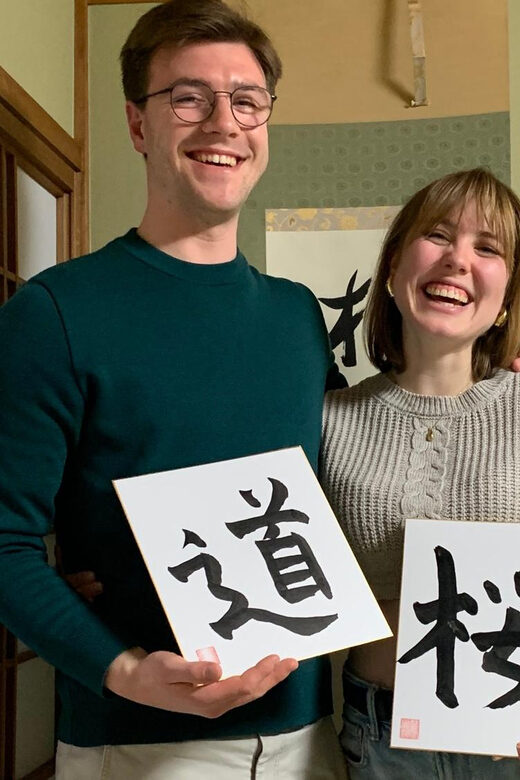
This activity fits best if you want a hands-on Kyoto experience that doesn’t require background knowledge.
It’s great for:
- Beginners who want to learn shodō fundamentals without feeling lost
- People who like making a tangible souvenir they can keep long-term
- Travelers who enjoy calm, focused activities between sightseeing blocks
- Anyone who wants an easy cultural connection near Kiyomizu and Ninenzaka
It may not fit if:
- You want a longer, advanced technique workshop. This is 50 minutes, so you’ll get a compact introduction.
- You’re traveling with young kids. Children under 10 aren’t suitable here.
Pair It With a Kyoto Walk: Ninenzaka After Your Class
Because you’re so close to Kiyomizu Temple and the Ninenzaka streets, you can shape your day around the class. I like doing a workshop first, then walking afterward—your eyes get sharper for details because you’ve already practiced one kind of Japanese tradition.
After class, you’ll be in the right mood to notice the small things: how signs look, how characters show up in daily life, and how Kyoto keeps older arts alive in everyday spaces.
What You Take Home: Souvenir, Booklet, and a Skill Starter
Your finished calligraphy becomes the memory you can physically hold. That beats a standard souvenir because it’s tied to your effort and your brush control that day.
On top of that, you get an original booklet about calligraphy. I find booklets like this useful because they give you a way to revisit what you learned when the trip energy fades.
Also, the class builds a skill starter. Even if you don’t continue practicing, you’ll leave knowing the basics of tool handling, pressure control, and stroke fundamentals. That makes your next encounter with Japanese writing feel more meaningful.
Should You Book Kyoto Ninenzaka Japanese Calligraphy?
Book it if you want:
- a short, guided shodō experience with real practice
- a calm, beginner-friendly activity near Kiyomizu Temple
- a take-home souvenir that’s actually yours
- English guidance and patient teaching in a small setting
Skip it if:
- you only want to observe rather than make
- you need more than basics and want extended advanced instruction
- you don’t want to deal with required socks and potentially dirty clothing
FAQ
FAQ
How long is the Kyoto Ninenzaka calligraphy class?
It lasts 50 minutes.
Where is the meeting point?
It’s near Kiyomizu Temple at the end of the alley next to the Starbucks on Ninenzaka.
How much does it cost?
The price is $49 per person.
Do I need Japanese language skills or art experience?
No. The class is beginner friendly and you do not need Japanese or art experience.
What language is the class taught in?
English is available through the host or greeter. If you reserve on the day before or the same day, they may not be able to accommodate your request and the class will be conducted in English.
What should I bring?
Bring socks and clothes that can get dirty.
What if I forget socks?
You can get socks from the venue for a fee.
What is included in the class price?
Experienced instructors, careful guidance, and an original booklet about calligraphy. You also take your calligraphy home as a souvenir.
Is transportation included?
No. Transportation to the venue is not included.
Is a kimono included?
No. Kimono is not included, but a 2-piece type kimono is available for an extra pay.
Is the class suitable for children?
It is not suitable for children under 10 years.