REVIEW · KARUIZAWA
Wild Japanese Flying Squirrel Watching Tour in Nagano
Book on Viator →Operated by Picchio Wildlife Research Center · Bookable on Viator
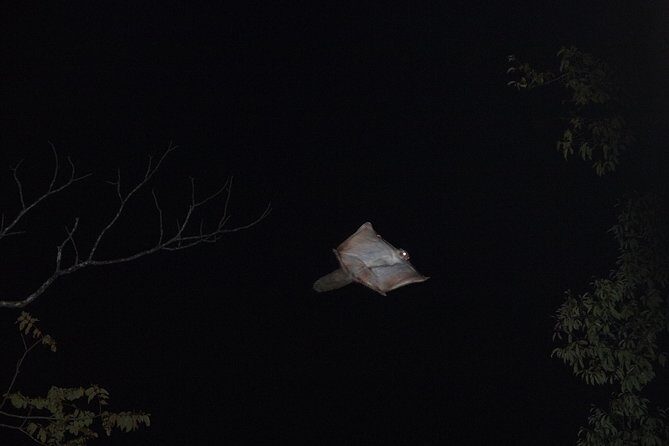
If you’ve never seen a flying squirrel in the wild, this is your chance. This Nagano tour pairs a short briefing at the Picchio Visitor Center with an outdoor sit-and-watch where the Musasabi can glide by. Guides know where to look, and you get the chance to observe real behavior in its natural setting.
Two things I especially liked: the guided ecology talk (diet, size, flying distance, and more), and the fact that binoculars are included so you’re not scrambling for gear. The pace is also very manageable—about 1 hour 30 minutes total.
One thing to consider: sightings depend on conditions, and the experience requires good weather. If squirrels don’t show up, plans can change.
In This Review
- Key Things That Make This Tour Worth Your Time
- Musasabi Watching in Karuizawa: What Makes This Experience Different
- Meeting Point and Timing: How to Plan Your Afternoon
- Inside Picchio Visitor Center: The Ecology Briefing That Sets You Up to Spot Them
- The Karuizawa Hoshino Area Watch: Quiet Time Built for Real Gliders
- Binoculars, Guide Technique, and the English Slide Advantage
- Price and Value: Is $28.69 a Fair Deal?
- Who This Tour Suits Best (and Who Might Prefer Something Else)
- Weather Reality and Sighting Chances: What You Can Do to Help Yourself
- Should You Book the Wild Japanese Flying Squirrel Tour in Nagano?
- FAQ
- What is the tour duration for the Wild Japanese Flying Squirrel Watching Tour in Nagano?
- Where is the meeting point?
- What time does the tour start?
- What is the price per person?
- Is binoculars included in the tour?
- What happens at the Picchio Visitor Center stop?
- What should I know about language during the tour?
- What is the cancellation and weather policy?
Key Things That Make This Tour Worth Your Time
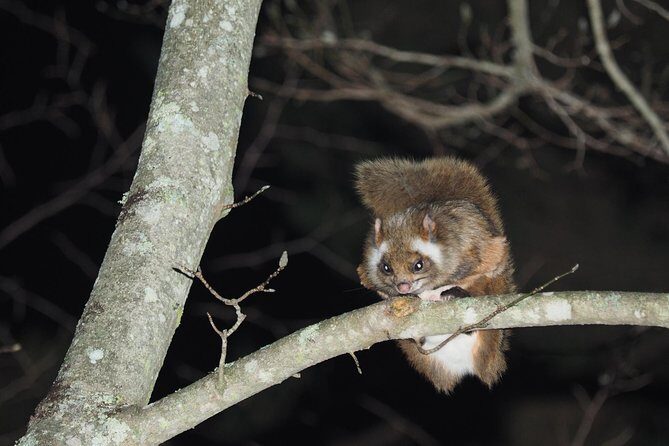
- Picchio Visitor Center briefing: A professional guide explains the squirrels’ lifestyle before you go outside
- Binoculars included: Useful the moment you step out, especially if the squirrels stay high in trees
- Small group size (max 30): Better odds of hearing the guide and adjusting your viewing angle
- A guide who picks the best areas: You’re not just wandering around hoping for the best
- Quiet outdoor watching time: The atmosphere is built for spotting glides and small movements
Musasabi Watching in Karuizawa: What Makes This Experience Different
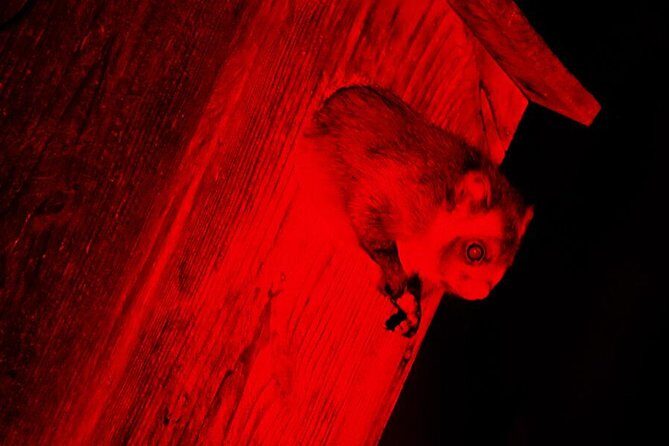
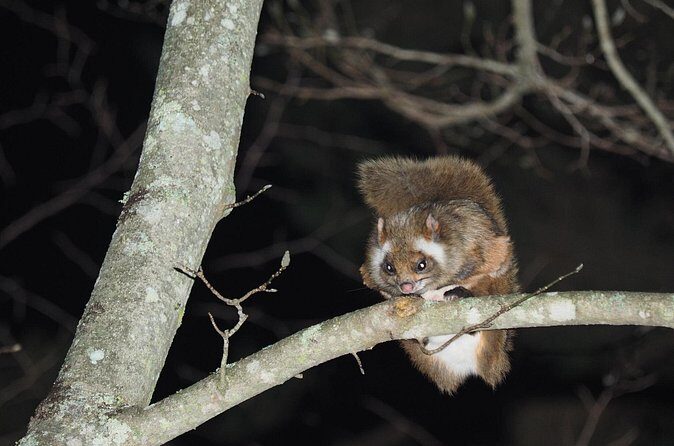
Nagano has a way of making nature feel close, not staged. This tour in Karuizawa is built around a very specific goal: seeing the wild Japanese Giant Flying Squirrel, also known as the Musasabi, in its natural habitat. You’re not asked to guess what you’re looking at. You get the “what” first, then you go looking for the “where” and “how.”
What I like about this setup is that it respects your time. In about 20 minutes you’ll get a focused explanation of the animal’s ecology—things like diet, body size, and even flying distance. Then you head outside for about an hour of observation, where the whole group’s attention shifts from learning to watching. It’s short enough to fit into your afternoon plans, but structured enough that you actually know what to look for.
The tour also has a realistic rhythm for wildlife viewing. You’re aiming to spot gliding motion and subtle activity, not just grab a quick photo. The longer you understand what the squirrels do, the more satisfying the watching time becomes. And that’s where the guide-led format earns its keep.
You can also read our reviews of more tours and experiences in Karuizawa.

Meeting Point and Timing: How to Plan Your Afternoon
This experience starts at 4:00 pm and runs about 1 hour 30 minutes total. You meet at Karuizawa Wild Bird Sanctuary, address: Nagano, Kitasaku District, Karuizawa, Nagakura, Hoshino 2148 (postal code 389-0111). The activity ends back at the same meeting point, so you’re not stuck figuring out where to go next.
The timing matters because this is a nature watch that’s designed around being outside and paying attention. If you show up rushed or distracted, you’ll feel it. I’d treat it like a mini appointment with the forest: arrive a little early, get your binoculars ready, and be ready to follow the guide’s cues.
It’s also labeled as near public transportation. That’s a big plus in Karuizawa, where it’s easy to waste energy hopping between stops. Since the group can include up to 30 people, punctuality helps the guide set the viewing routine without lag.
Inside Picchio Visitor Center: The Ecology Briefing That Sets You Up to Spot Them
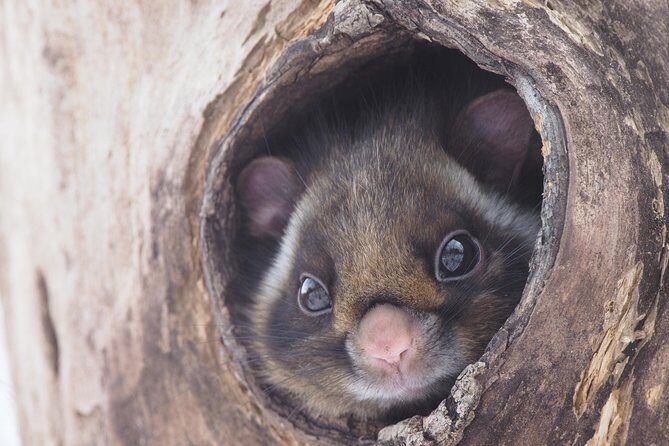
Your first stop is the Picchio Visitor Center, connected with nature tours and conservation work. The guide gives you a lecture on the Japanese giant flying squirrel’s ecology, including basics like diet, size, and flying distance. You also learn about lifestyle and behavior—information that helps you interpret what you might see once you’re outside.
This part is valuable because flying squirrels can be easy to misread at a glance. Without context, you might notice movement but not understand what it means. With the briefing, you’re better prepared to recognize the “patterns”: how they travel through the canopy, what kind of movement counts as gliding, and why certain areas might feel busier than others.
The visitor center time is about 20 minutes. Admission at this step is marked as free, so you’re not paying extra on top of the tour price to get the briefing. You’re also told you can expect lecture slides with English subtitles, which helps when some guides do not speak English very much.
One more practical point: this is the stage where you can ask questions. If you’re the type who likes to understand before you watch, this is your moment. Even a single clear answer can sharpen your entire hour outdoors.
The Karuizawa Hoshino Area Watch: Quiet Time Built for Real Gliders

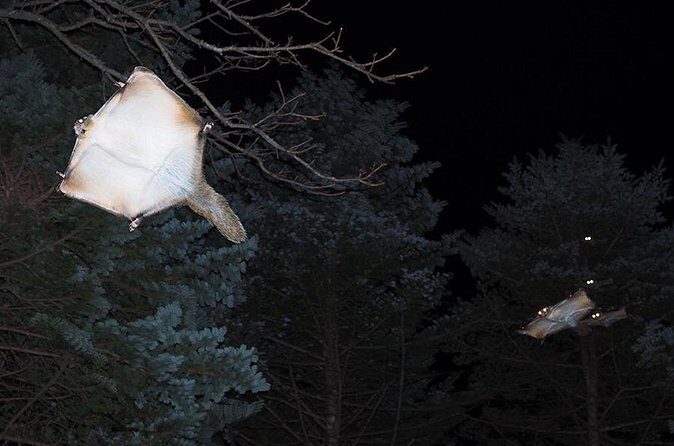
After the talk, you move outside into the Karuizawa Hoshino area for the main viewing time. This is where the experience turns from classroom-style learning into real-world observation. The group walks outside and settles into watching, focused on the possibility of gliding motion.
The tour description emphasizes the silence of flying squirrels gliding, broken only by occasional gasps. That tells you what the vibe is: you’re not doing a loud, sightseeing stroll. You’re staying attentive. The guide’s role here is the one you really want on a wildlife tour: they know the best areas to look.
During this hour, you’ll likely rely on two things:
1) your attention to small changes in trees and movement lines
2) your binoculars to bring distant activity closer
The tour includes binoculars, which matters because sightings can happen at a range that’s hard to judge with the naked eye. Binoculars don’t just help you see more detail; they help you enjoy the moment longer. Instead of squinting and guessing, you can actually track.
There’s also a mindset shift that happens in this outdoor segment. You stop trying to “find” the squirrel and start observing the environment for signs of activity. Once you do that, the hour can feel surprisingly satisfying even if you don’t get constant action.
Binoculars, Guide Technique, and the English Slide Advantage

Binoculars included is the kind of practical detail that separates a comfortable wildlife experience from a frustrating one. You won’t need to rent equipment or wonder if your own pair is adequate. It’s also one less thing to manage on arrival, which is helpful when you’re trying to focus immediately after the briefing.
The guides are described as professional and familiar with the squirrel’s lifestyle and gliding patterns. That matters because wildlife watching is partly luck, but it’s also partly positioning and timing. A guide who knows which areas are worth scanning can dramatically change your chances.
Language is another practical factor. Some guides may not speak English much, but the lecture slides have English subtitles. That’s a smart compromise because it keeps the information flowing without turning the tour into a quiet guessing game. You still get the context you need before you head outside.
Also, with a maximum group size of 30, you’re less likely to feel swallowed by a crowd. You can hear direction, and the guide can better manage where everyone looks.
Price and Value: Is $28.69 a Fair Deal?
At $28.69 per person for about 1 hour 30 minutes, this tour is priced like a focused nature activity, not a big-day excursion. The value comes from what’s included and how the time is used.
Here’s what you’re paying for, in plain terms:
- a guided ecology briefing at the Picchio Visitor Center
- an outdoor watch period with a guide who picks the areas to scan
- binoculars included for convenience
Both stops show admission as free, so the tour price isn’t inflated by extra ticket costs at the center or outside segment. The mobile ticket is another small but real convenience—less paper, fewer steps.
Also, booking seems to happen in advance (on average, about 28 days ahead). That hints the timing is popular and might sell out depending on dates. If you want a specific afternoon window, planning ahead makes sense.
If your main goal is seeing wildlife with guidance and basic equipment supplied, the price feels fair. If you’re expecting a guaranteed sighting, then any wildlife tour will always carry uncertainty. But this one is structured to maximize your odds through education plus on-the-ground help.
Who This Tour Suits Best (and Who Might Prefer Something Else)
This is best for you if you like wildlife watching that’s guided but not rushed. You’ll enjoy it more if you’re willing to slow down and watch carefully during the outdoor hour. It’s also a good fit if you want real animal context, not just a sightseeing narrative.
The activity calls for moderate physical fitness. That likely means a short walk outside and standing or moving at a gentle pace. If you’re comfortable with that level of effort, you should be fine. If you’re expecting a heavy hike, don’t picture that here.
If you’re traveling with kids, it could work, but the success will depend on your group’s patience. The experience is built around quiet watching. Some families love that. Others might find it tough if they need nonstop action.
For solo travelers or couples, it’s also a strong option because the total duration is short, and you return to the meeting point. You can pair it with other Karuizawa activities without losing a whole chunk of your day.
Weather Reality and Sighting Chances: What You Can Do to Help Yourself
This tour requires good weather. That’s not a casual note—it’s a key factor for wildlife viewing. Poor weather can lead to cancellation, and even with good conditions, there’s always the possibility that flying squirrels won’t appear during your watching window.
You can’t control nature, but you can control your choices:
- Dress for cool outdoor conditions, especially if the evening air feels chilly
- Keep your phone brightness low and avoid constant screen checking during the watch
- Be ready to listen fast and shift where the guide directs
Also, the tour notes that cancellations can happen if weather affects the experience. If that happens, you’ll typically be offered a different date or a full refund when canceled due to poor weather. That safety net makes the plan less stressful than some more rigid tours.
Should You Book the Wild Japanese Flying Squirrel Tour in Nagano?
I think you should book if you want a practical, guided path to seeing Musasabi without guesswork. The biggest reason is the combination: you get a real ecology briefing first, then you go outside with binoculars and a guide who knows where to look. That’s the kind of structure that turns a wildlife “maybe” into a genuine experience you can feel proud of, even if sightings are brief.
You might skip it if you require a guaranteed animal encounter. This is still nature, and the tour is weather-dependent. But if you’re comfortable with the reality of wildlife watching and you enjoy quiet observation, this one is a strong match.
FAQ
What is the tour duration for the Wild Japanese Flying Squirrel Watching Tour in Nagano?
The tour lasts about 1 hour 30 minutes.
Where is the meeting point?
You meet at Karuizawa Wild Bird Sanctuary (Nagano, Kitasaku District, Karuizawa, Nagakura, Hoshino 2148, 389-0111).
What time does the tour start?
The start time is 4:00 pm.
What is the price per person?
The price is $28.69 per person.
Is binoculars included in the tour?
Yes, binoculars are included for convenience.
What happens at the Picchio Visitor Center stop?
You receive a lecture from a professional nature guide about the Japanese giant flying squirrel, including diet, size, flying distance, and lifestyle, plus behavior. Admission is free at this stop.
What should I know about language during the tour?
Some guides may not speak English much, but the lecture slides have English subtitles.
What is the cancellation and weather policy?
Free cancellation is available up to 24 hours before the experience start time for a full refund. The experience requires good weather; if canceled due to poor weather, you’ll be offered a different date or a full refund.