REVIEW · KYOTO
Kimono Tea Ceremony Experience at Kyoto Oritzuruya, Nishiki
Book on Viator →Operated by LINKTIVITY Inc. · Bookable on Viator
Kyoto can feel mysterious until you wear it. At Nishiki Orizuruya, a small team helps you choose a kimono (from 200+ designs), style your hair, and then guides you through a real tea flow—so you feel the elegance instead of just watching it from the side. One thing to keep in mind: the format is still pretty tour-paced, with some waiting and a clear rhythm set by the venue.
What I love most is that you don’t just sip and smile. You learn how to make matcha with a bamboo whisk (chasen) and get to make your own bowl, paired with wagashi sweets. And with a small group (max 10), the instructor can still help you get the steps right, even if your grasp of tea basics is zero.
In This Review
- Key things to know before you go
- Entering Kyoto’s tea world at Nishiki Orizuruya
- Choosing your kimono: the fun part you’ll remember
- Hair, accessories, and the small photo moment
- The tea ceremony room: rituals, pace, and what you’ll actually do
- Matcha practice with a chasen: your hands learn the steps
- Optional calligraphy: make a souvenir with meaning
- Time planning for Kyoto: how long it takes and how long you wear the kimono
- Price and value: what $50.87 really buys you
- Practical logistics: tickets, smartphone check-in, and getting there
- Who this Kyoto kimono tea ceremony is best for
- Should you book this kimono tea ceremony?
- FAQ
- How long is the kimono tea ceremony experience?
- What group size should I expect?
- What is included in the price?
- Do I get to make matcha myself?
- Is calligraphy included?
- Where do I meet for the tour?
- Do they provide transportation or hotel pickup?
- What happens if weather is bad?
- What do I need for check-in?
Key things to know before you go
- Kimono selection first: pick from 200+ designs, plus accessories like hair pins and obi details
- Guided dressing + hair styling: especially helpful if you’re worried about the basics
- Matcha you actually make: you’ll use a chasen and craft your own bowl
- Wagashi and matcha pairing: sweets come from a century-old confectionery
- Optional calligraphy: make a personal souvenir if you want more culture time
- Kyoto photos, but with a plan: you can keep wearing the kimono after the ceremony until the shop closing time
Entering Kyoto’s tea world at Nishiki Orizuruya
I like starting experiences like this in the middle of real Kyoto energy. Nishiki Orizuruya is in the Nishiki area (right by Nishiki Market), so you’re not traveling across town just to do something ceremonial and time-boxed. You meet at Nishiki Orizuruya, 452 Jūmonjichō, Nakagyo Ward, Kyoto—easy to reach via public transit.
The vibe is practical from the moment you arrive. Check-in leads you to a changing space, and soon a team takes over—meaning you’re not left standing there trying to figure out how to be kitted out like a local. If you’ve been nervous about looking awkward or doing things wrong, this kind of structure is a relief.
Because the group max is 10, the “production” doesn’t feel like a cattle line—more like a well-run studio where everyone gets personal attention. That matters, because kimono dressing isn’t something you can rush without it feeling uncomfortable (or messy).
You can also read our reviews of more tours and experiences in Kyoto.


Choosing your kimono: the fun part you’ll remember
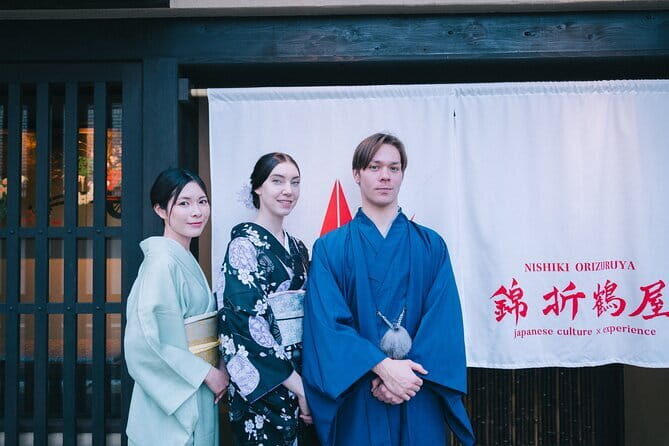
The kimono selection is not an afterthought here. You get to pick from over 200 designs, so you can choose based on color, pattern, or just what feels right when you see it in the mirror. That choice is half the magic: you’re not wearing a generic costume; you’re picking your own look.
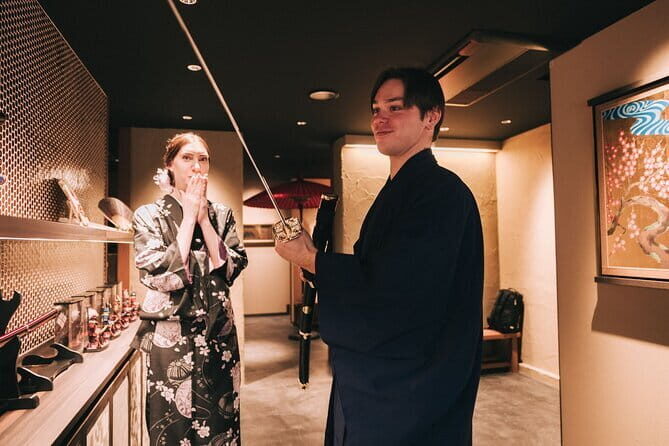
Then comes the dressing process, which is where most people stop worrying and start smiling. Staff help you into the kimono layers, and for women, complimentary hair styling is included (simple style is part of what’s covered). You also get to add the finishing pieces—things like hair ornaments, and the obi/obijime-style components that hold the look together.
Two details I’d file away for planning:
1) You should assume you’ll be dressing while the studio is busy. If you want a calm, slow morning, go in with the mindset that this is a scheduled experience.
2) If you’re plus-sized, you’re not automatically out of luck. One guest specifically noted they worried about fit but found a wide selection and plenty of options.
If you’re a first-timer, the studio’s job is basically to reduce your effort to zero. You choose, they handle the rest. And once you’re in, even walking a few steps feels different. That’s when the whole day starts to feel like Kyoto, not just a checklist item.
Hair, accessories, and the small photo moment
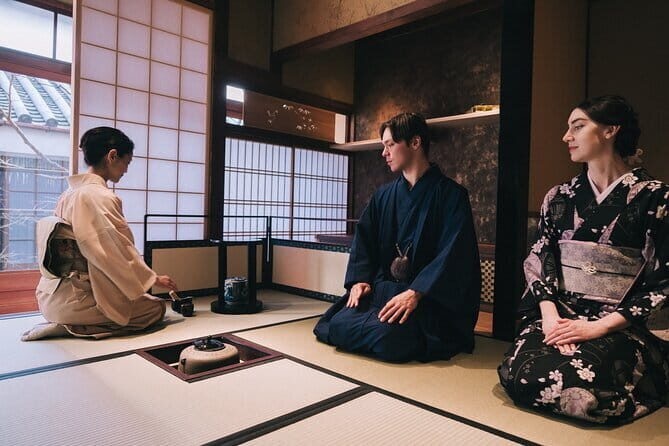
After dressing, you’ll move into hair and accessory setup. This is where the experience becomes very real: hair sticks, hair flowers, and the way the top layers sit all change how the kimono looks in motion. Staff can also help you get comfortable in the sandals so you’re not hobbling around like a penguin.
Many people get a small photo session as part of the process. Even if you’re not into staged photos, it’s still useful—someone will take care of the angles while your kimono is at its best.
Pro tip: once you’re dressed, you’ll want to avoid anything that will wrinkle your outfit or mess with the fit. Stick to a light day bag, wear simple underlayers, and keep your hands free when you’re walking.
The tea ceremony room: rituals, pace, and what you’ll actually do
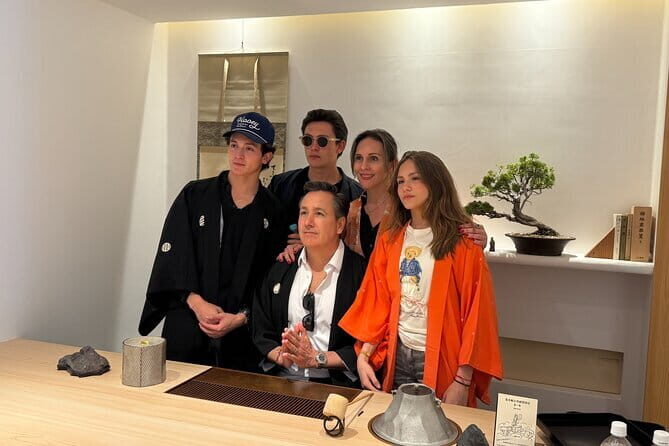
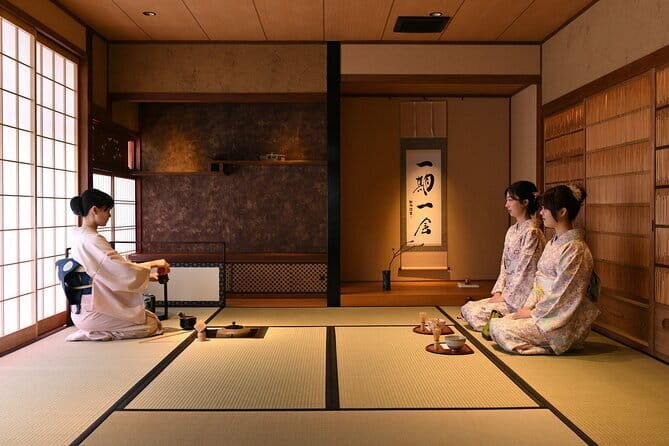
Next you’ll head to the tea room, where you’re guided through the ceremony basics. The experience includes the kind of pre-steps that make tea feel more like a ritual than a drink. In particular, you’ll be shown the “cleansing” process that happens before the tea itself, and you’ll learn why it’s part of the flow rather than random theater.
About the pace: it’s calm, but it’s still structured. You may spend time waiting to be dressed, moving between areas, and getting seated. If you’re hoping for a totally quiet, no-talk, spiritual-only atmosphere, you might find the timing a little more tour-oriented than you expected. I’d frame it like this: the ceremony is traditional, but the delivery is designed for visitors.
When you’re seated, you’ll likely do floor sitting depending on the setup. The good news is that the venue can accommodate needs. One example shared by a guest described staff bringing a small table and chair for someone who couldn’t sit comfortably on the floor. If you have knee or mobility concerns, tell the staff early, and they’ll help you find a workable setup.
Matcha practice with a chasen: your hands learn the steps
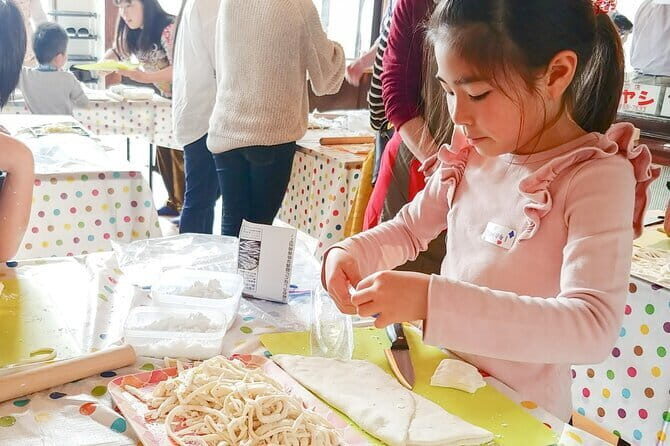
This is the heart of the value. Yes, you’ll watch, but you’ll also participate in the parts that matter—especially making matcha.
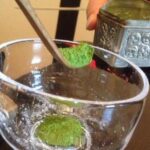
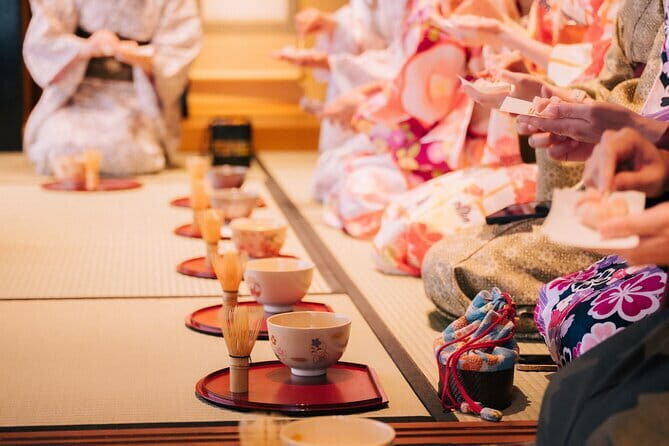
You’ll learn the techniques of preparing matcha using a traditional bamboo whisk (chasen). The instructor shows you how the whisking motion works, and then you try making your own bowl. That hands-on moment is the difference between remembering a pretty scene and walking away with a skill you can use later.
You’ll also enjoy what you make. The ceremony includes matcha and wagashi (Japanese sweets). The sweets are from a century-old confectionery, which gives you that nice cultural detail beyond just the drink.
What I like about learning matcha this way is that it’s not vague. You’re not just told tea is important—you’re taught the actions. And once you’ve seen the rhythm once, you can replicate it at home, even if your first bowl isn’t matcha-perfect.


Optional calligraphy: make a souvenir with meaning
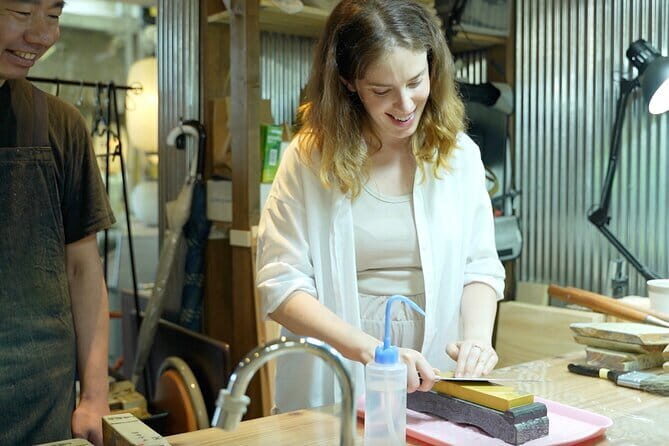
If you want a second craft layer, you can add calligraphy. The idea is simple: learn the basics of this ancient art form and create your own piece to take home.
What makes the calligraphy add-on worth considering is that it’s not just watching someone else do it. You’re doing the writing yourself, and staff are patient while you get your strokes right. One guest mentioned even getting a private lesson and making a kanji meaning beautiful—so the experience can turn personal quickly.
If you’re the type of traveler who likes adding one “take-home” memory that isn’t another photo, calligraphy is the best companion to a kimono tea ceremony. It also balances the day—tea calms you down, calligraphy gives you something creative to focus on.
Time planning for Kyoto: how long it takes and how long you wear the kimono
The experience runs about 1 hour 30 minutes. That’s a sweet spot: long enough to do dressing, ceremony, and matcha, but short enough to fit into a Kyoto day without wrecking your schedule.
One of the best surprises: you can often keep wearing the kimono after the ceremony. A guest shared that they could continue wearing it outside for the rest of the afternoon until around 18:00 when the shop closes. Another mentioned roaming nearby shops and taking photos.
That means your afternoon can turn into a photo walk without the usual costume stress. You’ll still want to be mindful of how you move—don’t rush, avoid long stair climbs if you’re not comfortable, and keep your day bag light.
Also, plan to return by the required time so you don’t mess up the studio’s flow. You’ll be in a fixed schedule, so treat the kimono time as part of that plan, not a free-for-all.
Price and value: what $50.87 really buys you
At $50.87 per person, you’re paying for a lot more than a tea tasting. The price includes:
- kimono costume
- wagashi and matcha snacks
- utensils
- hairstyling (simple style)
- all fees and taxes
- a licensed guide
For value, the key isn’t the number—it’s what you get for that number. You’re not just sitting. You’re choosing a kimono, getting fitted, learning matcha technique step-by-step, tasting your own bowl, and receiving the ceremony context in a small group.
The only big thing not included is logistics: transportation and hotel pickup/drop-off aren’t covered. But if you’re already doing Kyoto sightseeing in the Nishiki area, that omission doesn’t sting too much.
If you’ve been comparing tea experiences, this one tends to win when your top priorities are:
- wearing a kimono without fuss
- learning matcha with real hands-on practice
- getting a guided cultural moment in a small group
If your priority is a long, ultra-serious, multi-course traditional tea immersion, you might find this format shorter and more visitor-friendly than what you pictured. But as a first experience in Kyoto, it’s a very solid package.
Practical logistics: tickets, smartphone check-in, and getting there
This is a smartphone-first experience. After purchase, you’ll get a voucher link, and you’re expected to open the website from your smartphone and press the Use button—screenshots or printed tickets won’t work.
So do this before you leave your hotel:
- make sure your phone has internet access
- keep your battery charged
- check that the voucher page loads quickly
Meeting point is Nishiki Orizuruya in the Nishiki area, so you’re also close to other Kyoto sights. Bring comfortable socks or underlayers, and plan for a coordinated outfit day where you won’t be changing clothes halfway through.
One more practical note: the experience requires good weather. If it’s canceled due to poor weather, you’ll be offered a different date or a full refund.
Who this Kyoto kimono tea ceremony is best for
I think this works especially well for:
- first-time visitors to Kyoto who want a strong cultural activity without getting lost in details
- couples, solo travelers, and small groups who enjoy a calm, guided format
- people who want a skill to take home, not just a photo
- anyone who’s excited about kimono dressing and wants the help of experts
You may want to think twice if:
- you expect a slow, spiritual ceremony with minimal talking and maximum participation in every moment
- you’re mainly chasing a deep historical lecture and less focused on the hands-on matcha and craft-style experience
- you’re sensitive to waiting. Some of your time is spent getting dressed and moving through set steps before the tea room part begins
Still, even with a visitor-friendly pace, the core experience stays meaningful: you wear the kimono, you practice matcha, and you learn the ritual flow in a way that feels doable.
Should you book this kimono tea ceremony?
If you want a Kyoto activity that mixes kimono dressing, a real tea-room moment, and matcha-making you actually do, I’d book it. The price feels fair for what’s included—especially the kimono + hair support and the matcha hands-on practice.
Book it with realistic expectations too. This is not a private, long-form traditional session where you vanish into tea for hours. It’s a well-run, visitor-friendly experience that still gives you something tangible: your own bowl of matcha, your own calligraphy if you add it, and that distinct Kyoto feeling you can carry into your afternoon.
FAQ
How long is the kimono tea ceremony experience?
It’s approximately 1 hour 30 minutes.
What group size should I expect?
The experience has a maximum of 10 travelers.
What is included in the price?
Kimono costume, snacks (wagashi and matcha), utensils, hairstyling (simple style), all fees and taxes, and a licensed guide are included.
Do I get to make matcha myself?
Yes. You’ll learn the techniques and then try making your own bowl of matcha.
Is calligraphy included?
Calligraphy is optional. If you choose it, you’ll learn the basics and create your own calligraphy piece as a souvenir.
Where do I meet for the tour?
You meet at Nishiki Orizuruya, 452 Jūmonjichō, Nakagyo Ward, Kyoto 604-8121, Japan. The activity ends back at the meeting point.
Do they provide transportation or hotel pickup?
No. Transportation and hotel pickup/drop-off are not included.
What happens if weather is bad?
The experience requires good weather. If it’s canceled due to poor weather, you’ll be offered a different date or a full refund.
What do I need for check-in?
You must present a voucher opened through the website link on your smartphone. Screenshots or printed tickets aren’t accepted, so your phone needs internet access.