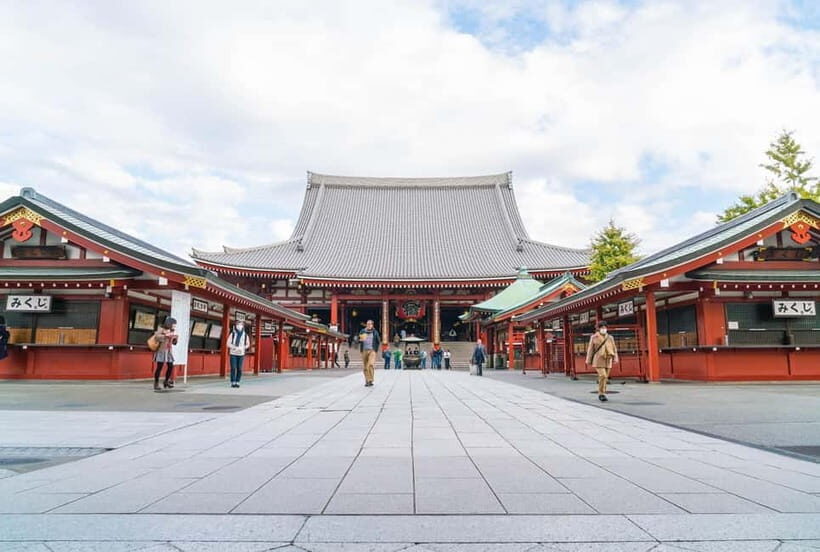
Kyoto changes when you walk with locals. This private tour mixes big-name landmarks with calmer side streets, and you can start when it fits your day. You’ll get a local host’s eye, plus a route built to dodge the heaviest crowds.
I love the small, private pace—it stays flexible and you’re not herded with strangers. I also love that Kiyomizu-dera tickets are included, so your time stays focused on seeing, not stopping to pay.
One thing to consider: the “local perspective” is only as good as the guide. A couple of past experiences turned disappointing when the guide’s Japanese skills and storytelling didn’t match expectations.
In This Review
- Key things to know before you go
- Private Kyoto, your pace: what 3 hours really covers
- Your local guide matters more than you think
- Stop-by-stop: Kyoto Municipal Zoo to the Gion edge
- Kyoto Municipal Zoo area: feudal lanes in a quieter pocket
- Yasaka Shrine (first visit): Asuka-era connections and temple layers
- Kongoji Temple: the wish and the trade-off
- Kiyomizu-dera: the big one, plus included admission
- Gion, the Kamogawa River stroll, and Nishiki’s 400 years
- Yasaka Shrine (second visit) and a coffee break
- Gion: geisha district atmosphere on foot
- Kamogawa River: where the city slows down
- Nishiki Market: 400-year-old shopping and snacks
- What you’ll actually get: highlights versus storytelling depth
- Price and value: is $167.92 per person worth it
- Who this Kyoto tour fits best
- Should you book Best of Kyoto Private Tour?
- FAQ
- How long is the Best of Kyoto Private Tour?
- Is this tour private or shared with other people?
- What’s included in the price?
- Where does the tour start?
- Can I choose my start time?
- What is the cancellation policy?
Key things to know before you go
- Private means just you and your local guide, so you can ask questions as you walk.
- A start time that suits you helps if you’re juggling temples, meals, or family schedules.
- Kiyomizu-dera tickets are included, which saves time and avoids confusion at the gate.
- Yasaka Shrine twice on the route means two different rhythms—history, then a coffee stop.
- Gion + Kamogawa River + Nishiki Market create a nice mix of culture, scenery, and shopping.
- Some guides are praised by name (David, Guia, Tiro, Ted, Shohei), but you’ll want good communication to get the most out of the tour.
Private Kyoto, your pace: what 3 hours really covers
This is a 3-hour private walking tour in Kyoto, built for your group only. That time window is long enough to see the essentials—without feeling like you’re sprinting between far-flung neighborhoods. It’s also short enough that you won’t lose your whole afternoon to temples and cobblestones.
The start time is flexible, which matters more than it sounds. If you plan your day around morning light, fewer crowds, or a later dinner, you can choose a time that works instead of waiting around. It also helps if you’re traveling with kids or older adults who don’t love a 10-stop mega-tour.
You meet at 198 Nakanochō, Higashiyama Ward, and the tour ends back at the same meeting point. There’s no hotel pickup or drop-off, so you’ll want to build in a bit of travel time from your lodging to that area. The good news: it’s near public transportation, so you’re not stuck with a complicated logistics puzzle.
You can also read our reviews of more private tours in Kyoto
Your local guide matters more than you think
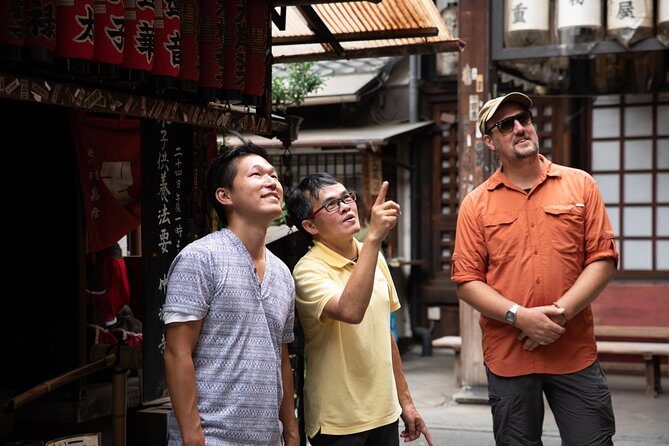
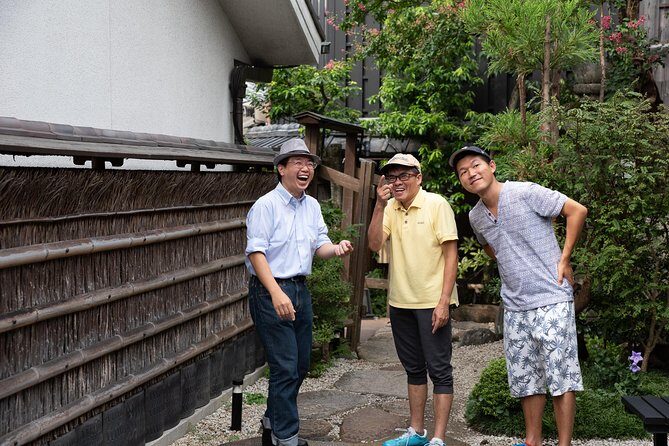
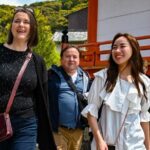
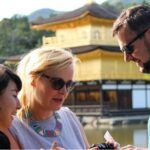
The best version of this tour feels like Kyoto through someone’s routine: what to notice, what to skip, and where to stand for the best views at the right moment. Guides in the past have been praised for exactly that—turning landmarks into stories, and side streets into context.
In particular, I’d keep an eye out for guides like David, Guia, Tiro, Ted, and Shohei—their names come up for being engaging, attentive (especially with families), and good at answering questions on the spot. If you like a tour where you’re not just collecting photos, you’ll likely appreciate that approach.
Now for the honest caution. A couple of negative experiences weren’t about the sights—they were about communication and depth. When a guide wasn’t Japanese or didn’t speak Japanese well (or didn’t provide much narrative), the tour felt more like a fast walk past famous buildings. If you care a lot about storytelling, ask yourself this: do you want a guide who explains cultural details and religious context, or are you mostly there for a smooth route and highlights?
Stop-by-stop: Kyoto Municipal Zoo to the Gion edge
This route is designed like a guided sampling platter: one part old Kyoto atmosphere, one part major temples, then a shift toward geisha district streets, river views, and shopping.
Kyoto Municipal Zoo area: feudal lanes in a quieter pocket
The tour starts near Kyoto Municipal Zoo, but you’re not spending a chunk of time at the zoo itself. The emphasis is on the neighborhood feel you can get right next door: wood-built historic quarters, narrow lanes, and storefronts such as traditional pottery shops and tea houses.
Expect about 30 minutes here. The zoo admission is listed as free, but the real value is the texture—Kyoto that feels more lived-in than postcard-perfect. If you’re the type who loves “walk-and-look” areas more than big monuments, you’ll likely enjoy this early reset before the famous temple crush.
Potential drawback: since it’s a neighborhood pass-through vibe, it might feel lighter if you were hoping for a deep dive into zoo life.
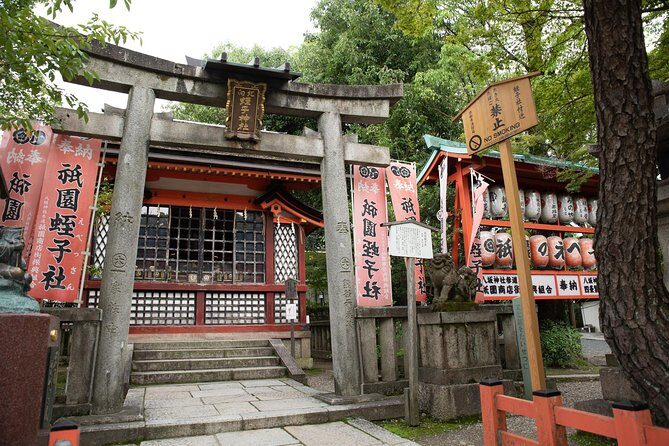
Yasaka Shrine (first visit): Asuka-era connections and temple layers
Next is Yasaka Shrine, around 20 minutes. The description points to Hokanji Temple, built in the Asuka period (538–710). That matters because Kyoto’s religious sites often feel like stacked timelines. A shrine isn’t just one moment; it’s a place where history keeps rewriting the view.
This stop is free and short, so don’t expect a long, sit-down ceremony. Think of it as an orientation stop: you learn the story thread, then you move on while your brain is still in “Kyoto context” mode.




Kongoji Temple: the wish and the trade-off
You’ll head to Kongoji Temple for another 20 minutes. This is where the tour’s cultural tone sharpens. The folk faith tied to the temple is described as a wish system where you must sacrifice one desire.
This is the kind of detail that changes how you look at tiny offerings or prayers. Instead of “people do a ritual here,” you start seeing the logic behind it.
If you prefer practical explanations to symbolism, this stop will either click or it won’t. Either way, it’s brief enough that it won’t derail your afternoon.
Kiyomizu-dera: the big one, plus included admission
Then comes Kiyomizu-dera, the stop most people picture when they say Kyoto. You’ll have about 30 minutes here. The site’s foundation is described as over 1,200 years ago, which gives you instant scale.
The big practical win: tickets for Kiyomizu Temple are included. That saves you from scrambling at peak times and guessing what you need at the entrance. It also keeps the tour flowing—no long detours for payment.
What makes this stop work in a private format is that you can time your walking. If crowds are thick at one viewpoint, you can shift positions and keep moving instead of being stuck in a queue while someone else decides where to stand.
Gion, the Kamogawa River stroll, and Nishiki’s 400 years
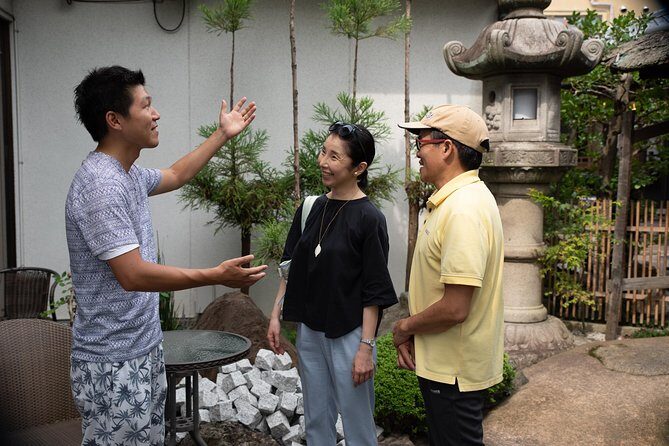
After Kiyomizu-dera, the route shifts from temple intensity into street-level Kyoto. This is where the tour earns its “locals perspective” label, because it’s easier to see how the city moves when you’re not staring at shrine steps all afternoon.
Yasaka Shrine (second visit) and a coffee break
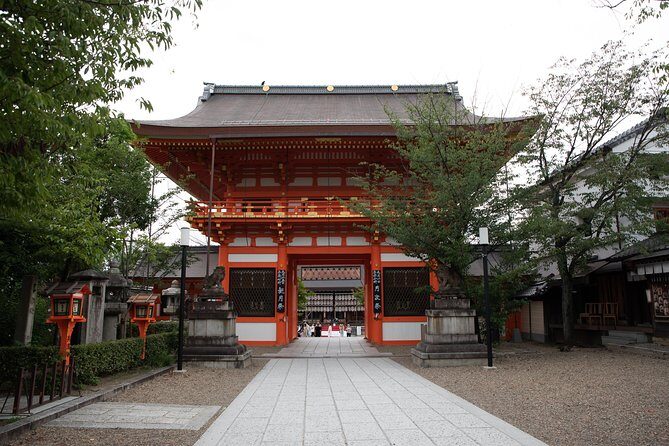
You’ll return to Yasaka Shrine for another 20 minutes, with a coffee stop before the next shrine viewing. The shrine is described as being founded over 1,350 years ago, so this second visit isn’t just repetition—it’s a chance to see the area with a different rhythm.
Also, the tour includes 1 local drink/tasting. The exact form can vary, but the intent is clear: build a small pause into the walk so you don’t turn your day into temple endurance training.
Gion: geisha district atmosphere on foot
Next is Gion, about 20 minutes. This is Kyoto’s best-known geisha district, and on this route you’ll experience it as a walking neighborhood, not a landmark you speed through.
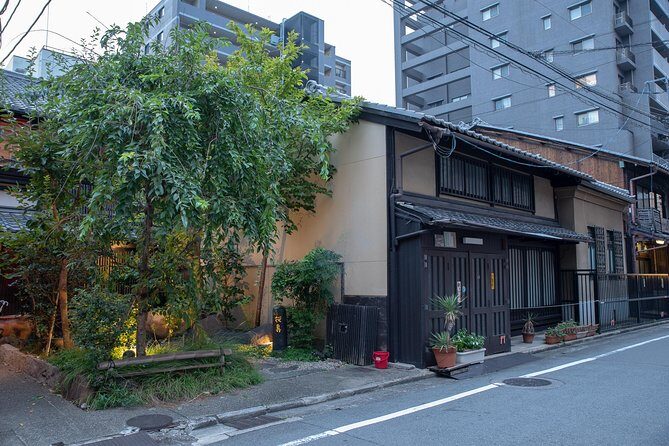
Gion is popular for a reason, but it can also feel crowded. A private guide helps here because they can steer you through the calmer lanes and help you understand what you’re actually looking at (machiya streets, formal facades, the general layout that makes Gion feel like Gion).
Kamogawa River: where the city slows down
Then it’s Kamogawa River for about 20 minutes. The description calls it one of Kyoto’s most famous and popular rivers. On a clear day, it’s a simple pleasure stop—wide enough for a breather, photogenic enough to justify stopping, and laid-back enough that you don’t feel like you’re doing another “must-see.”
This is also a good moment to ask your guide for local tips about what’s worth exploring on your own after the tour ends.
Nishiki Market: 400-year-old shopping and snacks
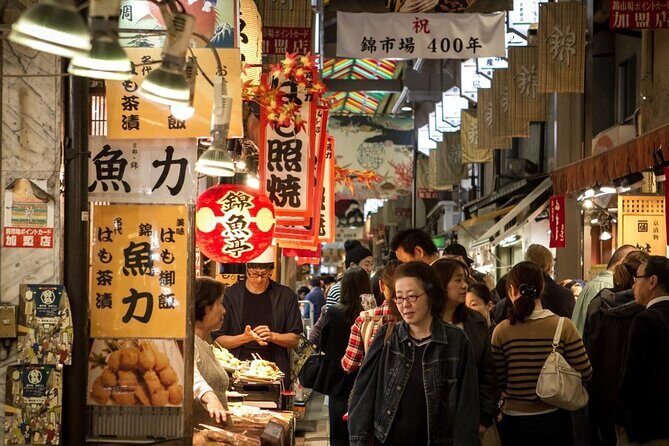
Finally, you’ll reach Nishiki Market Shopping District for about 20 minutes. It’s described as a 400-year-old market, and it’s the part of the tour that turns sightseeing into casual eating and browsing.
You should plan for small samples—Japanese goodies and souvenirs you can pick up without needing a full meal plan. The tour includes a local drink/tasting, but even if you buy more, Nishiki is set up for tasting and snacking, so you won’t feel stuck with one big purchase.
One caution: 20 minutes goes fast in a market. If you want souvenirs, decide quickly what you’re hunting for and keep moving.
What you’ll actually get: highlights versus storytelling depth
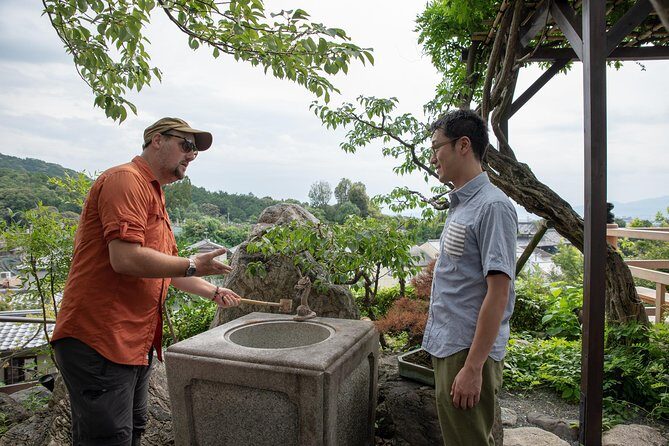
This tour sits in a sweet spot between “see the sights” and “learn the why.” The itinerary hits the recognizable Kyoto anchors: Kiyomizu-dera, Yasaka Shrine, Gion, Kamogawa River, and Nishiki Market. At the same time, the route uses shorter stops and neighborhood textures to keep the day from becoming a photo factory.
The biggest factor is how your guide tells the story. Positive experiences mention strong context: history, culture, and religion layered into what you see. Some guides also handle questions well and adapt when you’re traveling with kids or you’ve already seen certain areas.
When the guide experience isn’t strong, the main issue is usually not the attractions—it’s that the tour can turn into a quick facts dump. If you’re the type who wants “why this matters,” you’ll feel the difference quickly.
Practical advice: before you’re halfway through, try asking one simple question in a friendly way—something like what a particular offering symbolizes, or how a shrine tradition works. If your guide can answer with detail and clarity, you’re in the best version of the tour.
Price and value: is $167.92 per person worth it
At $167.92 per person for about 3 hours, this isn’t a budget group tour. But it can be good value if you use the privacy correctly.
Here’s why it can pay off:
- You’re not paying per attraction; you’re paying for a guided route that saves you time and navigation stress in a busy city.
- Kiyomizu-dera tickets are included, which reduces friction at a major stop.
- You get 1 local drink/tasting, plus a guide who can steer you through crowd pressure and help you understand what you’re seeing.
- Private tours can also reduce “wasted time.” If you’re the kind of traveler who spends 30 minutes figuring out which gate to enter, a guide often pays for itself in time saved.
Where the math can wobble:
- If your guide communication isn’t great or the storytelling stays thin, you may feel like you could’ve done a similar route on your own with a map.
- With only three hours, you’re not going to cover every Kyoto heavyweight. If you want a longer temple day, you might look for a longer private tour.
One more note: this tour is often booked about 19 days in advance, which suggests demand for a popular route mix. If you’re traveling in a peak season, booking earlier can improve your chance of getting the time slot you want.
Who this Kyoto tour fits best
This is a strong pick if you want:
- A first Kyoto walk with meaningful landmarks and context
- A family-friendly outing where the guide can adjust to kids’ energy
- A couple or solo traveler who prefers a guide to handle logistics and keep the day moving
- Someone who likes city history tied to real places, not just dates on a sign
It’s less ideal if:
- You only care about ticking off temples and don’t want explanation
- You expect a perfect, deeply local guide profile every time and get frustrated if the guide’s language isn’t strong
- You’re hoping for a long, multi-neighborhood immersion day beyond the typical East Kyoto highlights
Should you book Best of Kyoto Private Tour?
I’d book it if you like the idea of a timed, guided walk that hits the core Kyoto sights without making you plan every turn. The included Kiyomizu-dera tickets, the private format, and the combination of temples + Gion + river + Nishiki makes it easy to feel like you used your time well.
I would think twice if your priority is heavy storytelling in Japanese depth and you’re very sensitive to guide language and narrative style. In that case, choose your expectations carefully and be ready to ask questions early—because the tour experience depends on whether your guide can bring Kyoto’s layers to life.
FAQ
How long is the Best of Kyoto Private Tour?
It’s listed as about 3 hours.
Is this tour private or shared with other people?
It’s private. The experience is only for you and your local guide.
What’s included in the price?
The tour includes a local drink/tasting, a local guide, and tickets for Kiyomizu Temple. It also includes the private tour format. Food and beverages beyond what’s listed aren’t included.
Where does the tour start?
The meeting point is 198 Nakanochō, Higashiyama Ward, Kyoto, 605-0075, Japan. The tour ends back at the meeting point.
Can I choose my start time?
Yes. You can choose a start time that suits you.
What is the cancellation policy?
You can cancel for a full refund up to 24 hours before the experience’s start time.