REVIEW · KYOTO
Kyoto Tea Ceremony & Kiyomizu-dera Temple Walking Tour
Book on Viator →Operated by MagicalTrip Inc. · Bookable on Viator
Kyoto can be overwhelming on day one, but this tour keeps it simple. You’ll walk from Yasaka Shrine into Kiyomizu-dera’s UNESCO setting, then slow down with a traditional tea ceremony. Two things I really like here are the small group size (max 6) and the focus on the why behind what you’re seeing, not just the where.
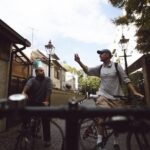
I especially appreciate the cultural coaching you get while walking the old streets. Your guide (many tours run with Hide, and he tends to bring both history and humor, including dad jokes) helps you connect Shinto and Buddhist ideas to the places you pass. You also get hands-on matcha tea as part of the ceremony, plus a few snack samples to keep you comfortable during the 3-hour outing.
One consideration: the route is a real walking experience up slopes and through busy temple approach streets. If you’re sensitive to crowds, hot weather, or uneven pavement, plan to move slowly and bring water and a hat—summer in Kyoto can be hot and humid.
In This Review
- Key Things That Make This Tour Worth It
- Why Kiyomizu-dera Works So Well (Especially for First-Time Kyoto)
- Meeting at Yasaka Shrine and Getting Your Bearings Fast
- Kiyomizuzaka Streets: Tea Shops, Sweets, and the Old Kyoto Vibe
- Passing the Slope Details: Kiyomizu Zaka and the Temple Gate Moment
- Kiyomizu-dera’s Stage View: Otowa Waterfall and the Good-Luck Cup
- Sannenzaka and Ninenzaka: The Slope Legend and the Walk-Right-Now Feeling
- Tea Ceremony with Matcha: Calm After the Climb
- Photo Stops and Small-Group Pace: How You Actually Enjoy It
- Price and Value: What $109.39 Buys You in Kyoto Time
- Practical Tips So You Don’t Suffer on the Slopes
- Who This Tour Fits Best (and Who Might Want a Different Plan)
- Should You Book Kyoto Tea Ceremony and Kiyomizu-dera?
- FAQ
- How long is the Kyoto Tea Ceremony & Kiyomizu-dera walking tour?
- Where do we meet, and what time does it start?
- What’s included in the price?
- Is this a small-group tour?
- Do I need to print tickets?
- Are children allowed?
- Is the tea ceremony/snacks able to handle allergies or dietary needs?
Key Things That Make This Tour Worth It
- Kiyomizu-dera with a guide so the temple feels understandable, not just postcard-perfect
- Otowa Waterfall good-luck ritual with three separate streams and different benefits
- Kiyomizuzaka and Sannenzaka/Ninenzaka walking lanes where old-tea-shop Kyoto is right in front of you
- Traditional tea ceremony experience plus matcha you actually drink, not just watch
- Small-group feel (up to 6), which makes it easier to ask questions and take photos
- Photo prompts built into the walk, so you’re not scrambling for the best angles
Why Kiyomizu-dera Works So Well (Especially for First-Time Kyoto)
Kiyomizu-dera is one of those places you already know by name, even before you land in Japan. That’s exactly why this tour format works: you’re not just checking a famous site off your list. You’re also getting the story and the etiquette that make the whole visit click.
The tour pairs big sights with a calmer cultural moment. After walking Kiyomizuzaka and working your way toward the temple, you settle into a traditional tea ceremony and get matcha. That rhythm helps you avoid the common Kyoto problem: rushing through temples like they’re museums with exit doors.
You’re also not stuck doing this solo with your phone map. The guide takes you from the meeting point at Yasaka Jinja to the temple areas, and that saves you time and stress—especially when you’re walking in and out of lanes full of souvenir shops and people.
You can also read our reviews of more walking tours in Kyoto



Meeting at Yasaka Shrine and Getting Your Bearings Fast
You meet at Yasaka Jinja Nishiromon Gate (Western Tower Gate) at 9:00 am. That start point matters because it puts you close to the Higashiyama side of town where Kyoto feels old and on foot-friendly. It also helps you begin before the day gets too crowded.
The tour then moves through early photo chances and viewpoint moments. One of the practical advantages is that the guide is watching the route and timing, so you’re not constantly asking where to go next. In at least some runs, the guide is Hide, and the style described in tour experiences sounds like: clear explanations, easy pacing, and playful conversation that keeps the walk from feeling stiff.
If this is your first day in Kyoto, this kind of orientation is gold. You’re not memorizing streets for a quiz; you’re learning which areas connect and how the temple approach flows uphill.
Kiyomizuzaka Streets: Tea Shops, Sweets, and the Old Kyoto Vibe
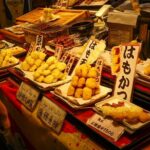
Kiyomizuzaka is the name for a cluster of streets leading up toward Kiyomizu-dera, and it’s where the atmosphere starts to feel like time travel. As you walk, you pass old teashops, Japanese sweets shops, and traditional sundried food sellers. It’s also one of the places where you can notice how Kyoto’s craft and snack culture lives right inside the walking route.
The tour includes a stop in the area near Yasakakoshindo, described as one of the more colorful temple spots in Kyoto. That’s a smart move because it breaks up the experience. Instead of heading straight for the big landmark and feeling like you skipped the “in-between” Kyoto, you get a smaller, more local feeling stop.
A drawback to keep in mind: this whole approach area is a shopping and pilgrimage zone. You’ll see souvenir calls and a steady flow of pedestrians, so the experience feels lively, and you’ll want to stay patient. If you’re traveling during peak season, try to keep your expectations focused on the walking mood rather than quiet solitude.
Passing the Slope Details: Kiyomizu Zaka and the Temple Gate Moment
As you get closer to the main temple complex, the tour focuses on the pilgrimage route feel. You’ll pass Kiyomizu Zaka Street near Kiyomizu-dera and work your way along a 1-km approach route that connects where Matsubara-dori crosses Higashioji-dori up toward Gojozaka and Sannenzaka.
The details matter here because they shape how you understand the place. The approach is lined with souvenir shops and specific items that visitors commonly look for around the Higashiyama area—things like pickles and yatsuhashi show up along the way. There’s also mention of a Kiyomizu doll store near the temple gate, which tells you how the area mixes pilgrimage with everyday commerce.
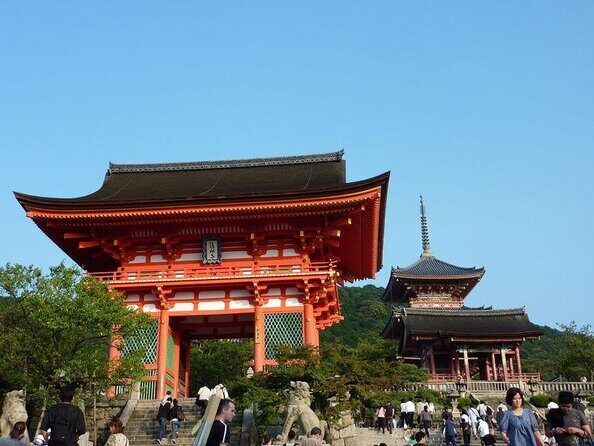
Then the big payoff arrives: you’re guided toward the top of the hill area where key structures like the Niomon Gate and the three-story pagoda of Kiyomizu-dera stand tall. Seeing those from the route your guide takes feels more intentional than just wandering up and hoping you find the best angle.
Kiyomizu-dera’s Stage View: Otowa Waterfall and the Good-Luck Cup
This is the core of the tour for most people: Kiyomizu-dera and the view from its wooden stage. The temple is associated with Otowa Waterfall’s site and is said to date back about 1,200 years, with the temple name linked to pure water from the falls.
On the wooden stage—about 13 meters above the ground—you get one of Kyoto’s classic panoramas. You’ll see cherry and maple trees and views across Kyoto in the distance, depending on the season. Even if you’ve seen photos before, being there in person tends to feel different because you’re standing at the point where the temple is meant to impress people.
Then comes Otowa Waterfall. You’ll visit the waterfall and the ritual aspect: the water is divided into three separate streams, and each stream is said to bring a different benefit. The tour includes the idea of choosing one stream by using a cup attached to a long pole and drinking the water for good fortune.
This part is valuable even if you’re not a ritual person. It gives you a simple, culturally grounded action to take, and it turns the location into something you participate in, not just look at. It also pairs nicely with what the guide explains about worship practices at the site.

Sannenzaka and Ninenzaka: The Slope Legend and the Walk-Right-Now Feeling
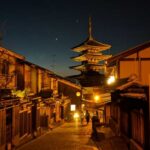
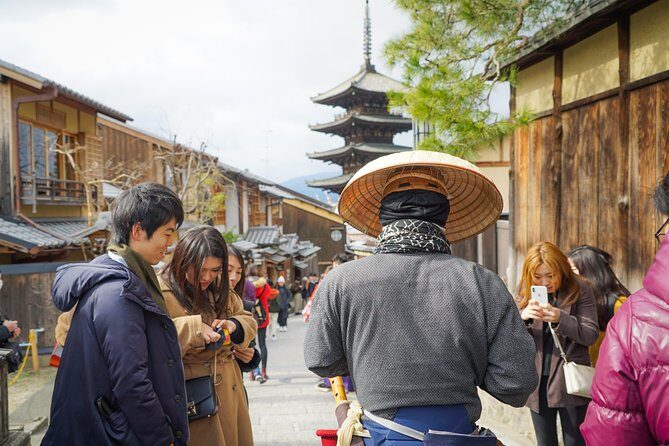
After the temple area, you pass by Sannenzaka Ninenzaka nearby. This is where Kyoto’s old-town lanes feel almost like a living set—narrow, sloped, and designed for slow walking.
Sannenzaka is a historic road, and there’s a legend tied to its name and when it opened. One of the more well-known stories: if someone falls on Sannenzaka, the legend says they will die within three years, or have their lifespan shortened by three years. That idea is said to have spread in the mid-Edo period, and the story links the slope to burial ground history, turning it into a cautionary tale.
Even if you treat it as legend, it changes how you move. You’ll find yourself stepping more carefully, watching your footing, and noticing the slope as part of the experience rather than just an obstacle on the way back down.
The tour’s timing also helps. After the main temple focus, the slope walk gives you time to breathe, check your photos, and shop only if you feel like it, instead of feeling trapped by the schedule.
Tea Ceremony with Matcha: Calm After the Climb
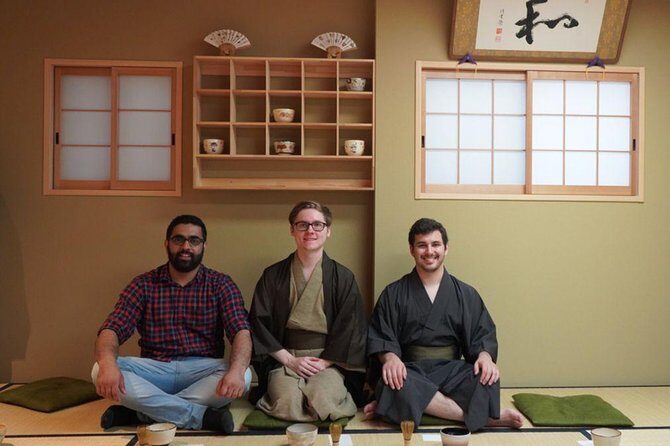
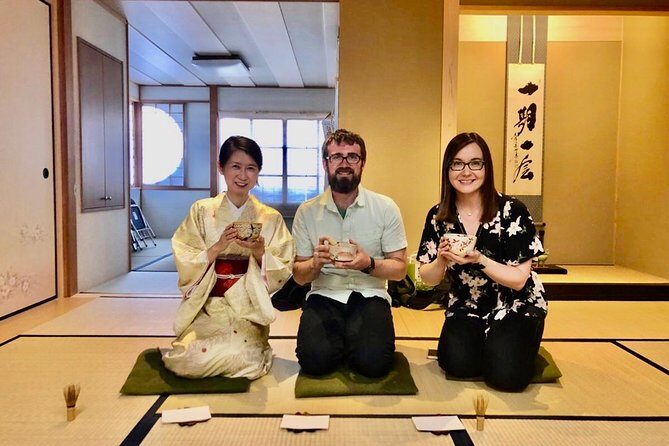
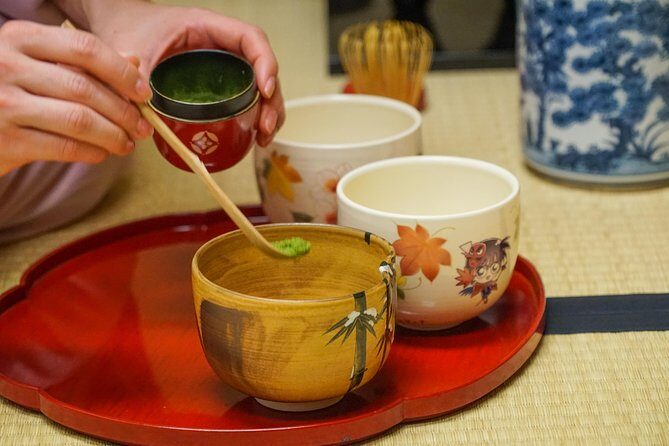
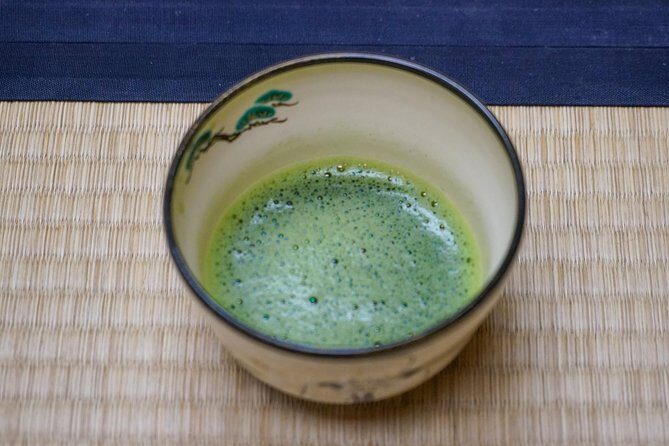
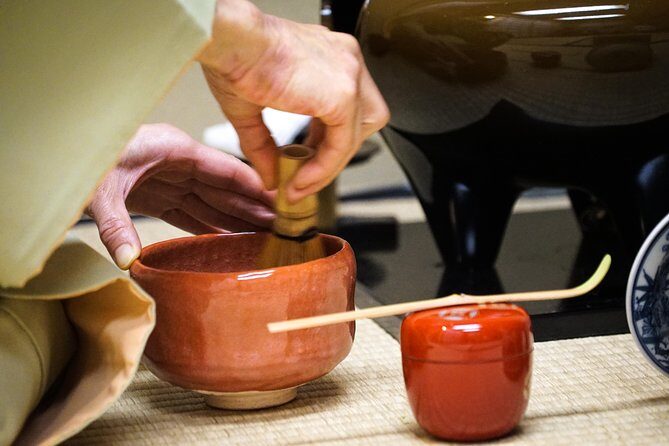
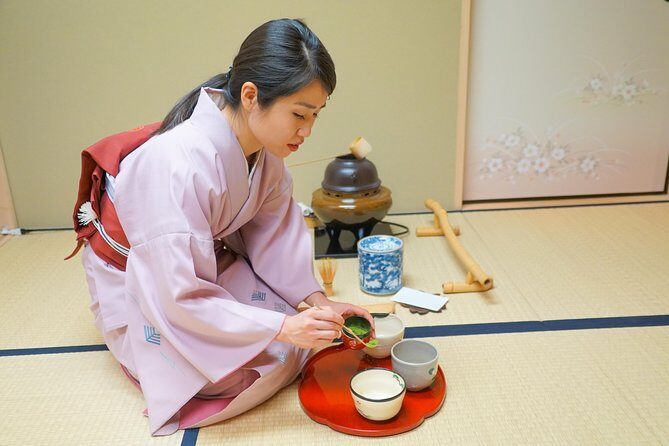
The tea ceremony is the “reset” moment in this tour. You don’t just hear that tea culture exists; you get the experience of it, including matcha (green tea). That drink is one of the most practical parts of the day because it refreshes you while you’re cooling down after the walking.
Snacks are included too—small samples, not a full meal. That’s a good balance for most people. You get enough to keep your energy steady, but you’re not locked into an extra restaurant time slot during a 3-hour tour.
In several tour experiences, the tea ceremony host has been named Haruki. Reports describe the ceremony as calming and the host as friendly and entertaining while guiding guests through formalities. That kind of tone matters because tea can feel intimidating if you think you’re supposed to do everything perfectly. When the host explains things clearly, you can just focus on the moment.
Photo Stops and Small-Group Pace: How You Actually Enjoy It
This tour is designed to be walked at an easy pace. You’re not herded with a crowd, and group size is capped at 6 travelers. That matters more than it sounds. Fewer people means less waiting at each photo spot, and it means you can ask questions without shouting over the group.
The route includes photo opportunities and the guide helps with taking pictures during the tour. In at least some runs, the guide points out where photos work best, which saves time. You get better results because you’re standing in the right place at the right moment, rather than guessing.
One more plus from tour experiences: the guides bring a conversational style. Hide, for example, is described as talking about topics beyond temples too, like Shinto and Buddha connections, and even lighter conversation such as baseball. That keeps the tour from turning into a lecture.
Price and Value: What $109.39 Buys You in Kyoto Time
At $109.39 per person for about 3 hours, this is not a budget sightseeing deal. But the value is there if you count what’s bundled.
Included items cover the stuff that usually costs time and money on your own:
- Kiyomizu-dera entrance fee
- Tea ceremony experience
- Snacks (a few samples)
- Matcha (green tea)
- Photos during the tour
- 3 hours with a Kyoto local guide
When you self-plan, you often pay separately for entry, then you still have to figure out who does the tea ceremony and how to fit it in between temple crowds. Here, the tour strings the key experiences together under one guide and one time window.
Also consider the orientation benefit. Instead of spending your first Kyoto hours studying maps and backtracking on slopes, you get a guided route that takes you through the best-known zones on foot.
If you’re traveling with limited time in Kyoto, this price can feel fair. If you’re spending several days in Kyoto and want maximum freedom, you might choose to go at your own pace and book the tea ceremony separately. But for a “hit the highlights with context” day, this tour makes sense.
Practical Tips So You Don’t Suffer on the Slopes
The tour includes walking through the Kiyomizuzaka and Sannenzaka/Ninenzaka areas. That means footwear matters. Wear shoes you can trust on uneven pavement and steep sections.
Summer in Japan is hot and humid. Bring water and a hat to help prevent heat stroke, since the tour is outdoors for a big part of the experience.
You’ll also want to arrive at the meeting point a bit early. The start is at 9:00 am at the Yasaka Jinja Nishiromon Gate, and once you’re off schedule, it’s hard to catch up during temple-area congestion.
The tour uses a mobile ticket, so you don’t need to print anything. It’s also near public transportation, which is convenient for combining it with other Higashiyama plans later in the day.
One more food note: while snacks are included, the tour provider says they can’t guarantee allergy-free or dietary-specific substitutions. Food is prepared in kitchens that do not belong to MagicalTrip, and substitutions may not be possible at every stop.
Who This Tour Fits Best (and Who Might Want a Different Plan)
This is a great fit if you want:
- A guided introduction to Kiyomizu-dera and the UNESCO setting
- A cultural activity like a tea ceremony without research headaches
- A route that feels manageable in one half-day
- The chance to ask questions and get help with photos
It’s especially well-suited for first-time Kyoto visitors who want orientation. One of the recurring themes in tour experiences is that people use it on the first day because it helps them understand the neighborhood flow.
It may feel less ideal if you:
- Want total independence and no guiding pace
- Have very limited mobility for slopes
- Need guaranteed allergy-friendly meals
Also, children under 6 aren’t allowed on this tour, and that’s good to know before you plan family schedules.
Should You Book Kyoto Tea Ceremony and Kiyomizu-dera?
Book it if you want your Kyoto day to feel guided but not rushed. This tour pairs the temple landmark everyone comes to see with a quieter, hands-on cultural moment in the tea ceremony, plus the fun atmosphere of the approach streets.
Skip or reconsider if your main goal is pure self-directed wandering, or if you’re traveling when heat and crowds will make walking uncomfortable. In that case, you might prefer splitting the day: temple on your own terms and a separate tea ceremony booking when you can take your time.
If your schedule allows only one “guided Kyoto highlights” experience, this one is a strong bet because it covers the classics and gives you context—without turning into a long day.
FAQ
How long is the Kyoto Tea Ceremony & Kiyomizu-dera walking tour?
It runs for about 3 hours.
Where do we meet, and what time does it start?
You meet at Yasaka Jinja Nishiromon Gate (Western Tower Gate) at 9:00 am. The tour ends back at the meeting point.
What’s included in the price?
The price includes Kiyomizu-dera entrance fee, tea ceremony experience, snacks, photos during the tour, matcha (green tea), and 3 hours with a Kyoto local guide.
Is this a small-group tour?
Yes. It has a maximum of 6 travelers.
Do I need to print tickets?
No. It uses a mobile ticket.
Are children allowed?
Children under 6 years old are not allowed.
Is the tea ceremony/snacks able to handle allergies or dietary needs?
The provider states they are unable to guarantee allergy-free meals or cater to dietary restrictions, and substitutions may not be possible at certain stops.